Visual recognition Normal Worksheets for Ages 4-7
8 filtered results
-
From - To
Discover engaging "Visual Recognition Normal Worksheets" designed for children ages 4-7 at Kids Academy! These printable resources are perfect for helping young learners develop essential visual recognition skills in a fun and interactive way. Each worksheet includes vibrant images and captivating activities that promote critical thinking and cognitive development. Tailored for early education, these materials encourage children to identify, match, and classify objects while enhancing their observational skills. Crafted to stimulate creativity and foster a love for learning, our visual recognition worksheets are an excellent tool for teachers and parents alike, ensuring an enriching educational experience for young minds. Download now and watch your child's skills soar!
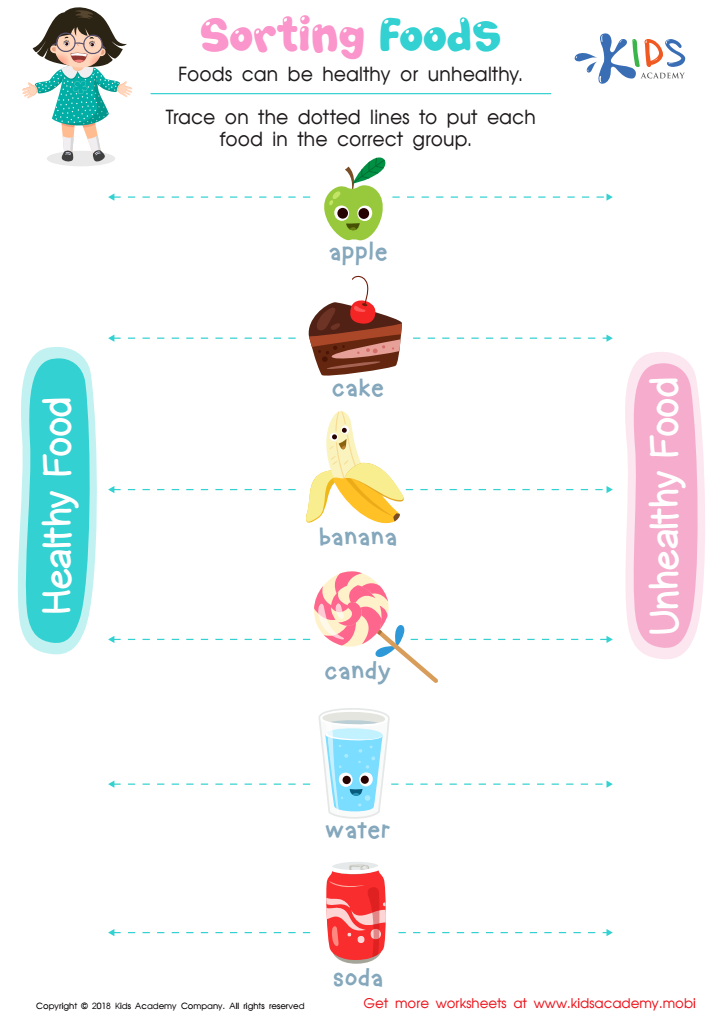
Sorting Food Worksheet
 Assign to My Students
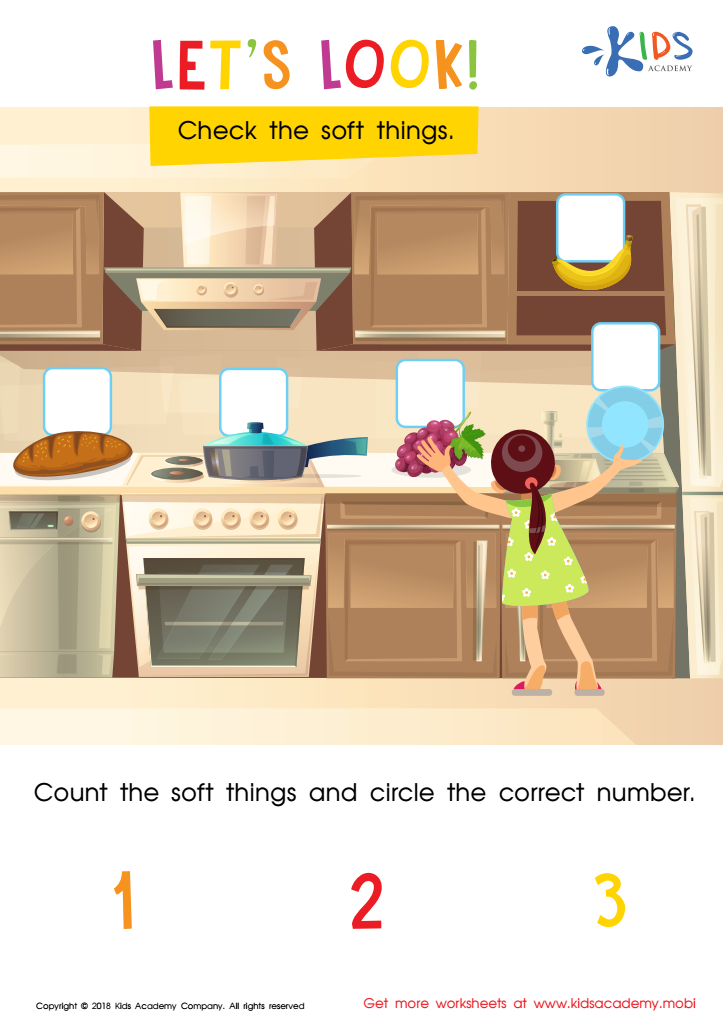
Let's Look! Assessment Worksheet
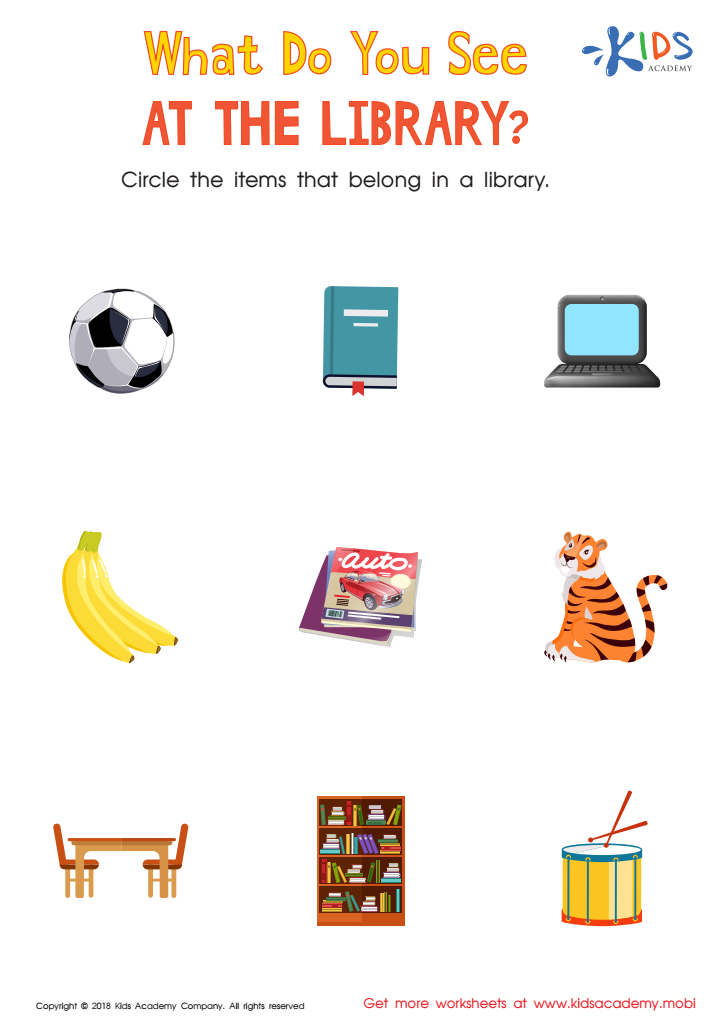
What Do you See at the Library? Worksheet
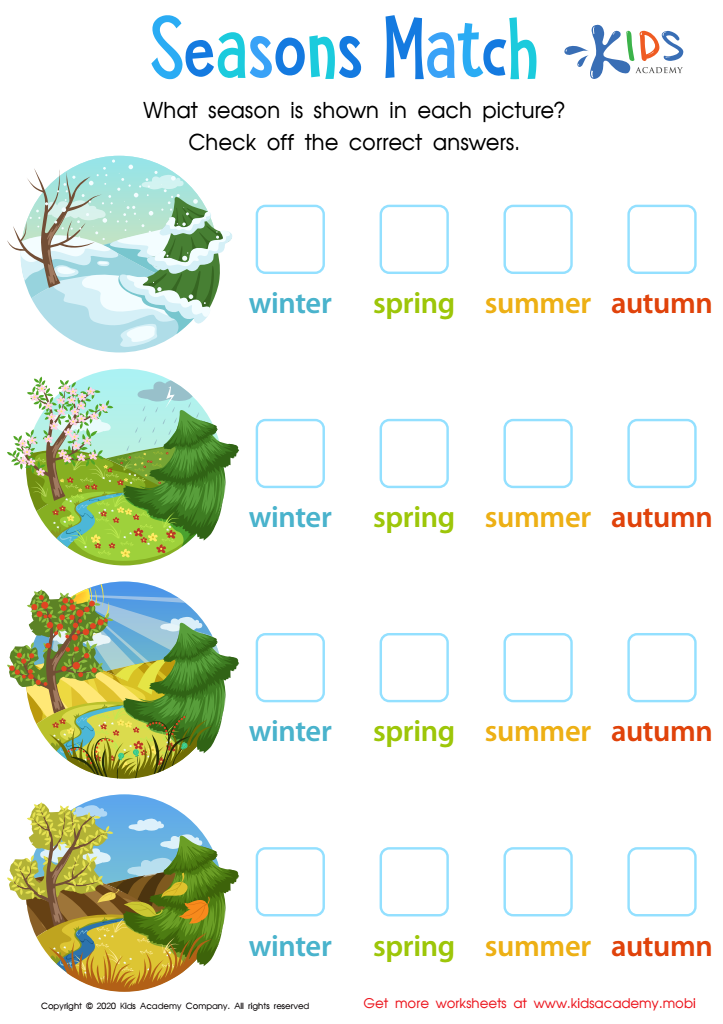
Seasons Match Worksheet
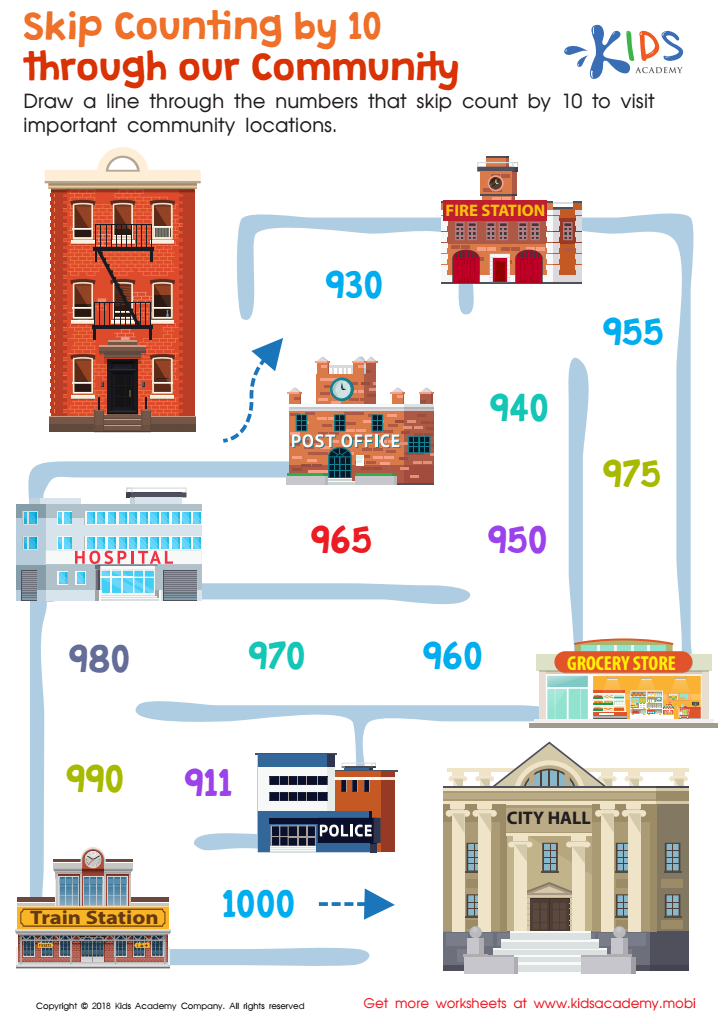
Skip Counting by 10 Through Our Community Worksheet
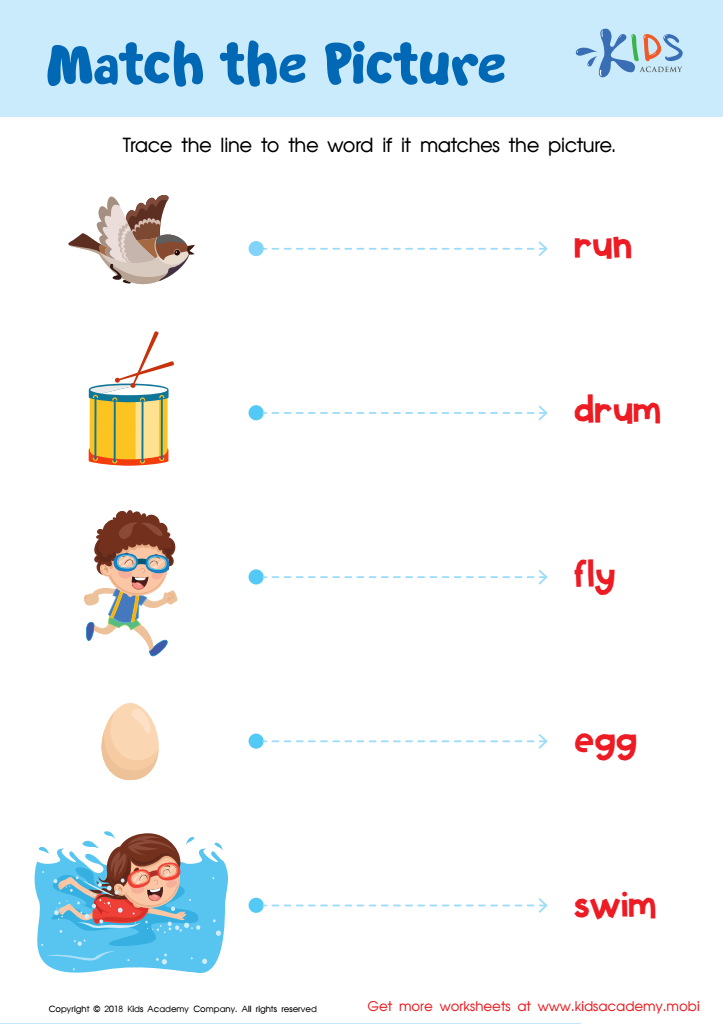
Match the Picture Worksheet

The Four Seasons Worksheet
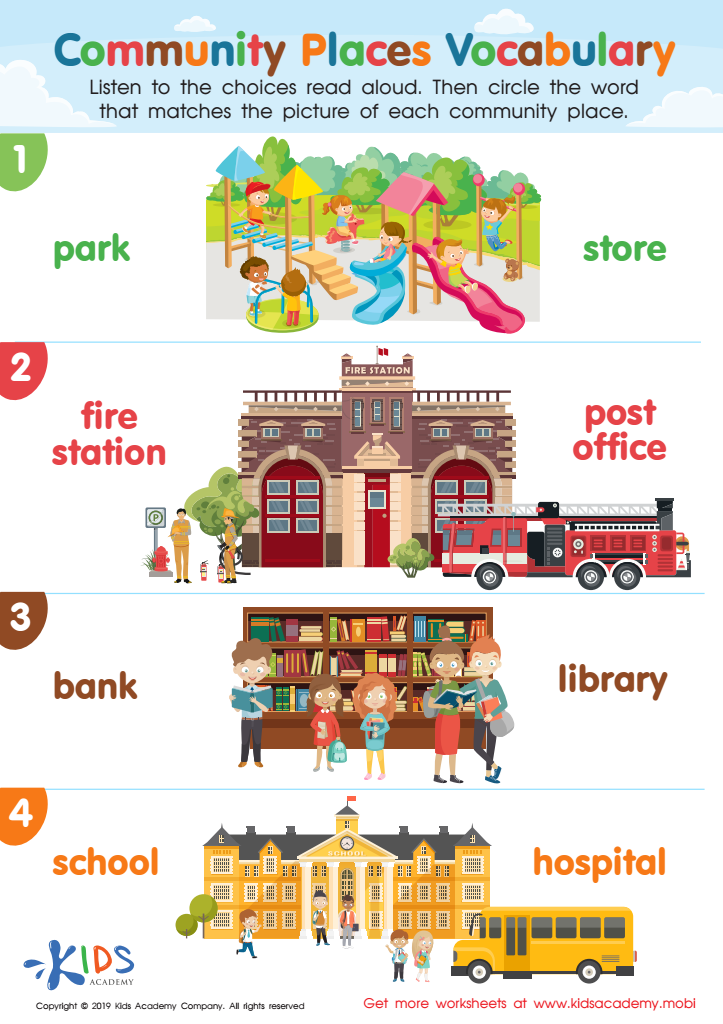
Community Places Vocabulary Worksheet




.jpg)
.jpg)


Visual recognition is a critical developmental skill for children aged 4-7, playing a significant role in early learning and cognitive development. Parents and teachers should care about this skill because it lays the foundation for successful reading and literacy. At this age, children are introduced to letters, shapes, and numbers, and visual recognition facilitates their ability to distinguish between different symbols and words.
Moreover, strong visual recognition skills enhance a child’s ability to process and interpret visual information in their environment. This skill impacts problem-solving and critical thinking, as children learn to recognize patterns and make connections between concepts. Engaging in activities that promote visual recognition—such as sorting games, puzzles, and identifying objects—encourages children to develop attention to detail, which is vital for both academic and everyday competencies.
Investing time in fostering visual recognition not only boosts memory retention but also helps children gain confidence in their abilities. Parents and teachers play an essential role in creating an encouraging environment, utilizing interactive learning strategies that captivate children’s interest and curiosity. By prioritizing visual recognition, they can effectively support children in their early educational journeys, providing them with the tools they need for future success.








