Vocabulary expansion Normal Worksheets for Ages 4-7 - Page 6
123 filtered results
-
From - To
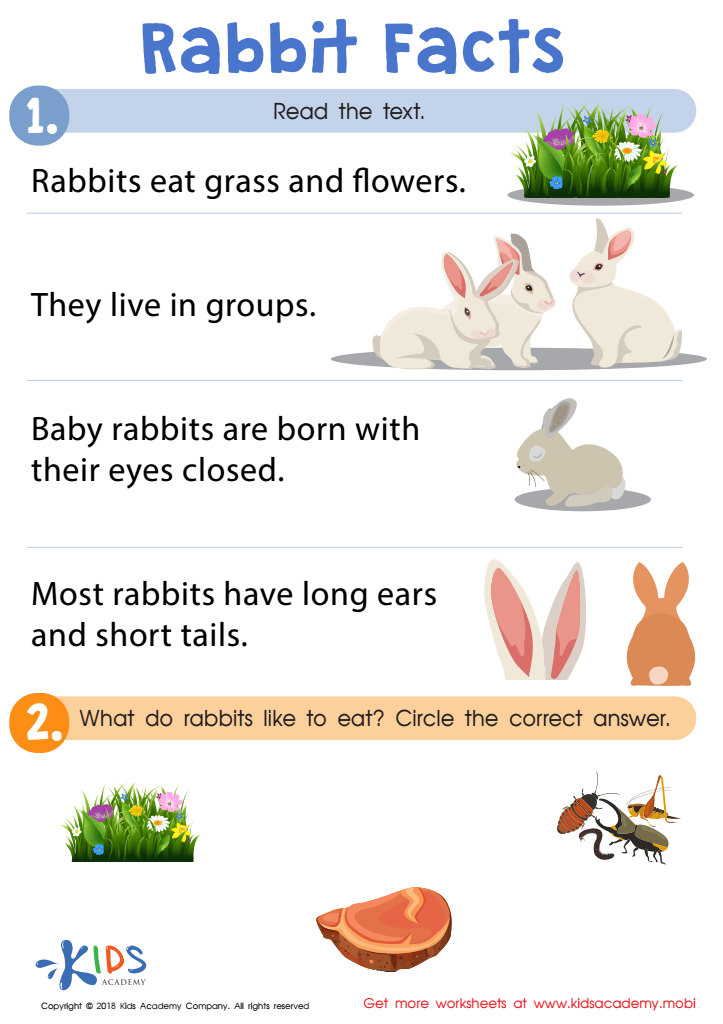
Rabbit Facts Worksheet
 Assign to My Students
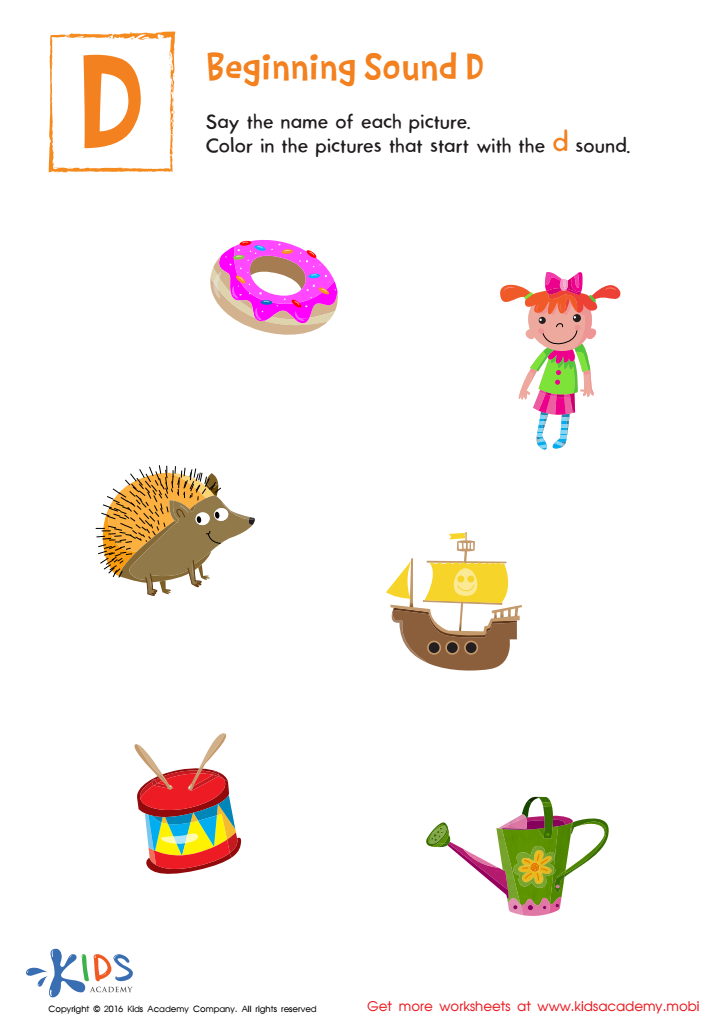
Beginning Sound D Worksheet
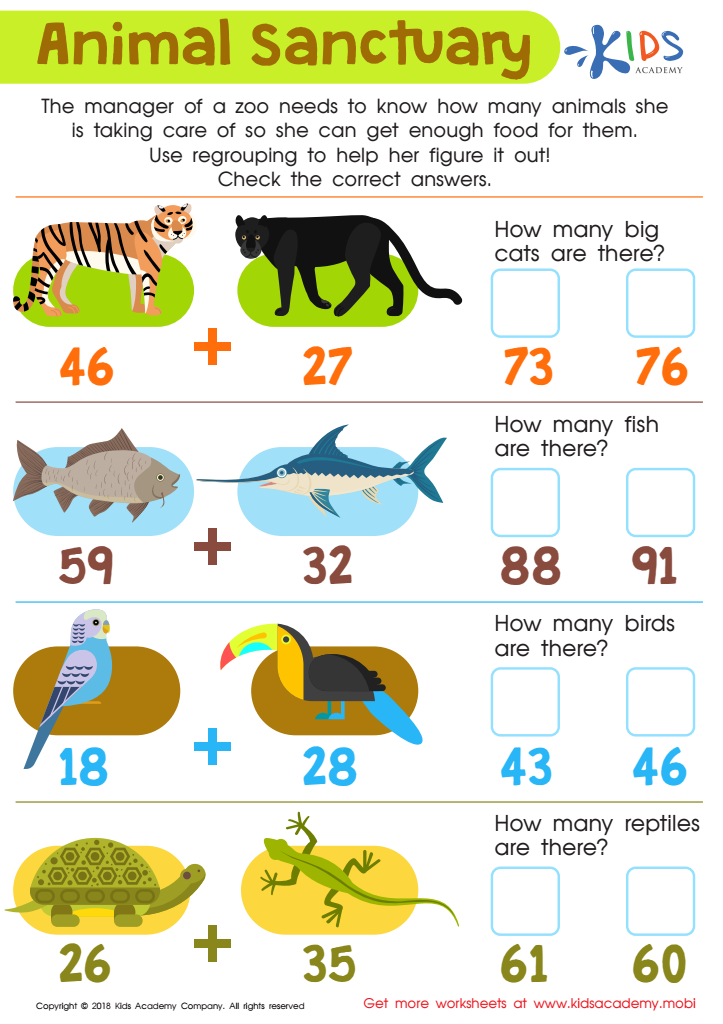
Animal Sanctuary Worksheet






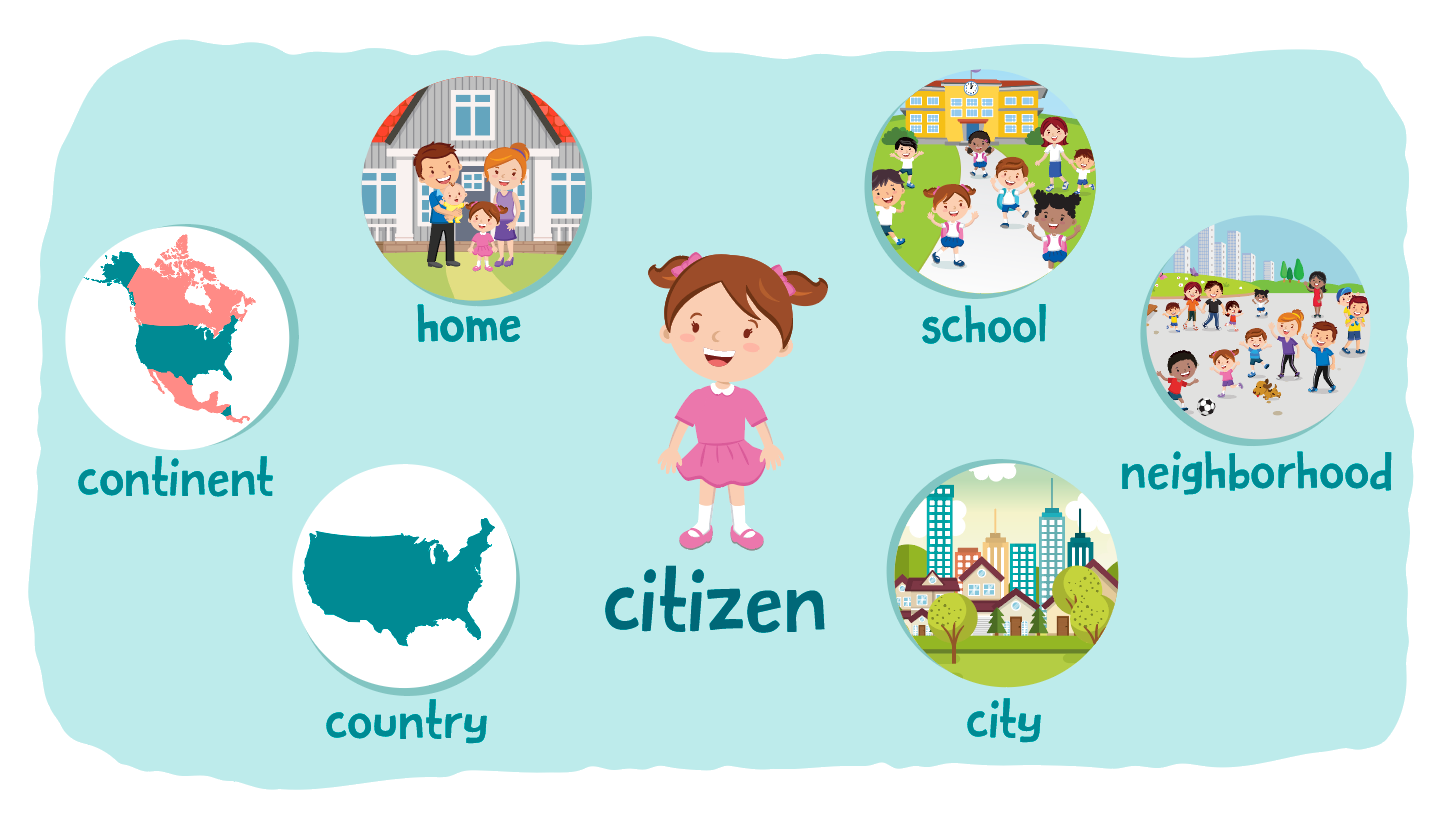

Vocabulary expansion is crucial for children aged 4-7 as it forms the bedrock of their linguistic, cognitive, and social development. During this early period, children are exceptionally receptive to learning new words, which boosts their ability to communicate effectively. A robust vocabulary allows children to express their thoughts and emotions with greater clarity and confidence, enhancing their interpersonal relationships.
For parents and teachers, fostering vocabulary growth in young children sets a foundation for academic success. A rich vocabulary contributes to stronger reading comprehension and writing skills, which are critical for future learning. Studies have shown that children with extensive vocabularies often achieve higher literacy levels and perform better in various academic subjects.
Furthermore, exposure to a wide range of words helps children develop cognitive skills like critical thinking and problem-solving. Engaging with diverse vocabulary allows children to categorize objects, understand abstract concepts, and make connections between pieces of information.
Lastly, for educators and parents, nurturing a child's vocabulary is a proactive way to support their emotional and social well-being. Children who can articulate their feelings are better equipped to manage emotions, resolve conflicts, and build self-esteem.
Investing in vocabulary expansion for children aged 4-7 is essential for their overall development, laying the groundwork for a lifetime of learning and effective communication.








