Unlock the joy of reading with our "Word Identification Normal Worksheets" designed for children ages 4-7! These engaging worksheets help young learners build essential word recognition skills through fun activities tailored to enhance vocabulary and reading fluency. Each worksheet provides a mix of colorful illustrations and age-appropriate exercises, encouraging kids to identify, read, and understand a variety of words. Ideal for home or classroom use, our resources promote early literacy development in an enjoyable and interactive way. Start fostering a love for reading and boost your child's confidence with our effective and creative word identification worksheets today!

Check out this FREE "Word identification" Trial Lesson for age 4-7!

Schools

Favorites
With answer key
Interactive
  • 4-7
  • Word identification
  • Normal
Learn to Spell Worksheet

Learn to Spell Worksheet

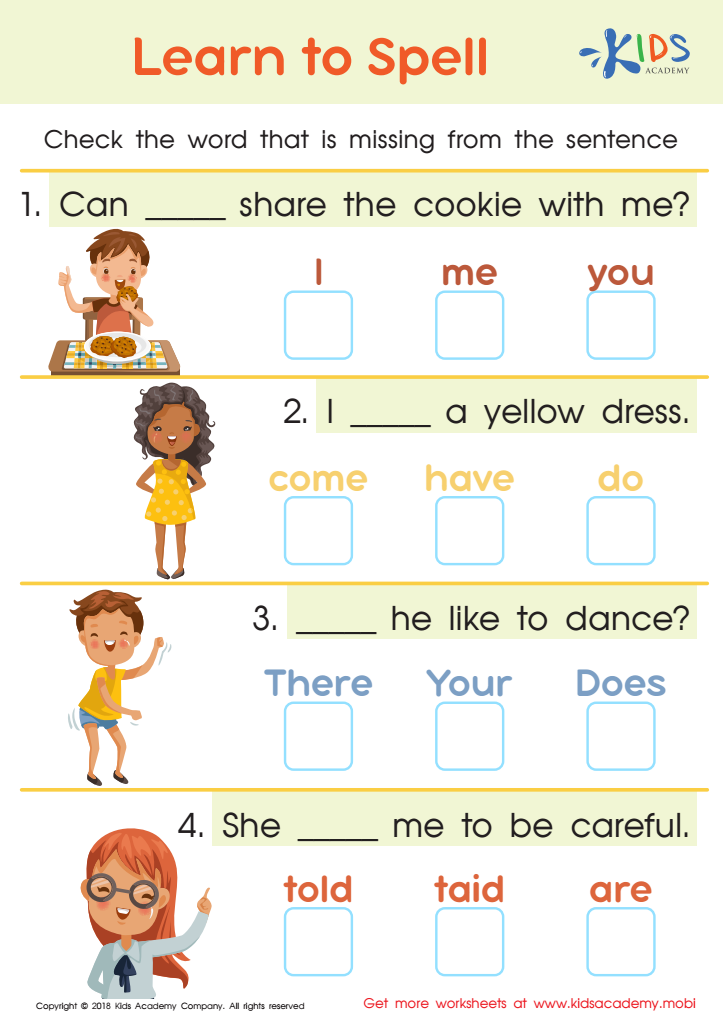
Help sharpen spelling skills with a simple worksheet. Read sentences aloud and show which word is missing. Ask students to pick the correct word from the options. Ensure they check the missing word for accuracy.
Learn to Spell Worksheet
Worksheet
Identify Individual Words Worksheet

Identify Individual Words Worksheet

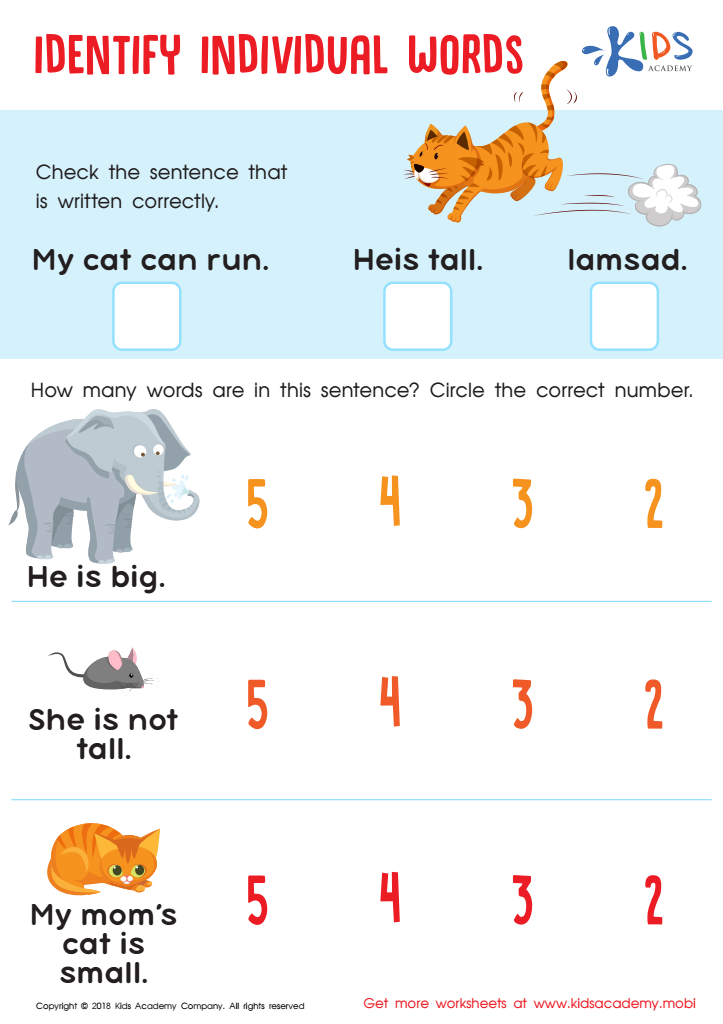
Does your child have trouble constructing sentences? Check out this worksheet! It will help them identify words that make up sentences and assess how well they can read and answer questions. The first part tests how well they can recognize a written sentence. The second part has them read questions and circle the correct number of words. Give it a try!
Identify Individual Words Worksheet
Worksheet
What Do you See at School? Worksheet

What Do you See at School? Worksheet

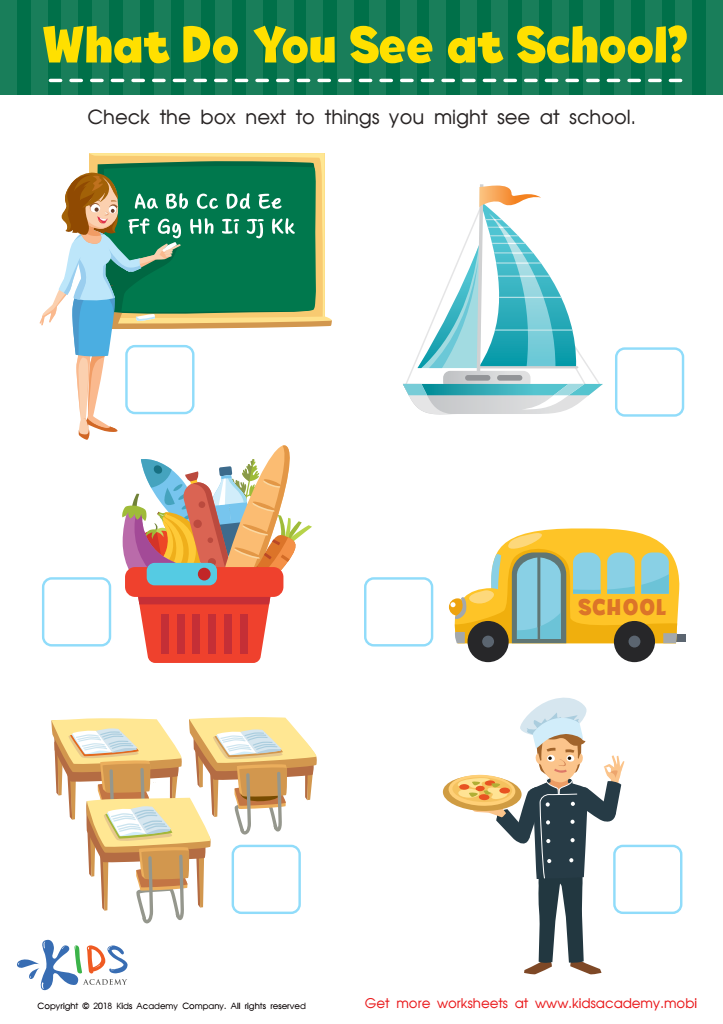
Have your kids give you a list of things they see at school. Then, view the worksheet together. Ask them to check the boxes next to the school items. Look for objects that can be found at school and those that don't belong. This is a great way to check their knowledge of what they see at school daily, except on weekends and holidays.
What Do you See at School? Worksheet
Worksheet
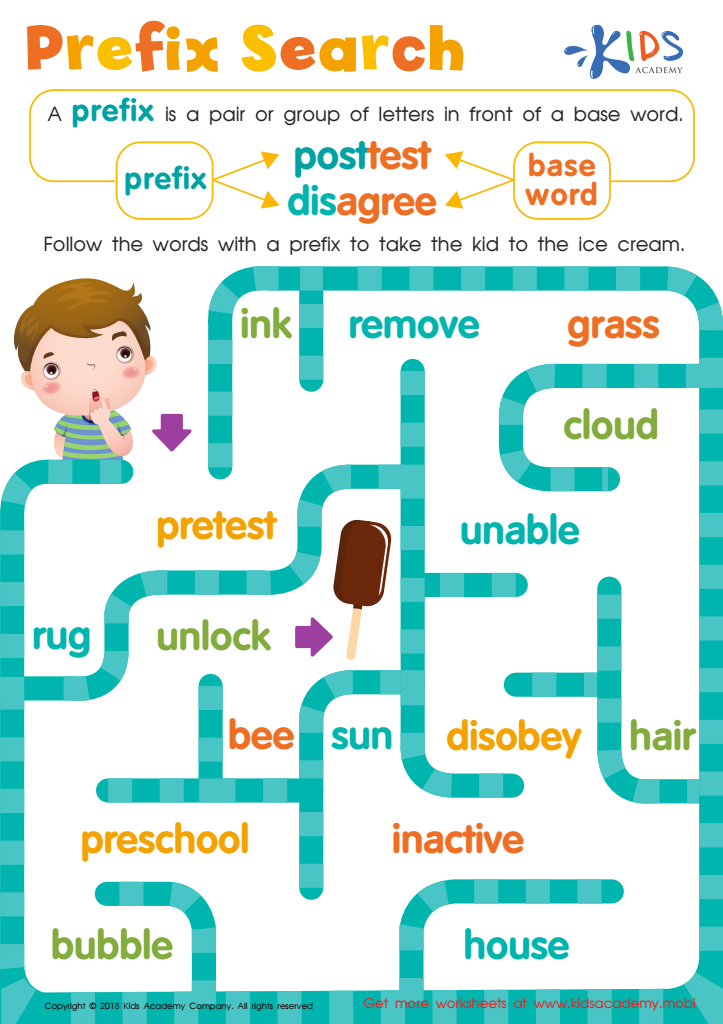
Reading: Prefix Search Worksheet

Reading: Prefix Search Worksheet

Maze your way through prefixes! This worksheet helps students practice reading new words with a prefix and figuring out the base word. An understanding of prefixes gives students the skills to comprehend new words. A fun and useful activity for the reading classroom!
Reading: Prefix Search Worksheet
Worksheet
Long I Vowel Team Coloring Worksheet

Long I Vowel Team Coloring Worksheet

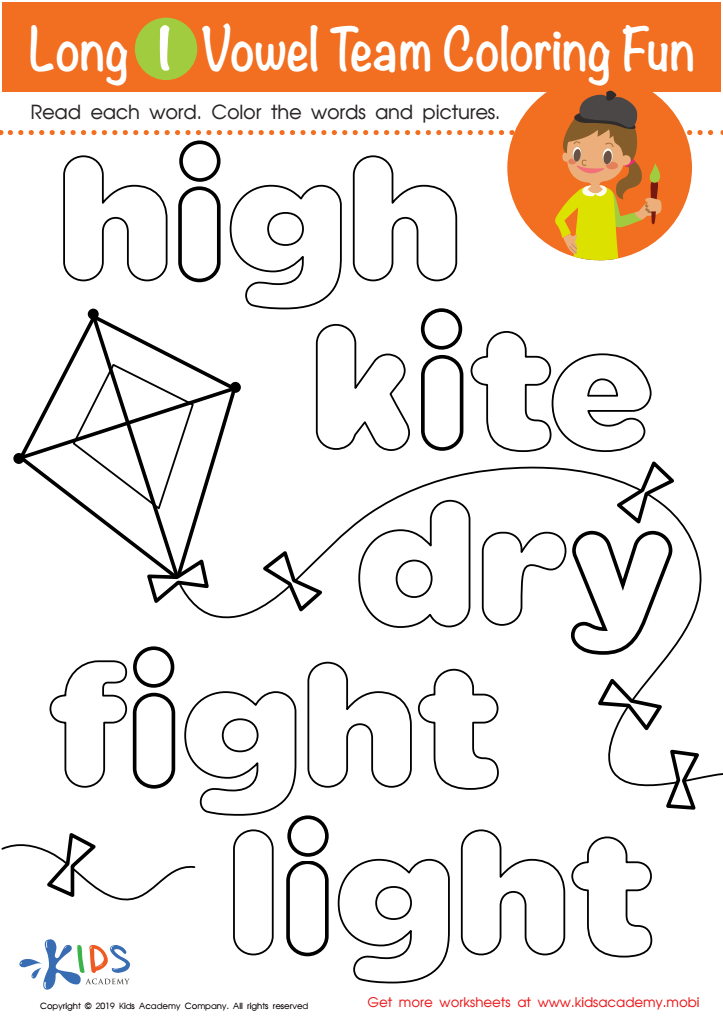
This worksheet provides practice with letter combinations that make the long "i" sound while enhancing creativity and motor skills with a fun coloring activity. Unknowingly, new readers learn key phonics skills while having fun!
Download (PDF)
Assign to My Students
Long I Vowel Team Coloring Worksheet
Worksheet
Phonics and Word Recognition: Assessment 1 ELA Worksheet


Phonics and Word Recognition: Assessment 1 ELA Worksheet

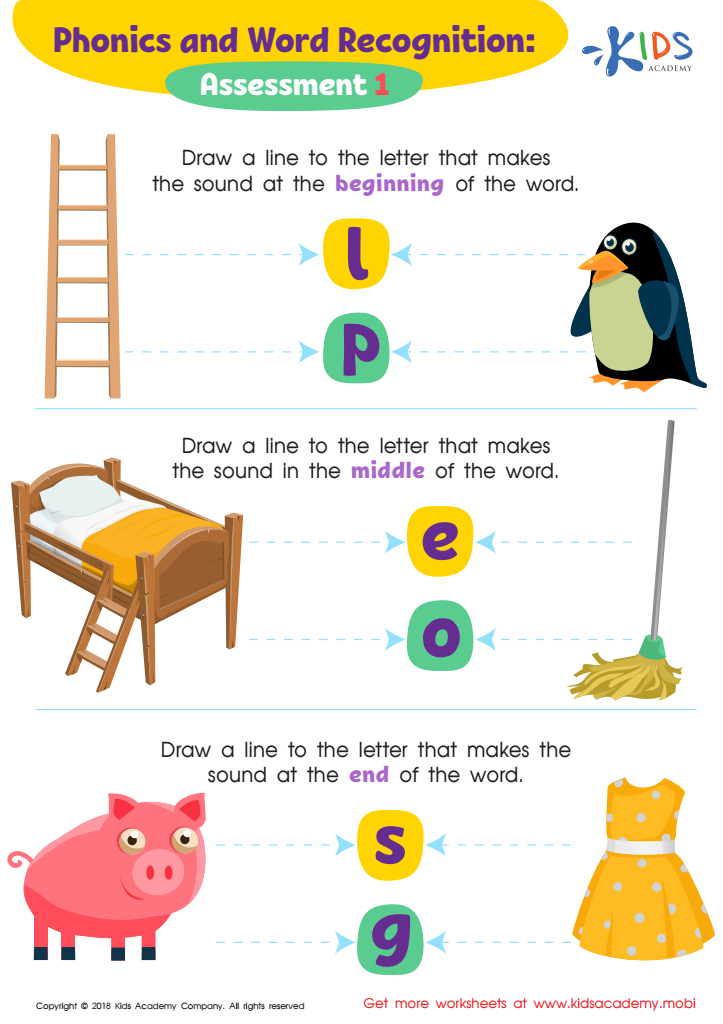
This fun worksheet tests your child's sound recognition skills for each part of a word. Ask your child to name each image and trace the line to match it with the corresponding letter. Listen for beginning sounds on 1st, middle sounds on 2nd, and ending sounds on 3rd. Encourage learning with this colorful and interactive activity!
Phonics and Word Recognition: Assessment 1 ELA Worksheet
Worksheet


Word identification is a crucial skill for children ages 4-7, forming the foundation for reading and academic success. At this age, children are in a key stage of language development, where they transition from recognizing letters to identifying and understanding words. Teachers and parents should care about this skill for several reasons.

Firstly, effective word identification enhances reading fluency, allowing children to read smoothly and confidently. This fluency enables them to focus on comprehension rather than decoding individual words, fostering a love for reading and exploration of diverse texts.

Secondly, strong word identification skills support vocabulary development. As children learn to identify more words, they also acquire new meanings and contexts, enriching their language and overall communication skills.

Moreover, word identification is linked to better academic outcomes across subjects. Proficient readers perform better in subjects like science and social studies, where reading skills are essential to understanding concepts.

Lastly, nurturing word identification contributes to children's self-esteem and motivation. When children can successfully read and identify words, they feel accomplished, encouraging a positive attitude toward learning.

In summary, fostering word identification in young learners not only aids their immediate educational journey but also sets the stage for lifelong learning and communication skills.