Pattern recognition Normal 2D Shapes Worksheets for Ages 4-7
3 filtered results
-
From - To
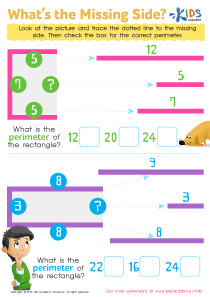
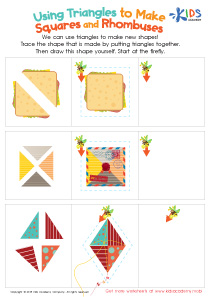
Unlock your child's creativity and analytical skills with our engaging Pattern Recognition Normal 2D Shapes Worksheets, designed specifically for ages 4-7. These worksheets offer a fun, interactive way for young learners to identify and compare various 2D shapes while enhancing their problem-solving abilities. By linking shapes through patterns, children will build confidence in their cognitive and visual recognition skills. Our carefully crafted activities cater to different learning styles, ensuring that every child can participate and thrive. With vibrant illustrations and easy-to-follow instructions, these worksheets are perfect for both classroom and home environment learning. Start your child's adventure in shape recognition today!

Find the Pattern Worksheet
 Assign to My Students






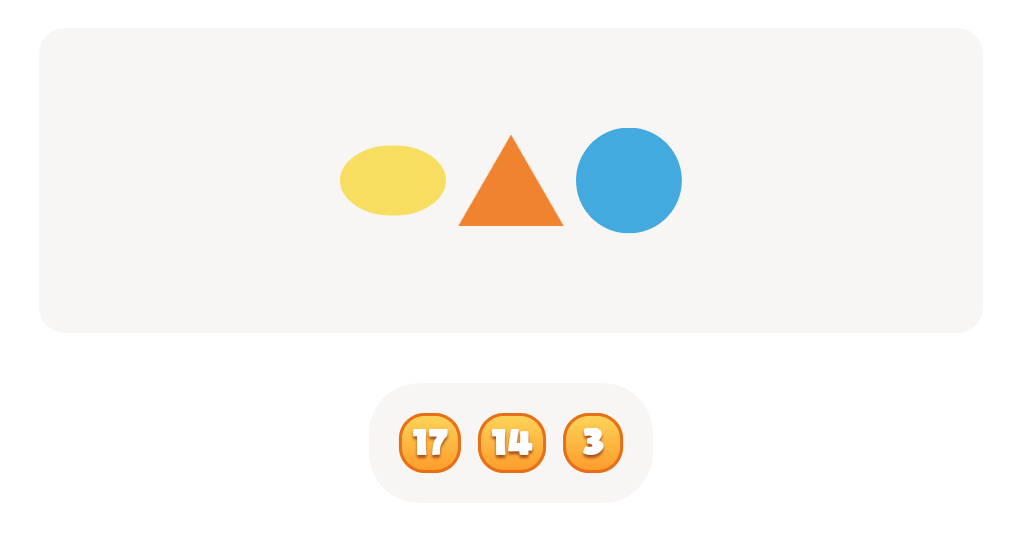


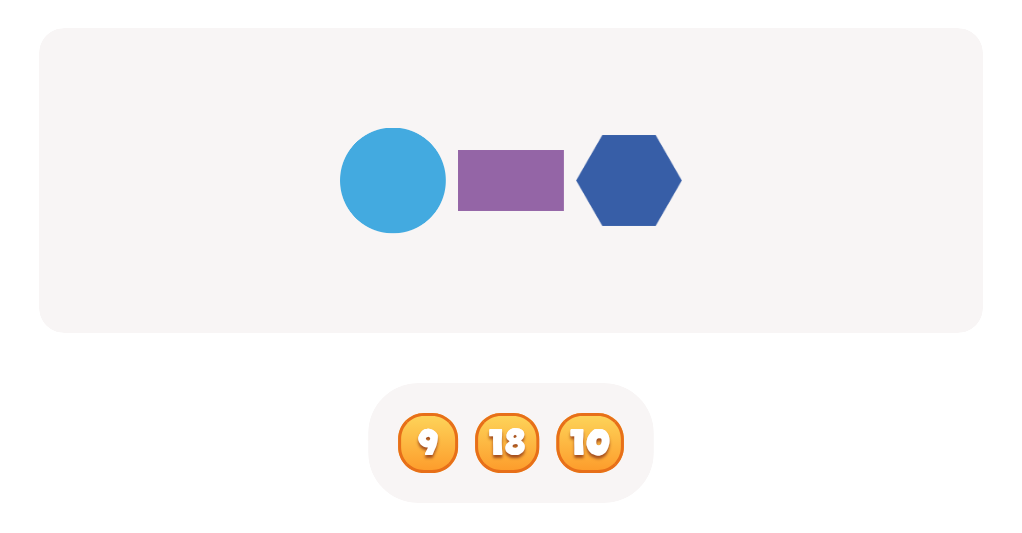

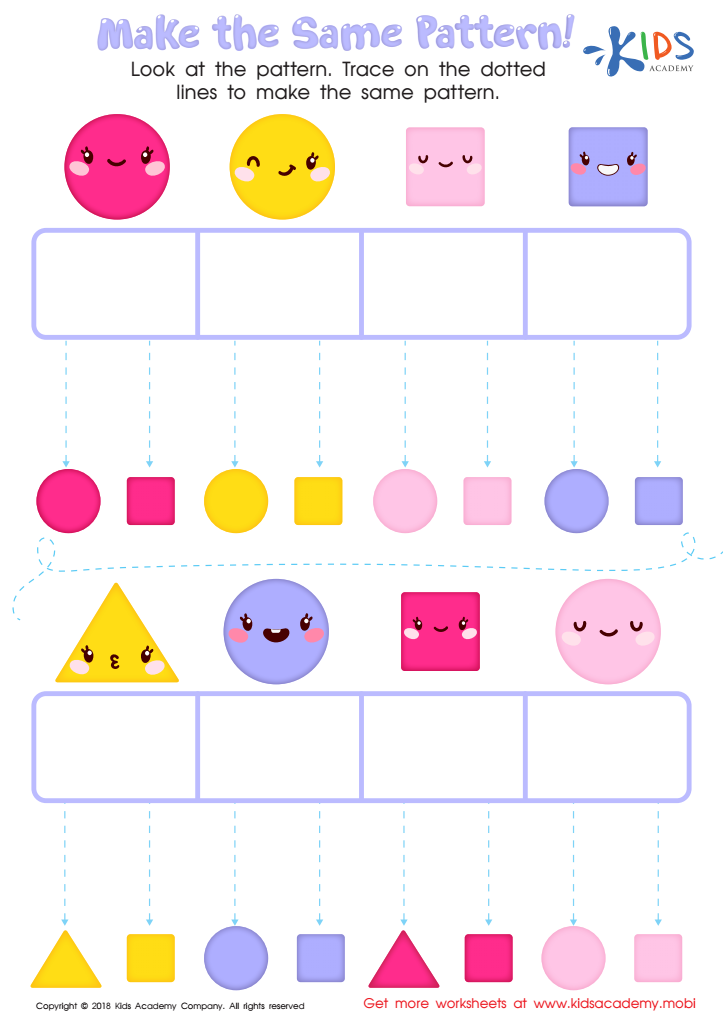
Make the Same Pattern Worksheet
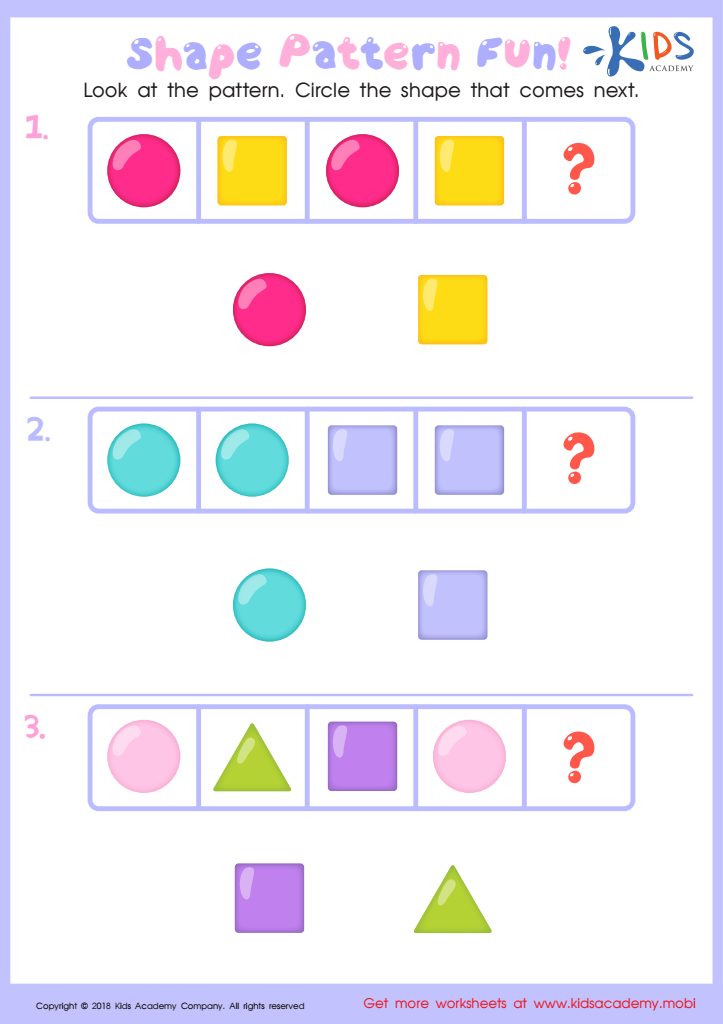
Shape Pattern Fun Worksheet








Pattern recognition and the understanding of normal 2D shapes are crucial for children aged 4-7, as they form the foundation for essential cognitive and academic skills.
Firstly, recognizing patterns enhances critical thinking and problem-solving abilities. Children learn to identify sequences, similarities, and differences, which are key elements of mathematical reasoning. By working with shapes, they develop spatial awareness and visual discrimination, skills that are vital for tasks like reading and writing.
Moreover, shape recognition promotes creativity and encourages artistic expression. Children can explore various shapes through drawing, building, and crafts, fostering their imagination and fine motor skills.
Additionally, these skills support early mathematical concepts such as counting, sorting, and classification. When children recognize geometric shapes, they gain confidence in tackling more complex math problems in later grades.
For parents and teachers, nurturing pattern recognition and shape understanding allows for meaningful engagement with children’s learning processes. It provides opportunities for interactive play and exploration, making learning enjoyable. By establishing a strong foundation in these areas, parents and teachers set children up for future academic success, reinforcing the importance of early childhood education as a key driver for lifelong learning.