Basic Math Skills Normal Comparing Numbers Worksheets for Ages 4-7
5 filtered results
Difficulty Level
Grade
Age
-
From - To
Subject
Activity
Standards
Our engaging "Basic Math Skills Normal Comparing Numbers Worksheets for Ages 4-7" are designed to support early learners in mastering fundamental math concepts. Perfect for young children, these worksheets offer varied exercises that simplify comparing numbers in a fun and interactive way. With adorable illustrations and kid-friendly instructions, children will enjoy learning greater than, less than, and equal to signs. Ideal for parents and teachers, this collection helps build a strong foundation in critical thinking and number sense, making math both accessible and enjoyable for early learners. Enhance your child’s math journey today!
Favorites
With answer key
Interactive
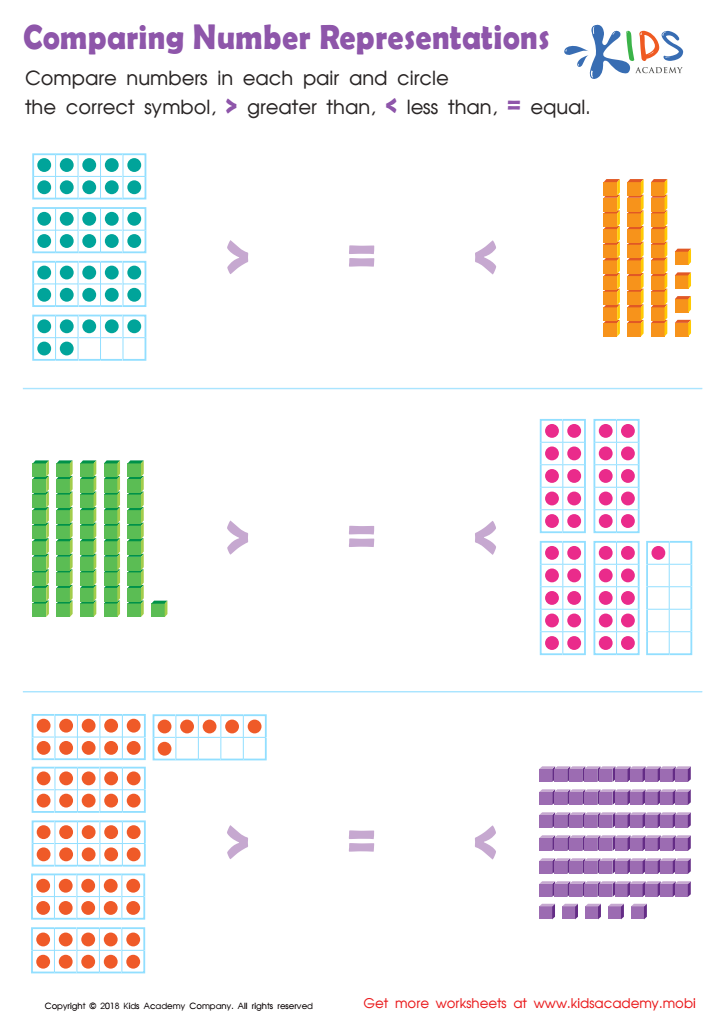
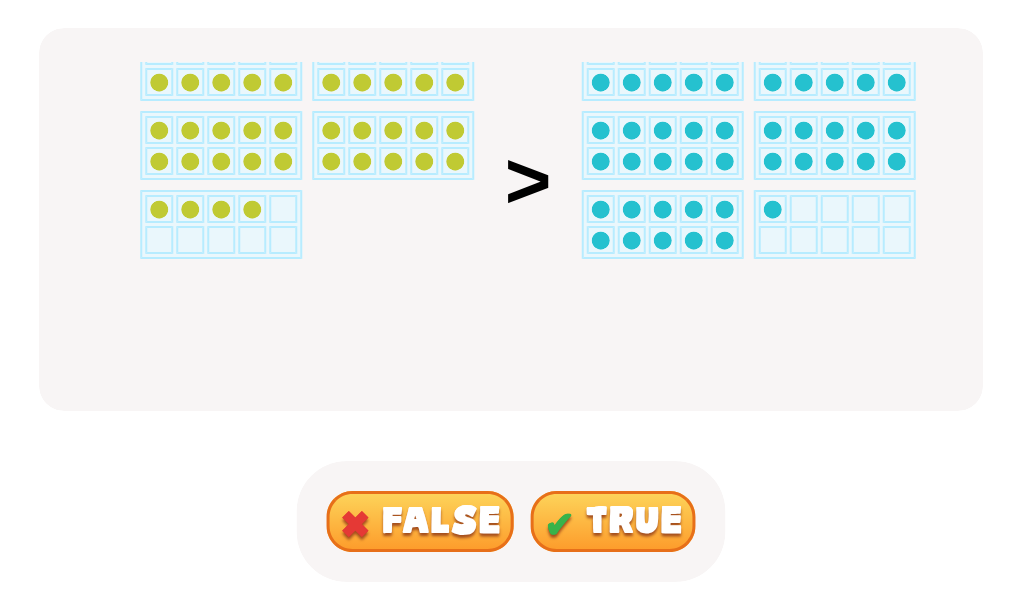
Comparing Number Representations Worksheet
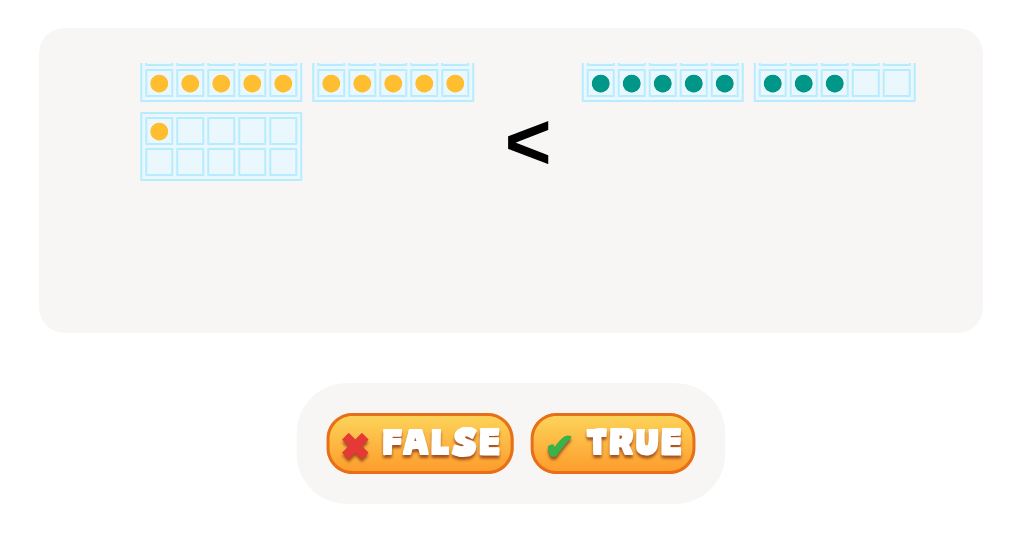
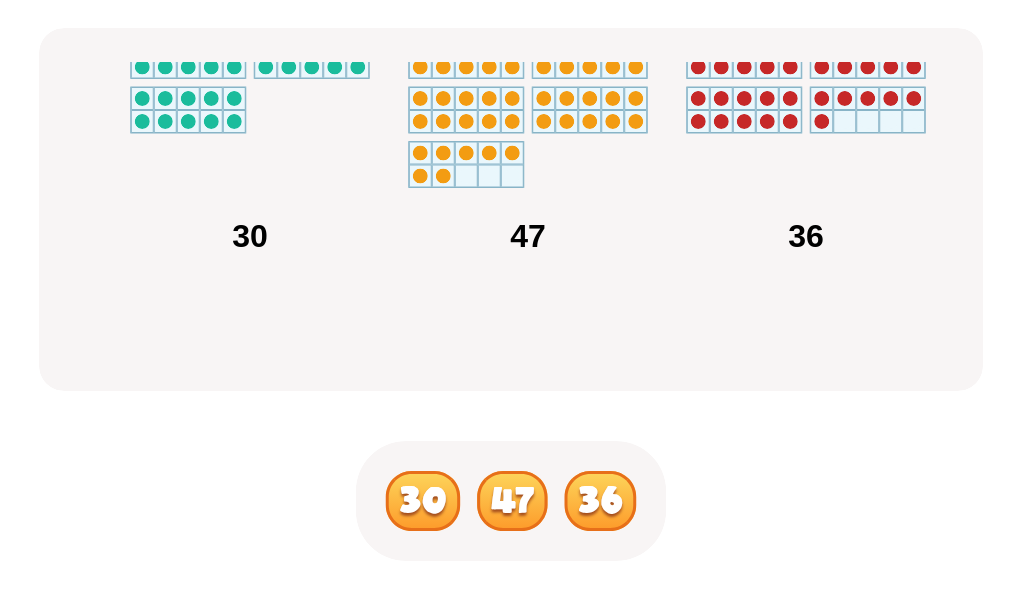
Children need number representation skills to develop efficient computation and number sense. This free worksheet gives them practice with ten frames and place value blocks. They compare numbers and select the right comparative symbol: <, > or =. This helps them build a solid foundation for math.
 Assign to My Students
Comparing Number Representations Worksheet
Worksheet
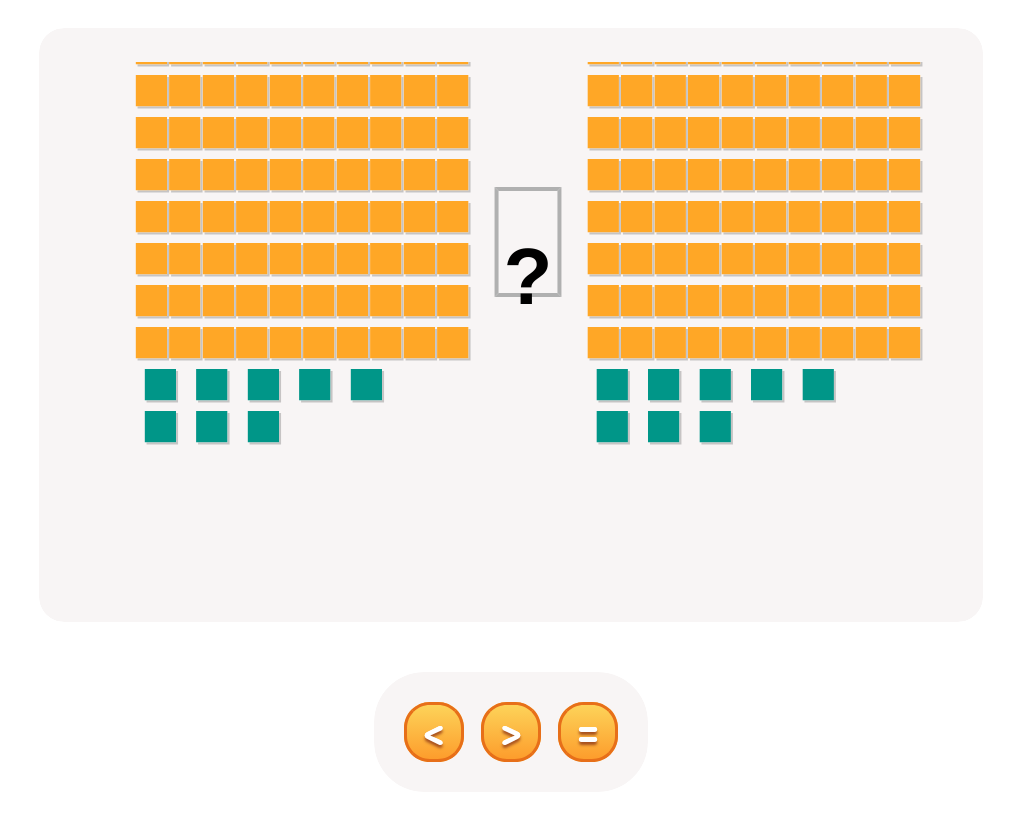

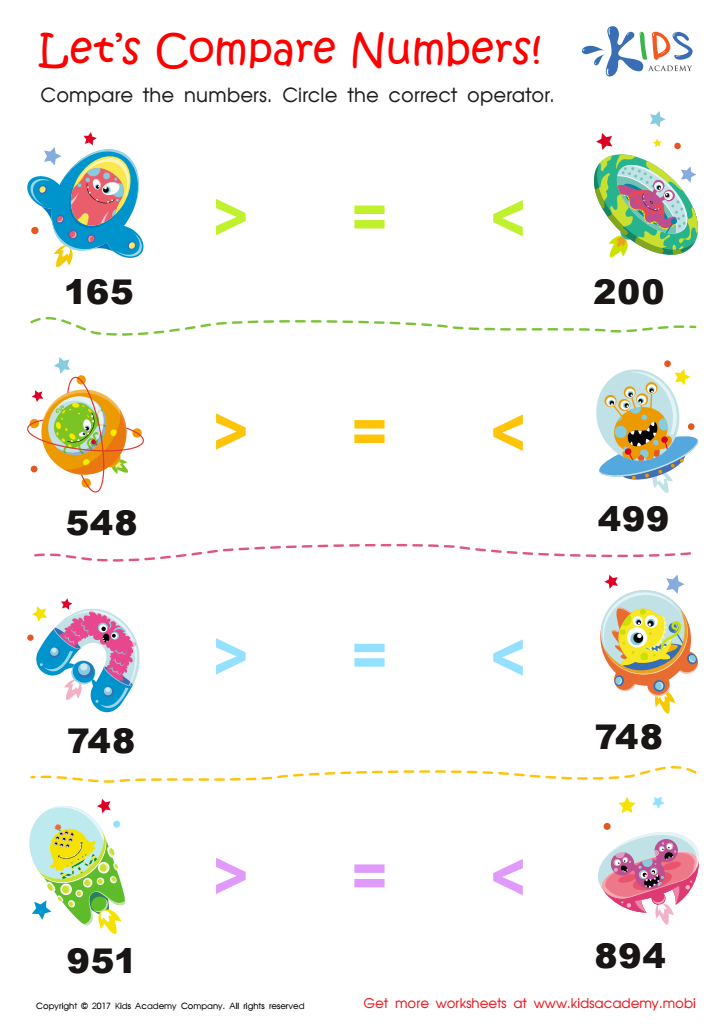
Comparing Numbers Worksheet for 2nd Grade
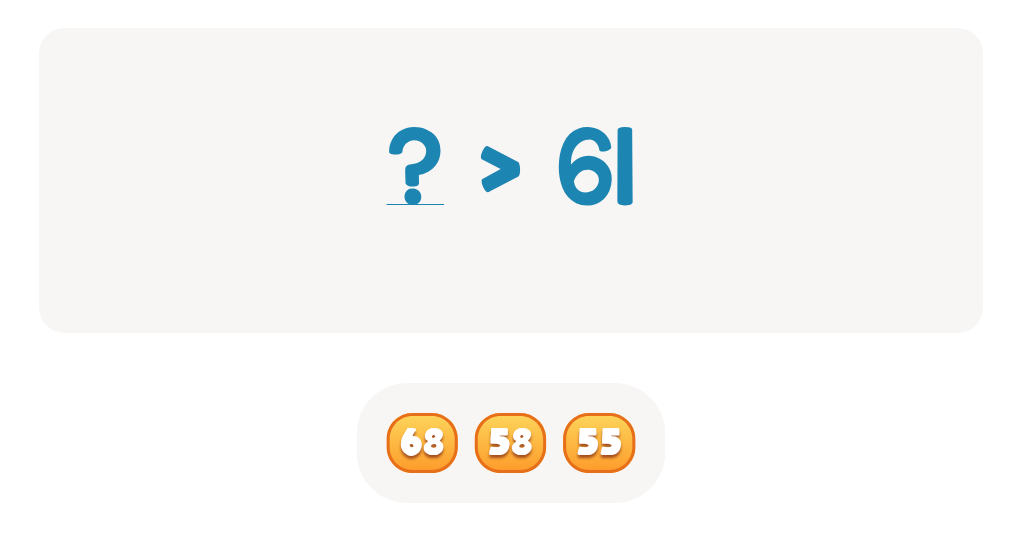
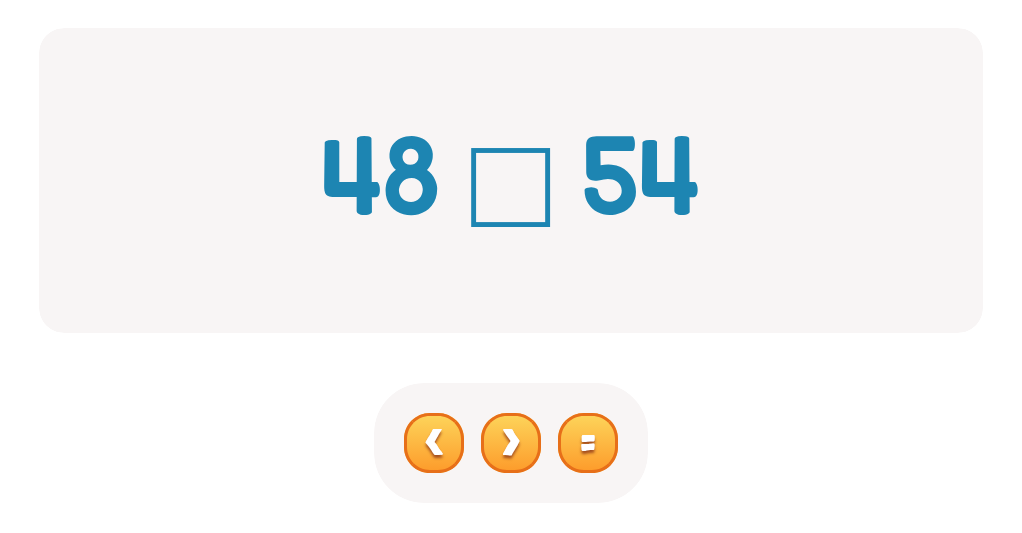
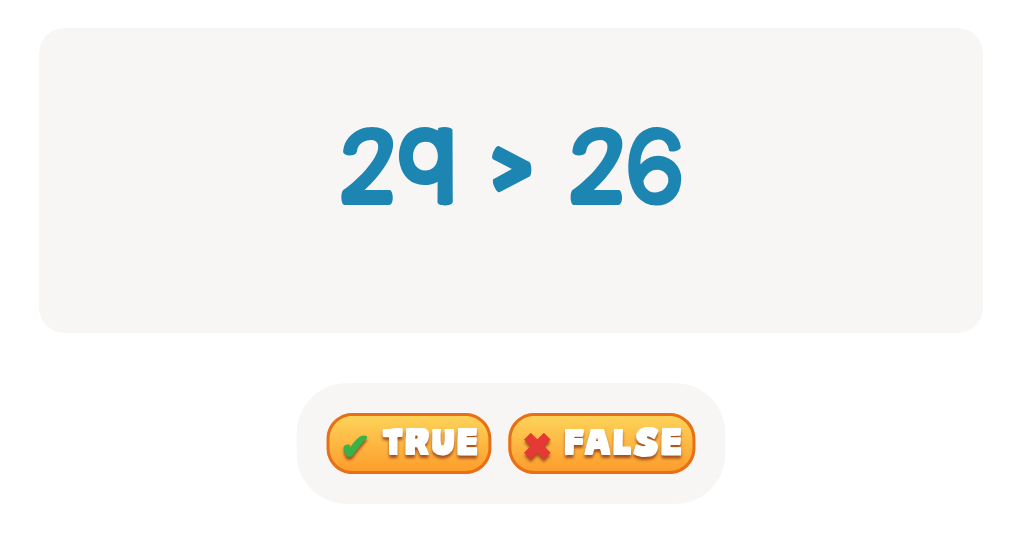
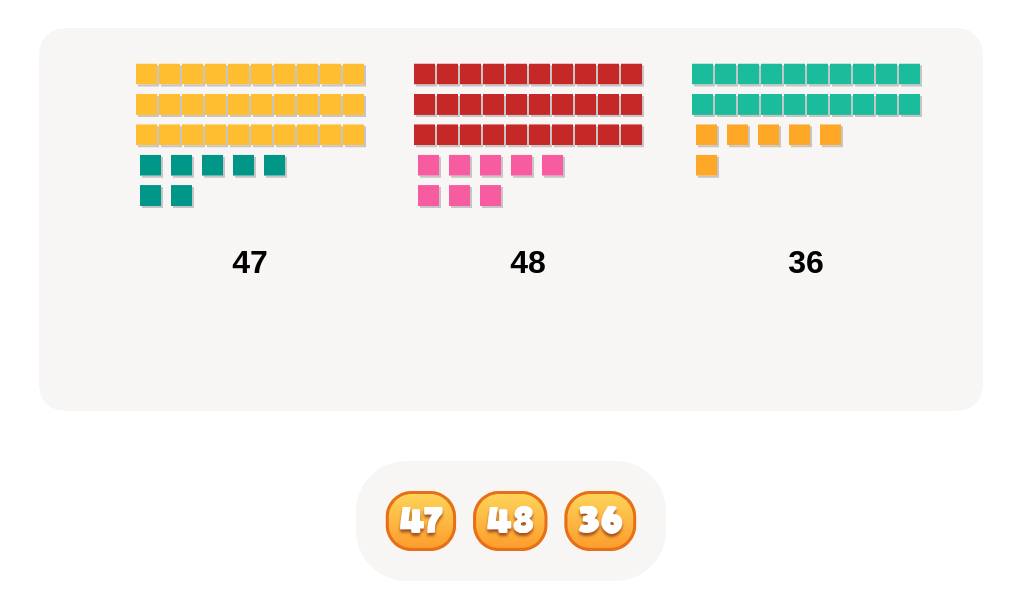
Alien friends are back to help your child learn to compare numbers using >, < and = symbols. This 2nd grade worksheet will challenge them with larger numbers!
Comparing Numbers Worksheet for 2nd Grade
Worksheet
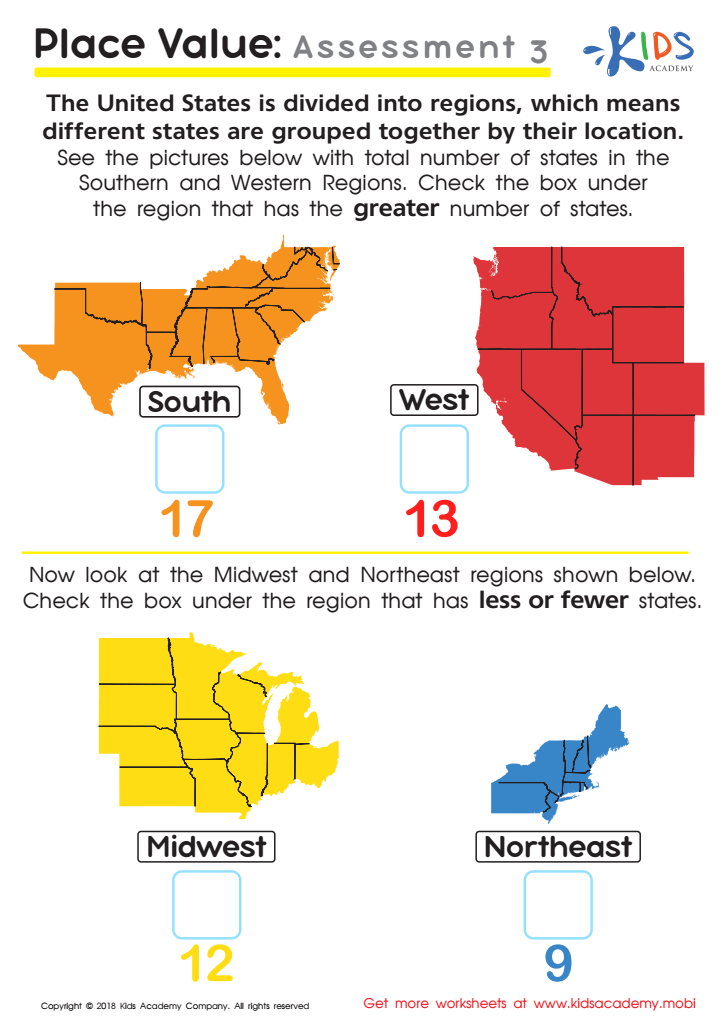
Place Value: Assessment 3 Worksheet
Test your child's math skills without them realizing it! This fun worksheet looks at the states and regions of the U.S. and your child can compare numbers greater or lesser than the other. It's the perfect way to assess your child's number sense without them knowing.
Place Value: Assessment 3 Worksheet
Worksheet
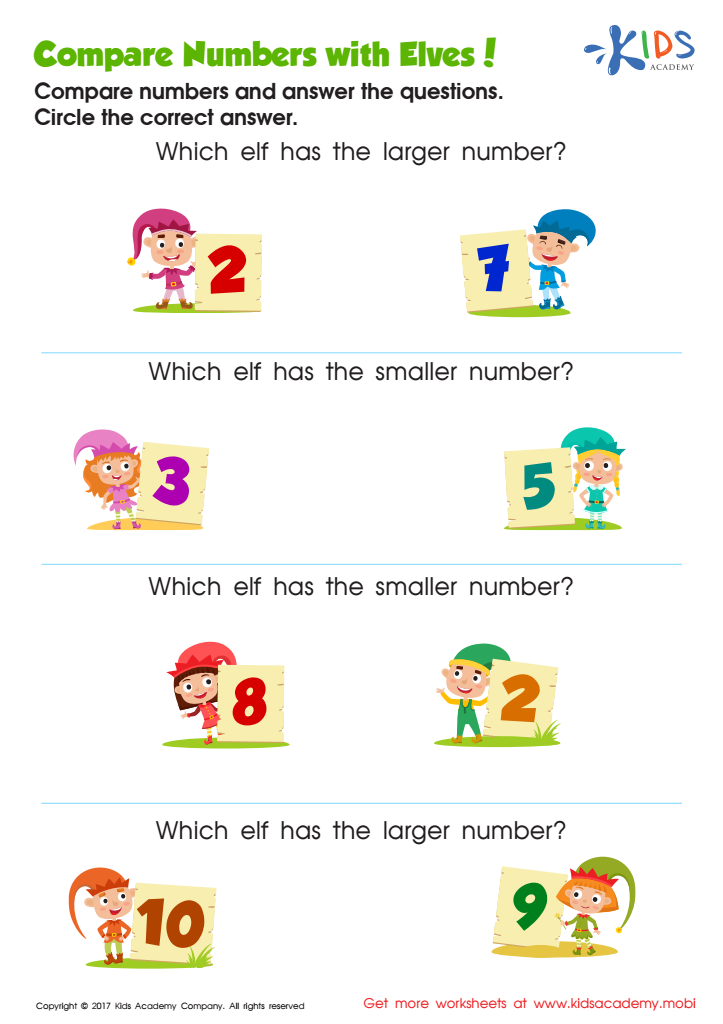
Comparing Numbers Worksheet for Kindergarten
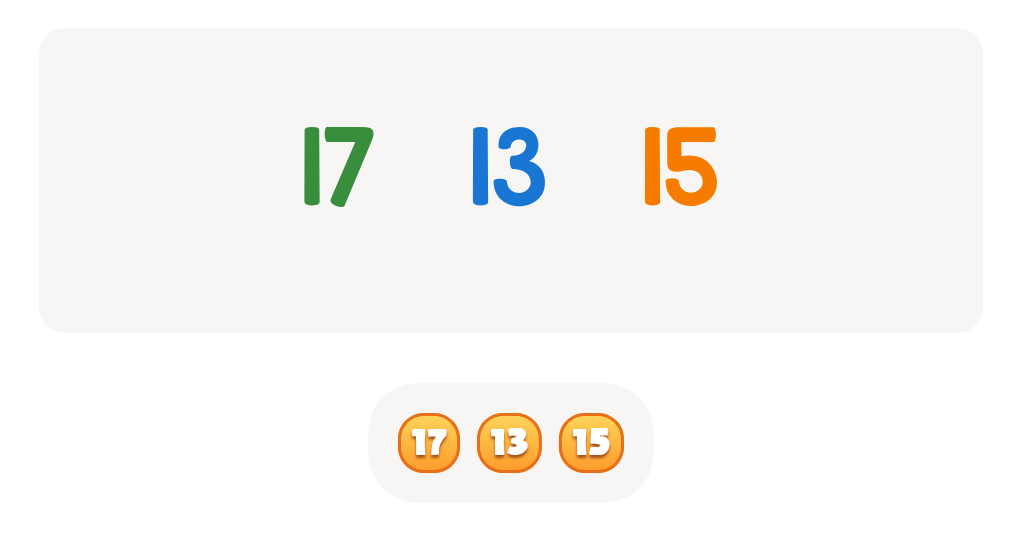
Your child will love helping Santa's elves compare numbers with this fun worksheet for kindergarten! They must determine which number is bigger or smaller then circle the answer. It's a great activity for Christmas or any time!
Comparing Numbers Worksheet for Kindergarten
Worksheet
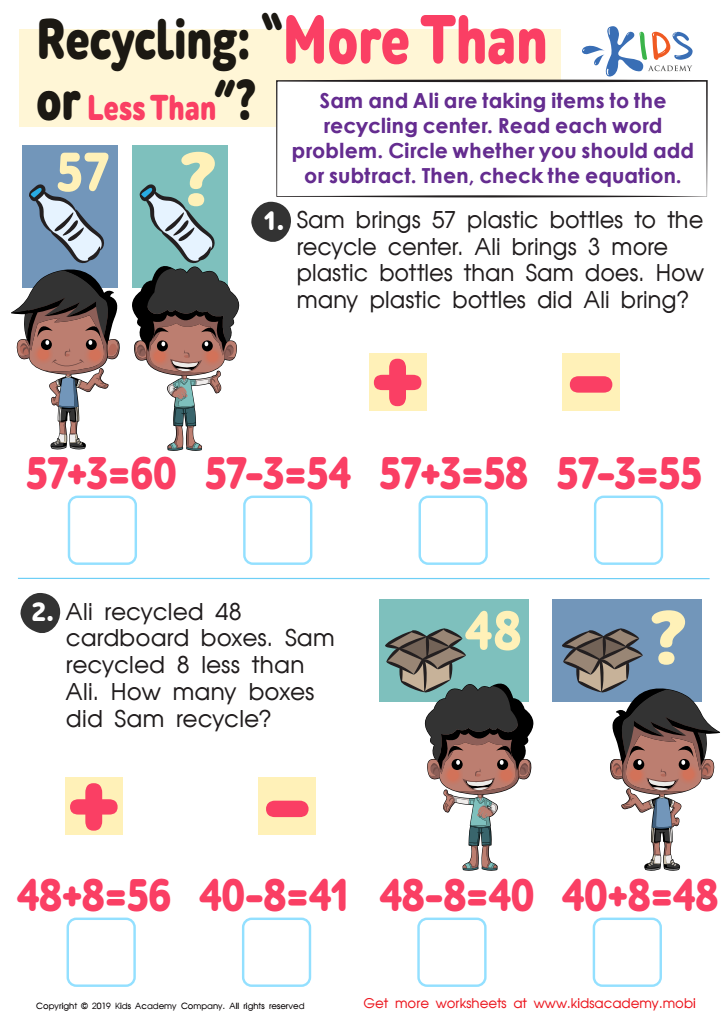
Recycling - More or Less Worksheet
Your child can compare numbers and solve word problems with this free worksheet. Help them understand what's being asked as Sam and Ali take items to the recycling center. They can choose the correct equation to match the word problem and apply their skills in reading and pulling out the appropriate information.
Recycling - More or Less Worksheet
Worksheet
Join Kids Academy for Free
Who is primarily going to use this learning content?




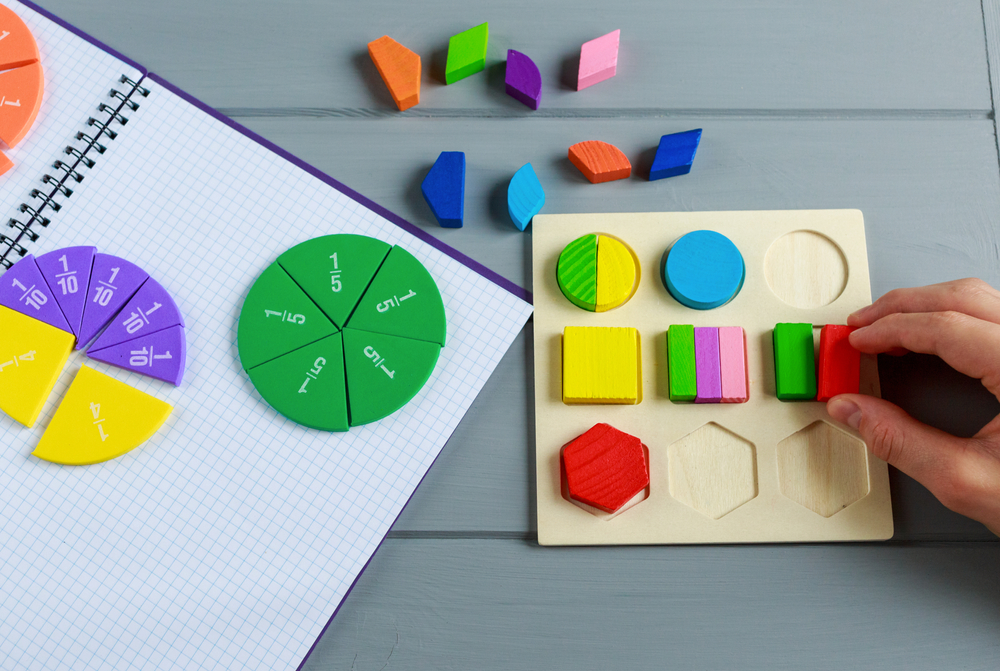



Parents and teachers should emphasize basic math skills, particularly the ability to compare numbers, for children aged 4-7 because it lays a critical foundation for future mathematical understanding. At this age, children are beginning to grasp the concept of quantities and numerical relationships. By learning to differentiate and compare numbers, they can better understand more complex math concepts such as addition, subtraction, and number sequencing in later years.
This skill also enhances cognitive development, as comparing numbers involves critical thinking, pattern recognition, and problem-solving abilities. Being proficient in these areas can boost a child's confidence in their academic capabilities and establish a positive attitude towards learning mathematics.
Moreover, early math skills are linked to better academic performance in other subjects. Studies indicate that children with strong math abilities in their early years often excel in reading and writing too, as these skills mutually reinforce each other.
From a practical perspective, understanding basic math helps children navigate everyday tasks. Recognizing that 7 apples are fewer than 10 apples or that a group of 5 candies shared between friends means some may have fewer introduces them to fairness and sharing concepts, all of which are fundamental social skills.
Therefore, dedicating attention to developing basic math skills like comparing numbers will equip children with essential tools for academic excellence and everyday decision-making.