Counting practice Normal Math Worksheets for Ages 4-7 - Page 2
27 filtered results
-
From - To
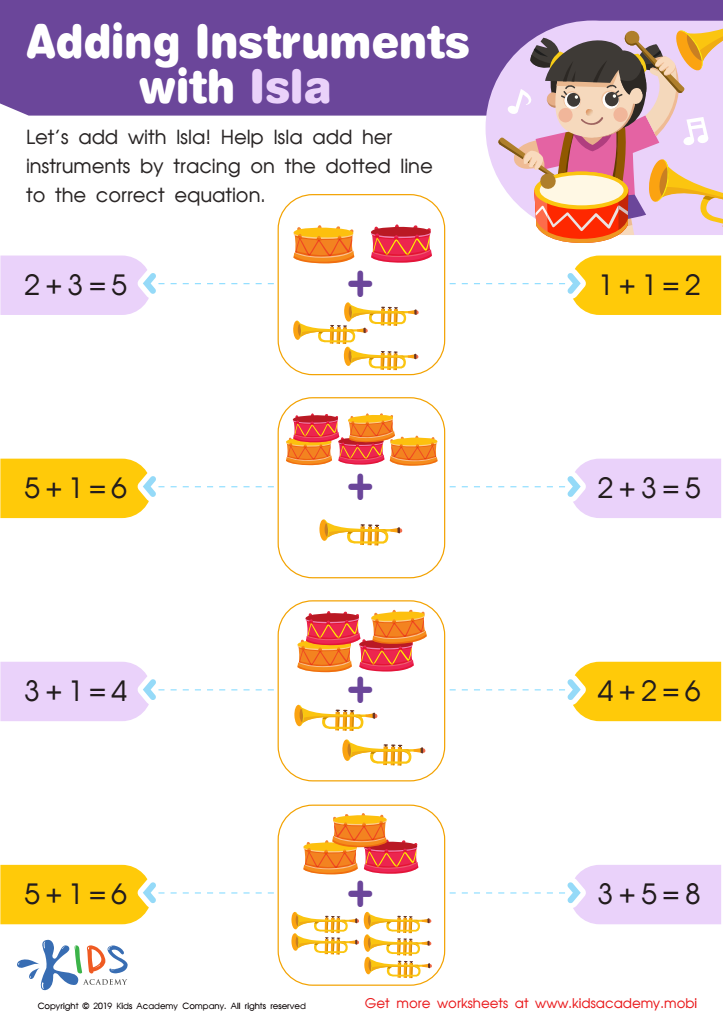
Adding Instruments with Isla Worksheet
 Assign to My Students
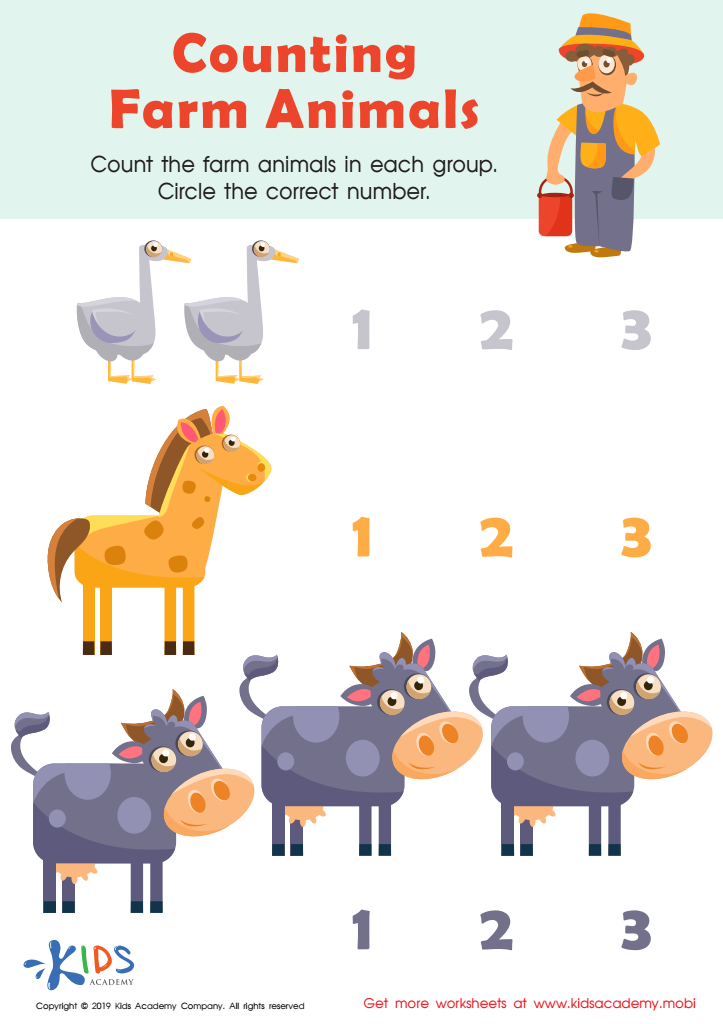
Counting Farm Animals Worksheet
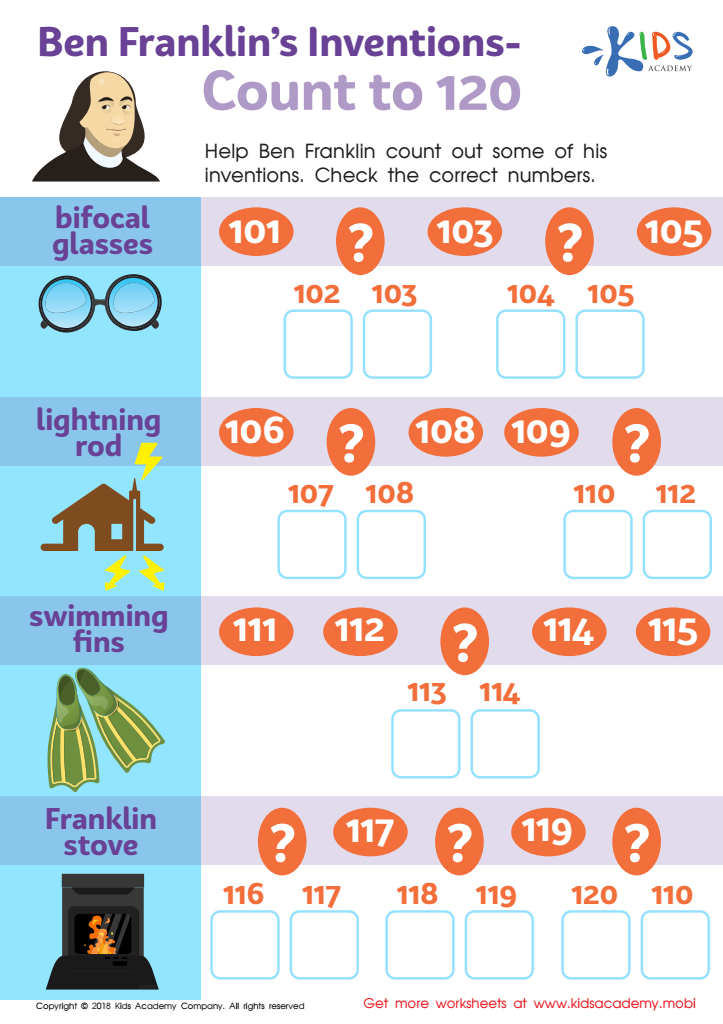
Ben Franklin’s Inventions – Count to 120 Worksheet




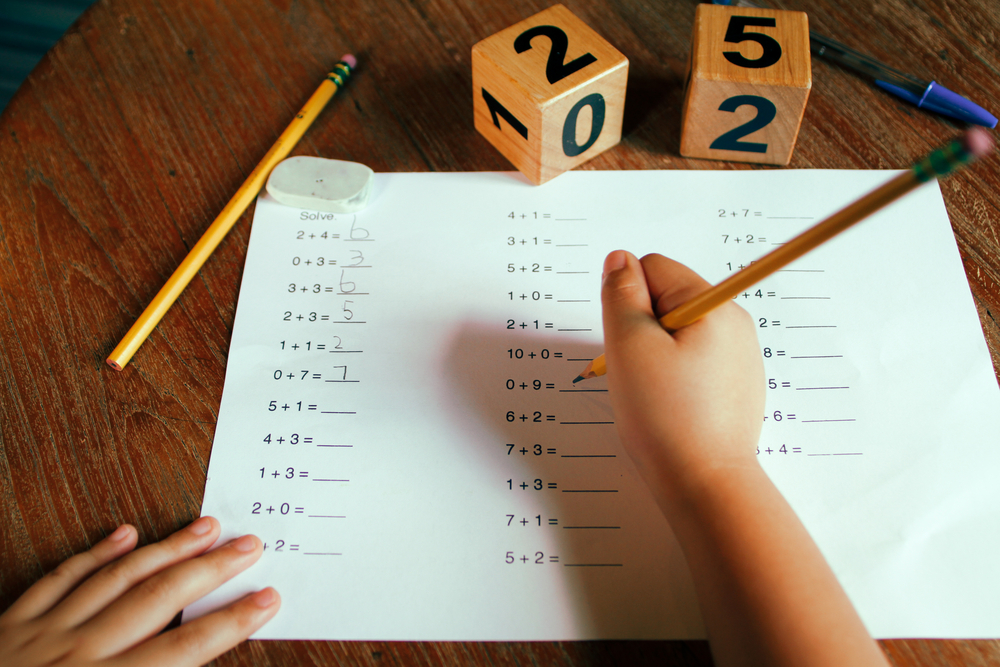

%20(1).jpg)

Counting practice is a crucial foundation for young learners aged 4 to 7, laying the groundwork for their future mathematical understanding. Parents and teachers should prioritize this practice because it enhances cognitive development and promotes essential skills in problem-solving and critical thinking. At this age, children are naturally curious, and engaging them in counting activities nurtures their love for learning and curiosity about numbers.
Counting not only helps children learn the names of numbers but also enables them to recognize relationships between quantities. This enhances skills such as one-to-one correspondence, understanding more or less, and basic addition and subtraction. Establishing these skills early on supports later proficiency in mathematics, creating a smoother transition into more complex concepts in years to come.
Moreover, counting can be incorporated into everyday activities, making it both a fun and practical experience. Parents and teachers can use simple objects like toys, snacks, or even nature items to turn counting into an enjoyable game. By fostering positive associations with mathematics from a young age, educators and caregivers set children on a path to success and confidence in their mathematical abilities, ultimately impacting their overall academic achievement.








