Enhancing critical thinking Normal Math Worksheets for Ages 4-7
5 filtered results
-
From - To
Unlock your child's potential with our "Enhancing Critical Thinking Normal Math Worksheets" designed specifically for ages 4-7! These engaging worksheets help young learners develop essential problem-solving skills through fun and interactive math exercises. Each activity promotes critical thinking by encouraging kids to explore relationships, identify patterns, and reason through various scenarios. Our carefully crafted content aligns with early learning standards, making it an ideal resource for both parents and educators. Watch as your child gains confidence and proficiency in math while enjoying the learning process. Join us today in fostering a love for learning and critical thinking skills that will last a lifetime!
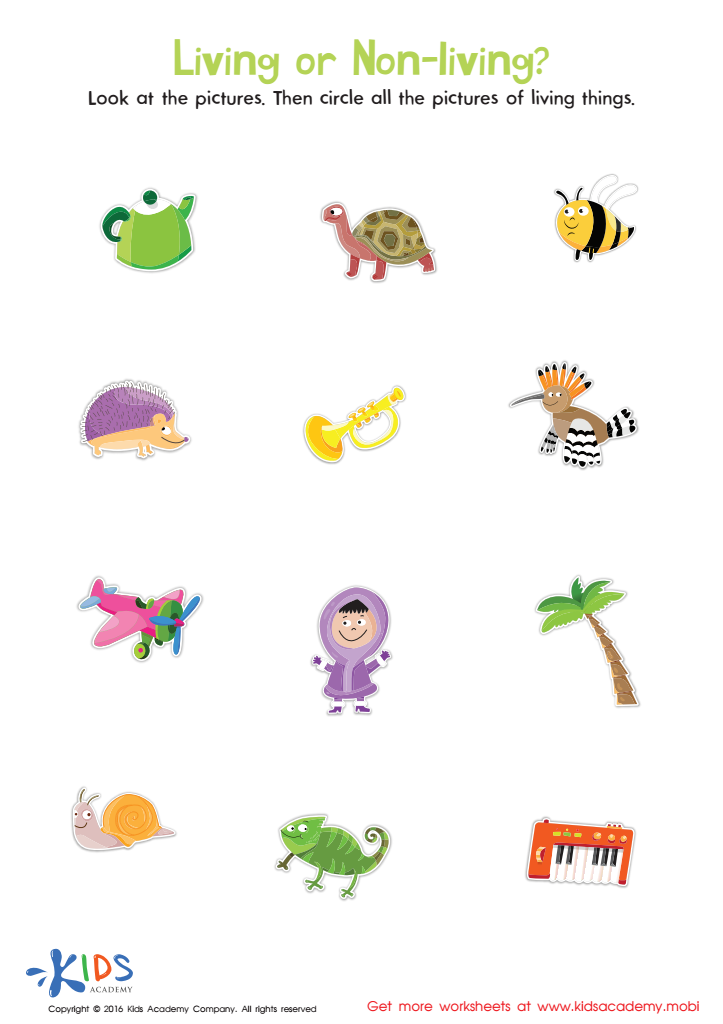
Identifying Living and Non–living Things Sorting Worksheet
 Assign to My Students
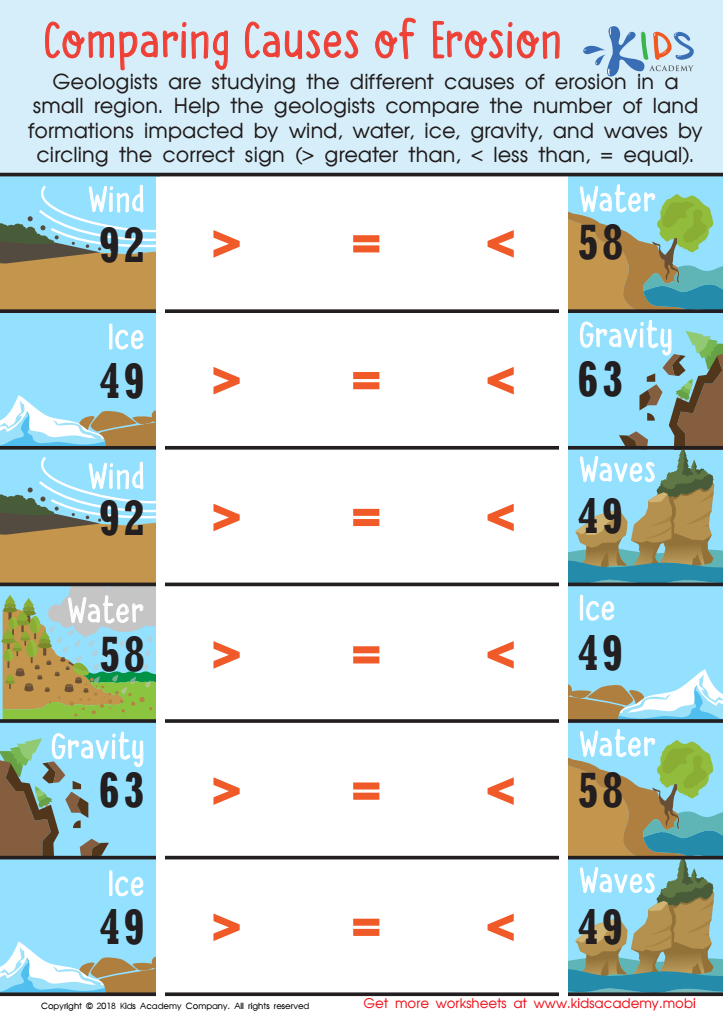
Comparing Causes of Erosion Worksheet
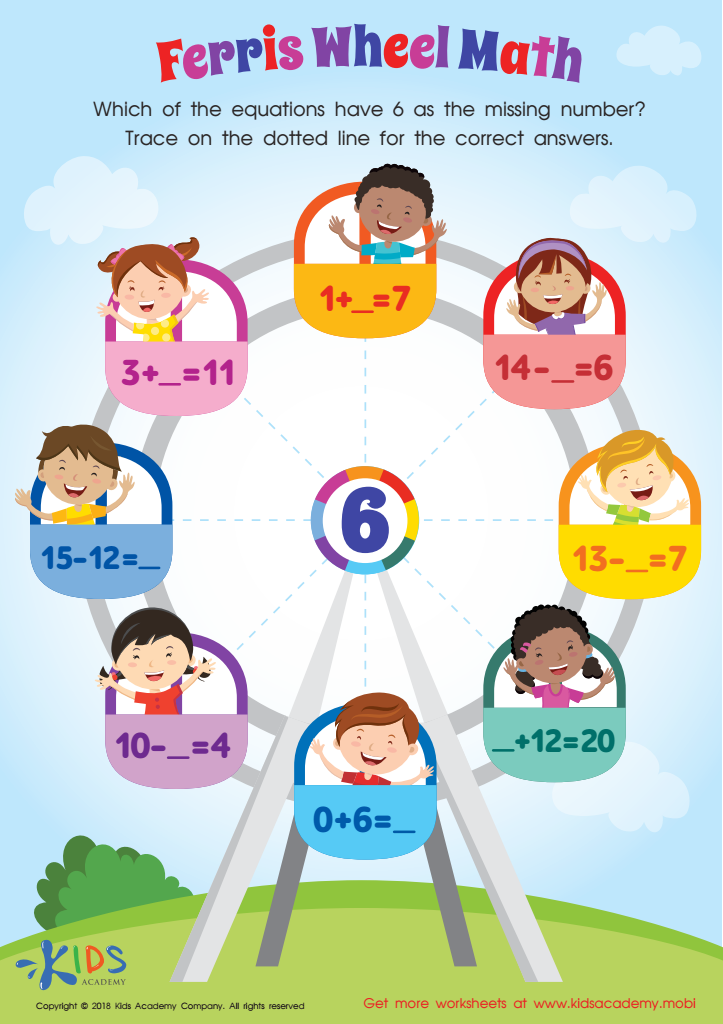
Missing Number: Ferris Wheel Math Worksheet
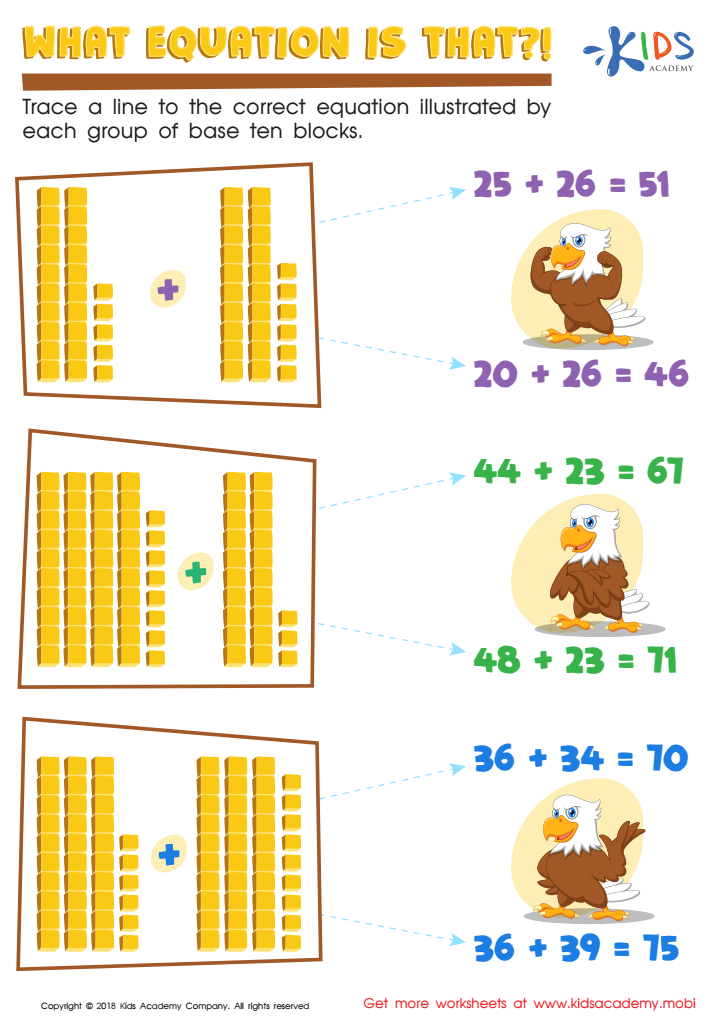
What Equation Is That? Worksheet
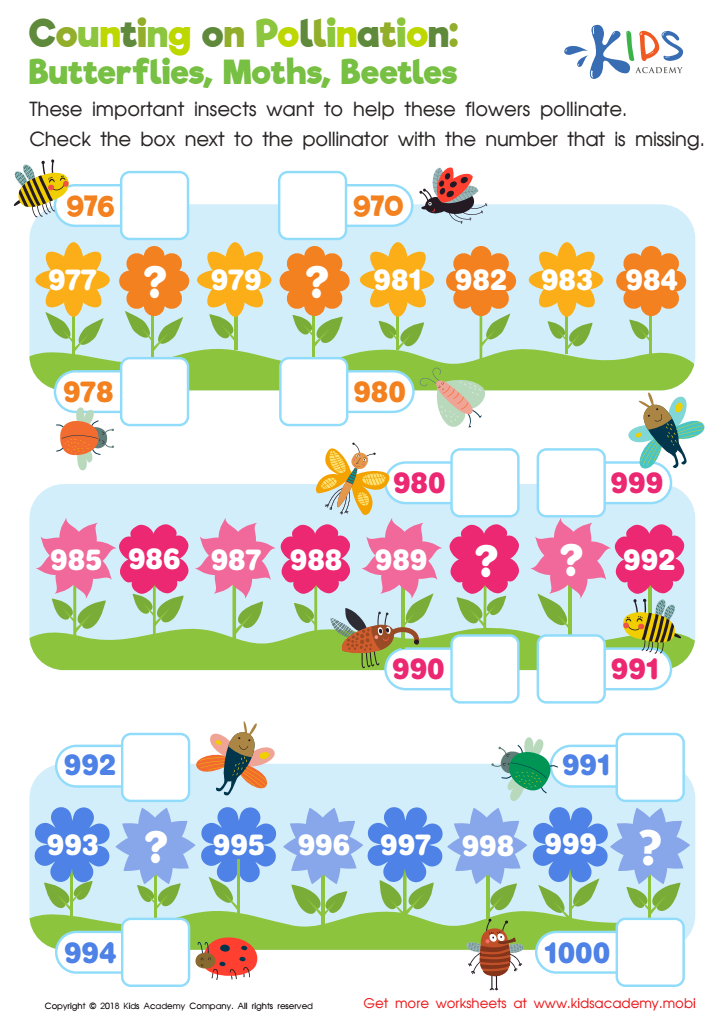
Counting on Pollination: Butterflies, Moths, Beetles Worksheet








Enhancing critical thinking in young learners, specifically through Normal Math for ages 4-7, is essential for several reasons. Firstly, this developmental stage is crucial for establishing foundational cognitive skills. Engaging with math concepts that foster critical thinking encourages children to analyze, question, and solve problems, laying the groundwork for more complex mathematical understanding later on.
Moreover, critical thinking in math helps children learn to approach problems with creativity and logic. It nurtures their ability to assess situations, recognize patterns, and make informed decisions—skills that extend beyond academia into everyday life. As parents and teachers guide children through activities that require observation and reasoning, they cultivate perseverance in the face of challenges.
Additionally, supporting critical thinking offers social-emotional benefits. Children develop confidence as they learn to express their reasoning and explain their thought processes to peers, fostering effective communication skills and collaborative learning opportunities.
Ultimately, enhancing critical thinking in young students prepares them for an increasingly complex world, equipping them with the necessary tools for lifelong learning and adaptability. By prioritizing such educational practices, parents and teachers play a pivotal role in shaping thoughtful, innovative future problem-solvers.








