Enhancing observation skills Normal Math Worksheets for Ages 4-7
5 filtered results
-
From - To
Enhance your child's observation skills with our engaging Normal Math Worksheets designed for ages 4-7. These worksheets incorporate fun activities that encourage young learners to explore patterns, shapes, and spatial awareness. By engaging with interactive tasks, children develop essential analytical skills, fostering a strong mathematical foundation. Our resources are tailored to meet the developmental needs of early learners, making math enjoyable and effective. With bright visuals and age-appropriate challenges, your child will build confidence and curiosity in their learning journey. Explore our collection now to spark a love for math and observation skills in your little one!
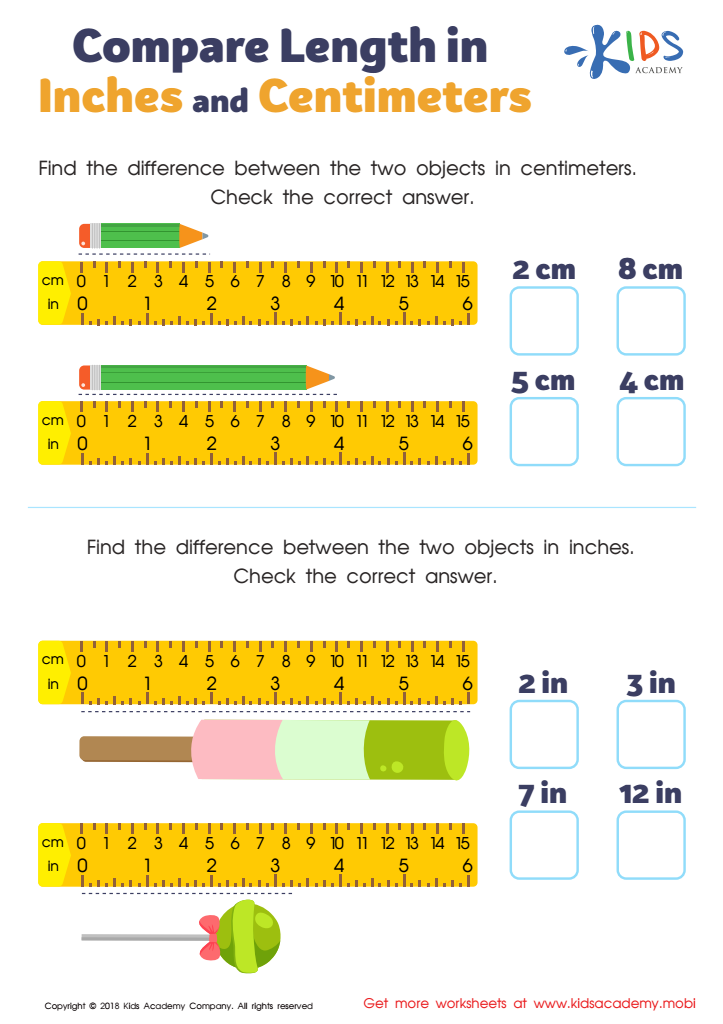
Compare Length in Inches and Centimeters Worksheet
 Assign to My Students
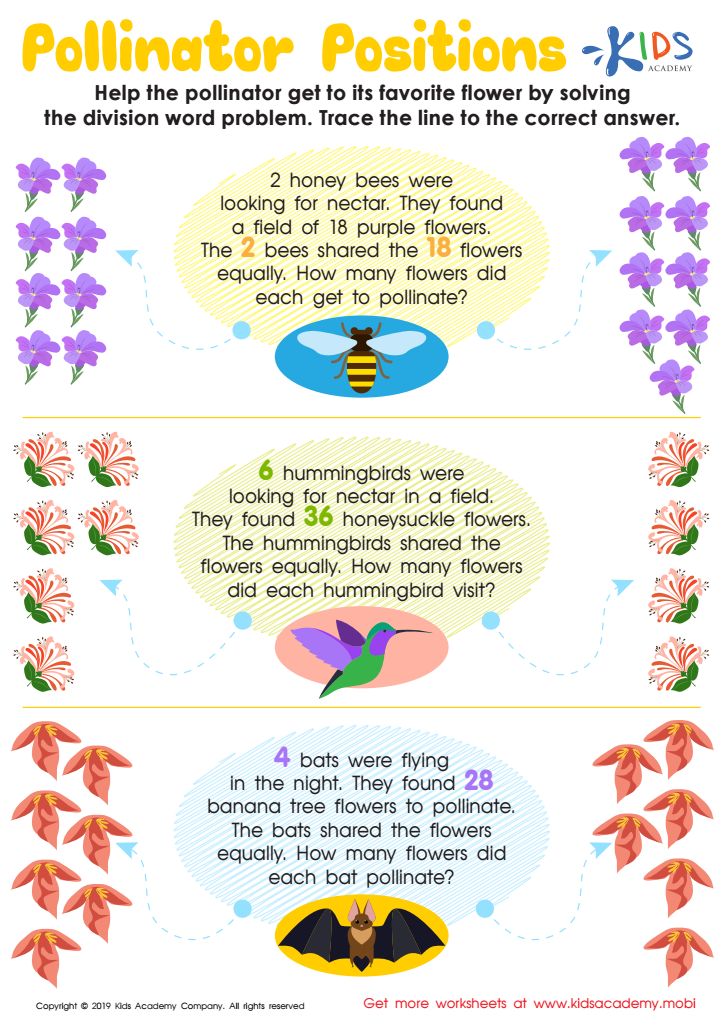
Pollinator Positions Worksheet
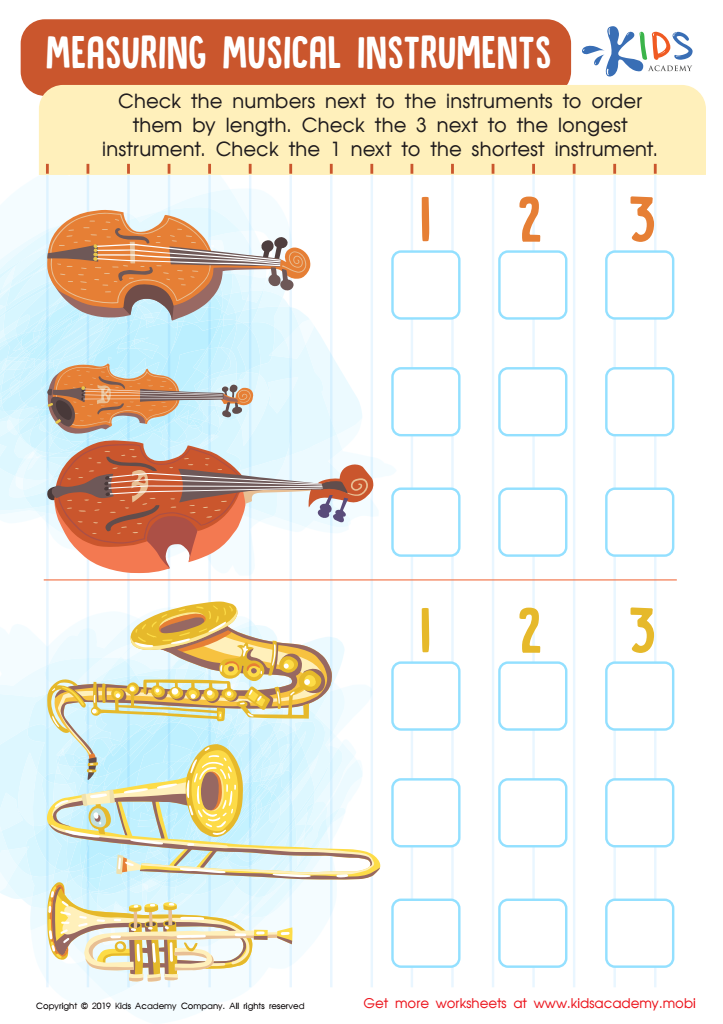
Measuring Musical Instruments Worksheet
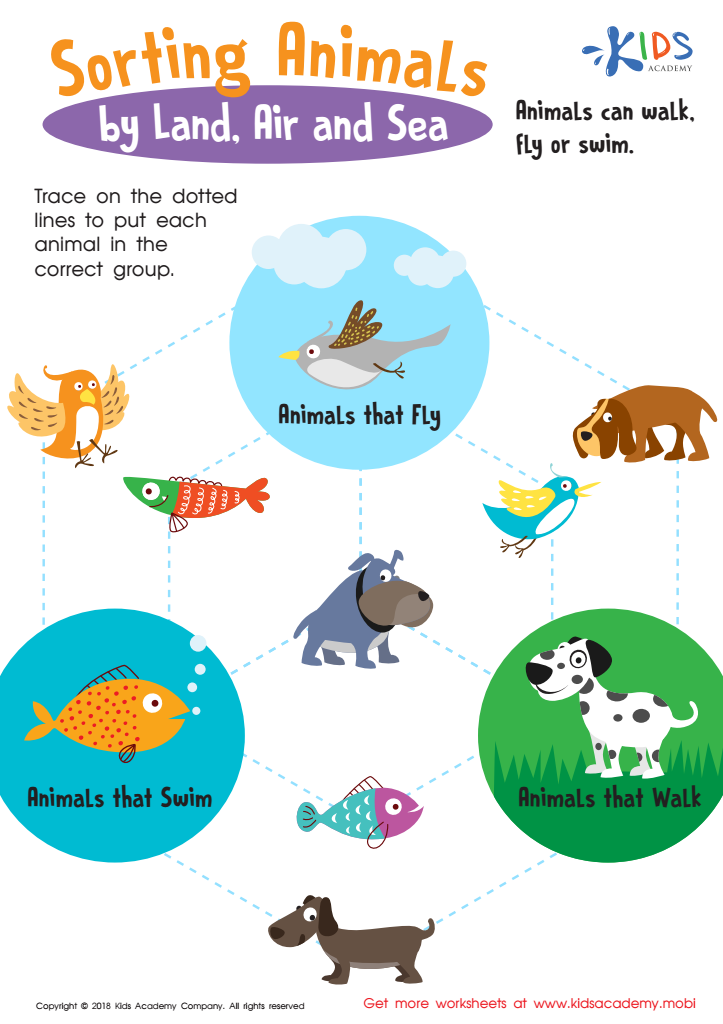
Sorting Animals by Land, Air and Sea Worksheet
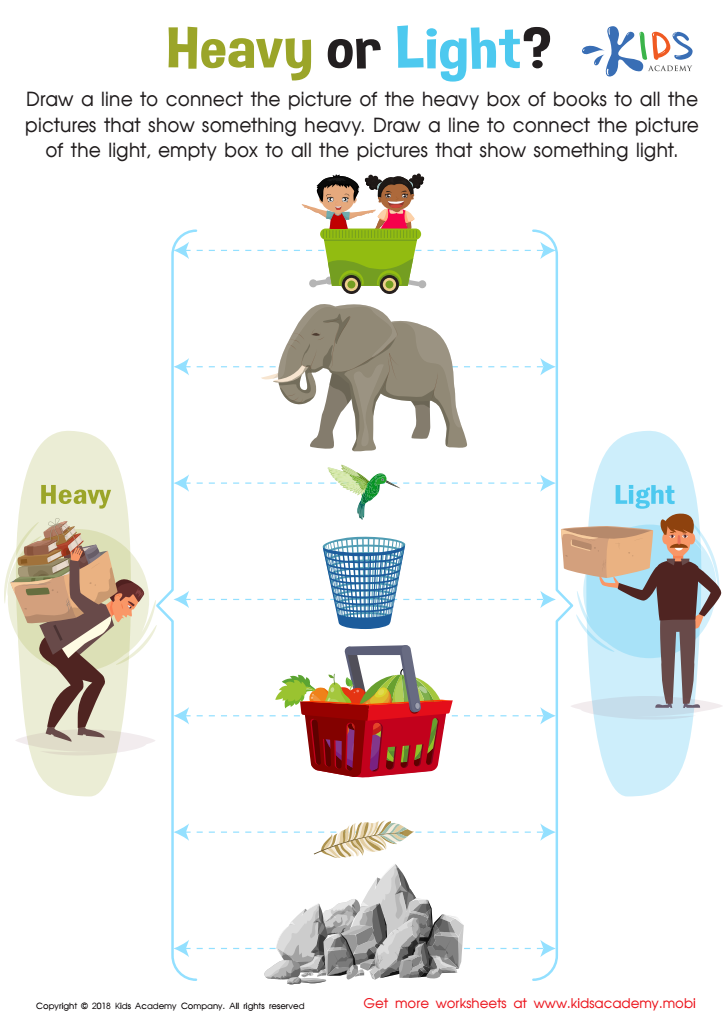
Heavy or Light? Worksheet



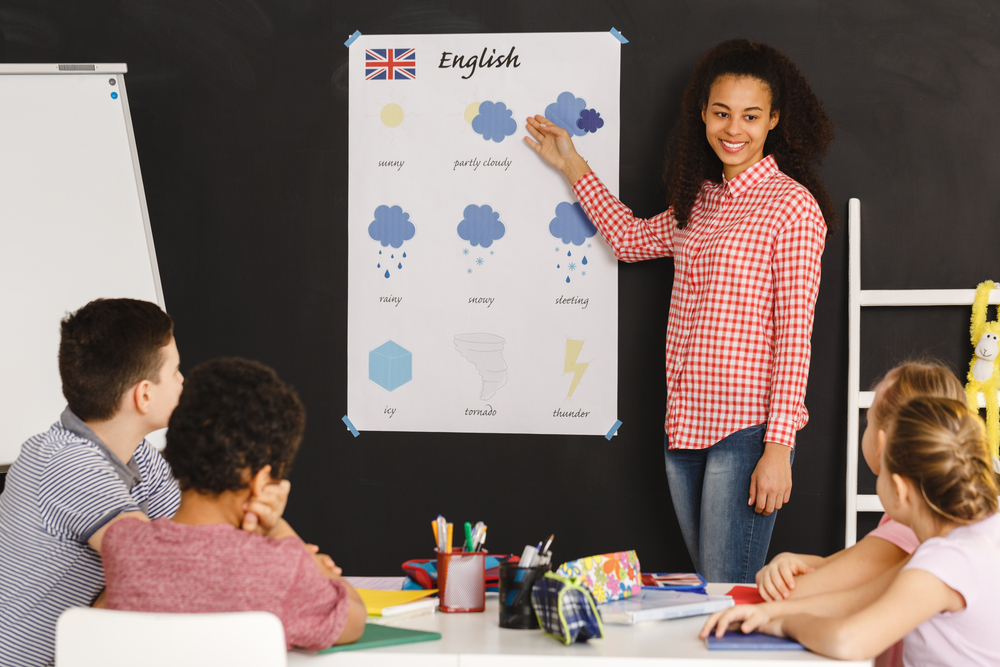




Enhancing observation skills in young children, particularly in relation to mathematics, is crucial for their overall cognitive development. For ages 4-7, children are naturally curious and eager to explore their environments. By developing strong observation skills, children learn to notice patterns, shapes, and relationships, which are foundational concepts in mathematics. Parents and teachers play key roles in cultivating these skills through intentional activities and discussions.
When children engage in observational tasks, such as sorting objects or identifying shapes in their surroundings, they not only practice mathematical concepts but also enhance critical thinking. These skills support not just math learning, but are applicable across all subjects, fostering a more holistic approach to education.
Furthermore, early math competency is linked to future academic success. By focusing on observation skills, parents and teachers can instill confidence in children, encouraging them to approach problem-solving with curiosity and creativity. The early years are highly formative so prioritizing observational training will significantly influence a child’s attitude toward learning. In this way, emphasizing enhancement of observation in early math education lays the groundwork for lifelong learning habits and prepares children for more complex mathematical concepts later on.








