Improving counting skills Normal Math Worksheets for Ages 4-7
3 filtered results
-
From - To
Welcome to our collection of Normal Math Worksheets designed to enhance counting skills in children aged 4-7. These engaging and age-appropriate worksheets encourage young learners to practice essential counting techniques while having fun. Featuring a variety of interactive activities such as number tracing, counting objects, and simple addition, our focused exercises foster confidence and competence in early math skills. Ideal for home or classroom use, these worksheets provide a solid foundation for future math concepts. Join us in nurturing your child's love for learning through our carefully curated resources, ensuring they build essential skills at their own pace. Start counting today!
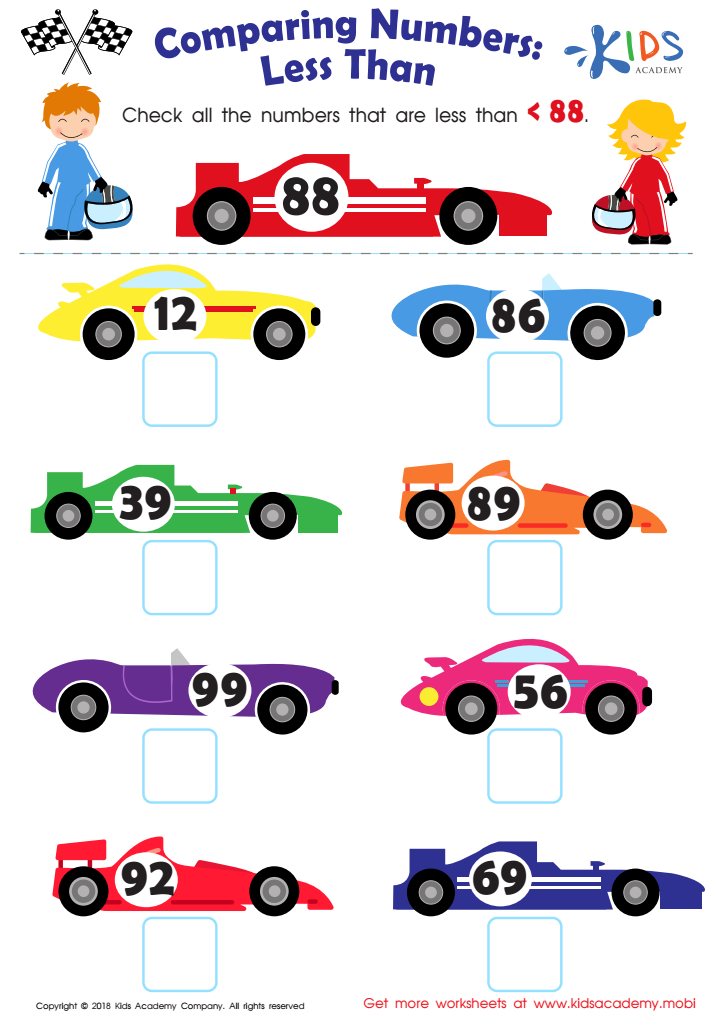
Less Than Worksheet
 Assign to My Students
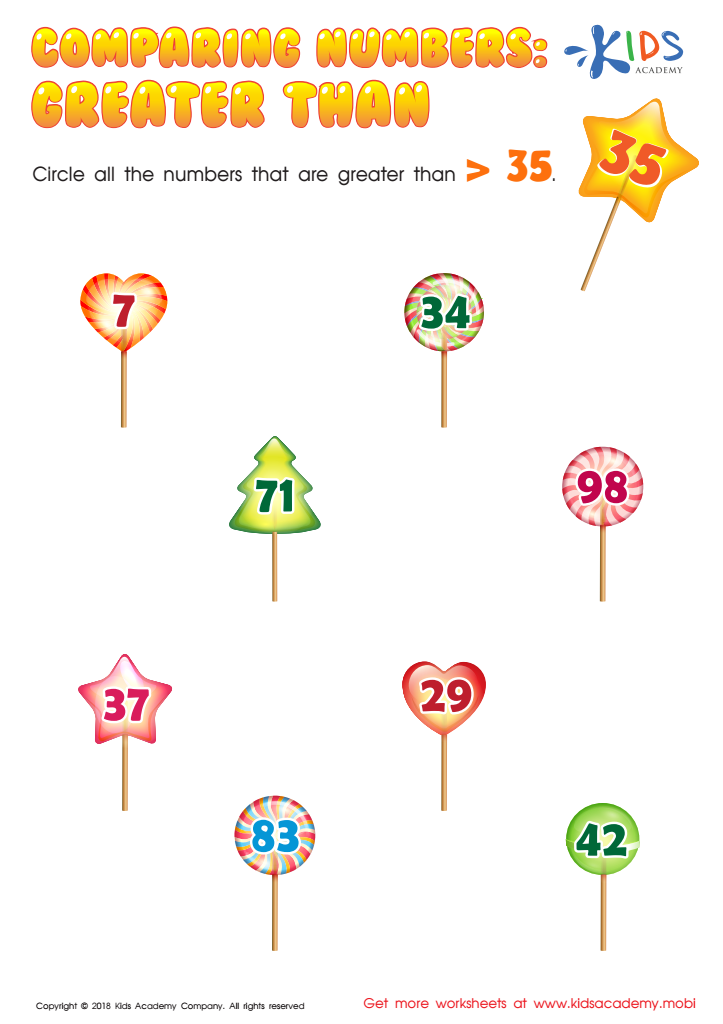
Greater Than Worksheet
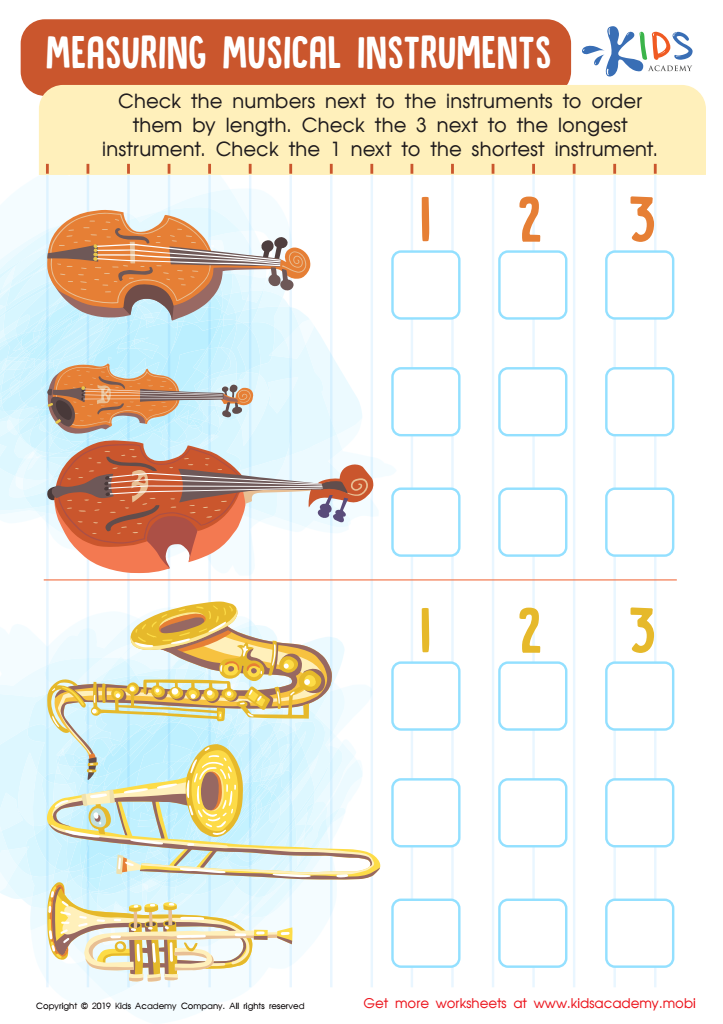
Measuring Musical Instruments Worksheet




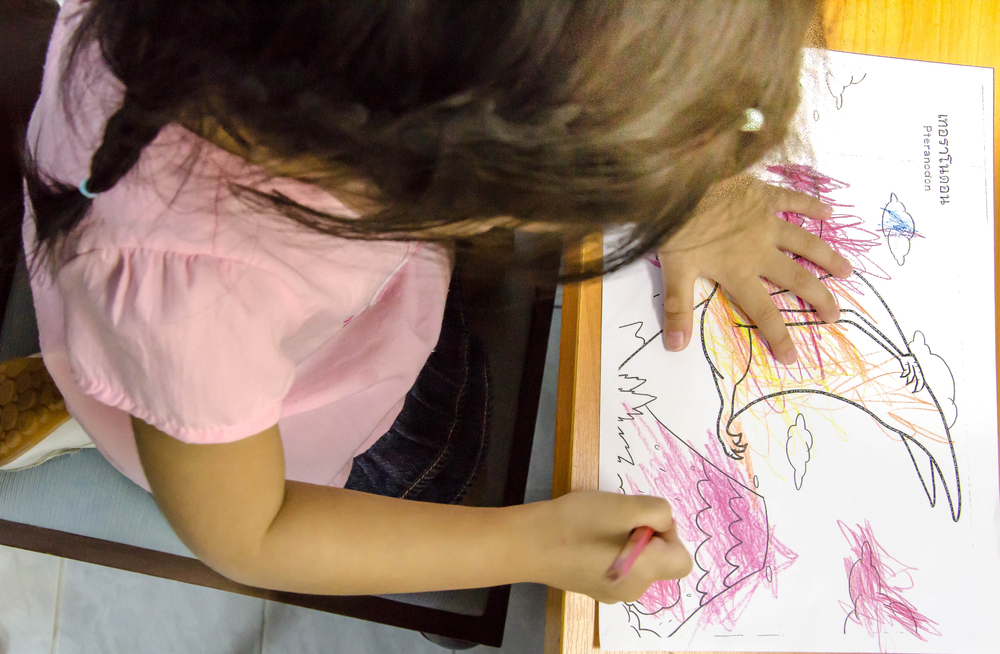


Improving counting skills during the ages of 4-7 is crucial for young learners' overall mathematical development and future academic success. This foundational stage of learning is where children first encounter numbers and basic mathematical concepts. Counting skills promote number recognition, one-to-one correspondence, and an understanding of quantities, which are essential for grasping more complex mathematical operations later on.
For parents and teachers, fostering counting skills provides children with the tools they need to engage with everyday math contexts, from measuring ingredients for a recipe to understanding money and time. Strong counting skills support problem-solving abilities and logical reasoning, which are vital not just in math but across the curriculum.
Moreover, counting can enhance cognitive abilities and boost confidence in young learners. Children who master counting are likely to enjoy math activities, view mathematics as approachable, and be less intimidated when progressing to higher-level concepts. Thus, by nurturing counting skills, parents and teachers not only lay the groundwork for successful math learning but also instill a positive attitude toward education, encouraging a lifelong love of learning. Emphasizing these skills is essential during the formative years when children are most receptive to new concepts.








