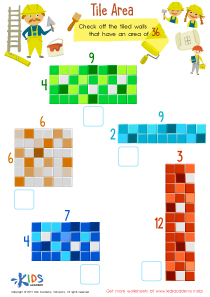
Number Recognition Normal Matching Worksheets for Ages 4-7
6 filtered results
-
From - To
Discover the perfect tool to enhance your child's number skills with our "Number Recognition Normal Matching Worksheets" designed for ages 4-7. These engaging worksheets make learning numbers fun and interactive, helping young learners to easily identify and match numbers through playful exercises. Ideal for preschool and early elementary students, our printable resources assist in building foundational math skills while promoting cognitive development. Support your child's educational journey with activities tailored to their learning pace and boost their confidence in number recognition. Explore our worksheets and make number learning an enjoyable experience today!
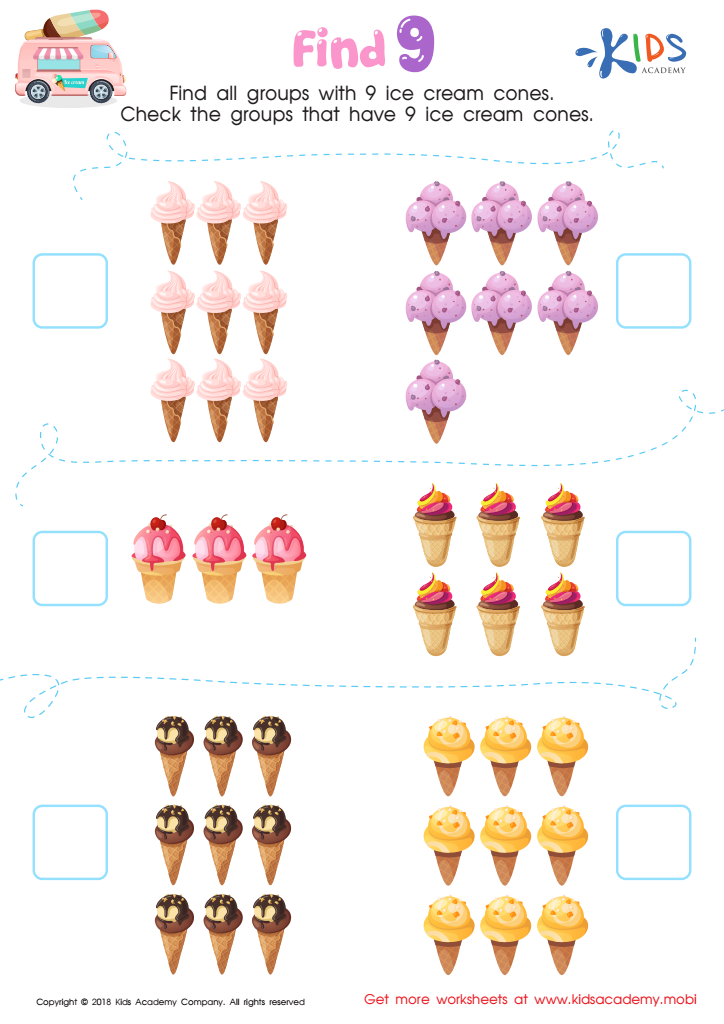
Find 9 Worksheet
 Assign to My Students
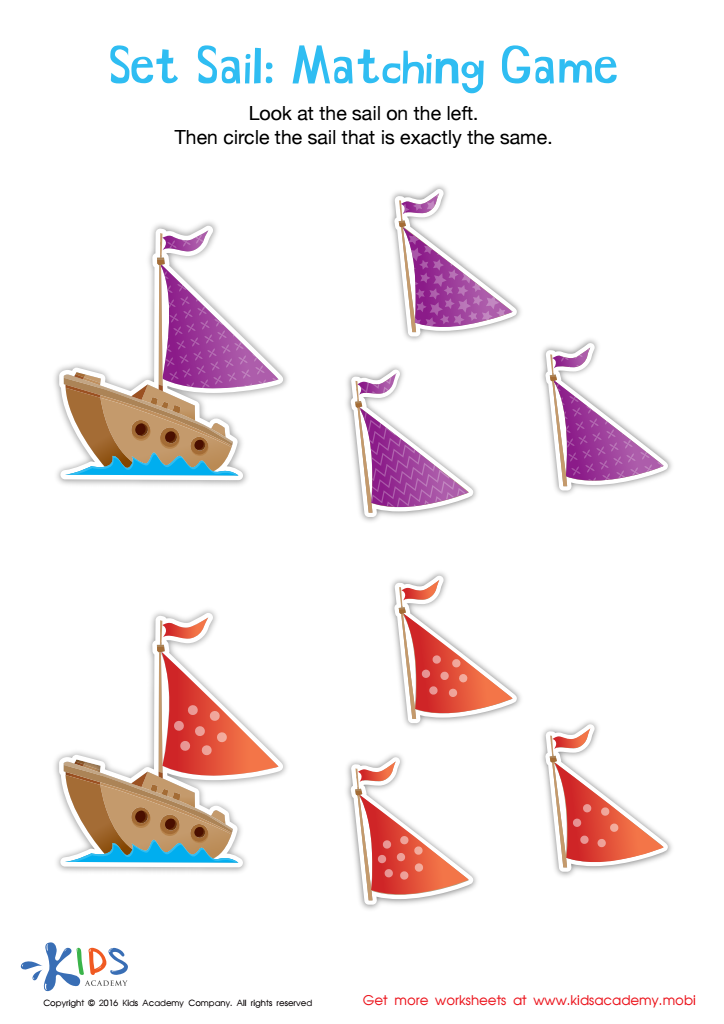
Set Sail Worksheet
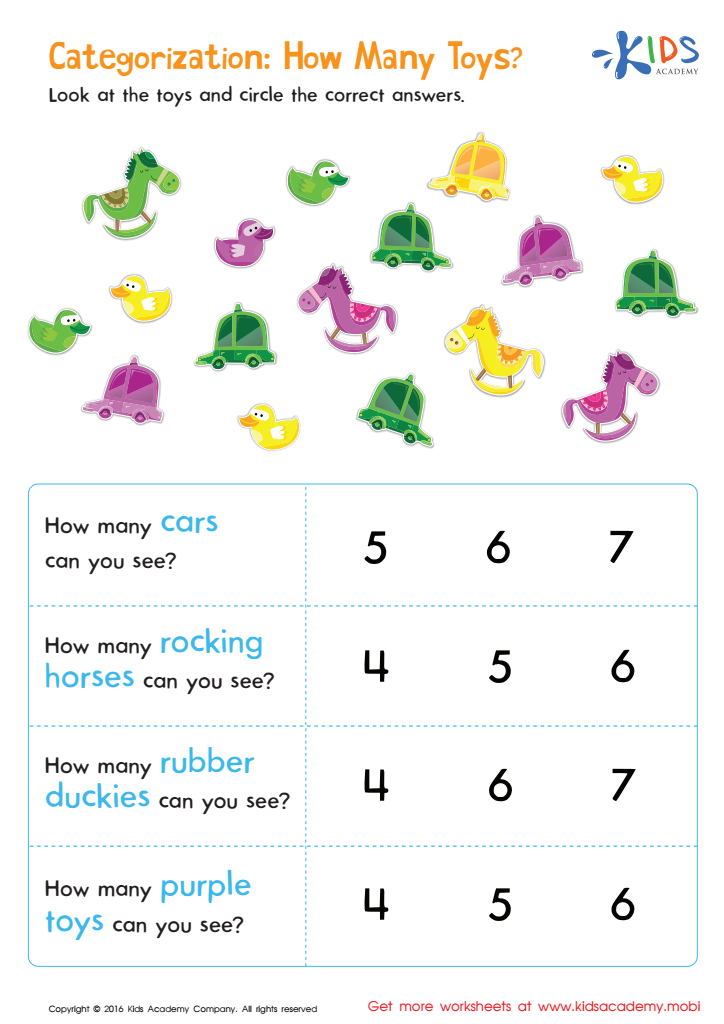
Classifying Toys by Type and Color Sorting Worksheet
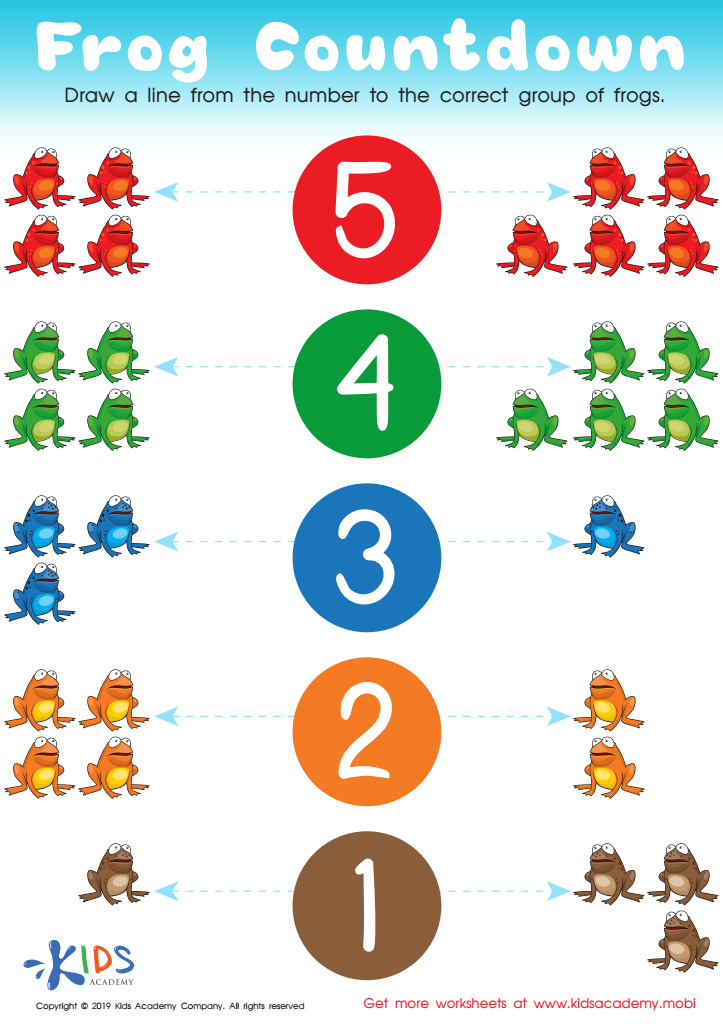
Frog Countdown Worksheet
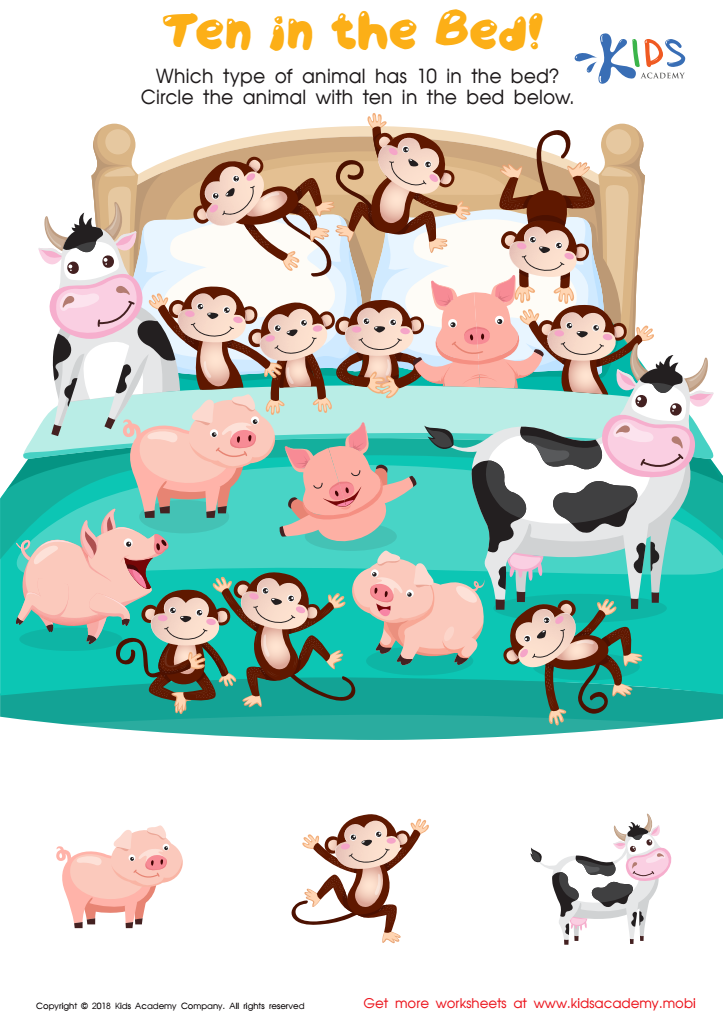
Ten in the Bed Worksheet
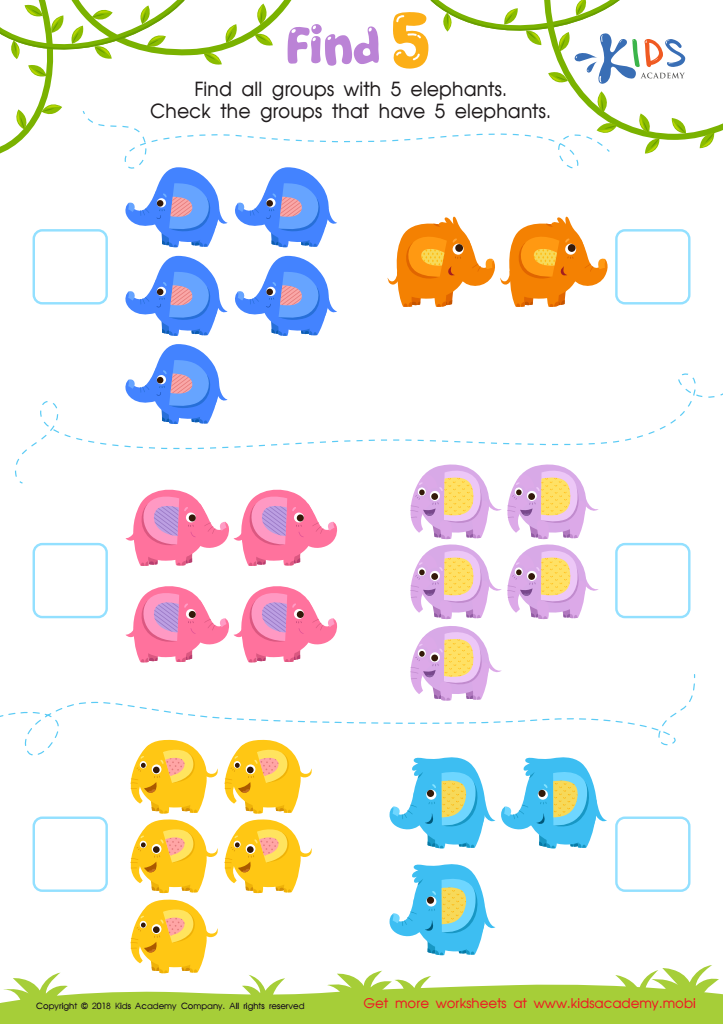
Find 5 Worksheet








Number recognition and normal matching are foundational skills for children aged 4-7, vital for their early mathematical development. During these formative years, kids build the basic understanding that numbers represent quantities and have consistent relationships. This early numeracy sets the stage for more complex math concepts later on, such as addition, subtraction, and problem-solving.
For parents and teachers, fostering these skills is crucial because it builds children's confidence and comfort with numbers early on, reducing math anxiety in the future. Much like learning the alphabet is essential for reading, recognizing and understanding numbers is key to mathematical literacy.
Activities promoting number recognition and normal matching cater to young learners' developmental needs by being interactive and engaging. These activities—like matching games, counting exercises, or using manipulatives (like blocks or beads)—make learning tangible and fun. Such hands-on experiences help children internalize numerical concepts through sensory experiences, visual aids, and kinesthetic learning.
Positive early experiences with math will inspire curiosity and interest, laying a solid foundation for future academic success in various subjects beyond mathematics. Therefore, parents and teachers should wholeheartedly support and incorporate number recognition and matching exercises in early education to ensure well-rounded cognitive development and a lifelong love for learning.