Fine Motor Skills Normal Building Vocabulary Worksheets for Ages 4-7
6 filtered results
-
From - To
Enhance your child's fine motor skills while building vocabulary with our engaging worksheets designed for ages 4-7. Our collection offers a variety of fun activities that not only support essential language development but also improve hand-eye coordination and dexterity. Each worksheet features interactive exercises, including tracing, coloring, and cutting, tailored to captivate young learners. By integrating fine motor activities with vocabulary building, children will develop confidence in their reading and writing abilities. Perfect for home or classroom use, these worksheets foster creativity and promote skill mastery, ensuring your little one's language and motor skills thrive together. Explore our resources today!
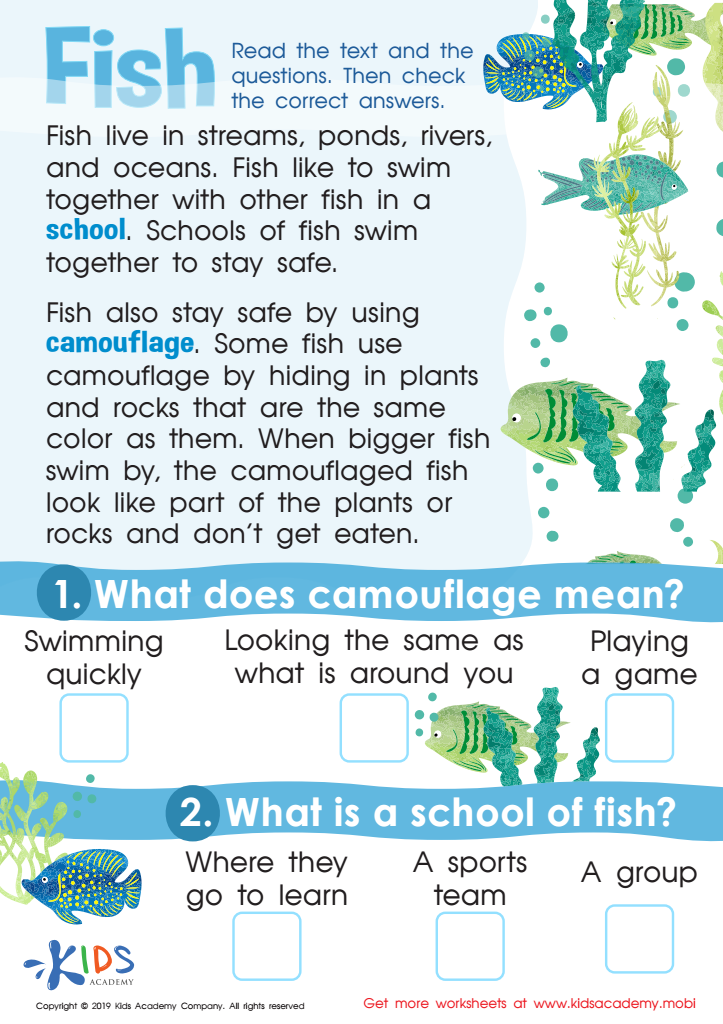
Fish Worksheet
 Assign to My Students











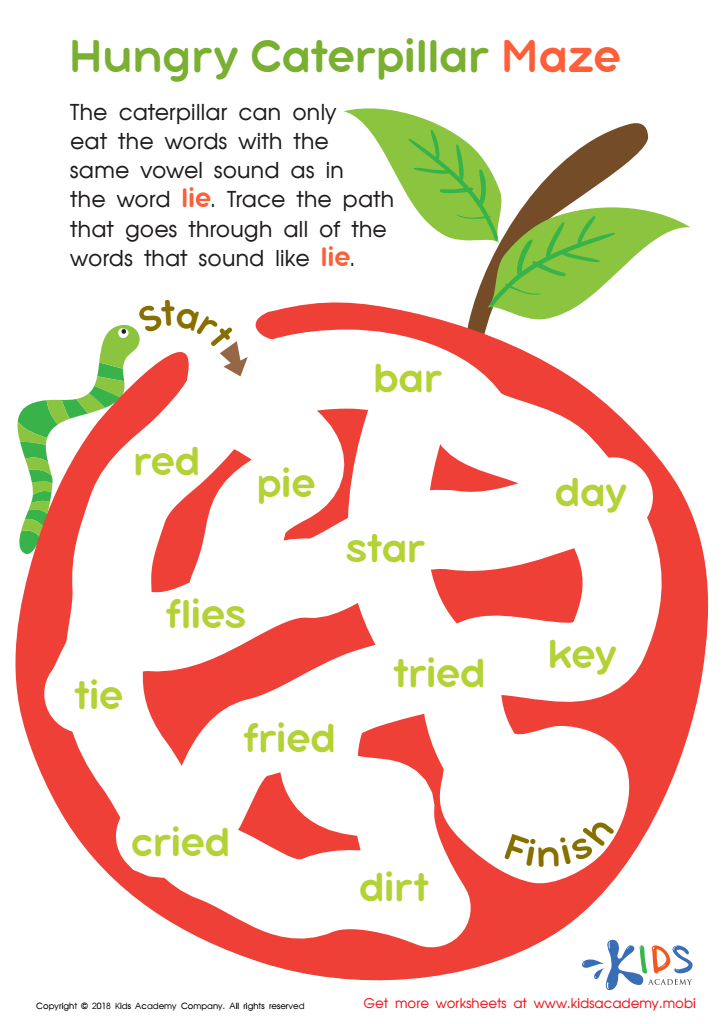
Hungry Caterpillar Maze Worksheet
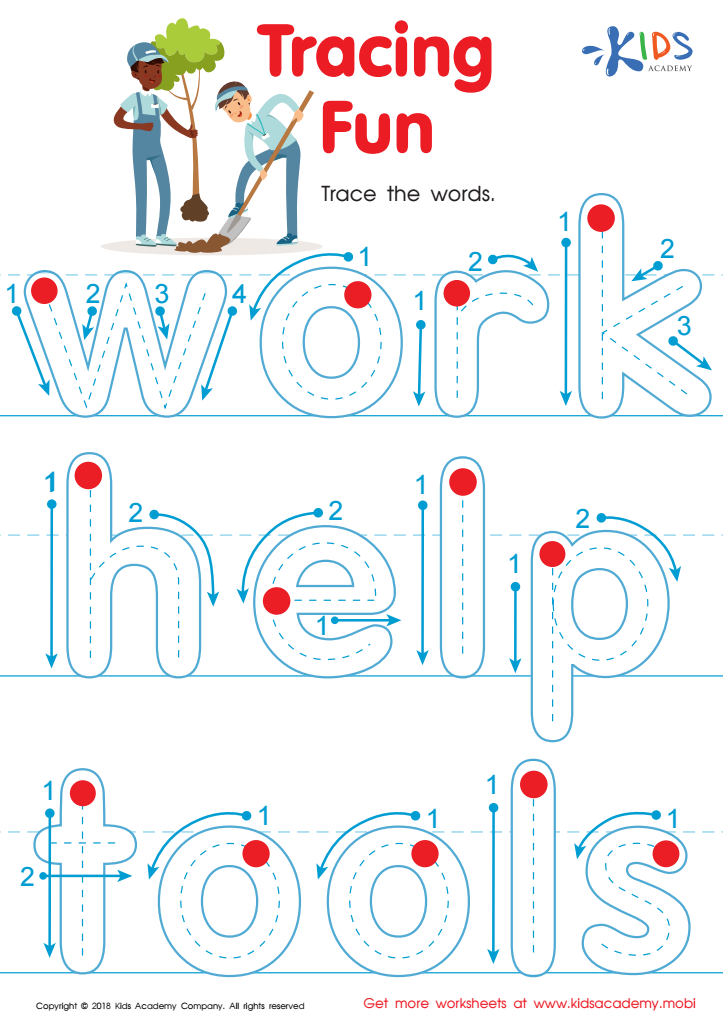
Tracing Fun Worksheet
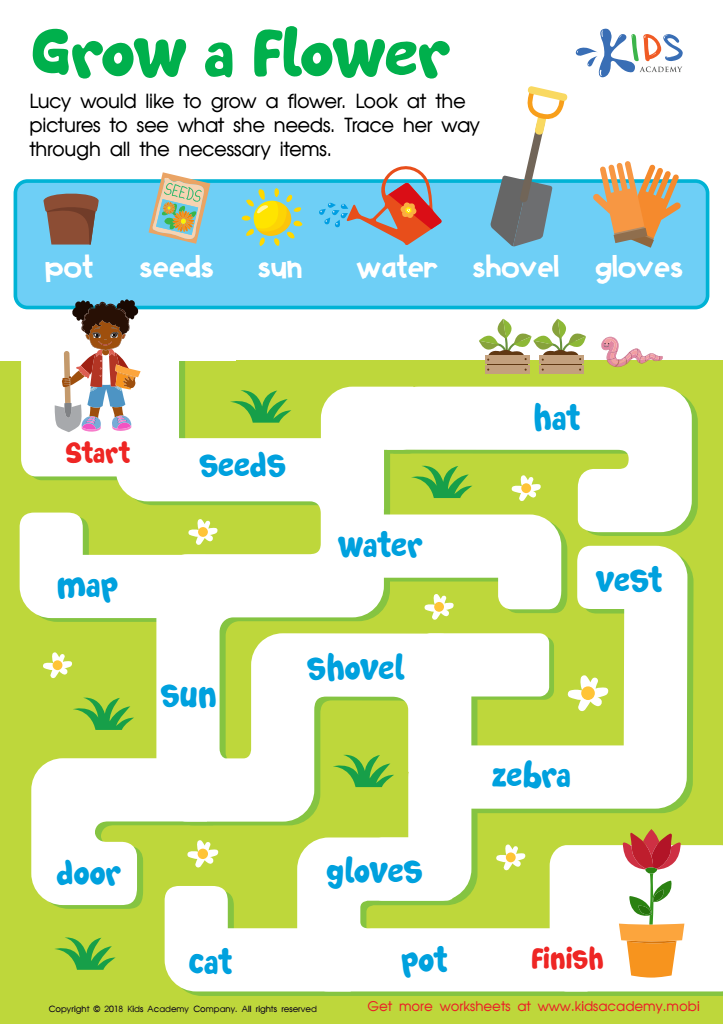
Grow a Flower Worksheet
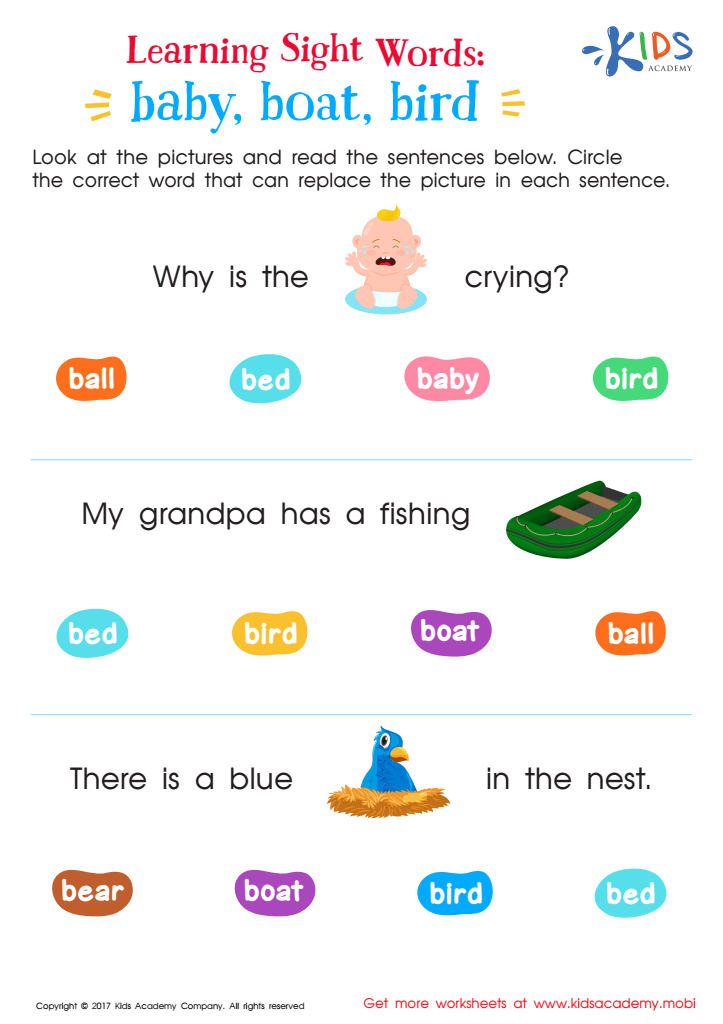
Baby, Boat, Bird Worksheet Sight Words Worksheet
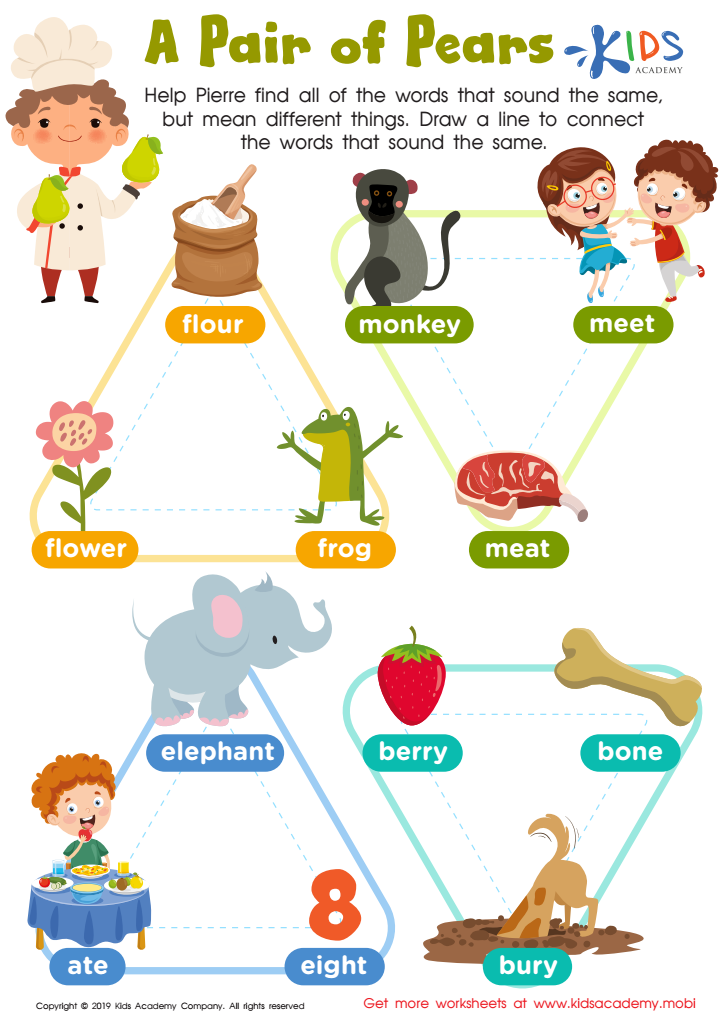
Pair Pears Worksheet






.jpg)

Fine motor skills are essential for young children's overall development, influencing their ability to perform everyday tasks and engage in learning. For ages 4-7, children are at a crucial stage where their fine motor skills are refining, affecting their handwriting, self-care, and creative expression through art. Teachers and parents should prioritize these skills because they lay the foundation for academic success and independence.
Moreover, a well-developed vocabulary is equally vital during these years. Children learn to articulate their thoughts and feelings, enabling them to communicate effectively with peers and adults. Building vocabulary enhances their reading comprehension, critical thinking skills, and allows them to form connections with what they learn.
Ultimately, fostering fine motor skills and vocabulary development in young children fosters confidence, creativity, and problem-solving abilities. It encourages positive classroom environments and paves the way for lifelong learning. By integrating activities that enhance both these areas, adults can equip children with the tools they need for future academic, social, and emotional success, making it imperative for teachers and parents to take an active role in nurturing these essential skills during this foundational stage in development.








