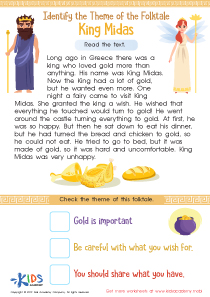
Color recognition Normal Reading Worksheets for Ages 4-7
3 filtered results
Difficulty Level
Grade
Age
-
From - To
Subject
Activity
Standards
Discover our engaging Color Recognition Normal Reading Worksheets, designed specifically for children ages 4 to 7. These worksheets provide a fun and interactive way for young learners to identify and recognize various colors while enhancing their reading skills. Each activity fosters creativity and critical thinking as children match colorful illustrations with their corresponding words. Perfect for use at home or in the classroom, these worksheets encourage self-paced learning and build foundational literacy skills. Whether reinforcing color knowledge or promoting early reading, our expertly crafted resources are sure to captivate young minds and make learning enjoyable for every child. Download today!
Favorites
With answer key
Interactive
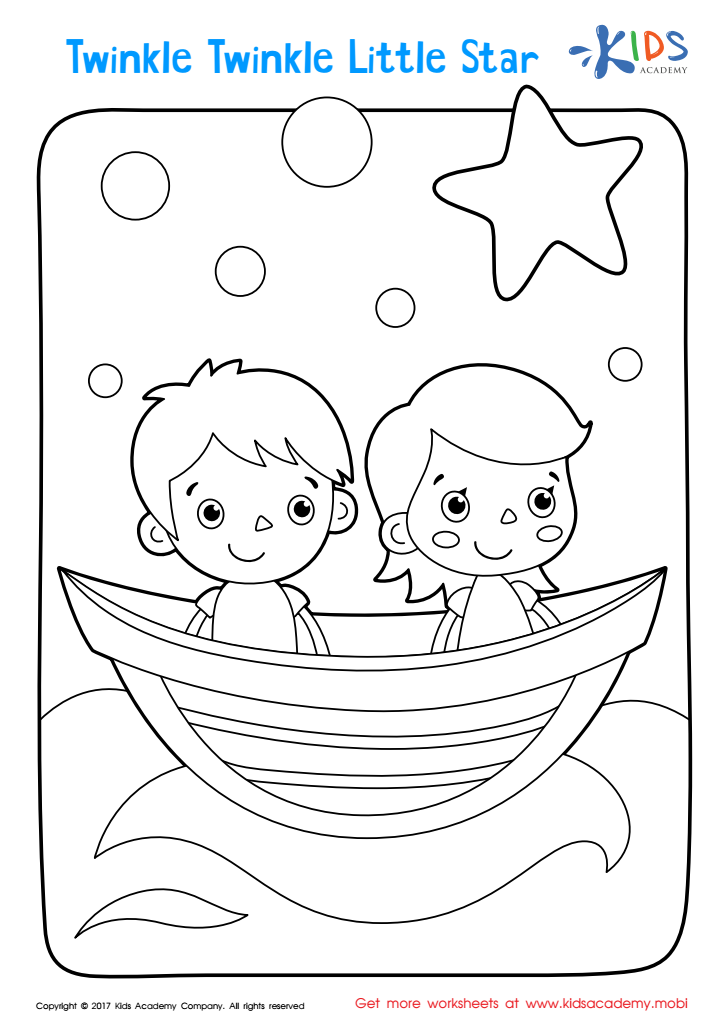
Twinkle Twinkle Little Star Coloring Page
Let your child wish upon a star as they color this scene of boy and girl stargazing. Sing Twinkle Twinkle Little Star while they choose colors to show the star twinkling in the night sky.
Download (PDF)
 Assign to My Students
Assign to My Students
Twinkle Twinkle Little Star Coloring Page
Worksheet
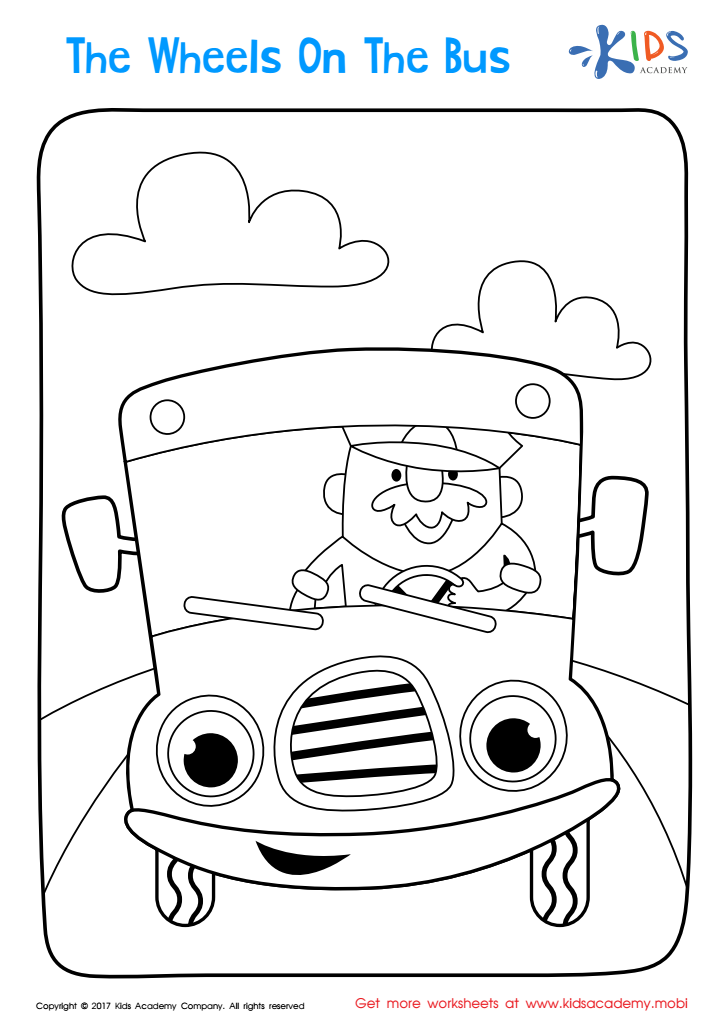
The Wheels on the Bus Coloring Page
Colour and sing with this printable Wheels on the Bus page! Let your child have fun singing the song with you as they colour. It'll make the activity even more entertaining and memorable.
Download (PDF)
Assign to My Students
Assign to My Students
The Wheels on the Bus Coloring Page
Worksheet
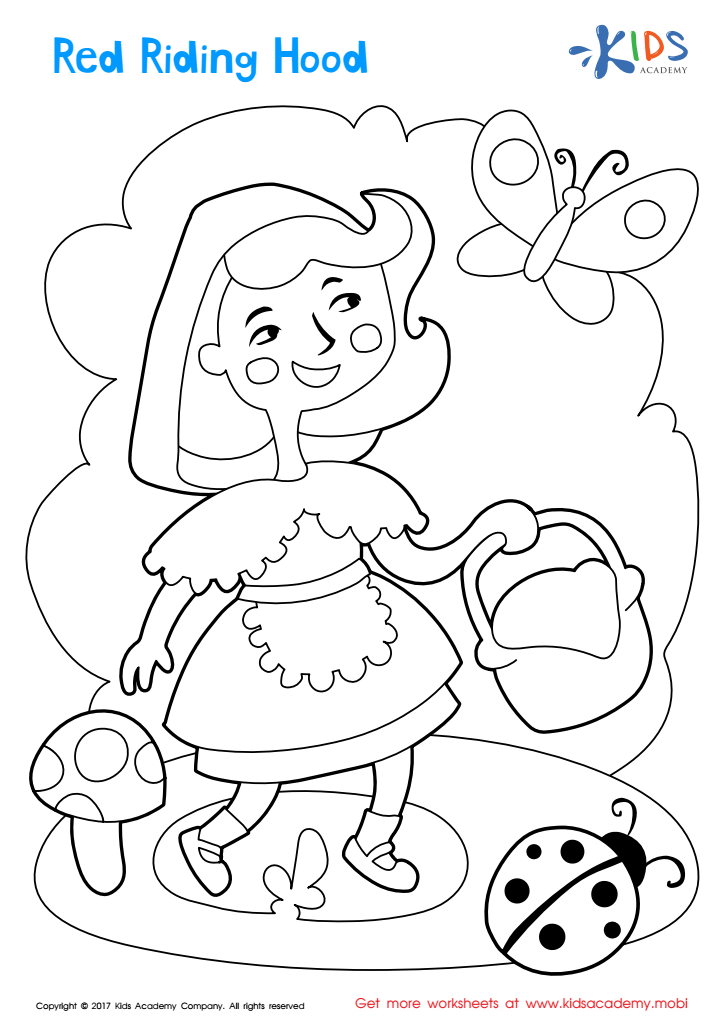
Red Riding Hood Coloring Page
Red Riding Hood awaits in the woods, with a butterfly, mushroom, and ladybug around her. Let your child bring the story to life with this magical printable coloring page. Fairytale fun for all!
Download (PDF)
Assign to My Students
Assign to My Students
Red Riding Hood Coloring Page
Worksheet
Join Kids Academy for Free
Who is primarily going to use this learning content?


.jpg)





Color recognition is a fundamental skill for children ages 4-7, and both parents and teachers should prioritize its development for several reasons. Firstly, recognizing colors helps build a child's vocabulary and cognitive skills, enabling them to describe and interpret their environment more effectively. This early exposure lays the groundwork for more complex language use and literacy skills.
Furthermore, color recognition is linked to memory and cognitive processing. When children identify colors, they learn to categorize and differentiate between objects, improving their analytical skills. This is especially important in reading, as many early readers rely on illustrations and visual cues to make sense of the text.
Color recognition also supports emotional and social development. Understanding colors can enhance children's self-expression and creativity in art and play, allowing them to communicate their feelings and ideas.
Moreover, discussing colors encourages cooperative learning, where children engage with each other during activities, fostering social skills. Lastly, integrating color recognition into early reading ensures a more holistic approach to education, making learning fun and engaging. In conclusion, prioritizing color recognition aids in language, cognitive, emotional, and social development, making it a vital component of early education.