Reading skills improvement Normal Reading Worksheets for Ages 4-7
3 filtered results
-
From - To
Unlock your child's potential with our engaging normal reading worksheets designed for ages 4-7! These worksheets focus on improving essential reading skills through fun and interactive activities. Tailored to meet the developmental needs of young learners, our resources help children enhance their vocabulary, comprehension, and phonetic awareness. Each worksheet is crafted to capture the interest of young readers while promoting a love for learning. Perfect for both classroom use and at-home practice, these printable worksheets support early literacy development in an enjoyable and effective way. Foster your child’s confidence in reading today and watch their skills soar!
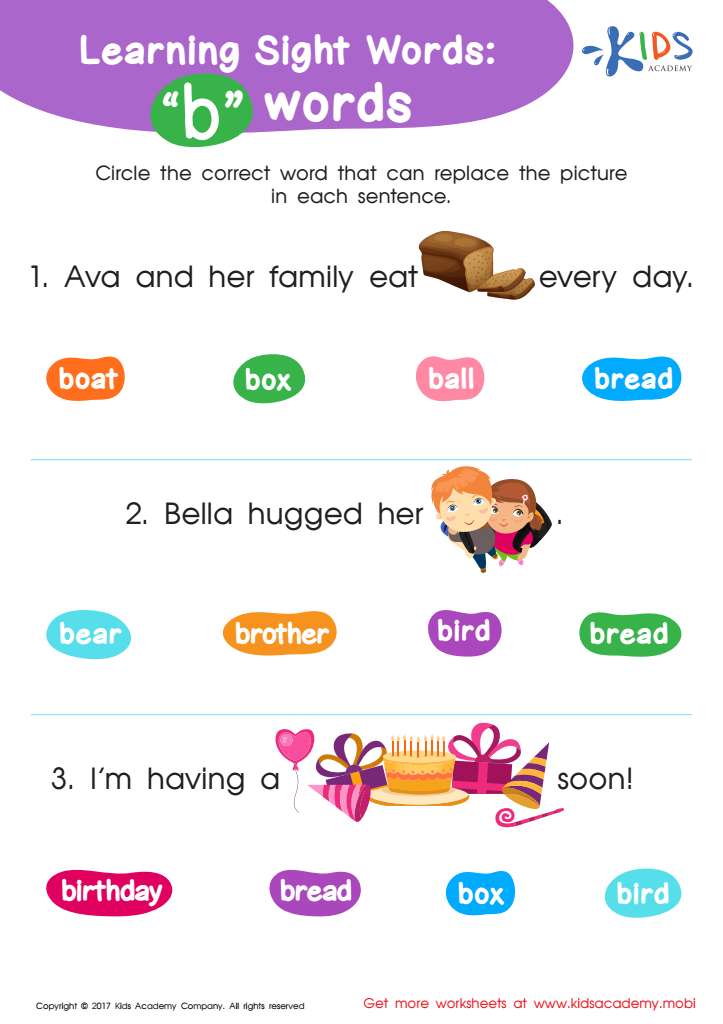
Sight Words Free Worksheet – B Words
 Assign to My Students
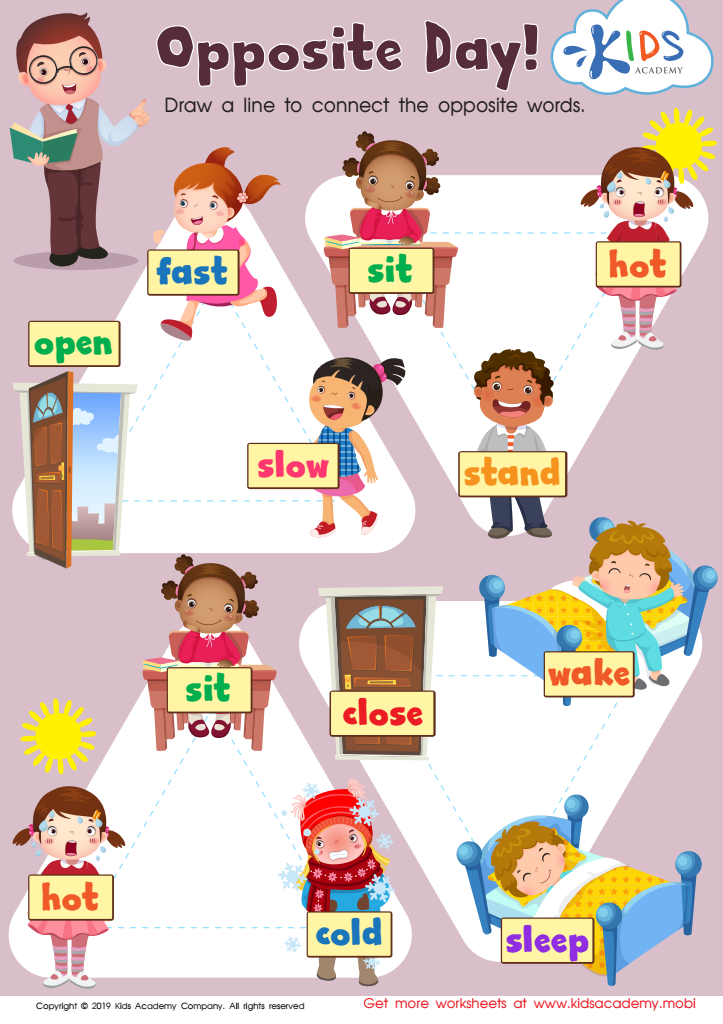
Opposite Day Worksheet
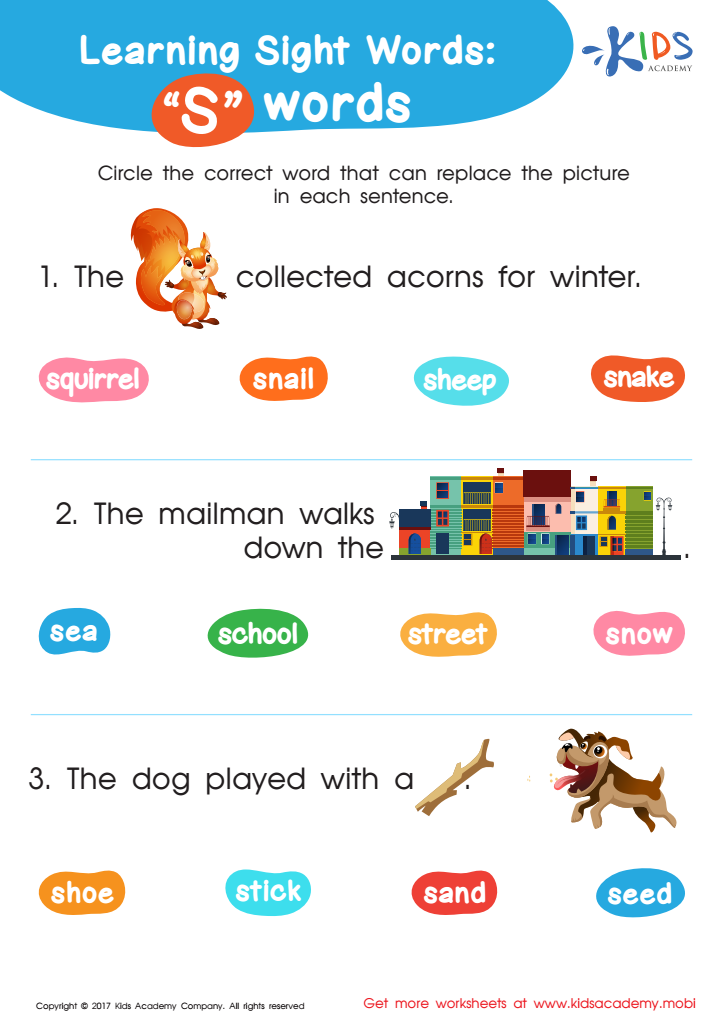
S Words Sight Words Worksheet



.jpg)



Parents and teachers should prioritize reading skills improvement for children aged 4-7 as these foundational years set the stage for lifelong learning. At this age, kids develop critical cognitive, social, and emotional skills. Reading enhances vocabulary, comprehension, and critical thinking, all essential for academic success. Early reading experiences also foster a love for literature, encouraging children to explore different worlds through storytelling.
Moreover, strong reading skills contribute to self-confidence. As children learn to decode words, understand sentences, and engage with stories, they become more assured in their abilities, fueling a positive attitude toward education. Additionally, reading improves communication skills, helping children articulate their thoughts and feelings better.
Furthermore, research consistently demonstrates a correlation between proficient reading in early childhood and future success in school and beyond. Early readers often outperform their peers in standardized tests and exhibit higher levels of engagement in their studies.
By emphasizing reading skills improvement, parents and teachers play a crucial role in ensuring children are well-equipped for their educational journey. Supporting and nurturing reading abilities now lays a strong foundation for everything else they will learn in the years to come, highlighting the importance of early literacy interventions and access to diverse reading materials.








