Shape Recognition Normal Reading Worksheets for Ages 4-7
3 filtered results
-
From - To
Discover our engaging Shape Recognition Normal Reading Worksheets designed specifically for children aged 4-7! These interactive worksheets help young learners identify and understand various shapes through fun activities and exercises. Aimed at enhancing early literacy and cognitive skills, our resources promote shape recognition while incorporating reading exercises that captivate young minds. Each worksheet is crafted with bright colors and playful illustrations to make learning enjoyable. Perfect for classroom use or at home, these printable worksheets support developmental milestones and provide educators and parents with the tools needed to foster a love for learning. Download now and inspire your child's educational journey!
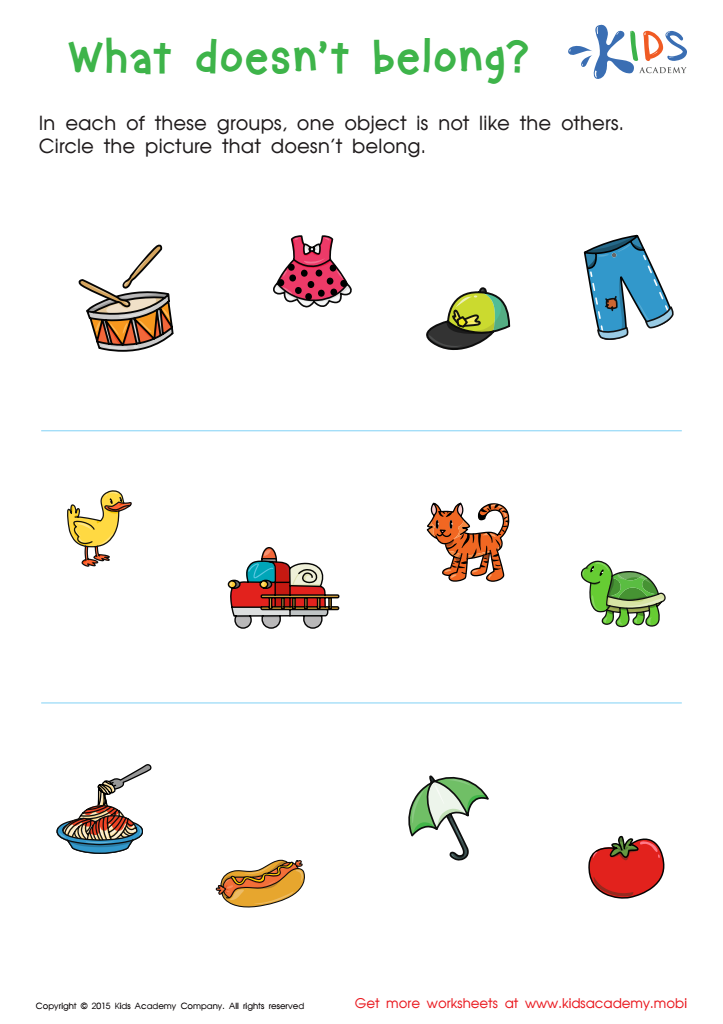
First Words: What Doesn't Belong Worksheet
 Assign to My Students
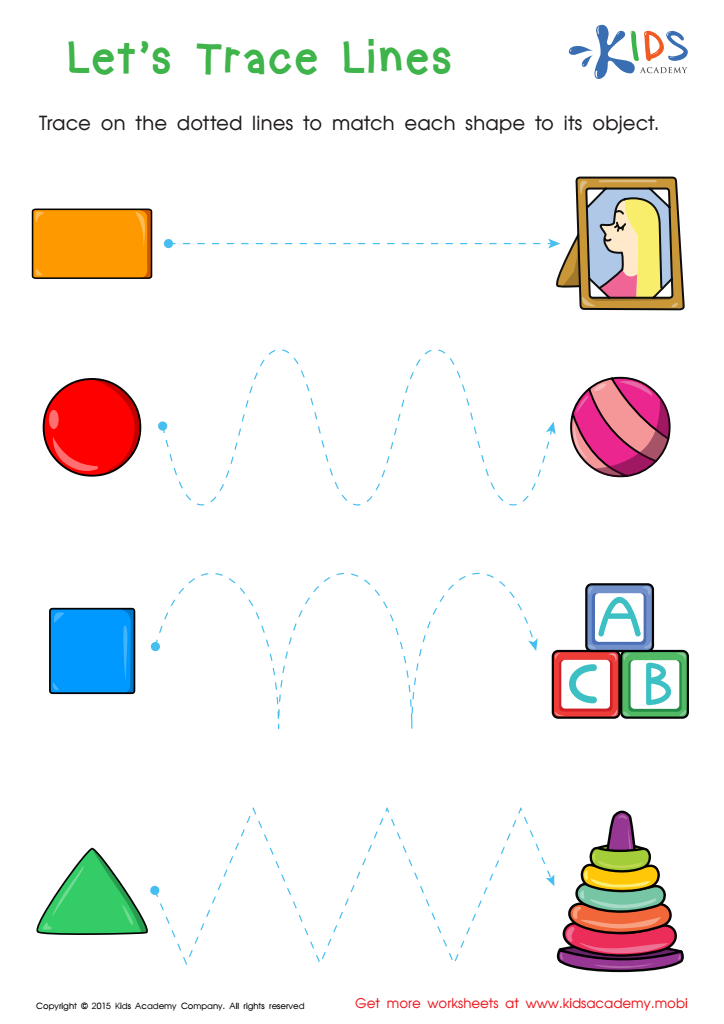
First Words: Let's Trace Lines Worksheet
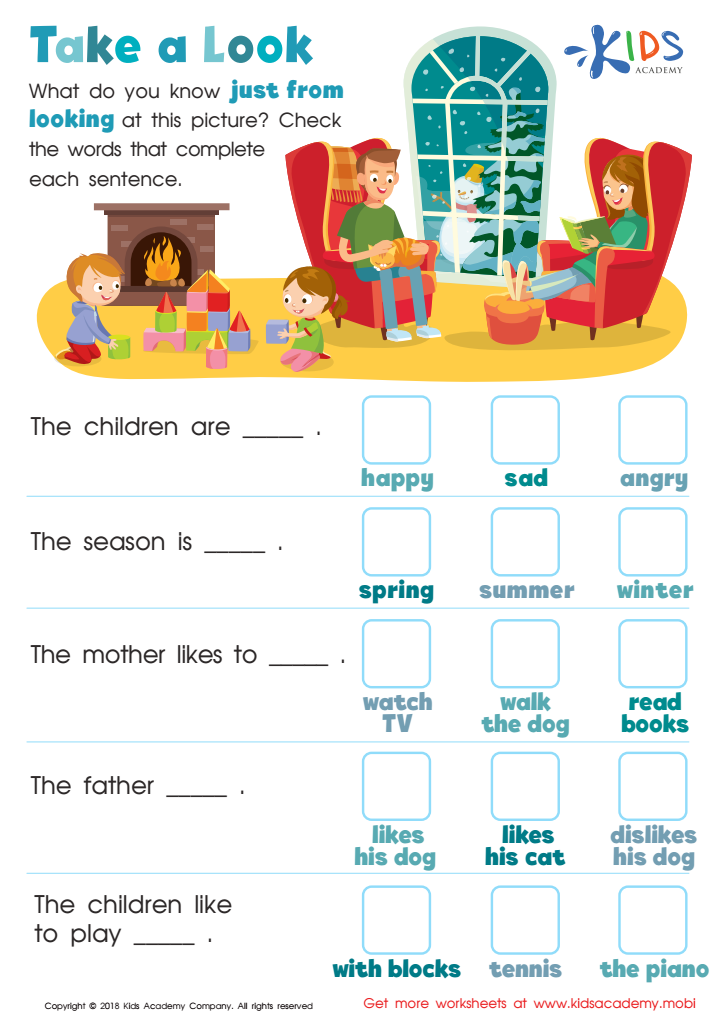
Take a Look - Part 1 Worksheet







Shape recognition is a foundational skill that plays a vital role in the cognitive and spatial development of children aged 4-7. Parents and teachers should care about this aspect of early learning because it fosters critical thinking and problem-solving abilities. Recognition of shapes allows children to make connections between abstract concepts and the physical world, enhancing their understanding of math, art, and everyday environments.
Moreover, shape recognition directly correlates with early literacy skills. As children learn to identify shapes, they refine their visual processing abilities, which are essential for reading. Recognizing different shapes, both two-dimensional and three-dimensional, aids in letter and number recognition, providing a seamless transition into reading and writing activities.
Additionally, engaging with shapes can boost children's fine motor skills and creativity. Activities involving cutting, drawing, or molding shapes encourage exploration and expression.
Ultimately, prioritizing shape recognition in education nurtures well-rounded, confident learners. By constructing a strong foundation through shape awareness, parents and teachers empower children to excel in later academic challenges, establish logical reasoning, and develop lifelong skills. Investing in this early development is crucial for a child’s overall growth and future success.








