Story analysis Normal Reading Worksheets for Ages 4-7
4 filtered results
-
From - To
Explore our engaging Story Analysis Normal Reading Worksheets designed specifically for children ages 4-7! These creative resources focus on enhancing young learners' comprehension and critical thinking skills through fun and interactive activities. Each worksheet encourages children to delve into the plots, characters, and themes of their favorite stories, fostering a deeper understanding of narrative structures. With visually appealing formats and age-appropriate content, our worksheets aim to make reading enjoyable while promoting literacy development. Perfect for home practice or classroom use, these worksheets are a valuable tool for nurturing confident and proficient readers from an early age. Start your story adventure today!
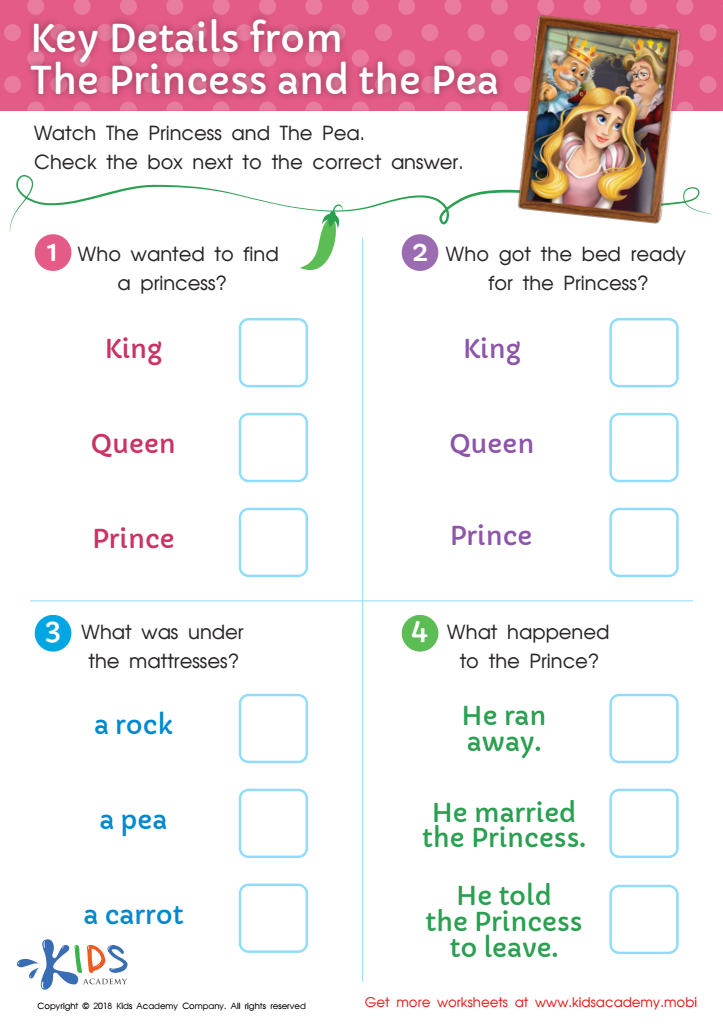
Key Details from the Princess and the Pea Worksheet
 Assign to My Students
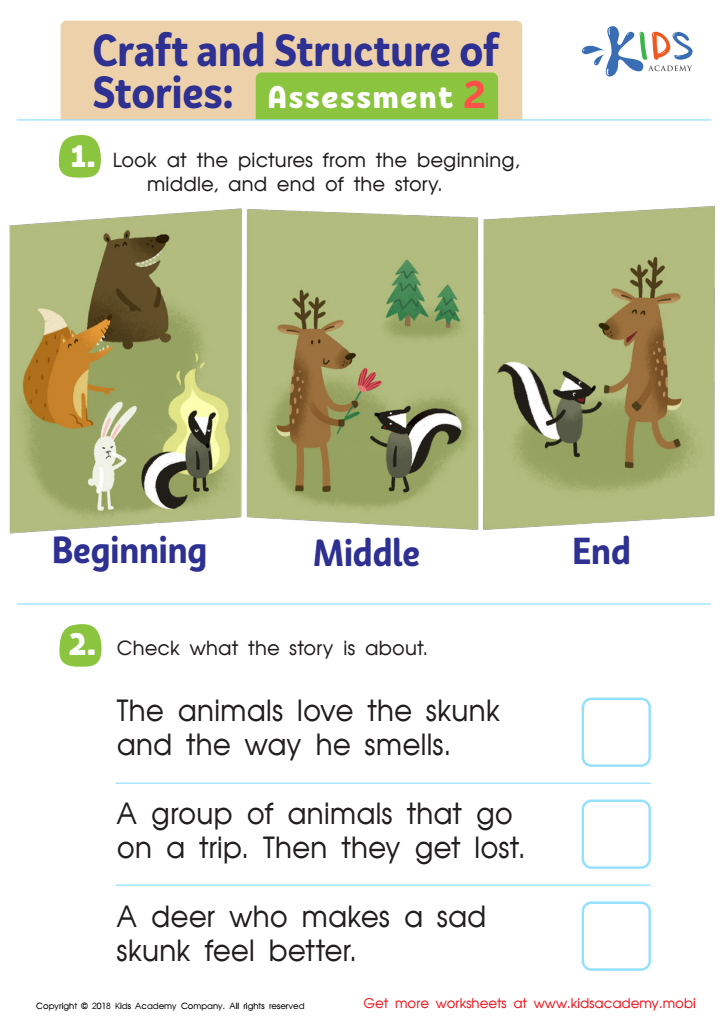
Craft and Structure of Stories: Assessment 2 Worksheet
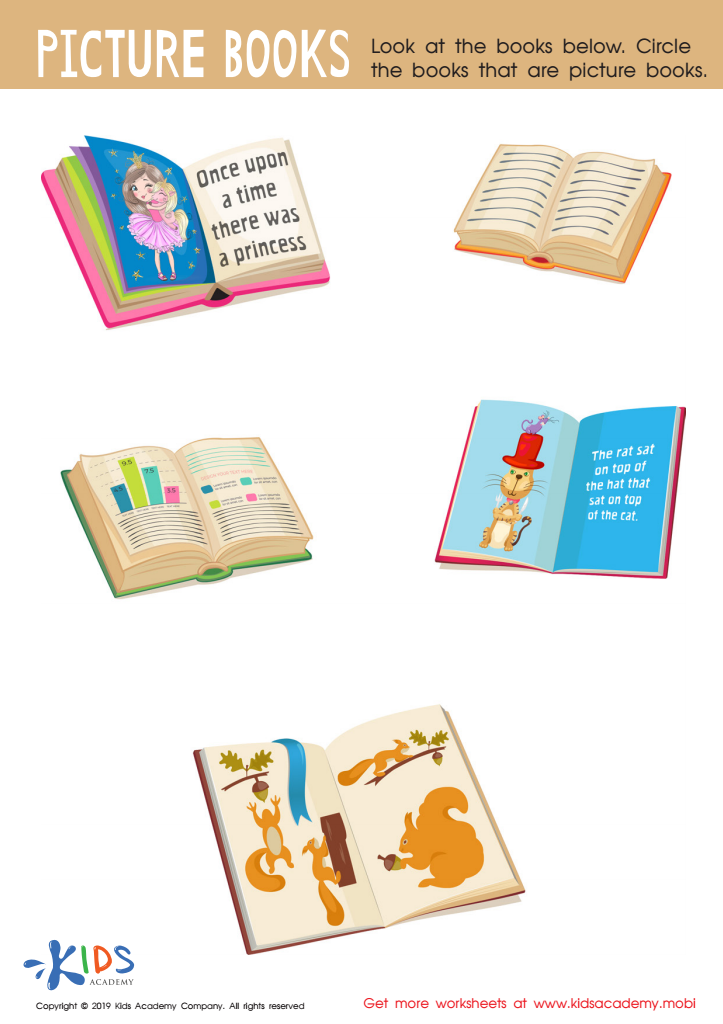
Picture Books Worksheet
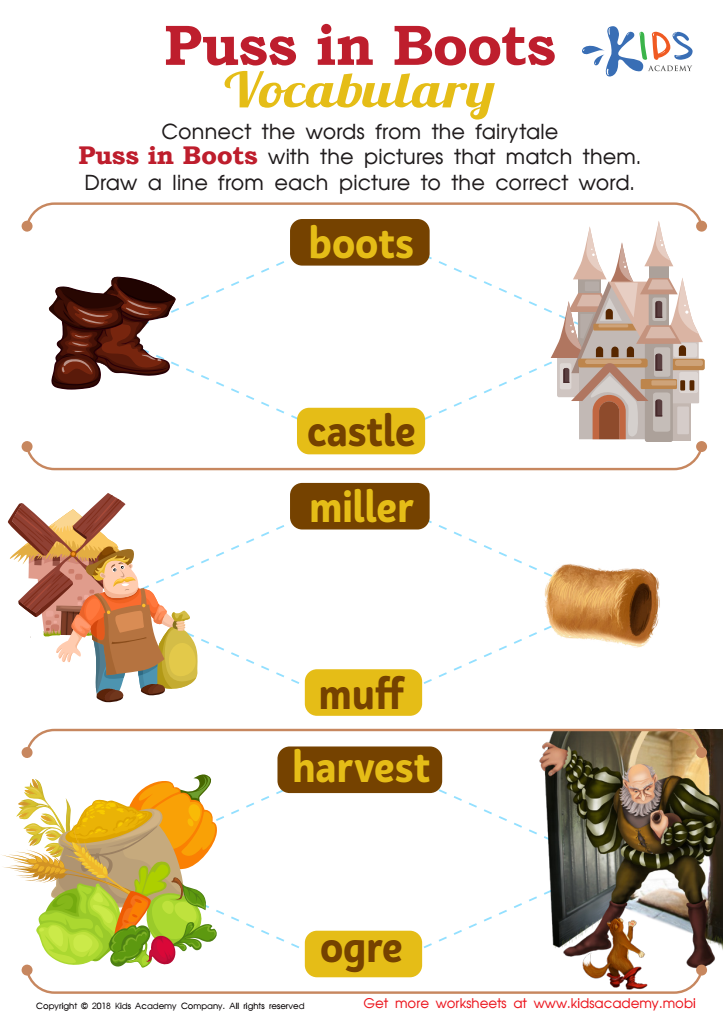
Puss in Boots Vocabulary Worksheet







Story analysis is an essential tool for fostering literacy and comprehension skills in children aged 4-7. At this developmental stage, children are active learners, and engaging them in story analysis allows them to connect with narratives on a deeper level. Parents and teachers should care about this practice because it not only promotes critical thinking but also enhances vocabulary and language acquisition.
Story analysis encourages children to explore the elements of a story—characters, setting, plot, and themes—helping them to understand different perspectives and the structure of narratives. This mental process nurtures creativity, as children begin to make connections between their own experiences and those depicted in stories.
Furthermore, engaging in story analysis cultivates emotional intelligence. Children learn to identify and articulate their feelings, as well as empathize with characters and their struggles. This developmental skill is invaluable for fostering social interactions and relationships.
Additionally, incorporating story analysis in educational settings or at home allows for richer conversations between parents, teachers, and children, fostering a love for reading and storytelling. By prioritizing story analysis, we equip children with essential tools for lifelong learning, critical thinking, and emotional understanding.








