Enhancing categorization skills Normal Science Worksheets for Ages 4-7
3 filtered results
-
From - To
Enhancing categorization skills is essential for young learners, helping them organize information and understand the world around them. Our engaging science worksheets for ages 4-7 are designed to develop these crucial skills through fun activities and practical exercises. These worksheets encourage children to identify similarities and differences, group items, and make logical connections, laying a solid foundation for future scientific learning. Each activity is tailored to be age-appropriate and captivating, ensuring young minds remain engaged and enthusiastic about learning. Equip your child with the tools they need to succeed in science with our expertly crafted categorization worksheets.
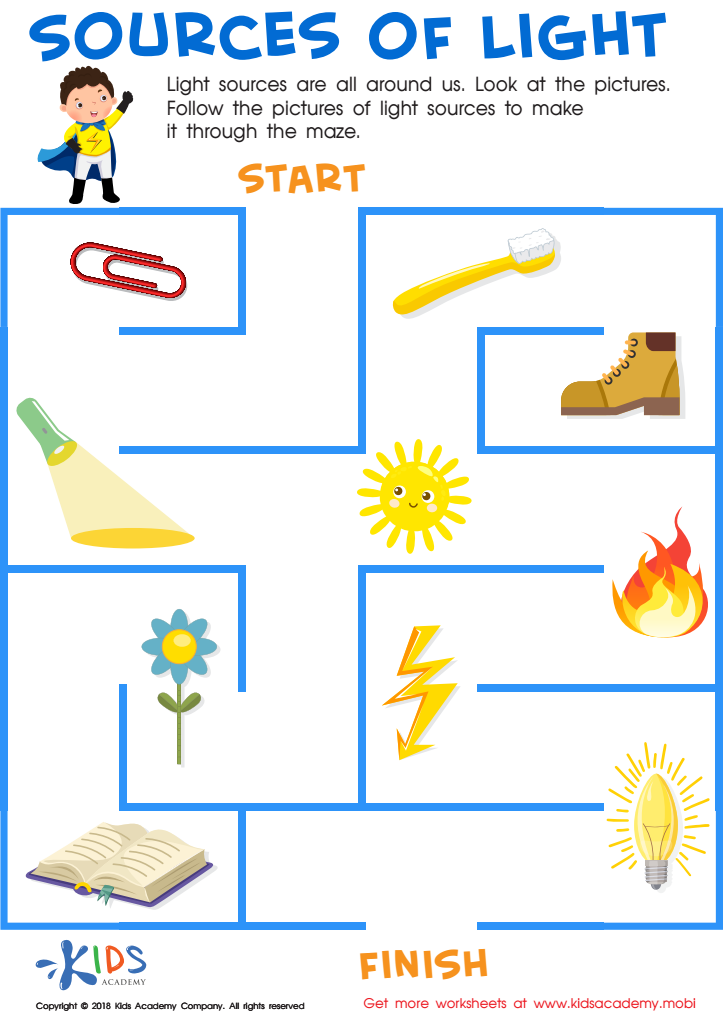
Sources of Light Worksheet
 Assign to My Students
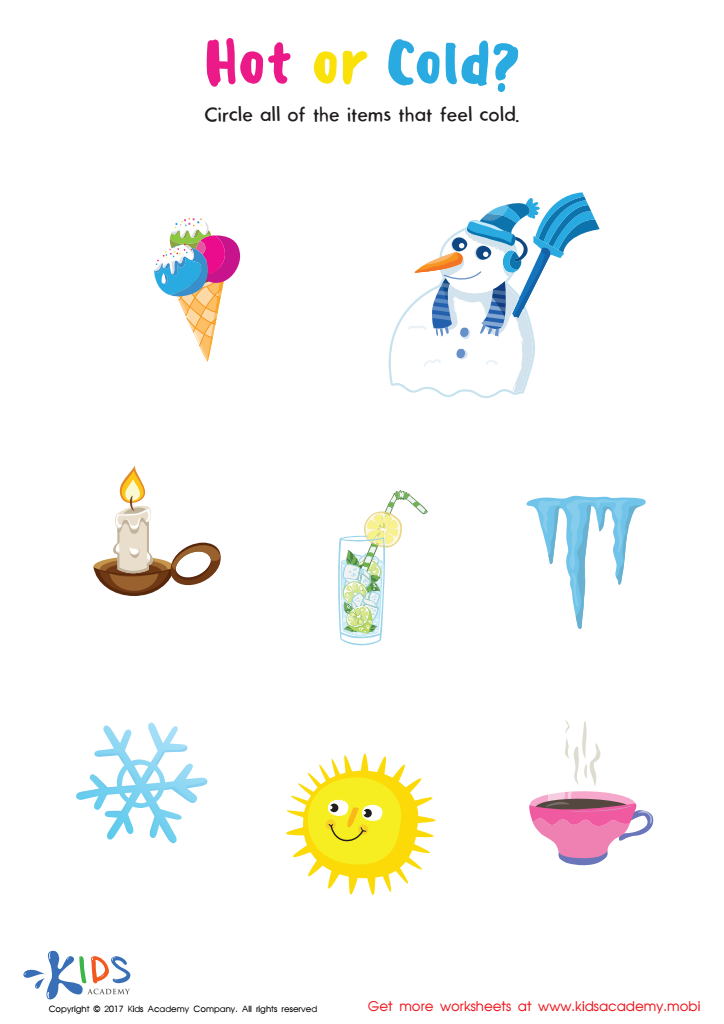
Hot or Cold Printable
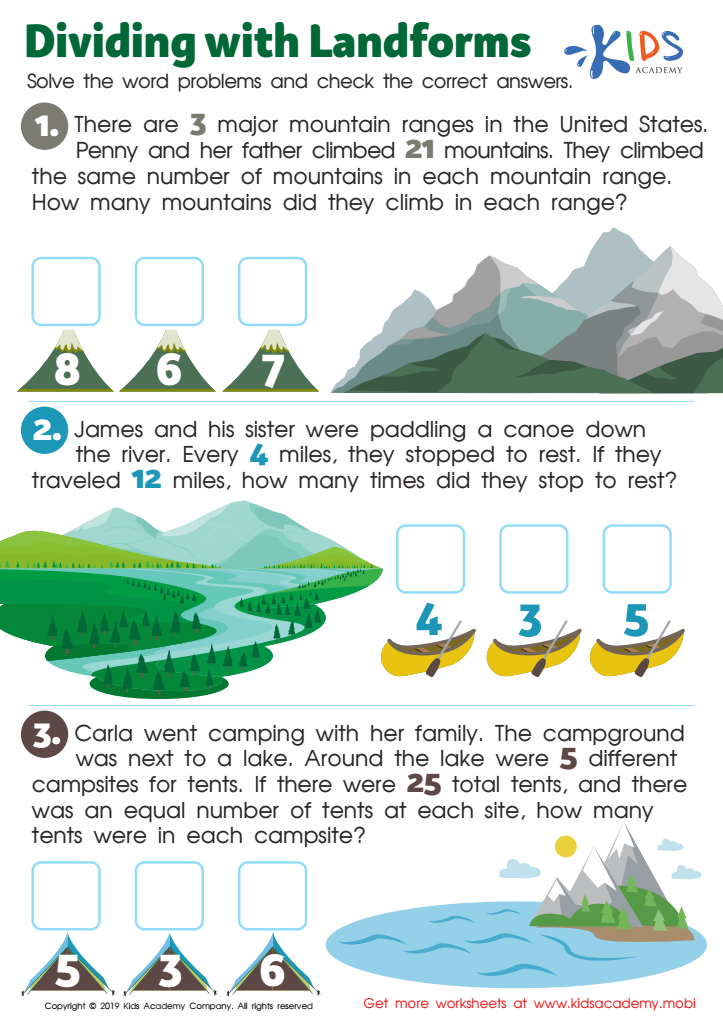
Dividing with Landforms







Enhancing categorization skills in young children, particularly those aged 4-7, is crucial for their cognitive and academic development. Categorization—the ability to group objects, ideas, or information based on shared properties—is foundational for learning and understanding the world. For young kids, who are naturally curious, this skill helps them make sense of their environment efficiently and effectively.
In the realm of normal science, categorization plays a pivotal role. It aids kids in identifying patterns, differentiating between living and non-living things, sorting objects by various attributes like color, shape, or size, and grasping basic scientific concepts. For instance, when children categorize animals into groups such as mammals, birds, and reptiles, they start understanding biological classification, which is fundamental to science.
Moreover, enhancing categorization skills supports the development of critical thinking, language abilities, and memory. It encourages kids to observe attentively, ask questions, and discern relationships between objects or ideas. This cognitive skill is not just pivotal for science but also for reading comprehension and math, where children sort words into categories and classify numbers and shapes, respectively.
By aiding in the development of these skills, parents and teachers can provide young children with a strong educational foundation and the ability to navigate and understand complex information, thereby fostering lifelong learning and curiosity.







