Understanding weather Normal Science Worksheets for Ages 4-7
3 filtered results
-
From - To
Explore our "Understanding Weather" Normal Science Worksheets designed for children ages 4 to 7. These engaging, age-appropriate resources help young learners discover the fascinating world of weather through fun activities and interactive exercises. From identifying sunny, rainy, and snowy days to understanding simple weather patterns, these worksheets enhance observational skills and critical thinking. Each resource incorporates vibrant visuals and easy-to-follow instructions, making learning both enjoyable and effective. Perfect for both classroom and home use, our worksheets encourage curiosity and a foundational understanding of meteorology, empowering children to connect with the world around them. Start your weather adventure today!
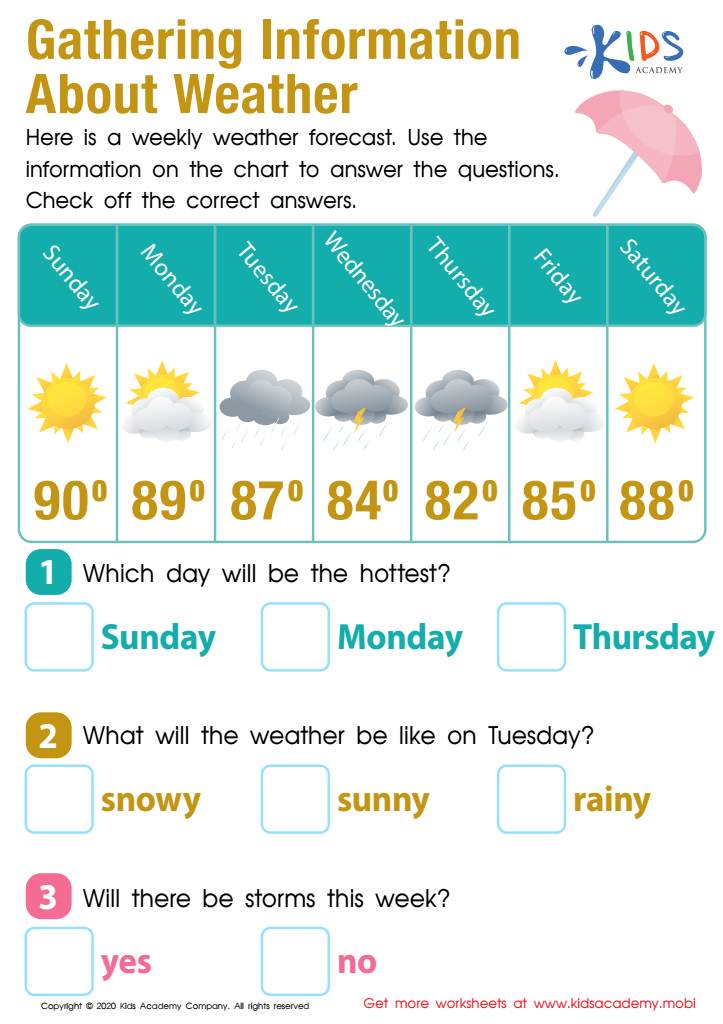
Gathering Information About the Weather Worksheet
 Assign to My Students
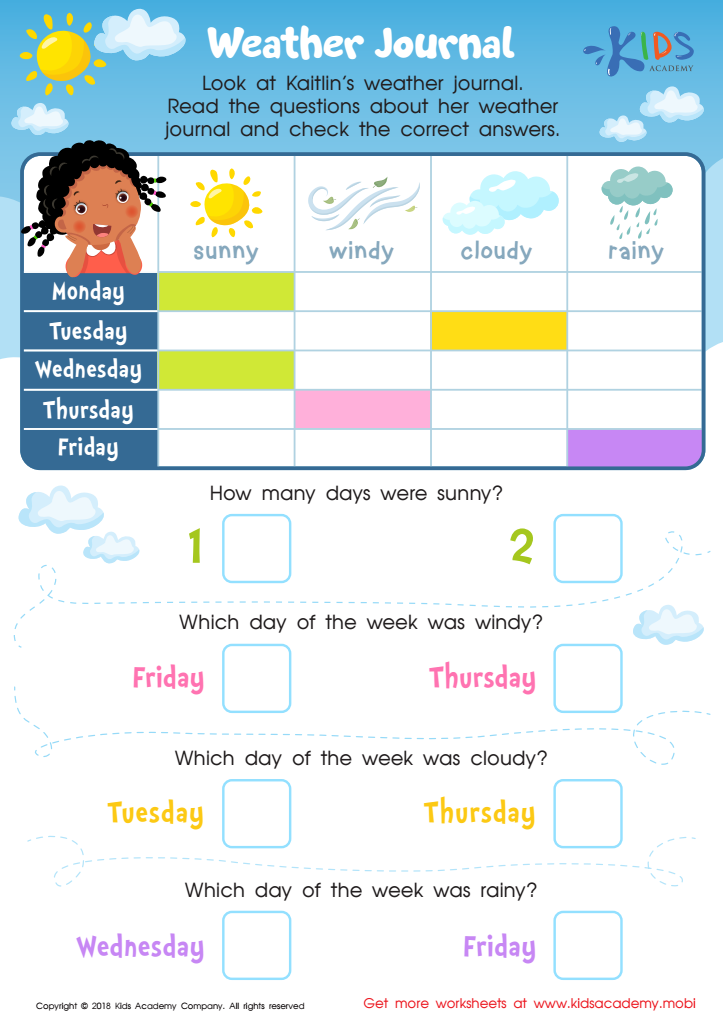
Weather Journal Worksheet
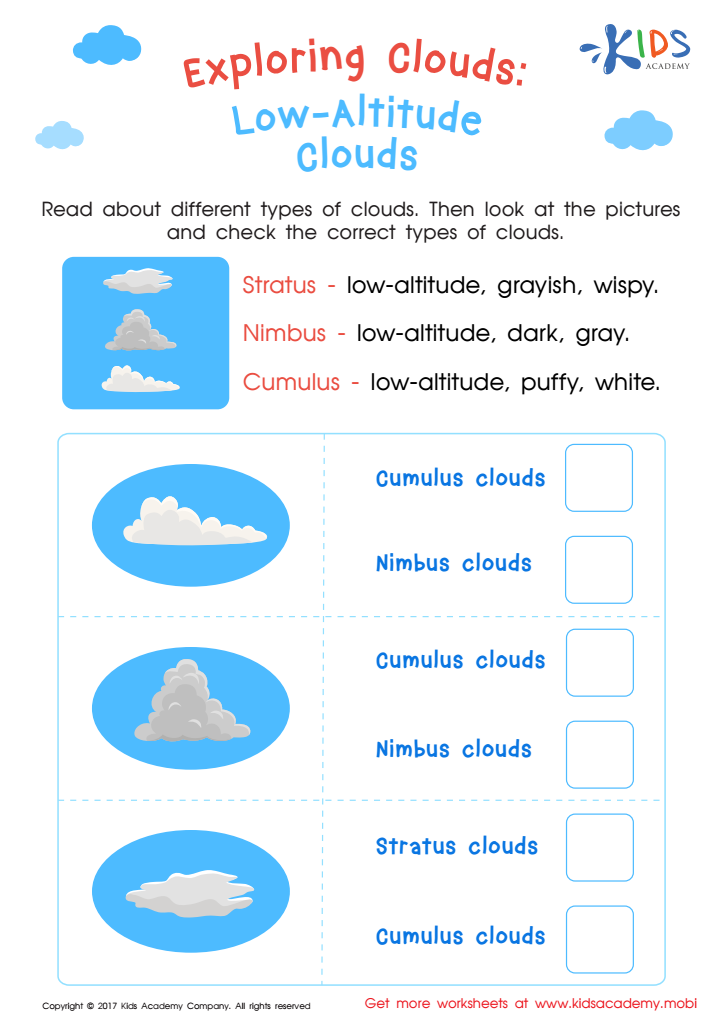
Exploring Clouds: Low Altitude Clouds Printable


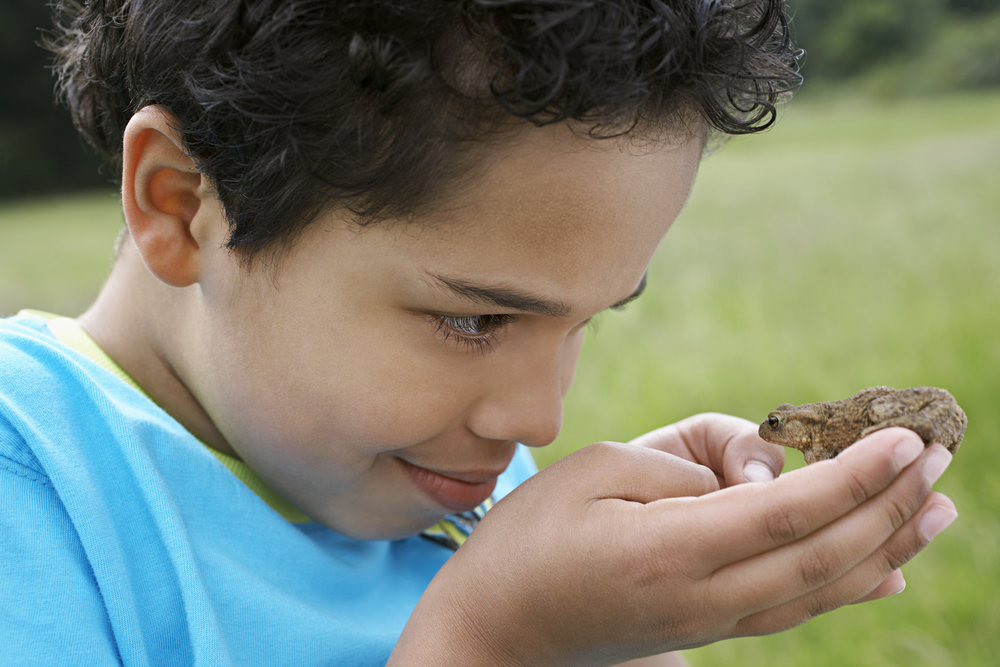




Understanding weather is crucial for children aged 4-7 as it lays the foundation for scientific literacy and critical thinking. At this age, children are naturally curious, and introducing them to the basics of weather can enhance their observational skills and stimulate curiosity about the world around them. By learning about weather patterns, children can make connections with everyday experiences, recognizing why it rains, snows, or how the sun affects the temperature.
For parents and teachers, fostering this understanding serves several purposes. Firstly, it encourages outdoor play and exploration—connecting children with nature promotes physical health. Secondly, teaching them about seasonal changes cultivates adaptability and preparedness in young learners, imparting life skills such as dressing appropriately for different weather conditions.
Moreover, weather science provides a context to develop math and literacy skills through activities like tracking temperatures, reading charts, or creating playful weather-themed stories. Lastly, in a broader context, discussions about weather can lead to important conversations about climate change, encouraging future stewardship of our planet. In summary, weather education enriches a child’s learning experience, sustaining their innate curiosity and preparing them for more complex scientific concepts in the future.







