Understanding pollination Normal Plants and Animals Worksheets for Ages 4-7
3 filtered results
-
From - To
Explore the fascinating world of pollination with our "Understanding Pollination: Normal Plants and Animals Worksheets" designed for ages 4-7! These engaging worksheets introduce young learners to the vital role of pollinators in nature and the process through which plants reproduce. Combining fun activities with colorful illustrations, children will discover bee behaviors, flower anatomy, and the importance of plants and animals in our ecosystem. Ideal for educators and parents, these worksheets encourage curiosity, enhance observational skills, and foster a love for science. Whether in the classroom or at home, nurturing young minds has never been more exciting! Download today to begin the adventure!
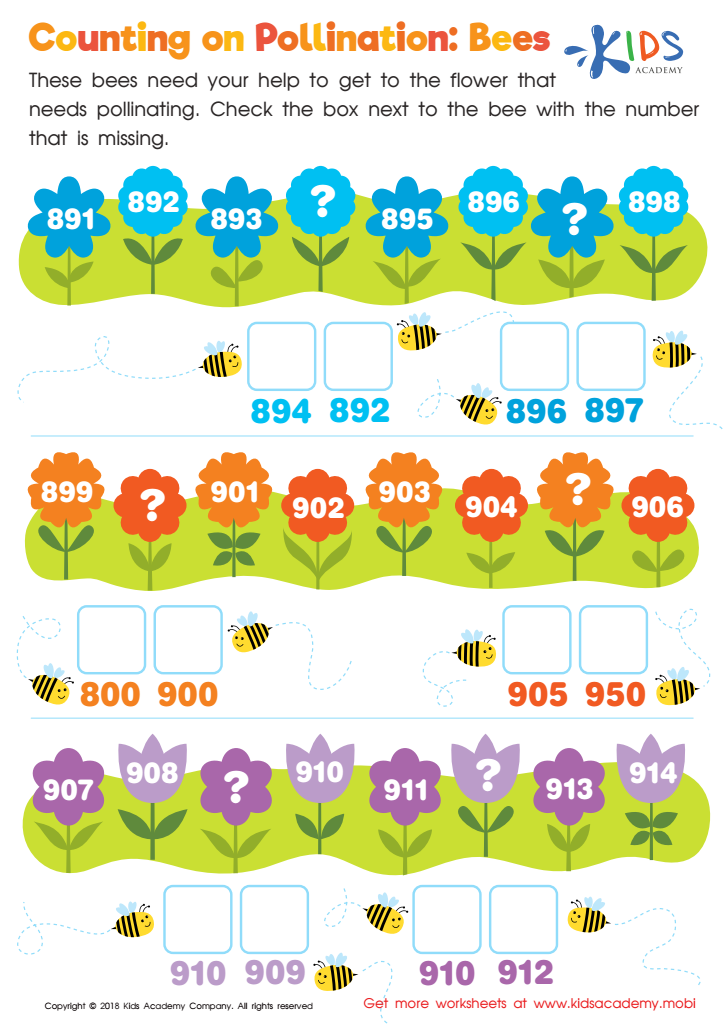
Counting on Pollination: Bees Worksheet
 Assign to My Students
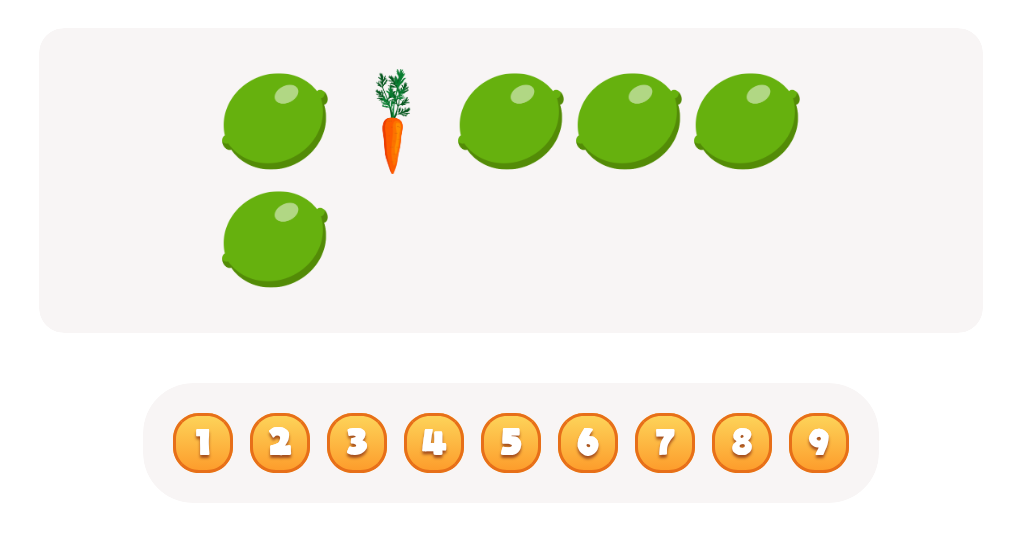

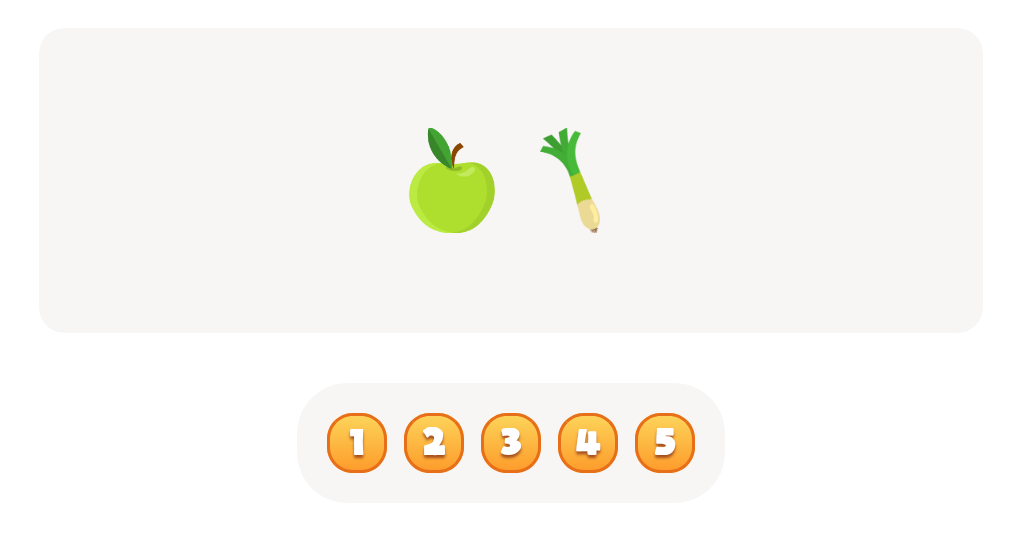
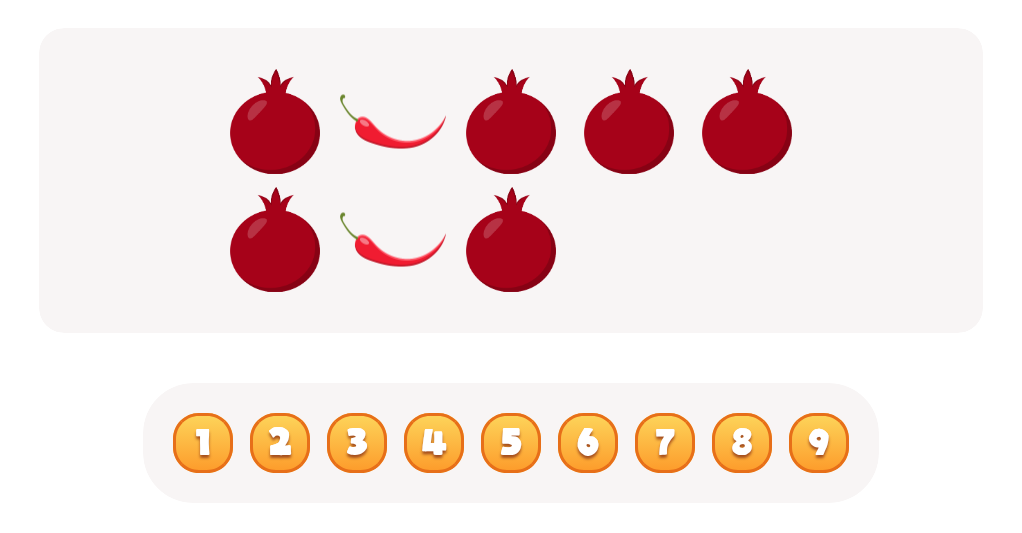
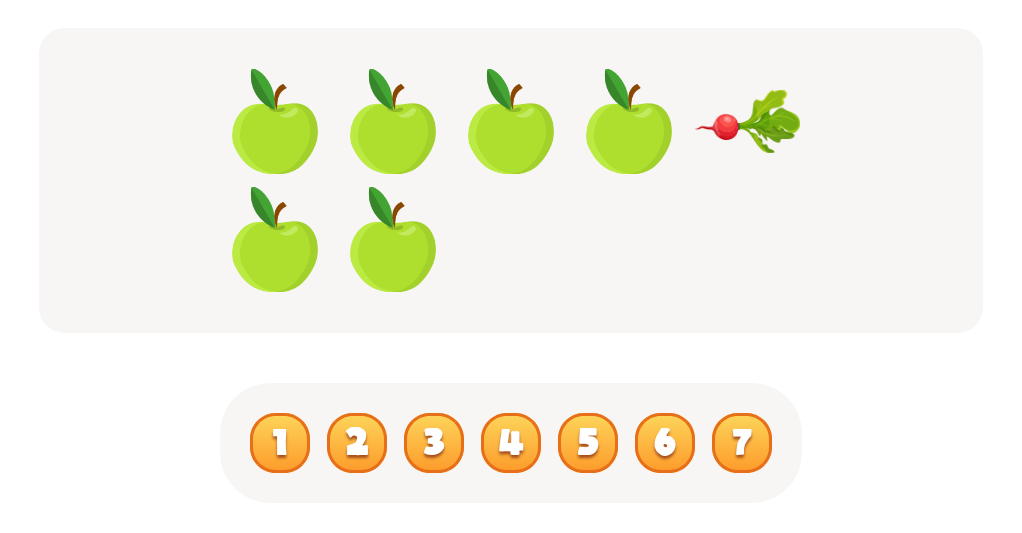
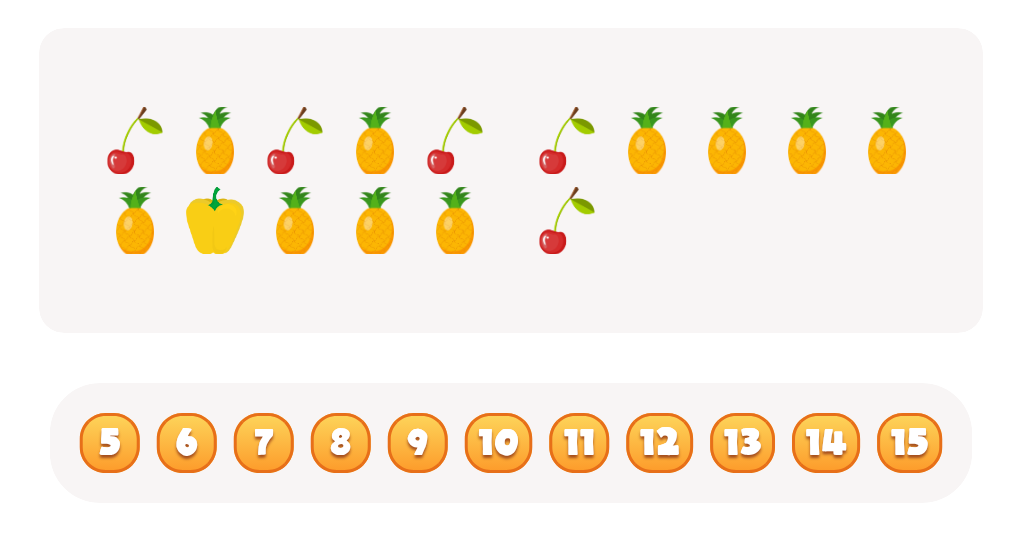
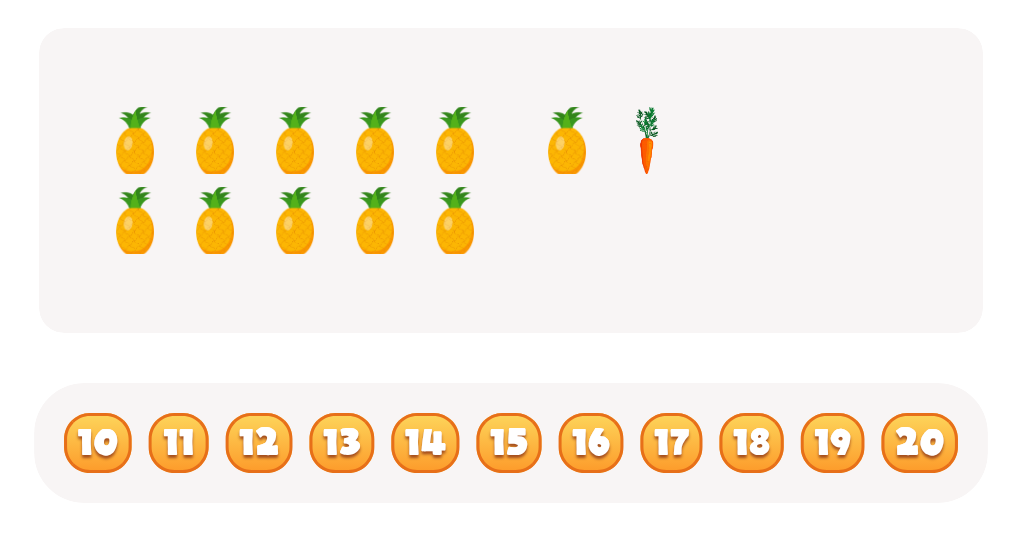
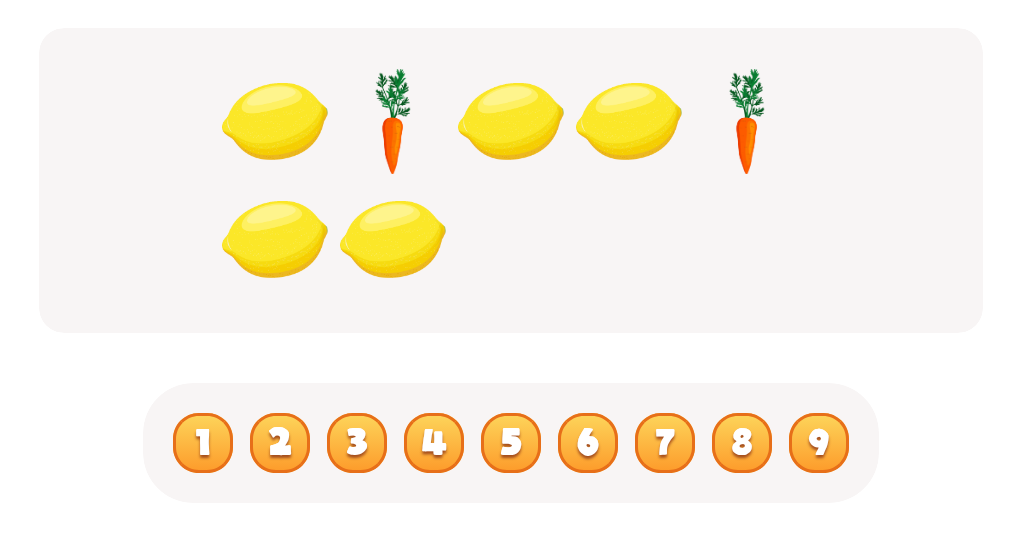
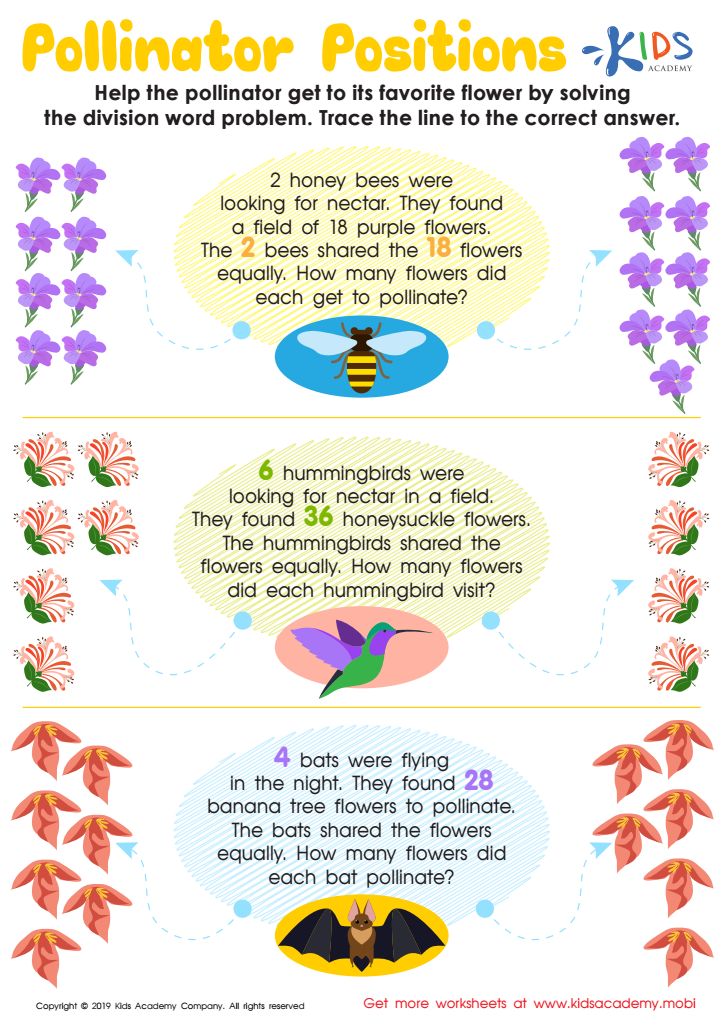
Pollinator Positions Worksheet
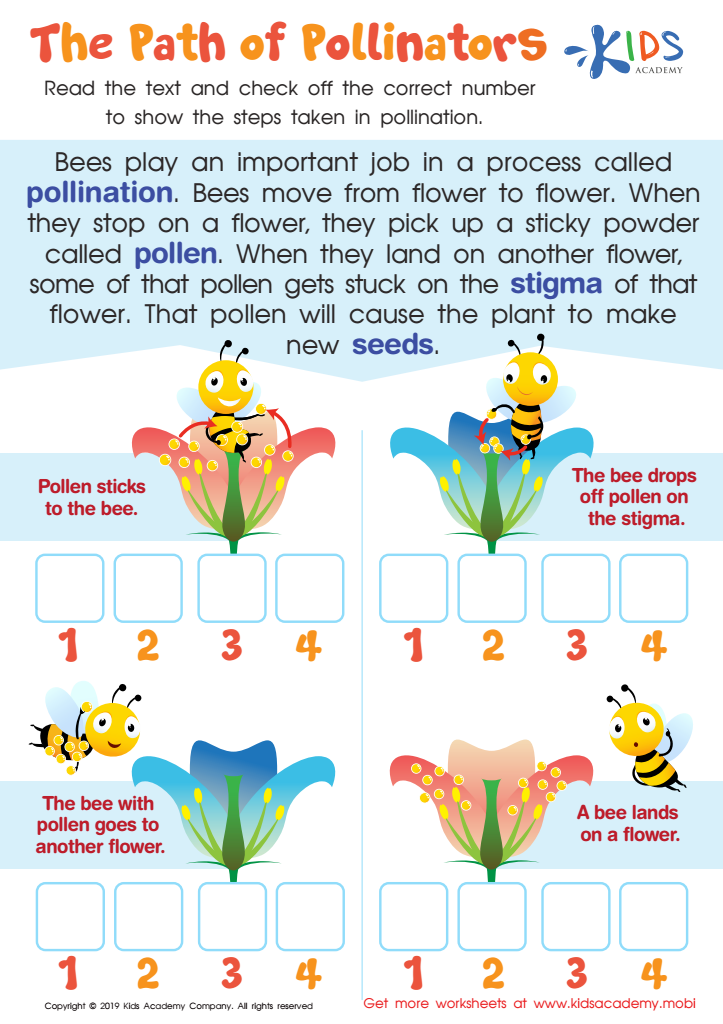
The Path of Pollinators Worksheet








Understanding pollination is crucial for children, especially those ages 4-7, as it lays the groundwork for their appreciation of nature and ecosystems. At this early age, kids are naturally curious about the world around them, and introducing them to concepts like pollination connects them to the environment in a meaningful way.
Pollination is a fundamental process that not only facilitates the reproduction of plants but also plays a key role in food production. By learning about pollinators—such as bees, butterflies, and birds—children can grasp the interconnectedness of plants and animals. This understanding fosters respect for living beings and emphasizes the importance of biodiversity.
Educators and parents who prioritize teaching about pollination help children cultivate healthy environmental habits, such as planting gardens and fostering a love for outdoor exploration. Educational activities that involve hands-on experiences, like growing flowers or visiting local gardens, can enhance their learning experience, making it both engaging and memorable.
Moreover, early education about pollination also equips children with knowledge critical for the future; as they grow, they will be more informed about environmental issues, conservation, and agriculture, empowering them to advocate for a sustainable future. Ultimately, this knowledge plants the seeds for responsible citizenship and ecological stewardship.







