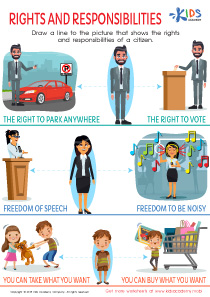
Spelling practice Normal Social Studies Worksheets for Ages 4-7
3 filtered results
Difficulty Level
Grade
Age
-
From - To
Subject
Activity
Standards
Enhance your little learner's spelling skills with our engaging Spelling Practice Social Studies Worksheets, designed specifically for children aged 4-7. These fun and interactive worksheets seamlessly integrate social studies concepts with essential spelling practice, making learning engaging and effective. Your child will explore exciting topics while developing their vocabulary and spelling proficiency. Each worksheet is tailored to reinforce spelling through themed activities, ensuring that young learners grasp key social studies ideas while they practice spelling words independently. Perfect for classroom use or at-home learning, our worksheets provide valuable resources to support your child’s education. Start their spelling journey today with these printable, captivating worksheets!
Favorites
With answer key
Interactive
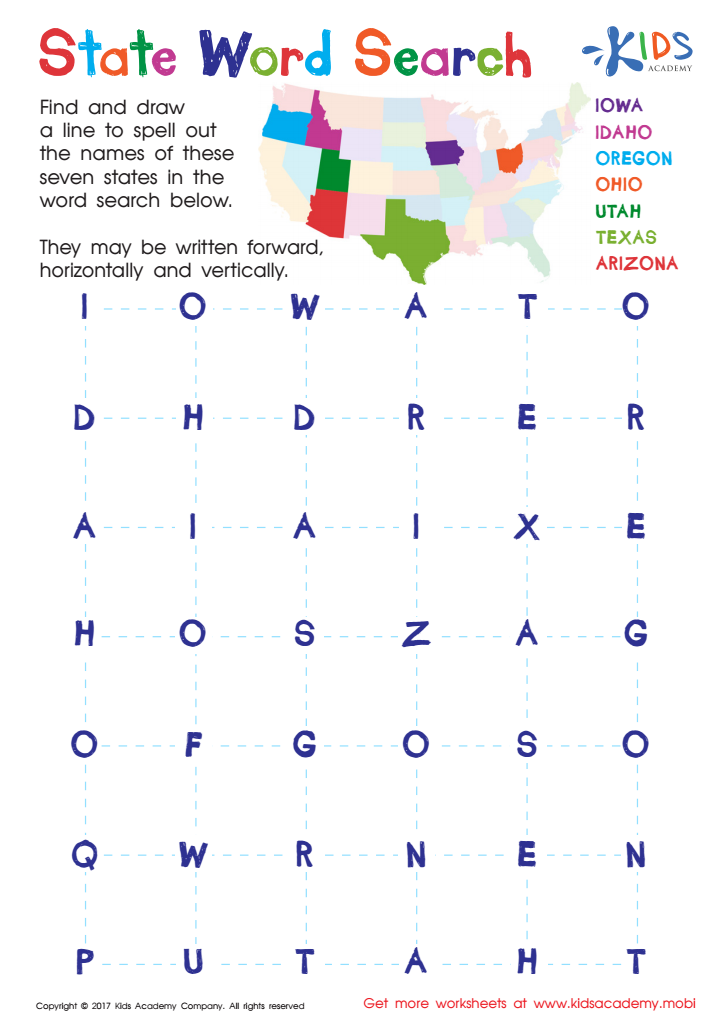
State Word Search Worksheet
Take a road trip across the US with this word search to help your child learn how to identify states. This engaging puzzle makes it easy to remember the 50 states. Get your kids to have fun and learn at the same time!
 Assign to My Students
State Word Search Worksheet
Worksheet
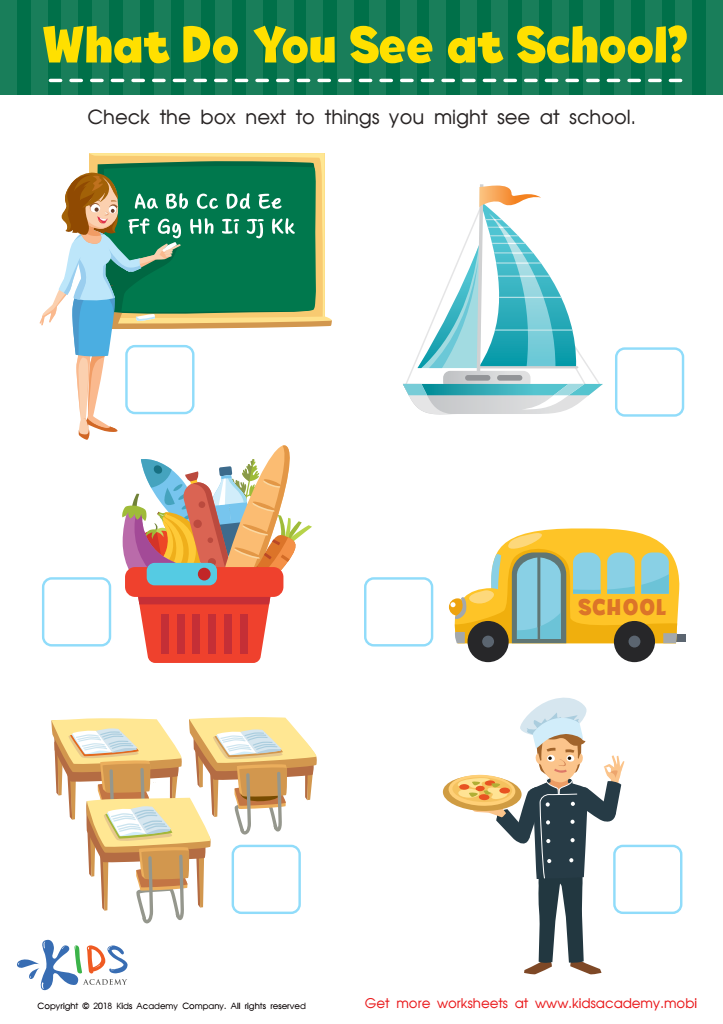
What Do you See at School? Worksheet
Have your kids give you a list of things they see at school. Then, view the worksheet together. Ask them to check the boxes next to the school items. Look for objects that can be found at school and those that don't belong. This is a great way to check their knowledge of what they see at school daily, except on weekends and holidays.
What Do you See at School? Worksheet
Worksheet
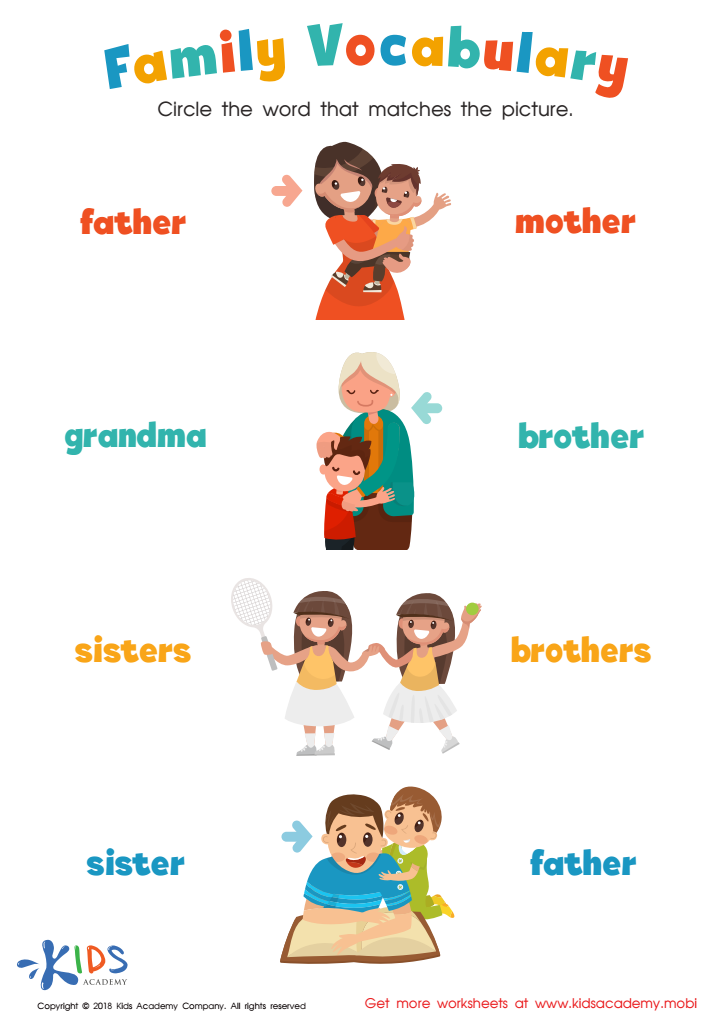
Family Vocabulary Worksheet
Students learn about families in social studies. This worksheet helps them identify family members by looking at a picture and circling the corresponding word. To extend their learning, ask them to talk about their own family members.
Family Vocabulary Worksheet
Worksheet
Join Kids Academy for Free
Who is primarily going to use this learning content?







Parents and teachers should prioritize spelling practice within the context of Social Studies for children aged 4-7 for several compelling reasons. First, literacy skills are foundational for overall academic success. Early spelling practice supports vocabulary building, enhances reading comprehension, and fosters effective communication, all of which are essential components of Social Studies, where understanding key terms and concepts is crucial.
Second, spelling instruction integrated with Social Studies enables children to connect their learning in a meaningful way. For example, while exploring historical figures or cultural concepts, children can learn to spell relevant words, deepening their comprehension and retention of the material. This integration also promotes critical thinking, as students relate their newfound vocabulary to real-world contexts and experiences.
Additionally, spelling practice boosts confidence for young learners. As they master spelling words related to their Social Studies lessons, they feel a sense of accomplishment, which can motivate them to engage more deeply with the content. Lastly, strong foundational spelling abilities laid during these early years can lead to more effective communication skills later in life, empowering children to share their perspectives on civic issues and become informed, active members of their communities. Engaging in this practice is thus vital for their growth as learners and citizens.