Cognitive Development Normal Writing Worksheets for Ages 4-7
5 filtered results
-
From - To
"Cognitive Development Normal Writing Worksheets for Ages 4-7" provide an excellent resource for young learners to enhance their writing skills while supporting crucial cognitive development. These engaging and educational worksheets are designed to promote problem-solving, critical thinking, and fine motor skills in children aged 4 to 7. With a variety of fun and interactive activities, children can practice letter formation, word recognition, and sentence structure. Our worksheets help build a solid foundation for reading and writing, setting kids up for academic success in school. Perfect for parents and educators aiming to strengthen early learning at home or in the classroom!
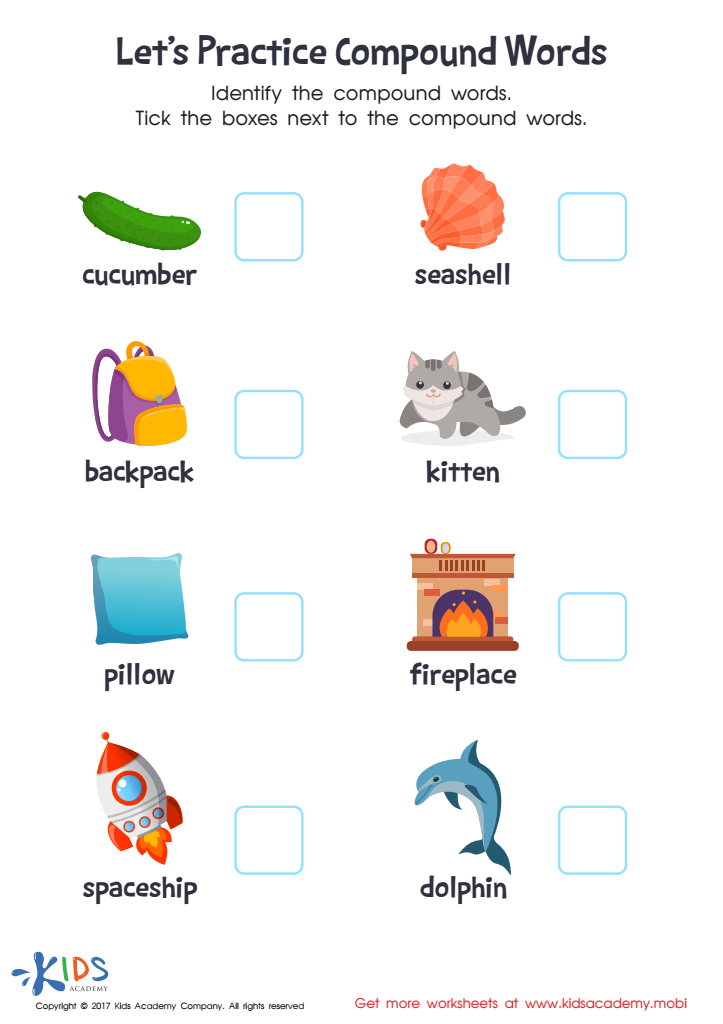
Let's Practice Compound Words Word Structure Worksheet
 Assign to My Students
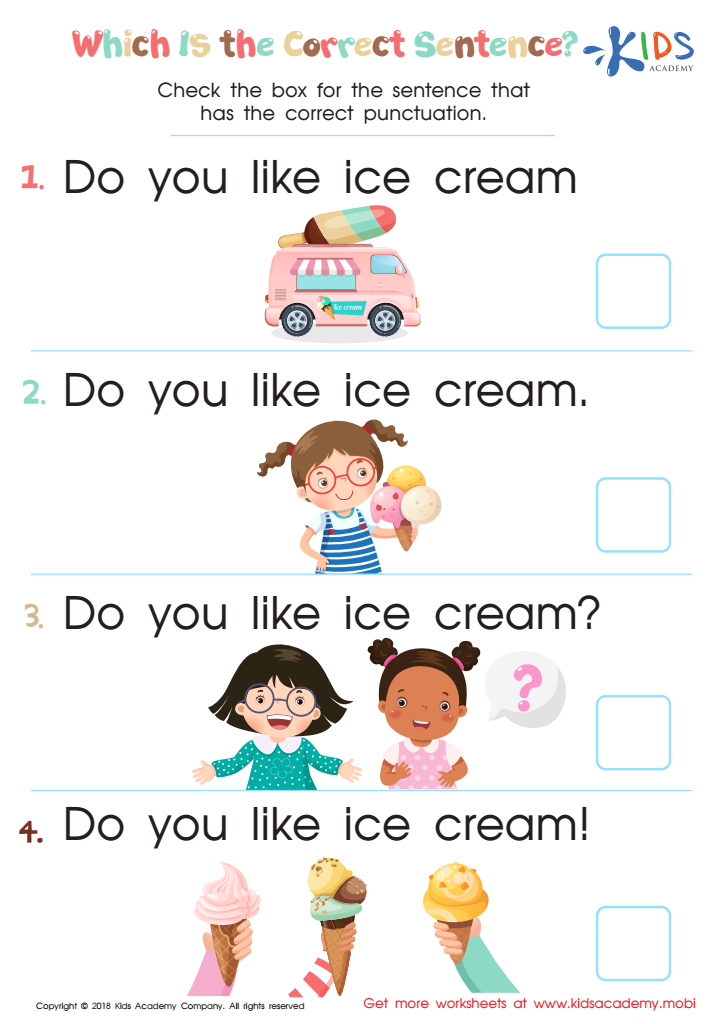
Which is the Correct Sentence? Worksheet

Red Tracing Color Words Printable
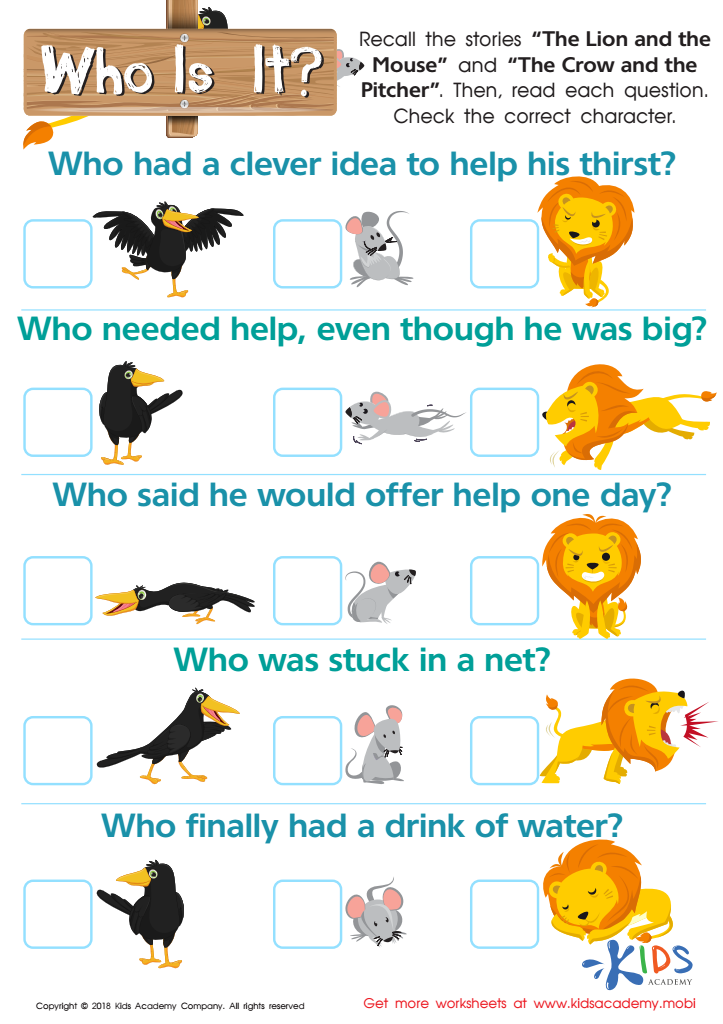
Who Is It? Worksheet
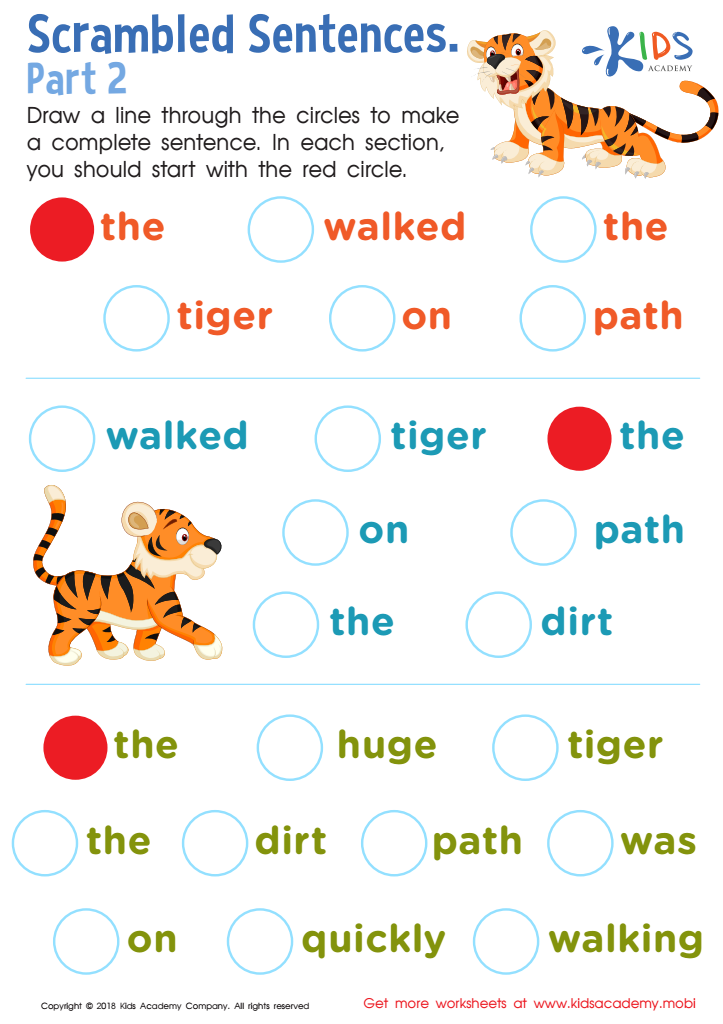
Scrambled Sentences Part 2 Worksheet








Caring about cognitive development in children aged 4-7 is vital because these early years are foundational for future learning and overall brain development. During this period, children undergo significant growth in their ability to think, reason, and understand the world around them. This stage, also known as the preoperational phase according to Piaget's theory, is crucial for developing essential skills like problem-solving, memory, and basic numerical understanding.
For parents and teachers, fostering cognitive development ensures that children build a strong foundation for knowledge acquisition and intellectual growth. Activities such as engaging in conversations, reading together, playing educational games, and encouraging imaginative play help stimulate cognitive abilities. These interactions also aid in acquiring language skills, improving attention span, and enhancing social understanding.
Moreover, supporting cognitive development at this stage sets the groundwork for academic success. Children who receive stimulation and appropriate educational experiences are more likely to excel in school and have positive attitudes towards learning. Ignoring this critical stage can lead to potential difficulties in later academic and social environments.
Therefore, by prioritizing cognitive development in ages 4-7, parents and teachers play a pivotal role in shaping well-rounded, inquisitive, and confident learners who are prepared for future educational challenges.