Vocabulary expansion Normal Writing Worksheets for Ages 4-7 - Page 2
29 filtered results
-
From - To
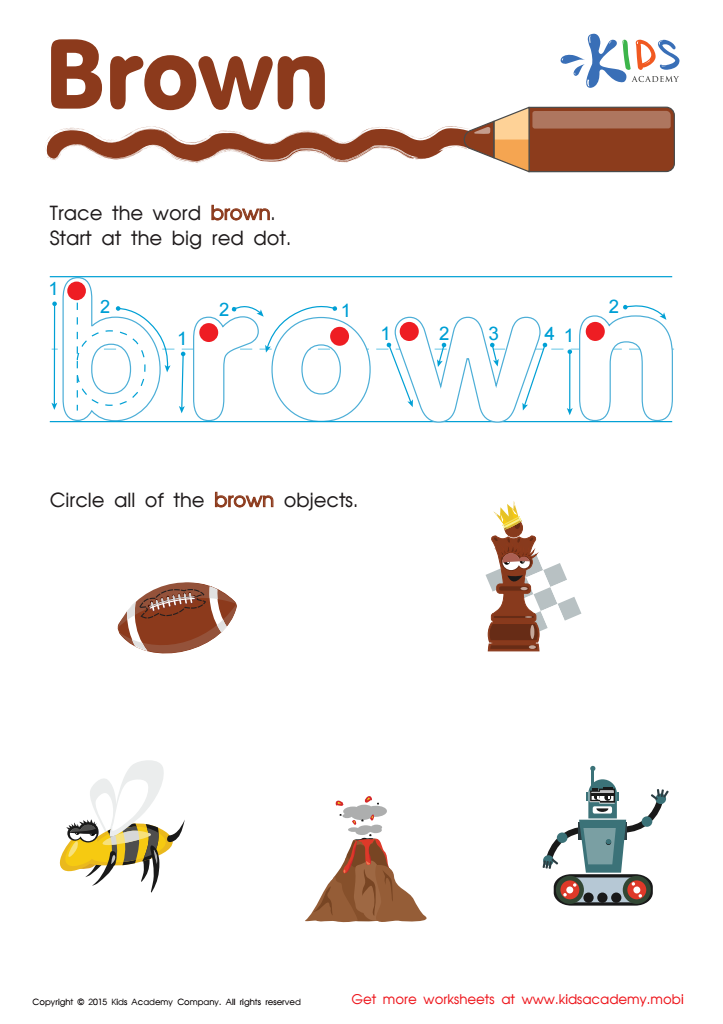
Brown Tracing Color Words Worksheet
 Assign to My Students
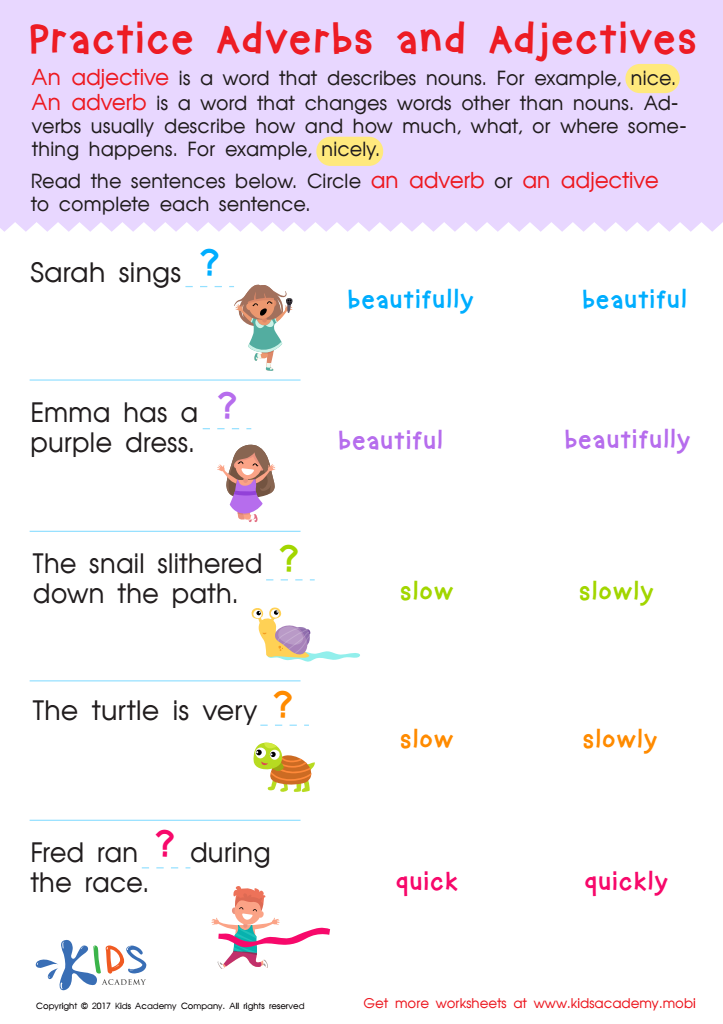
Adverbs and Adjectives Worksheet
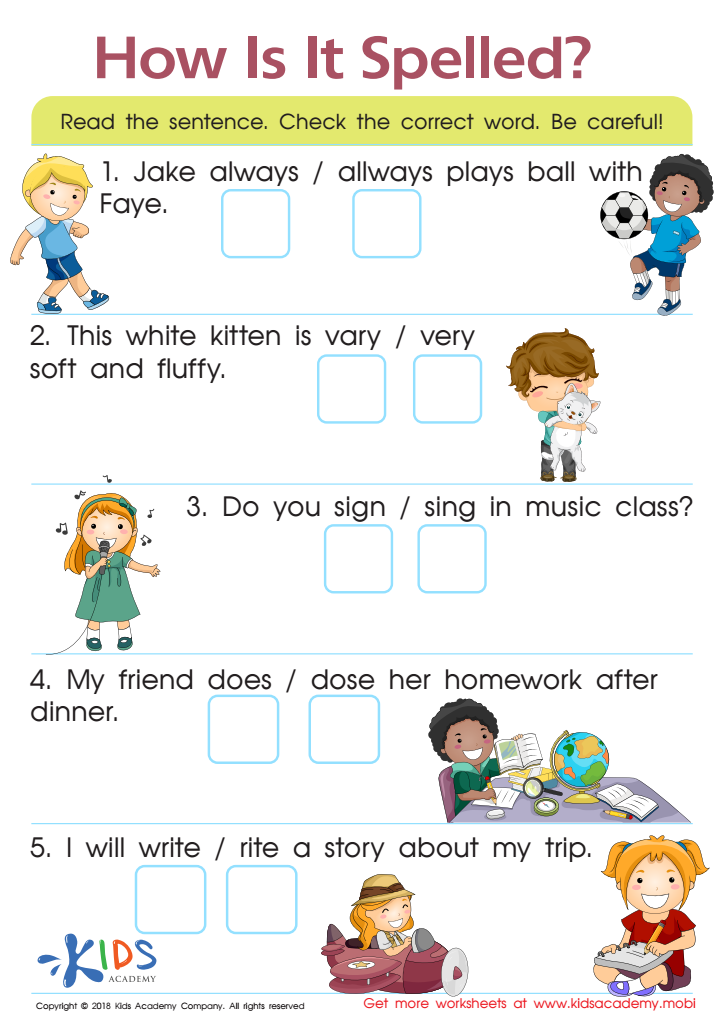
How is it spelled? Worksheet
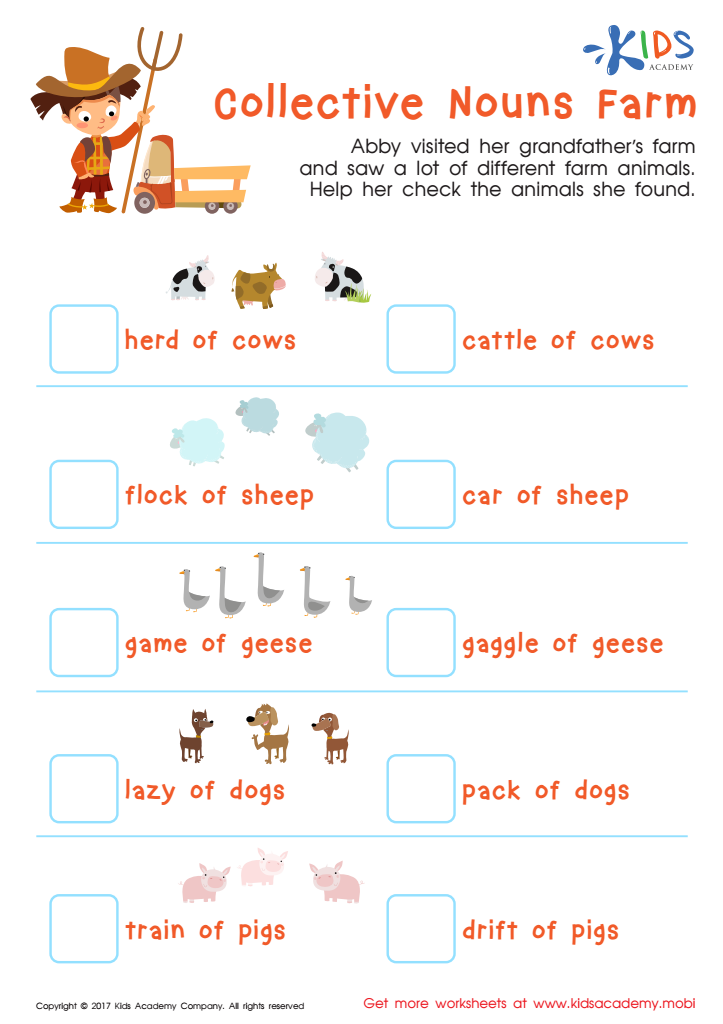
Collective Nouns Worksheet
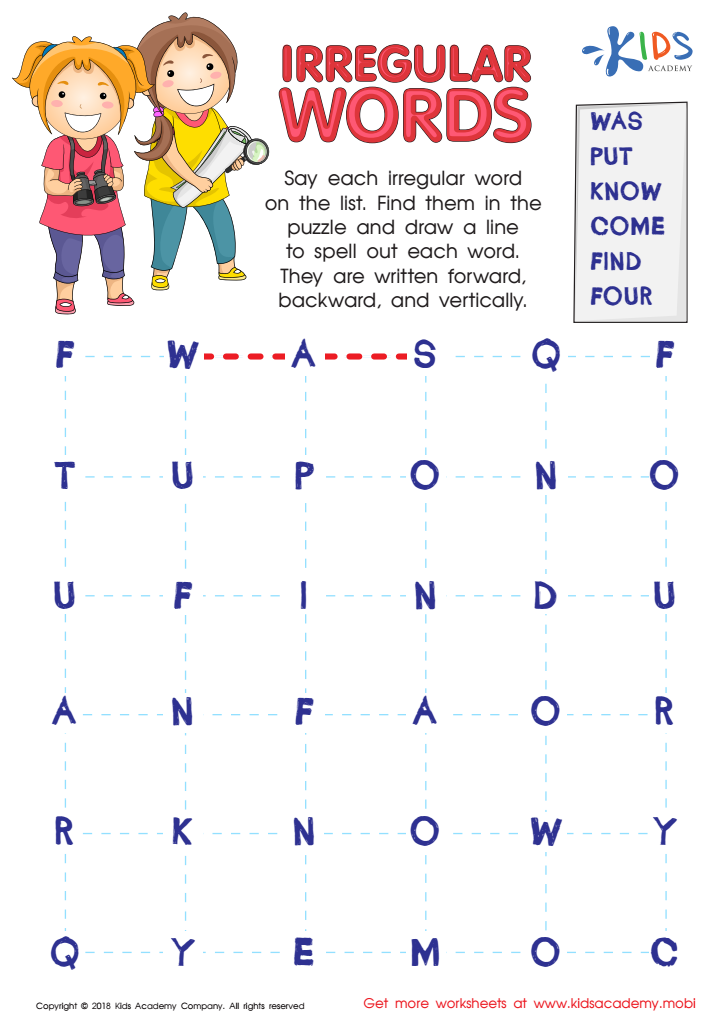
Irregular Words Worksheet


.jpg)





Expanding vocabulary in children ages 4-7 is crucial for their overall development, both academically and socially. At this young age, children's brains are incredibly receptive to new information, and enhancing their vocabulary can significantly impact their cognitive abilities. A robust vocabulary lays the foundation for reading and writing skills, which are essential for academic success. When children understand more words, they can comprehend texts better, enjoy stories more fully, and express themselves more clearly.
In social contexts, a rich vocabulary allows children to communicate their thoughts, needs, and feelings more effectively. This ability to articulate can lead to stronger peer relationships and foster self-confidence. Moreover, engaging in conversations boosts their listening skills and understanding of social cues.
Parents and teachers can support vocabulary expansion through various activities, such as reading aloud, engaging in conversations, and playing word games. Reading diverse and age-appropriate books exposes children to new words in context, enhancing comprehension and retention. Through these nurturing activities, vocabulary becomes more than just words; it forms a cornerstone of learning and personal growth that can benefit children throughout their lives.
By investing in vocabulary development, parents and teachers help children build a strong educational foundation and critical communication skills essential for their future success.