Letter Tracing Normal Alphabet Worksheets for Ages 4-8
6 filtered results
-
From - To
Enhance your child's writing skills with our Letter Tracing Normal Alphabet Worksheets designed for ages 4-8! These engaging worksheets provide a fun and interactive way for young learners to practice tracing letters, improving their fine motor skills and hand-eye coordination. Each worksheet features both uppercase and lowercase letters in a clear, easy-to-follow format, fostering proper letter formation. Perfect for preschool and early elementary students, our resources support early literacy development and boost confidence in writing. Download and print these worksheets at home or in the classroom to inspire a love for learning through play! Start tracing happiness today!
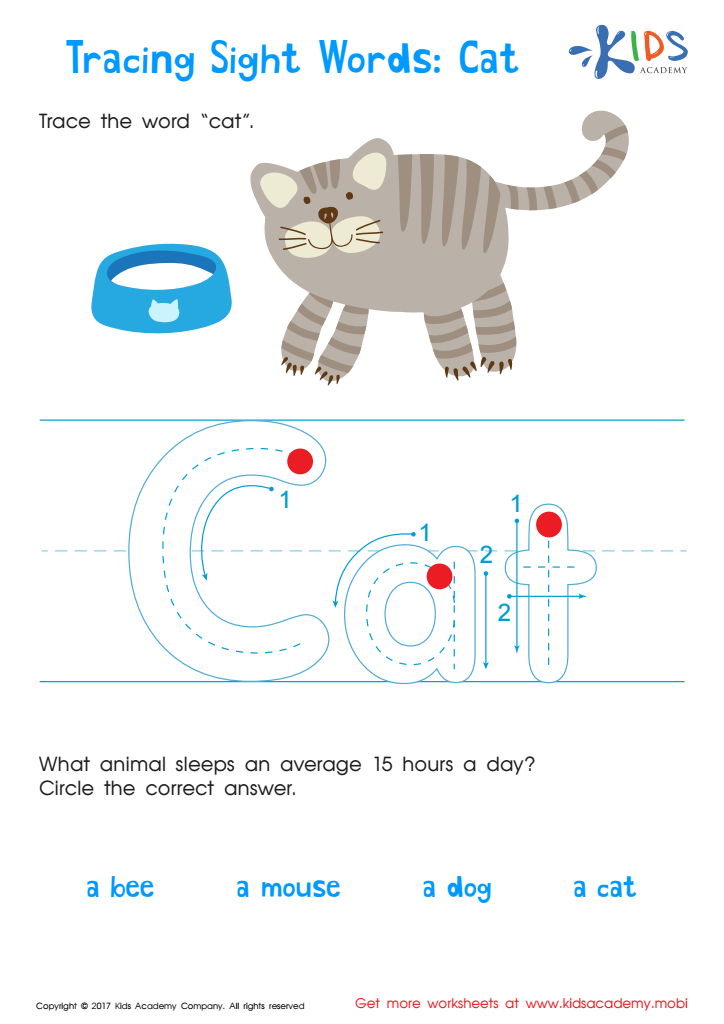
Cat Printable Sight Words Worksheet
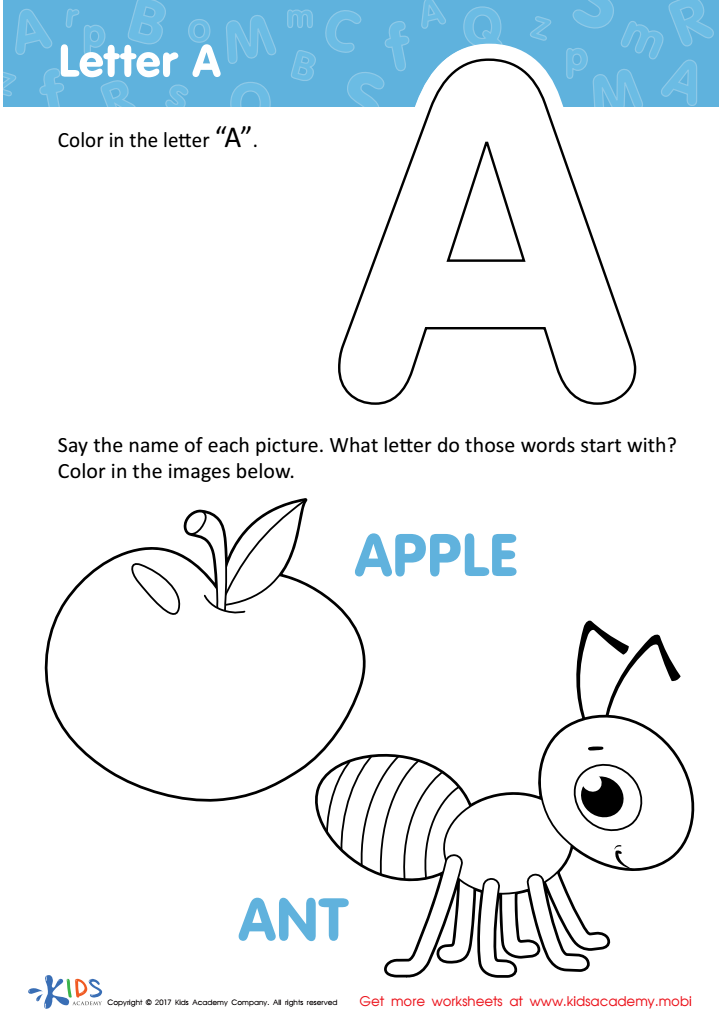
Letter A Coloring Sheet
 Assign to My Students
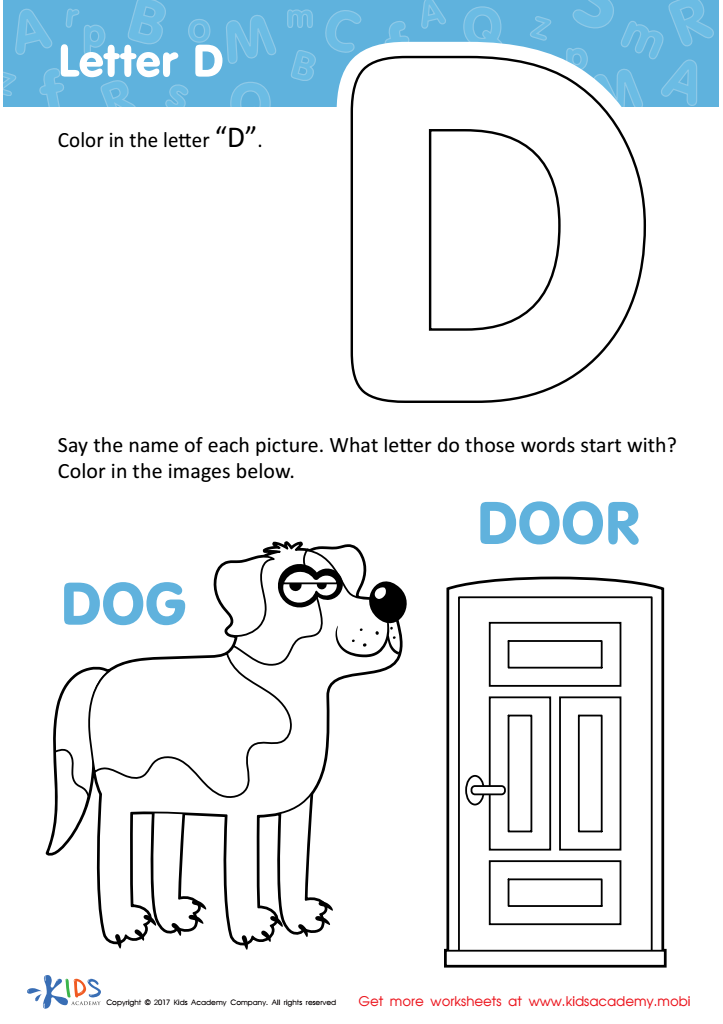
Letter D Coloring Sheet
Assign to My Students
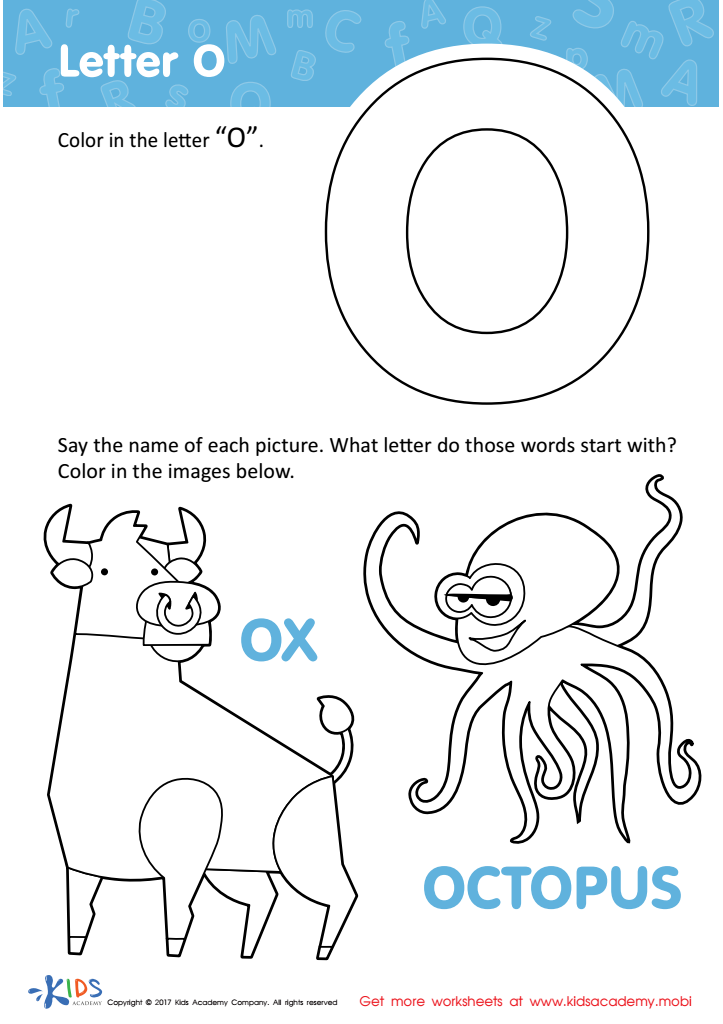
Letter O Coloring Sheet
Assign to My Students
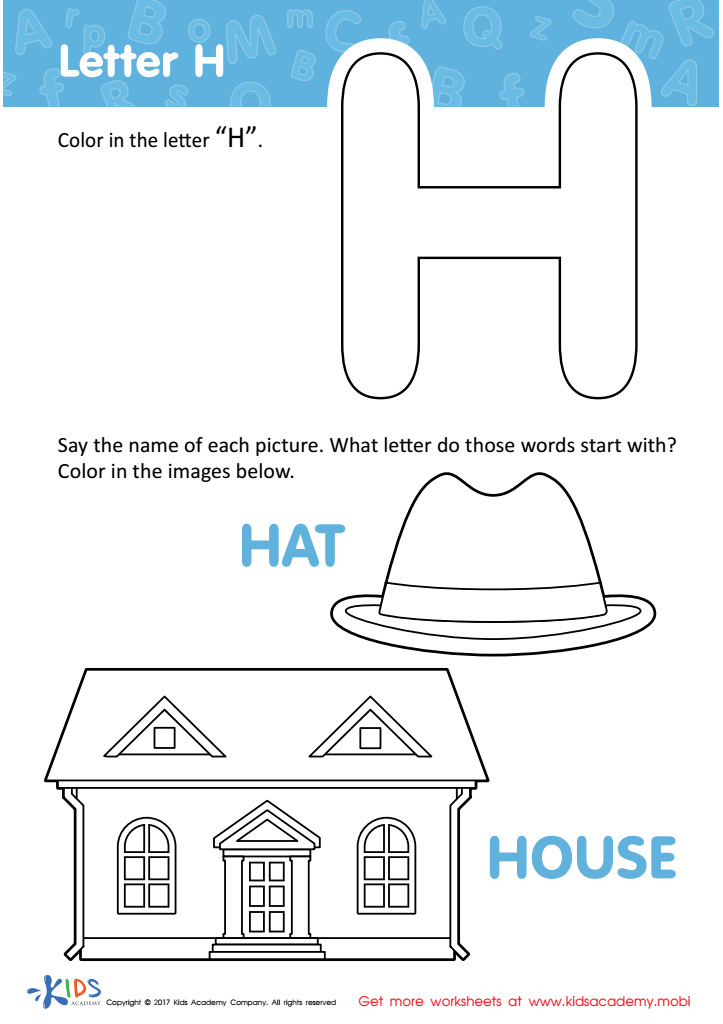
Letter H Coloring Sheet
Assign to My Students
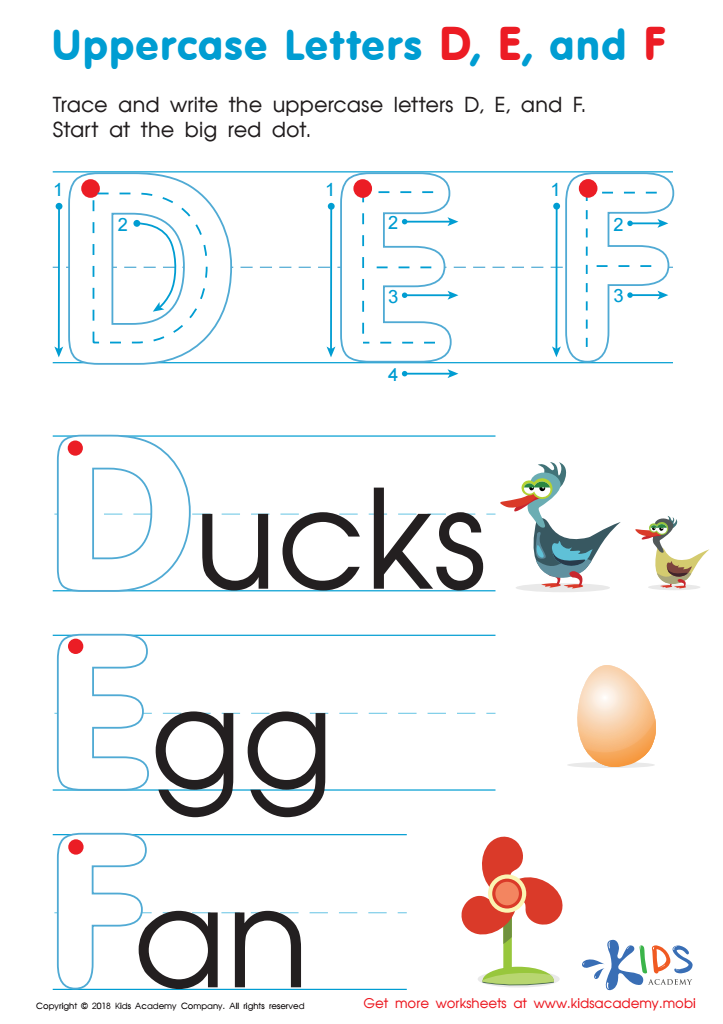
Uppercase Letters D, E, and F Worksheet







Parents and teachers should prioritize letter tracing for children aged 4-8 because it plays a crucial role in early literacy development. Tracing letters helps young learners strengthen their fine motor skills, which are essential for writing and other hand-eye coordination tasks. As children trace letters, they engage in shape recognition, promoting familiarity with the alphabet and enhancing their visual discrimination skills.
Furthermore, the act of tracing allows kids to practice proper handwriting techniques, such as size, spacing, and letter formation, creating a foundation for legible writing. Establishing these skills early on can prevent issues later in their education.
In addition to the physical benefits, letter tracing fosters cognitive growth by encouraging children to associate letters with sounds, setting the stage for phonemic awareness and early reading skills. The repetition involved in tracing reinforces learning and memory retention, making it an effective instructional strategy.
Moreover, this activity can be tailored to make learning enjoyable through various themes and materials that appeal to younger audiences. Ultimately, letter tracing is not just about writing; it weaves together fine motor, cognitive, and emotional skills, providing a holistic approach to early education that can significantly influence a child's future academic success.







