Alphabet Recognition Normal Letter Recognition Worksheets for Ages 4-8 - Page 2
30 filtered results
-
From - To
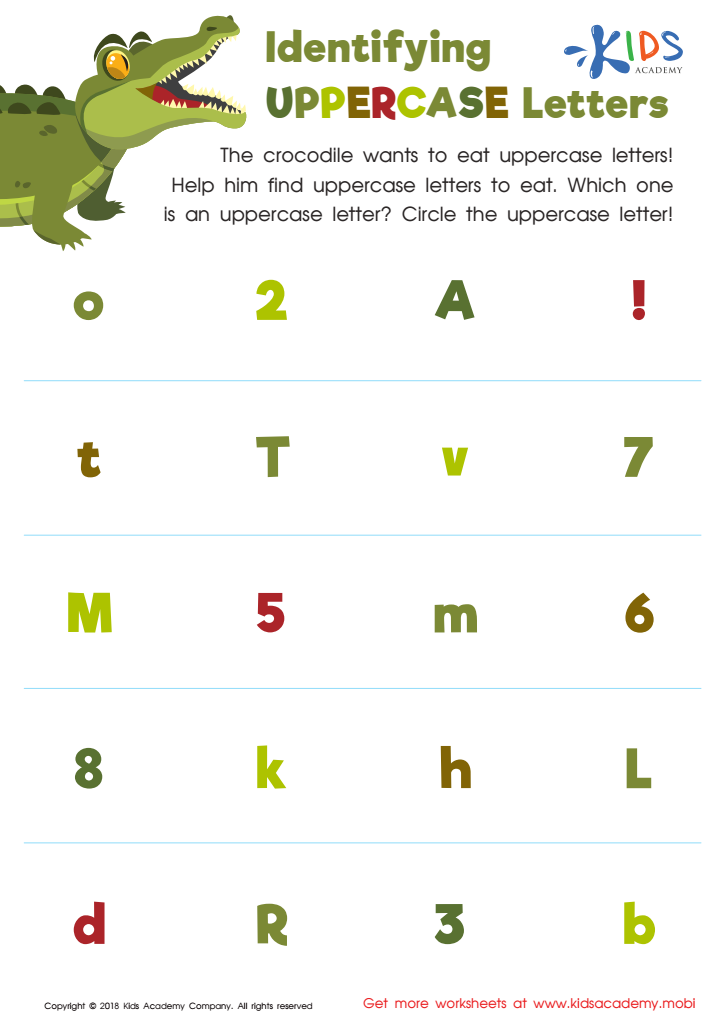
Identifying Uppercase Letters Worksheet
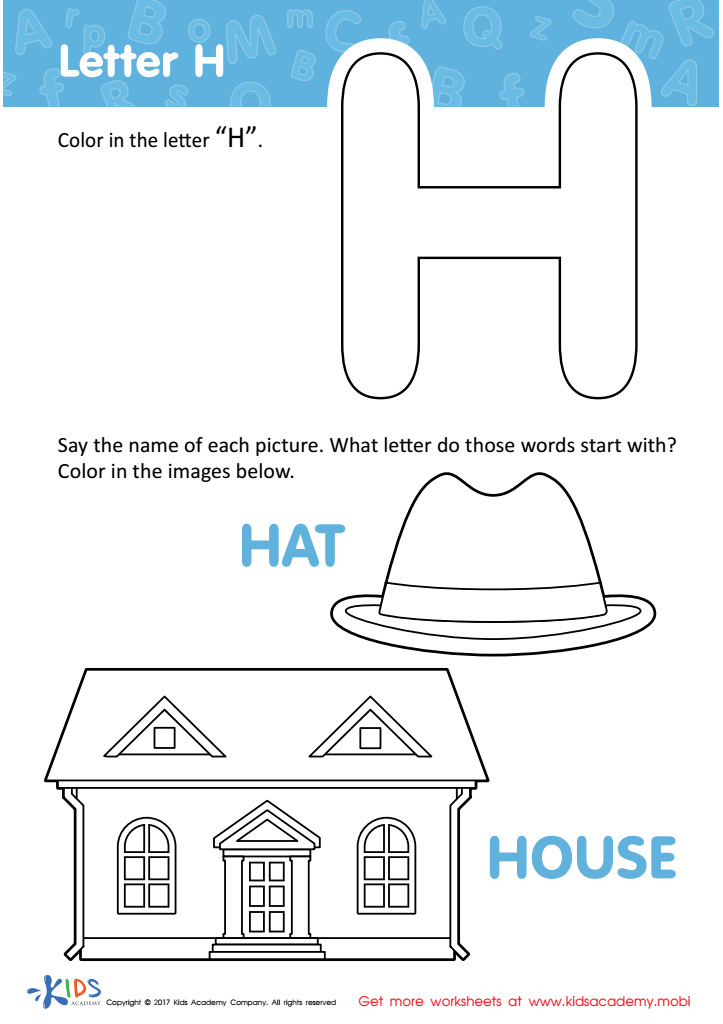
Letter H Coloring Sheet
 Assign to My Students
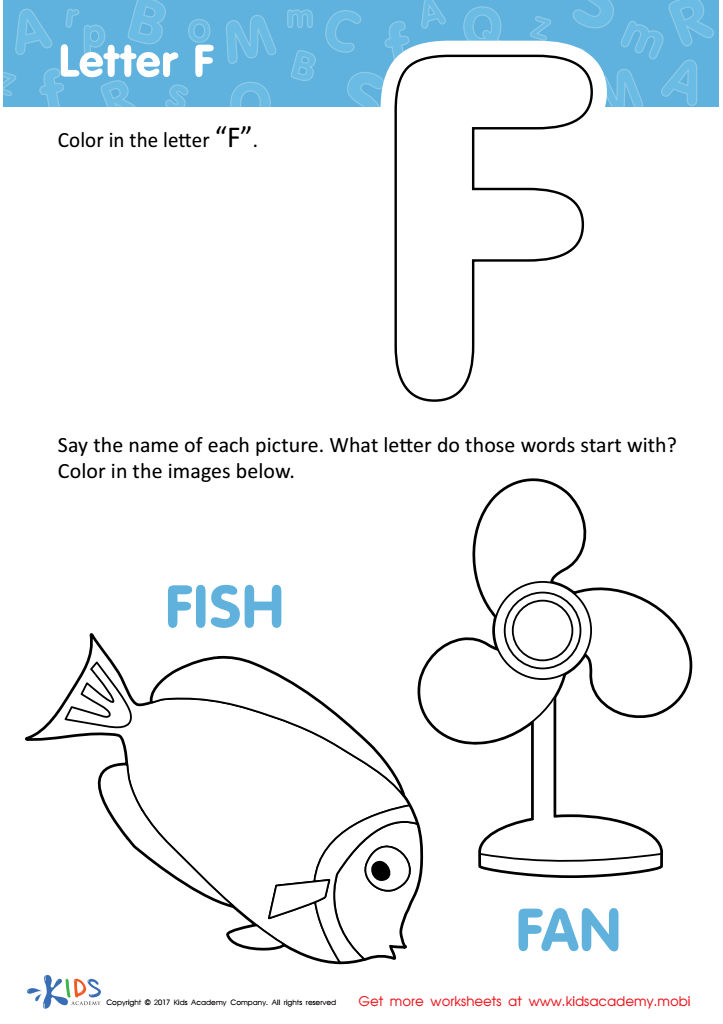
Letter F Coloring Sheet
Assign to My Students
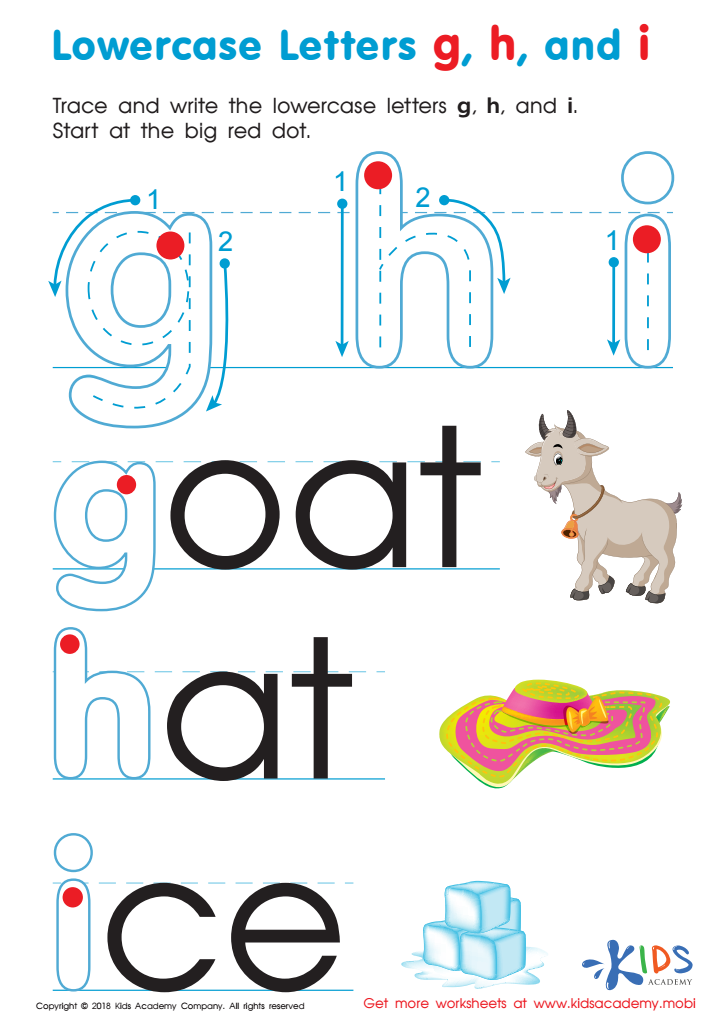
Lowercase Letters g h i Worksheet
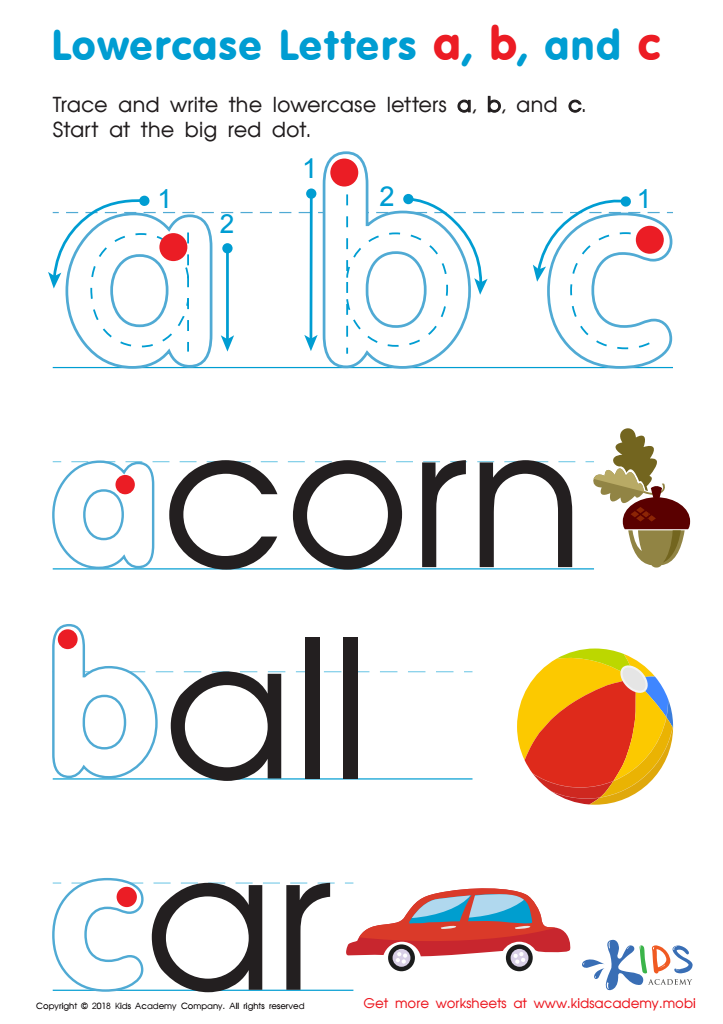
Lowercase Letters a b c Worksheet
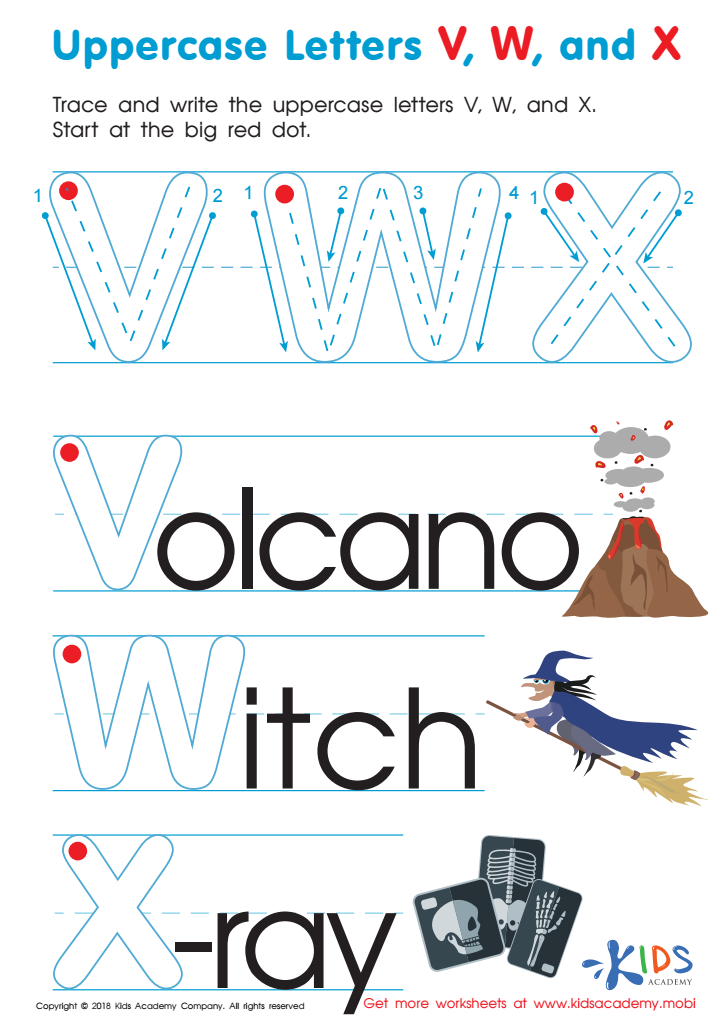
Uppercase Letters V, W, and X Worksheet








Parents and teachers should prioritize Alphabet Recognition and Normal Letter Recognition for children ages 4-8 due to its foundational importance in literacy development. Mastery in recognizing letters and distinguishing between them sets the stage for effective reading and writing skills, which are crucial for academic success. At this developmental stage, children's brains are especially receptive to learning material, making it an ideal time to introduce and reinforce these essential skills.
Furthermore, alphabet recognition is closely linked with phonemic awareness—the ability to hear, identify, and manipulate vowel sounds—which is another critical component of becoming proficient in reading. Early competency in recognizing and understanding letters enables children to decipher new words, enhancing their vocabulary and comprehension. Differentiating between similar letters also boosts visual discrimination skills, aiding in the recognition of patterns and fostering attention to detail.
Beyond academics, a strong grasp of letters and their sounds empowers children with confidence and motivation in the learning process. This encourages a positive attitude towards reading and learning in general, laying the groundwork for future educational success. By focusing on alphabet and letter recognition, parents and teachers are ensuring that children build a robust educational foundation that will support ongoing literacy and cognitive development.








