Alphabet understanding Normal Letter Recognition Worksheets for Ages 4-8
5 filtered results
-
From - To
Welcome to our engaging "Alphabet Understanding: Normal Letter Recognition Worksheets" designed for ages 4-8! These educational resources provide a fun and interactive way for young learners to familiarize themselves with the alphabet. Each worksheet focuses on letter recognition, helping children identify and distinguish between uppercase and lowercase letters through various activities. Whether your child is just beginning to learn their letters or reinforcing their skills, our worksheets are perfect for developing foundational literacy. Explore our collection and support your child's journey in mastering the alphabet while cultivating a love for reading and writing. Let's make learning exciting and enjoyable together!
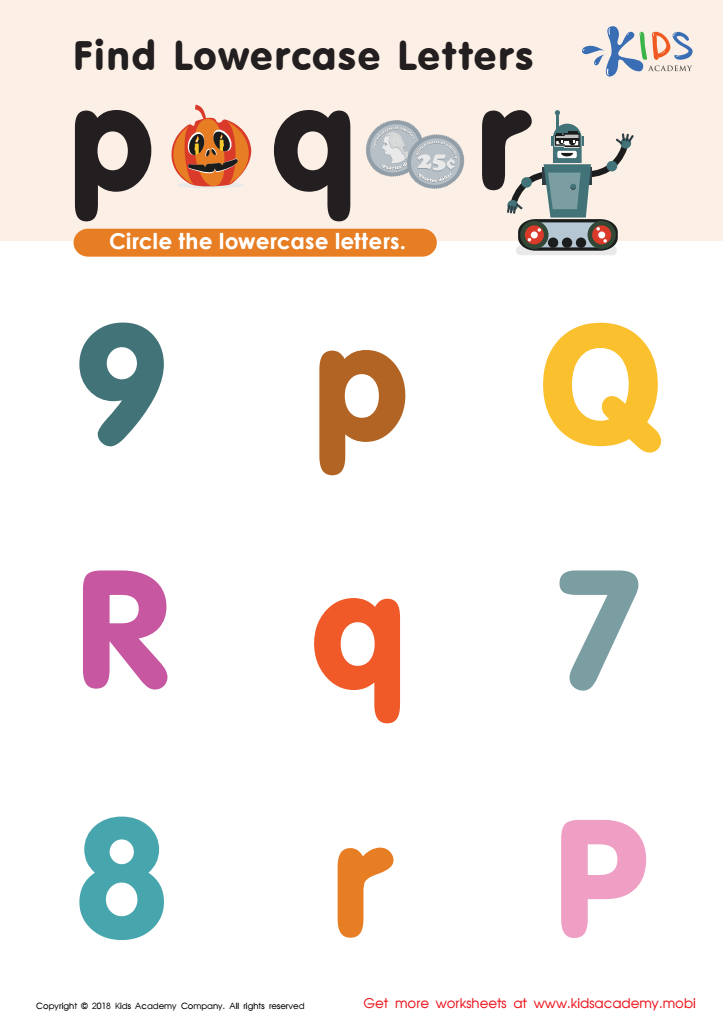
Find lowercase Letters p q r Worksheet
 Assign to My Students
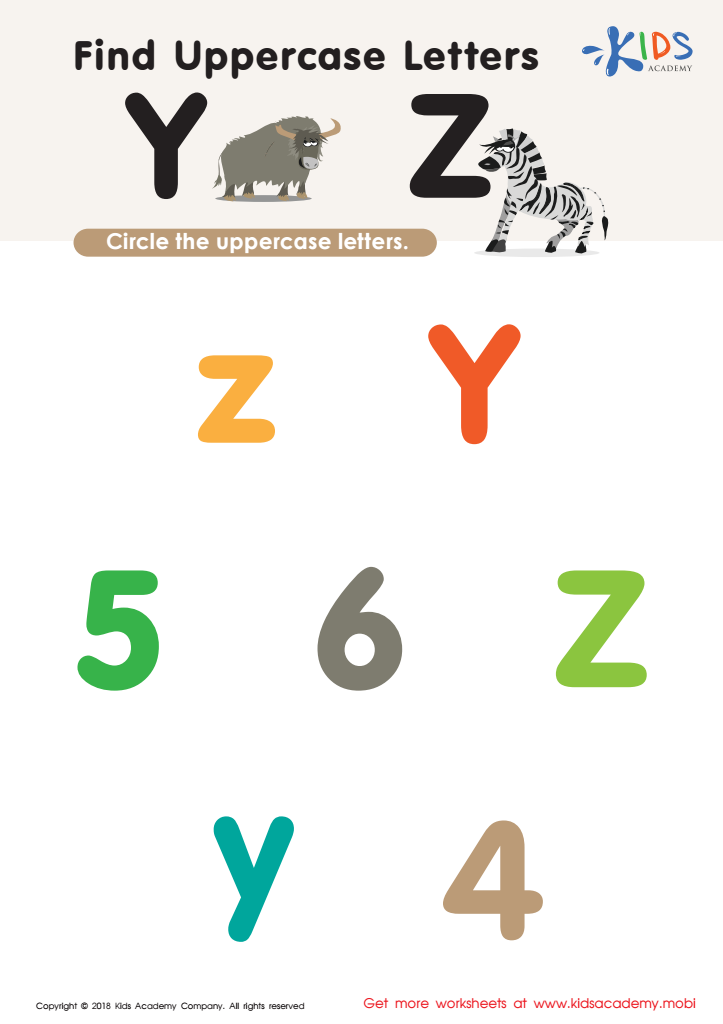
Find Uppercase Letters Y Z Worksheet
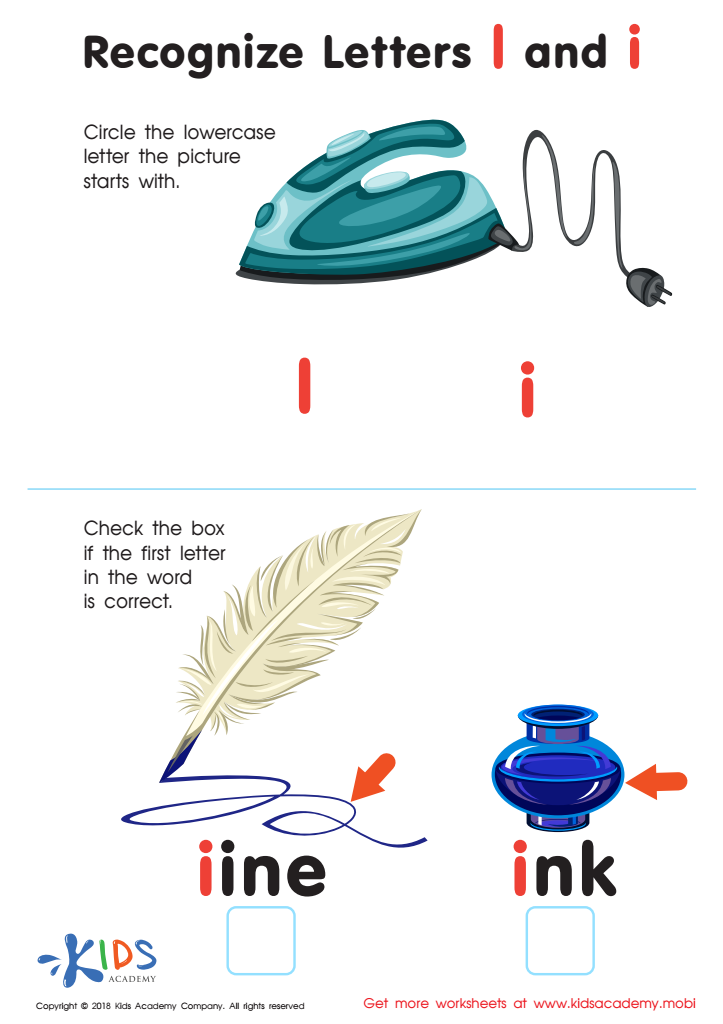
Recognize Letters l and i Worksheet
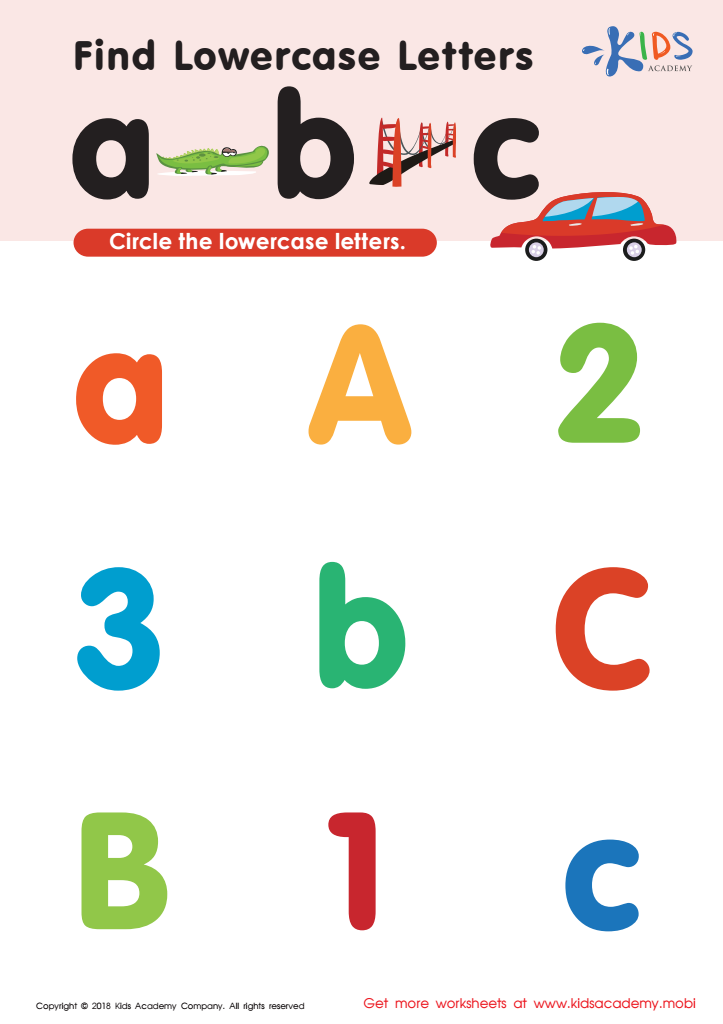
Find lowercase letters a b c Worksheet
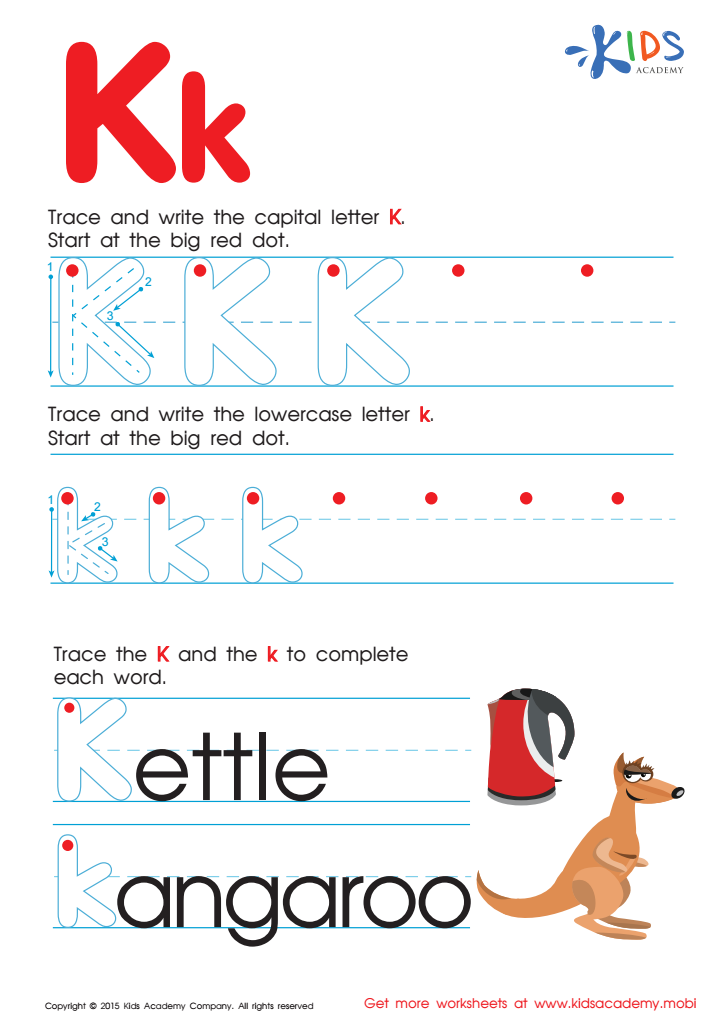
Letter K Tracing Page








Understanding normal letter recognition is vital for children aged 4-8 as it lays the foundation for their reading and writing skills. During these formative years, identifying letters not only helps children decode words but also enhances their overall literacy development. When parents and teachers prioritize alphabet understanding, they empower children to explore the world of books and language with confidence.
Recognizing letters is linked not just to reading, but also to cognitive development. It sharpens memory and critical thinking skills as children learn to connect sounds with symbols. This age group is also highly receptive to learning through play; therefore, engaging activities that promote letter recognition can transform learning into a fun, interactive experience.
Moreover, early proficiency in letter recognition fosters a positive attitude toward reading, which is crucial for lifelong literacy habits. It aids in reducing frustration as children progress in school, allowing them to engage with more complex texts with ease. By nurturing alphabet understanding, parents and teachers create a supportive learning environment that emphasizes the importance of reading, paving the way for academic success and a love for learning. Ultimately, prioritizing letter recognition contributes to a child's overall educational journey.








