Hand-eye Coordination Normal Letter Recognition Worksheets for Ages 4-8
7 filtered results
-
From - To
Enhance your child’s alphabet skills with our Hand-eye Coordination Normal Letter Recognition Worksheets for ages 4-8 at Kids Academy. Carefully designed to merge fun and learning, these worksheets help young learners practice letter identification while boosting their hand-eye coordination. With a variety of engaging activities such as tracing, matching, and coloring, these exercises support early literacy development and fine motor skills. Ideal for both at-home learning and classroom use, our worksheets ensure that kids build a solid foundation in recognizing letters, fostering confidence and success in reading. Get started on a path to alphabet mastery today!
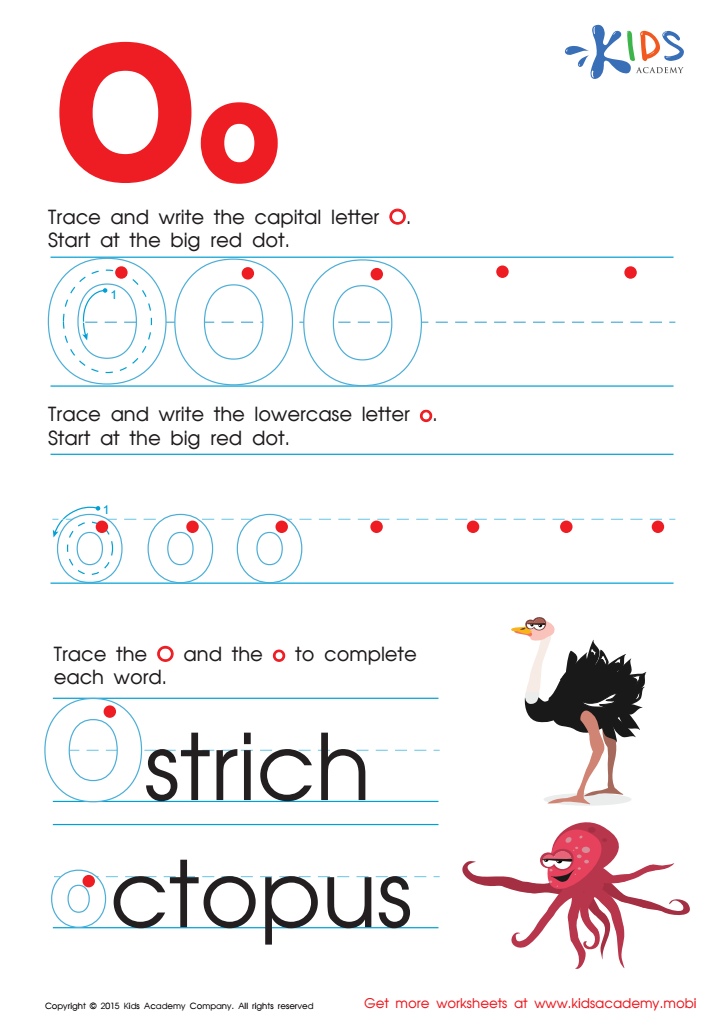
Letter O Tracing Page
 Assign to My Students
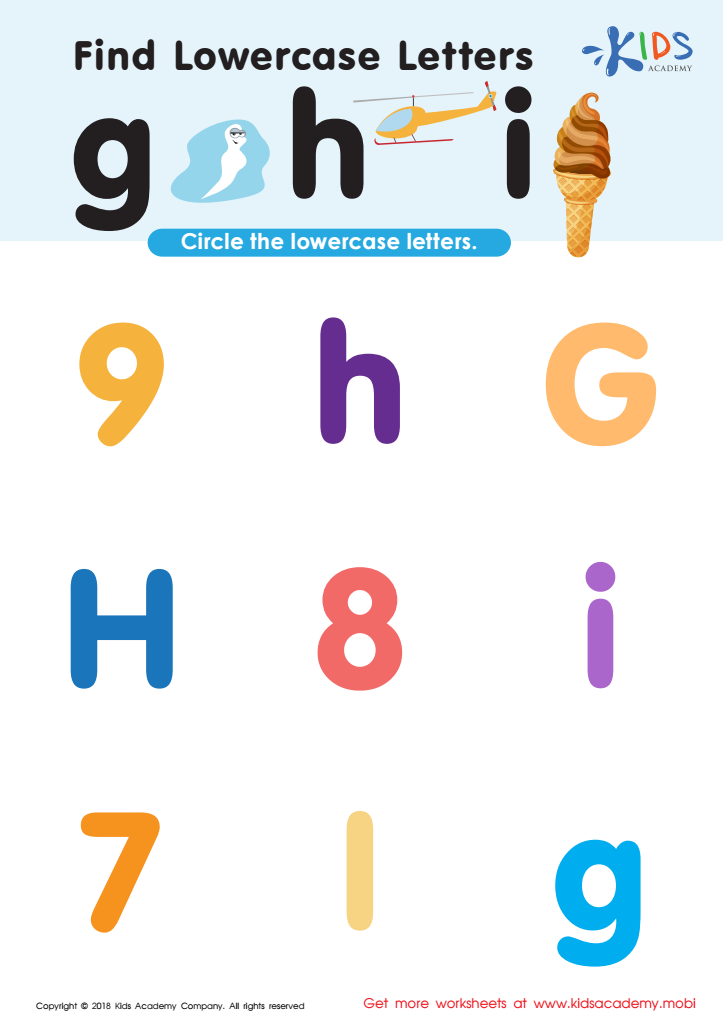
Find Lowercase Letters g h i Worksheet
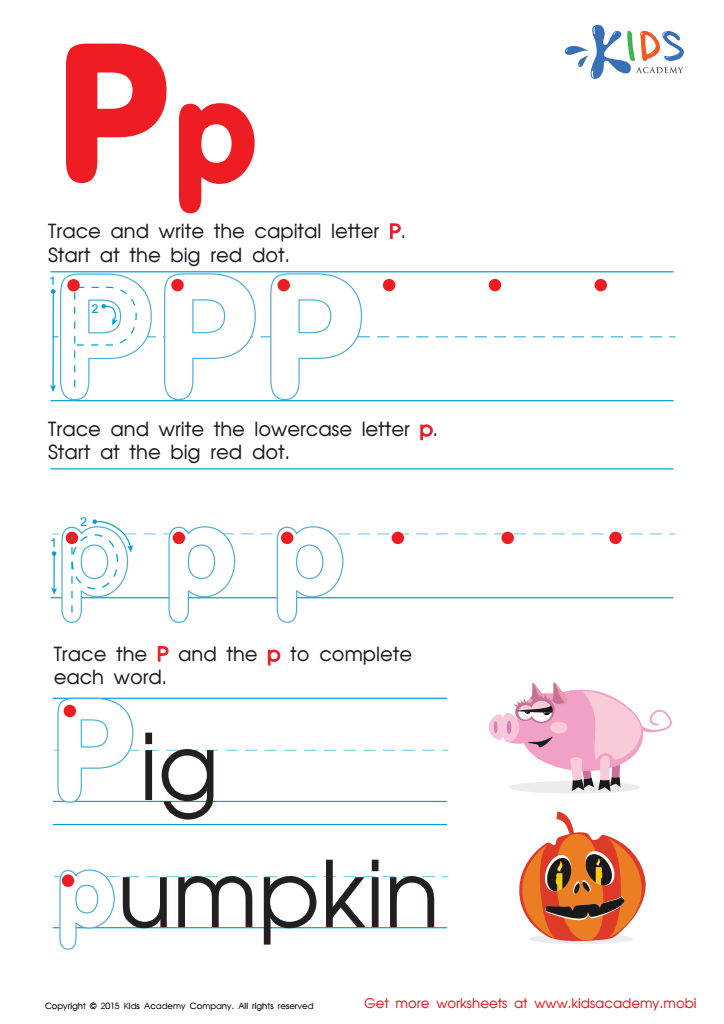
Letter P Tracing Page

Letter H Tracing Page
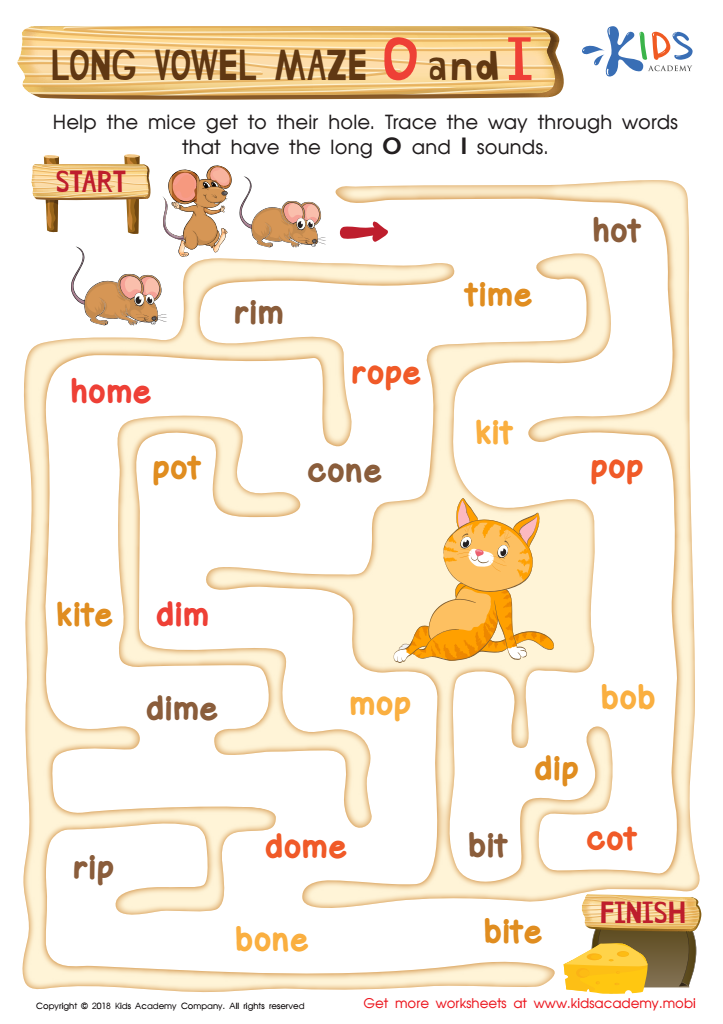
Long Vowel Maze /o/ and /i/ Worksheet
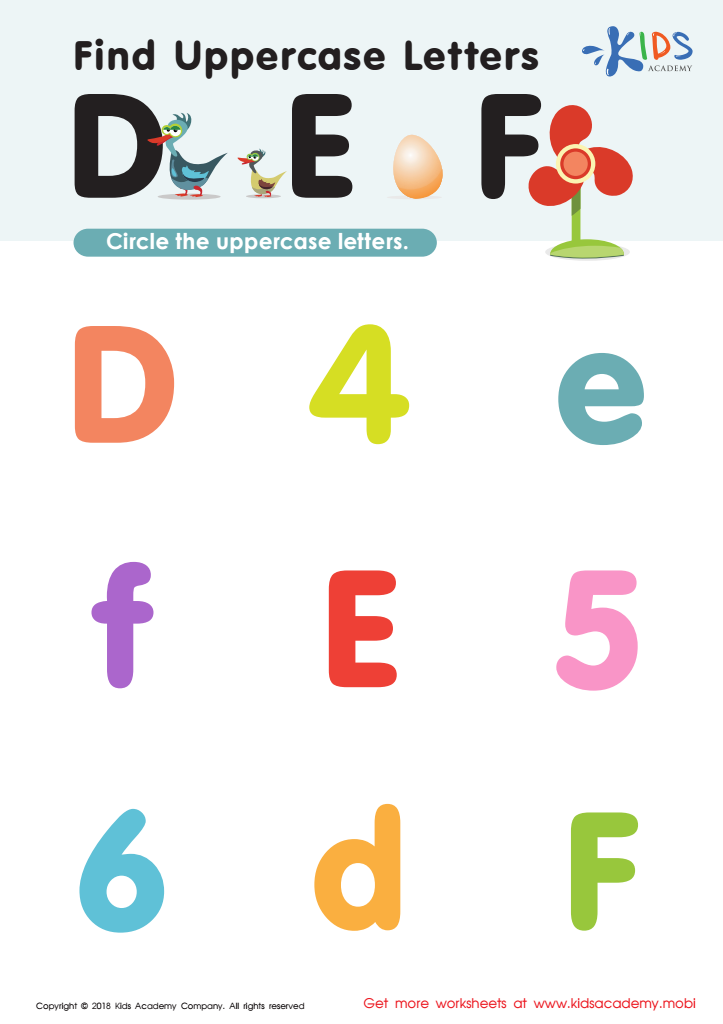
Find Uppercase Letters D, E, and F Worksheet
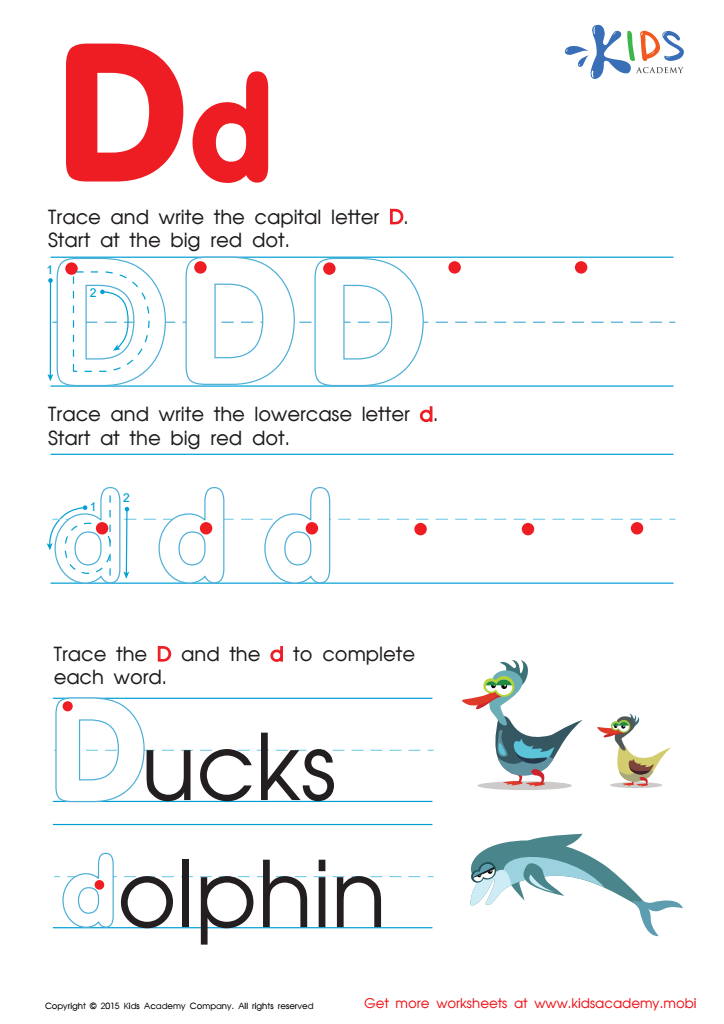
Letter D Tracing Page








Hand-eye coordination and normal letter recognition are pivotal developmental milestones for children aged 4-8, and they warrant the focused attention of both parents and teachers. Hand-eye coordination, the ability to synchronize hand movements with visual perception, is foundational not only for writing but also for various daily tasks such as dressing, eating, and playing sports. By honing this skill, children are better prepared to engage in activities requiring dexterity and precision, which collectively contribute to their overall motor development and cognitive skills.
At the same time, normal letter recognition is essential for early literacy. Recognizing and distinguishing letters is the first step towards reading and writing proficiency. Early mastery of these skills sets the stage for a child's academic success, enabling them to decode words fluently and comprehend text effectively. Children lacking these foundational skills may struggle with literacy, leading to academic challenges and diminished self-esteem.
Together, hand-eye coordination and letter recognition form the bedrock of foundational education. Therefore, both parents and teachers should prioritize activities that foster these skills—such as interactive games, puzzles, drawing, and reading—to ensure children build the confidence and capabilities needed for future learning endeavors. Their attention and support can make a substantial difference in a child's educational trajectory.








