Writing practice Normal Letter Recognition Worksheets for Ages 4-8
6 filtered results
-
From - To
Engage young learners with our Writing Practice Normal Letter Recognition Worksheets, specifically designed for children aged 4-8. These worksheets provide fun and interactive activities that help kids master letter recognition while honing their writing skills. Featuring various exercises, including tracing and identifying letters, children will enjoy developing their understanding of the alphabet. Our resources aim to build confidence and fluency in handwriting, making learning enjoyable and effective. Perfect for home or classroom use, these worksheets offer a straightforward and stimulating way to encourage early literacy skills. Foster a love for writing and language with our expertly crafted materials!
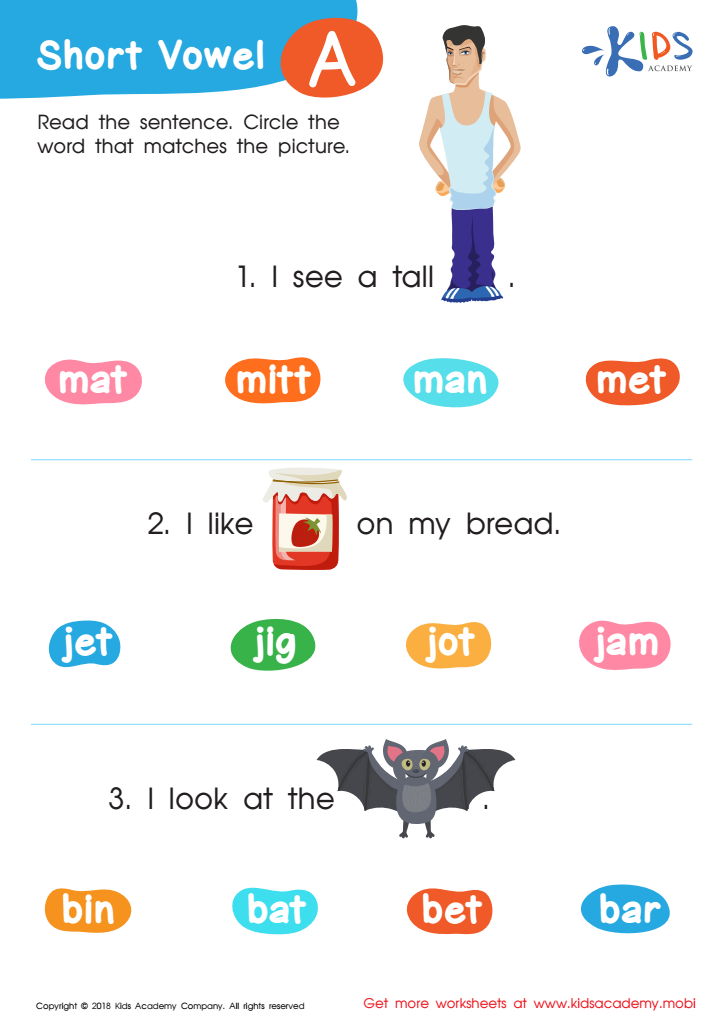
Short Vowel /a/ Worksheet
Letter B Coloring Sheet
 Assign to My Students
Letter A Coloring Sheet
Assign to My Students

Letter H Tracing Page
Letter C Coloring Sheet
Assign to My Students
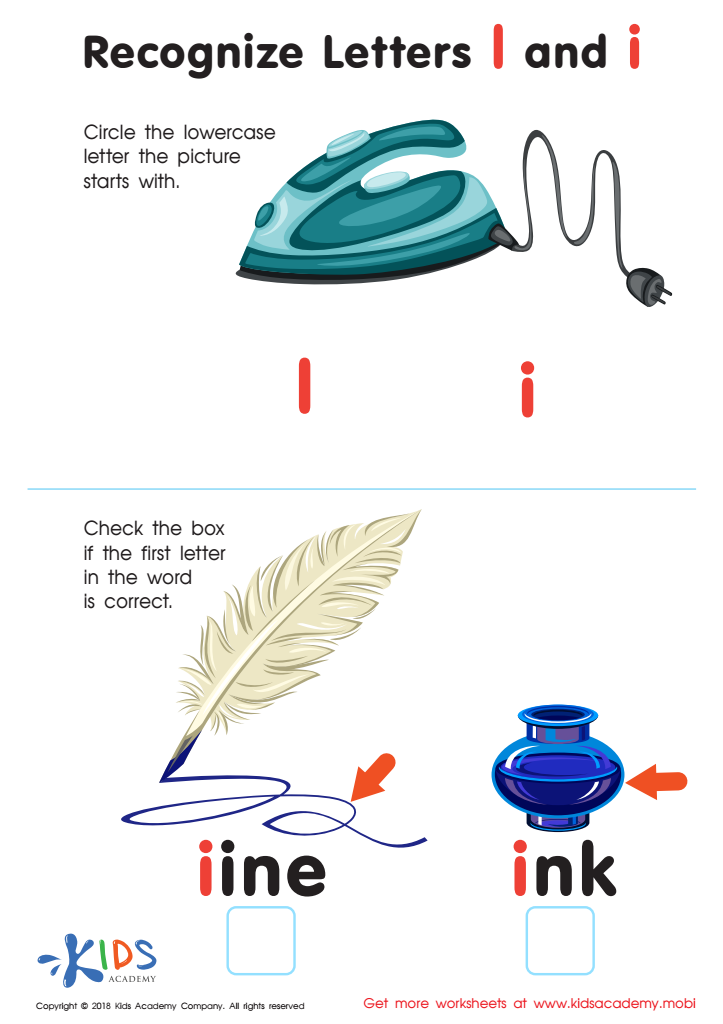
Recognize Letters l and i Worksheet








Writing practice and normal letter recognition are crucial for children aged 4-8, as they lay the foundational skills for literacy and communication. At this stage in development, children's cognitive abilities are rapidly evolving, and effective writing practices nurture these skills while enhancing their learning experiences. Regular exposure to letter recognition assists young learners in identifying letters and sounds, critical features for reading fluency.
Parents and teachers should care because mastering these skills contributes significantly to a child's confidence and academic performance. Developing strong letter recognition can help eliminate frustration during reading and writing tasks, promoting a more positive attitude toward learning. Additionally, writing practice encourages fine motor skills and hand-eye coordination, crucial aspects of overall physical development.
Fostering a love for writing and reading in these formative years helps create lifelong learners. By engaging children through fun and interactive writing activities, parents and educators can foster creativity and self-expression, allowing children to communicate their thoughts and feelings effectively. Ultimately, investing time and resources in writing practice and letter recognition during these pivotal years equips young learners with the essential tools they need for future academic success and a deeper appreciation for literacy.








