Alphabet sequencing Normal Upper & Lowercase Letters Worksheets for Ages 4-8
4 filtered results
-
From - To
Introduce your child to the fun of alphabet sequencing with our engaging worksheets designed for ages 4-8. These printable resources focus on normal uppercase and lowercase letters, helping young learners grasp the foundational skills of letter order and recognition. Each worksheet promotes fine motor skills and cognitive development through interactive activities, making learning an enjoyable experience. Ideal for classroom or at-home practice, these worksheets provide a variety of exercises that cater to different learning styles. Enhance your child's literacy skills and confidence as they explore the alphabet through colorful, visually appealing content that keeps them motivated and eager to learn!
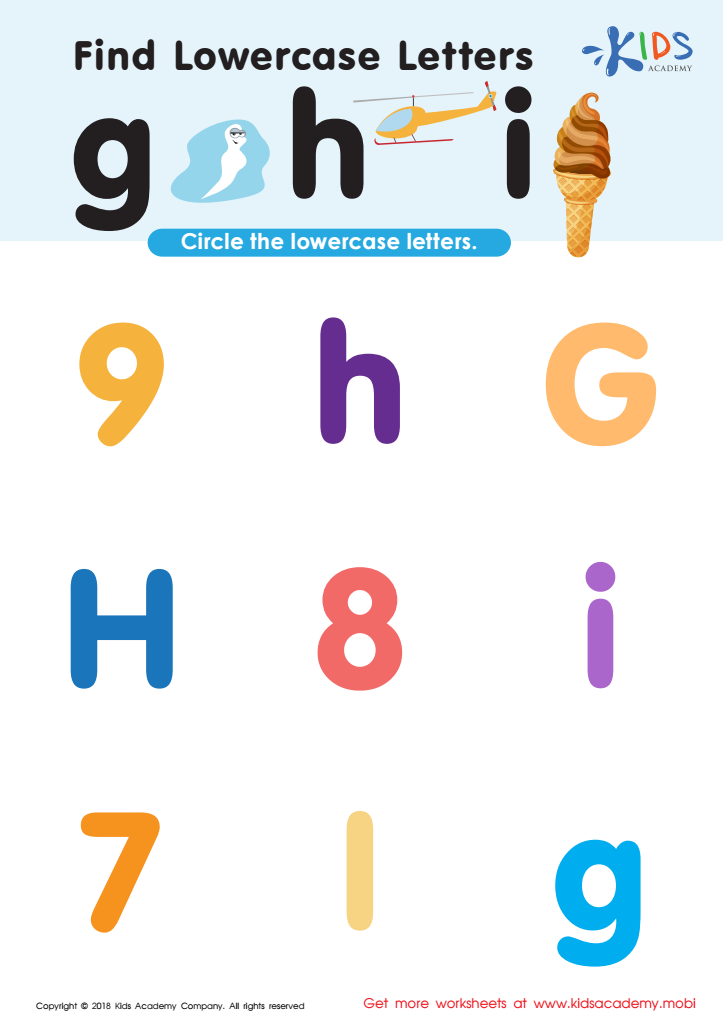
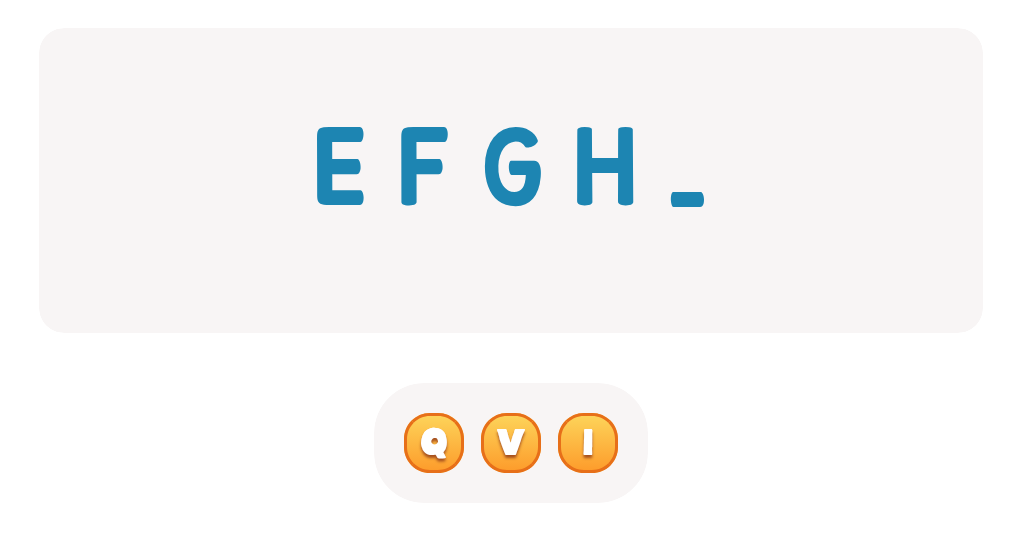
Find Lowercase Letters g h i Worksheet
 Assign to My Students

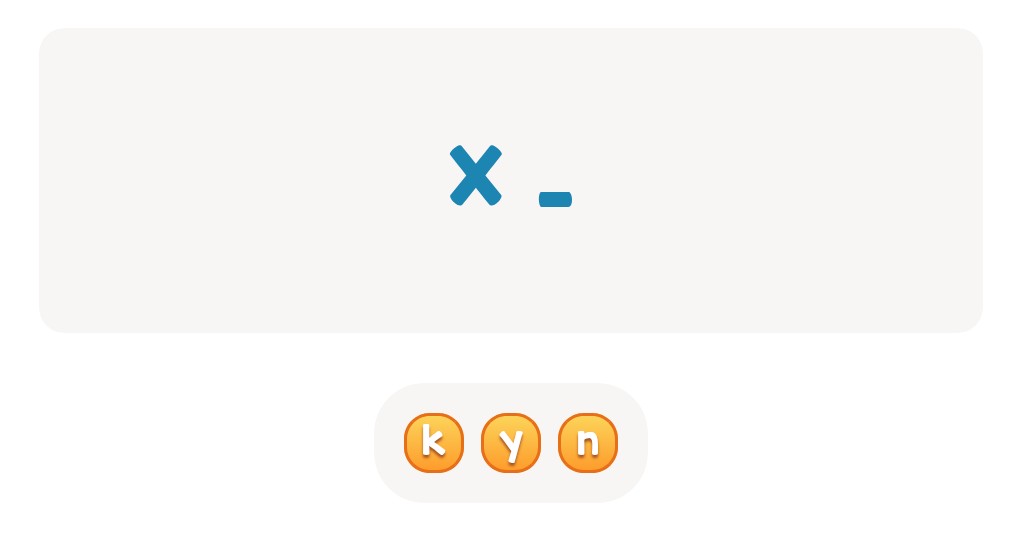
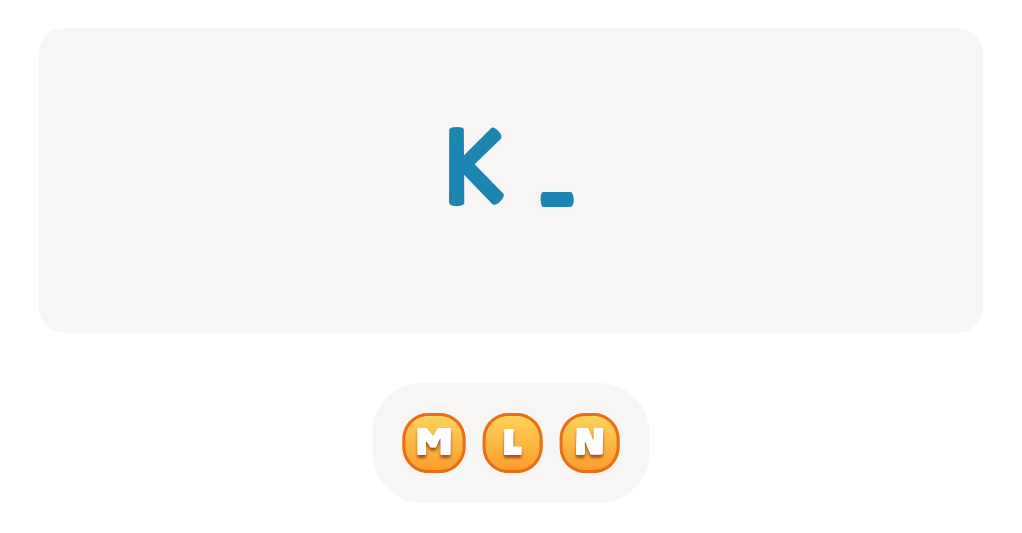
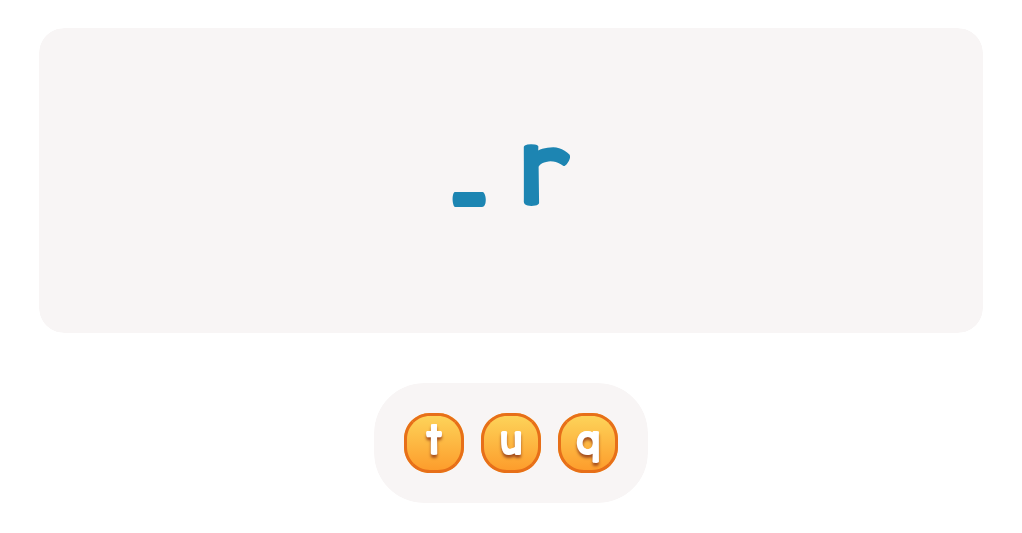
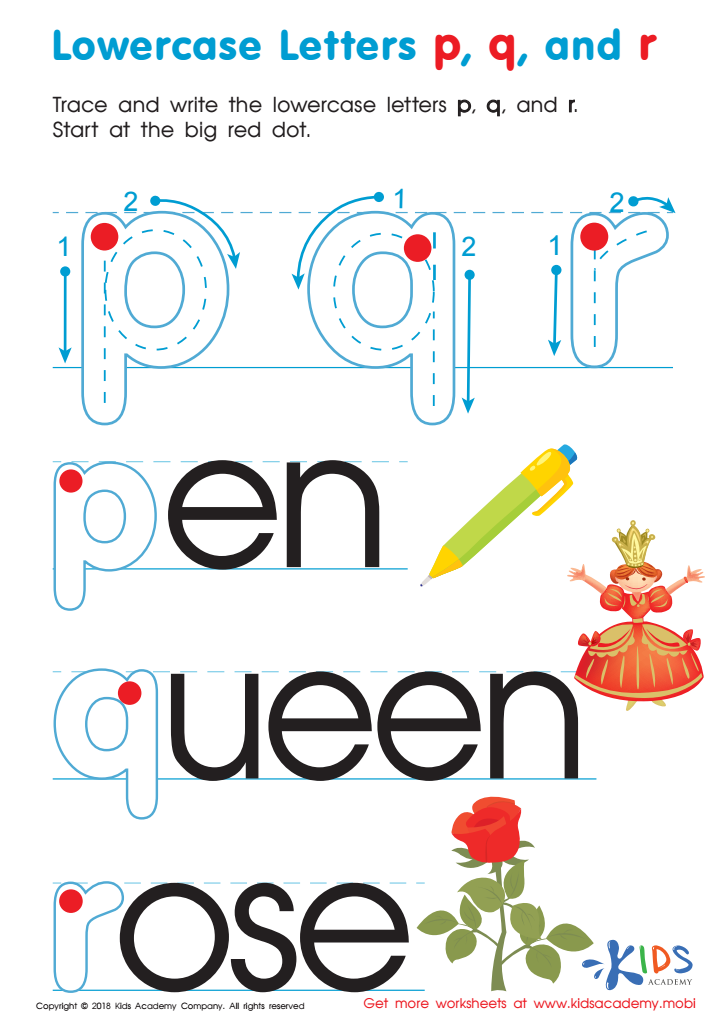
Lowercase Letters p q r Worksheet
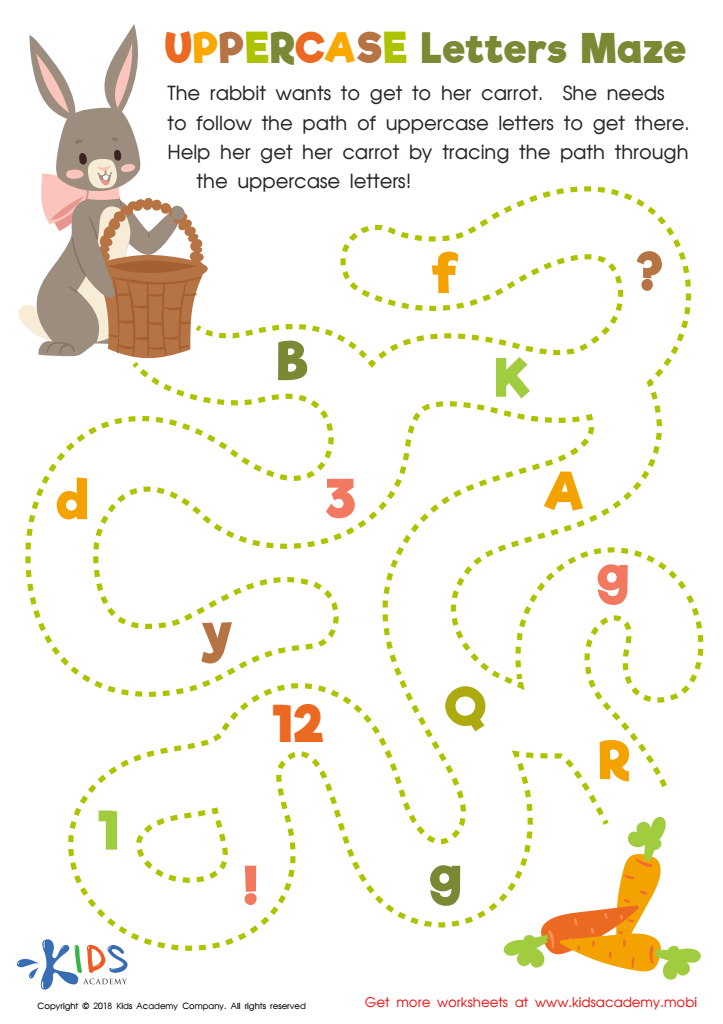
Uppercase Letters Maze Worksheet
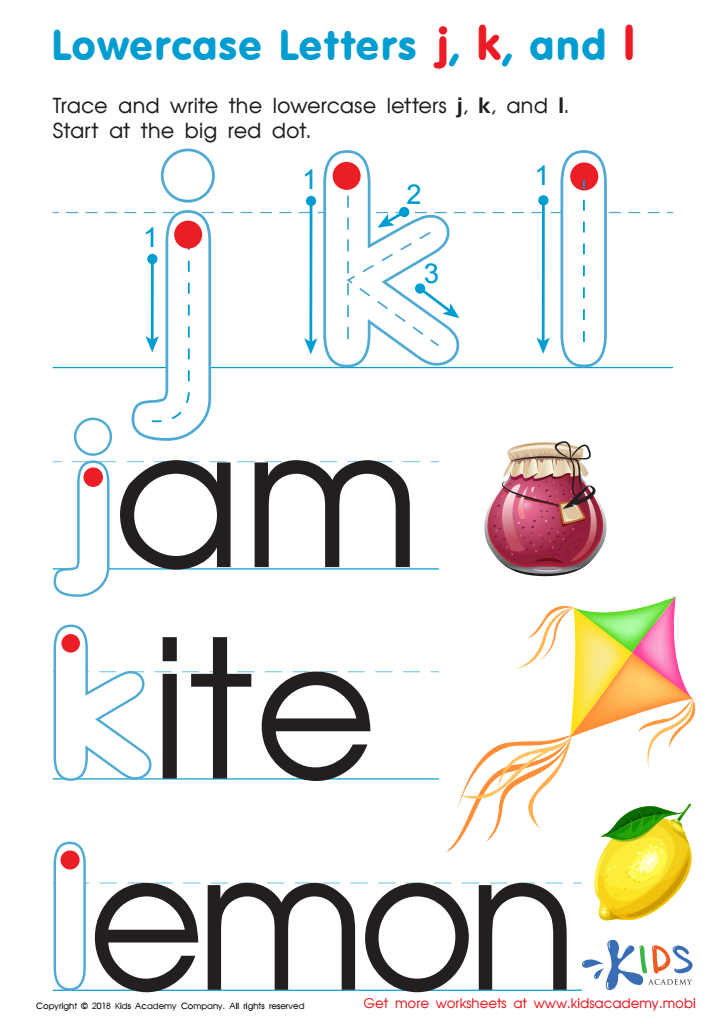
Lowercase Letters j k l Worksheet






Alphabet sequencing, encompassing both uppercase and lowercase letters, is crucial for children aged 4-8 for several reasons. First, mastering letter recognition and sequencing builds foundational literacy skills. It enables children to read fluently, recognize patterns in words, and improve spelling skills. Understanding the alphabet's order also aids in developing critical thinking, as children learn to categorize information and grasp the concept of sequences, essential in various academic disciplines.
Secondly, exposure to both uppercase and lowercase letters encourages comprehensive language development. Each letter form serves different purposes in writing and communication. For example, uppercase letters are often used for the beginning of sentences and proper nouns, while lowercase letters dominate regular text. Familiarity with both cases enhances children's ability to comprehend and write age-appropriate texts meaningfully.
Furthermore, learning the alphabet develops fine motor skills through writing and helps with phonemic awareness, influencing the understanding of letter sounds—the cornerstone of reading. For parents and teachers, fostering this understanding not only enhances academic performance but also builds confidence in young learners, setting a positive tone for future educational experiences. Overall, prioritizing alphabet sequencing ensures well-rounded literacy development essential for a child's educational journey.







