Motor skills development Normal Coloring Pages Worksheets for Ages 4-8
3 filtered results
-
From - To
Explore our collection of Motor Skills Development Coloring Pages and Worksheets designed specifically for children ages 4-8. These engaging and educational resources not only provide hours of creative fun but also enhance fine motor skills crucial for young learners. Each coloring page encourages children to practice hand-eye coordination and dexterity while bringing vibrant scenes to life. Our worksheets integrate various themes and activities, making skill-building enjoyable and age-appropriate. Perfect for home or classroom use, these materials help build confidence and promote cognitive development. Download and start colorful adventures that support early childhood learning today!
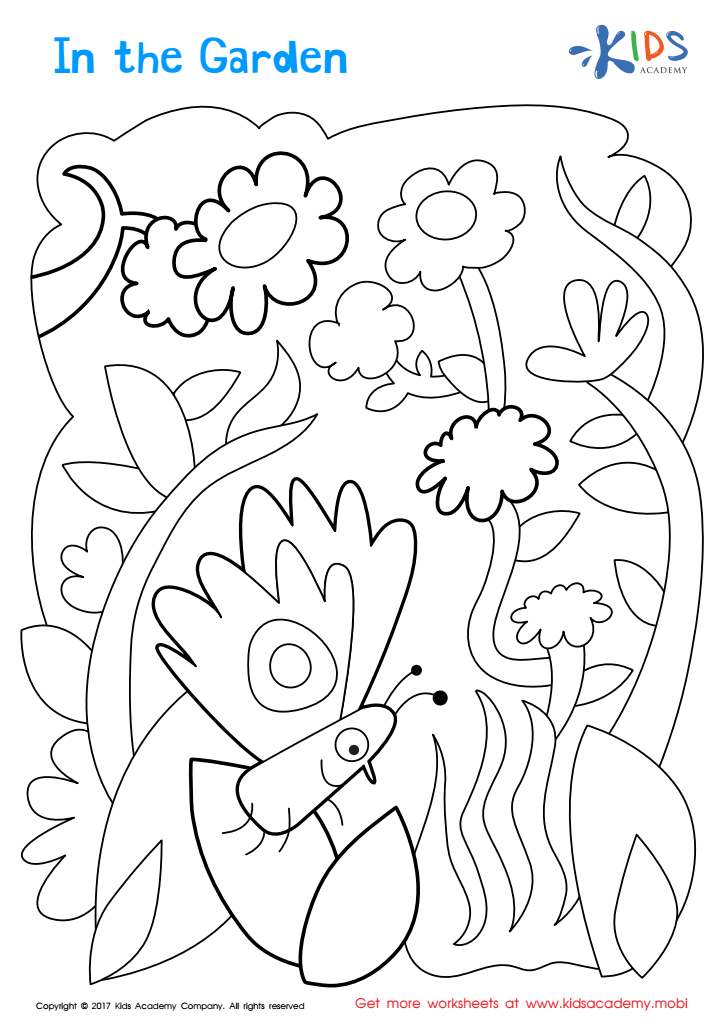
In The Garden Coloring Page
 Assign to My Students
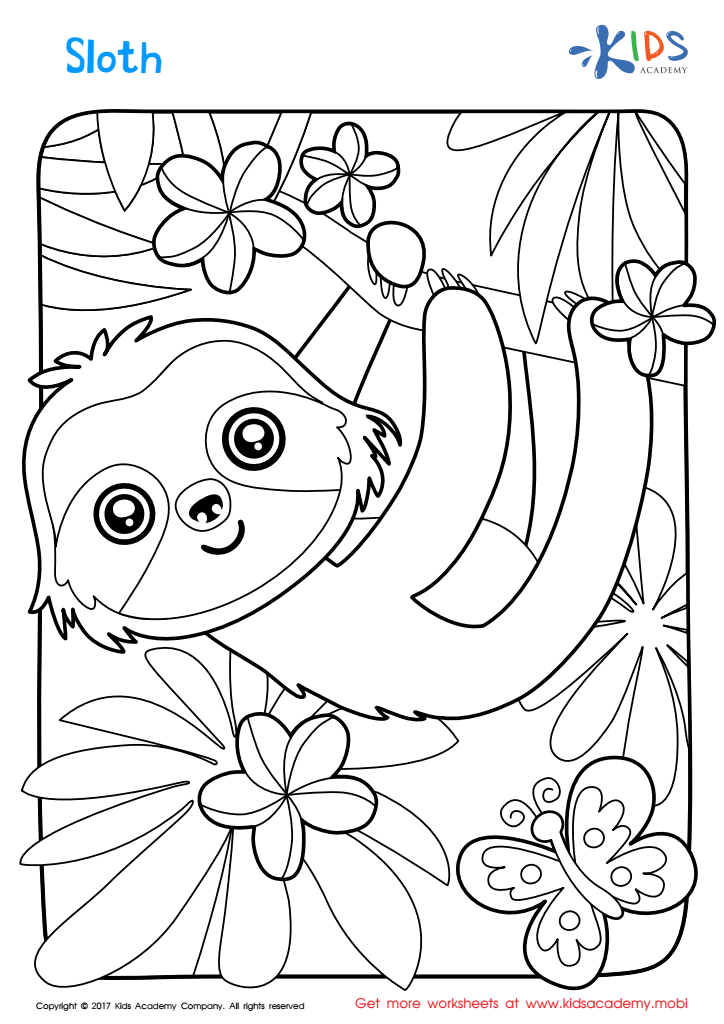
Sloth Worksheet
Assign to My Students
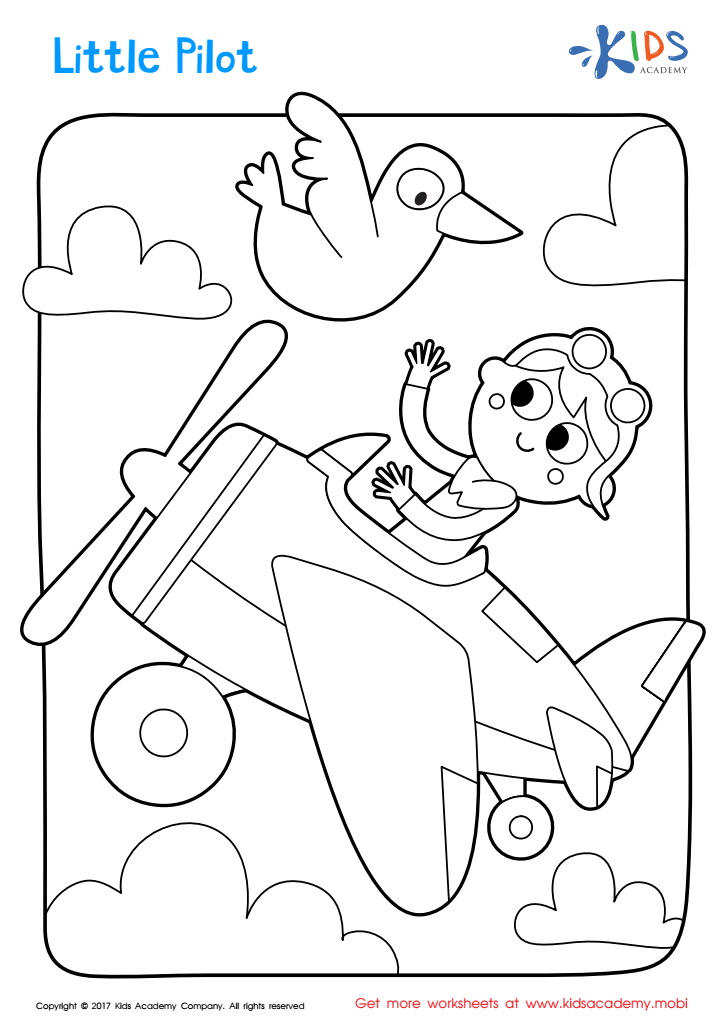
Little Pilot Coloring Page
Assign to My Students




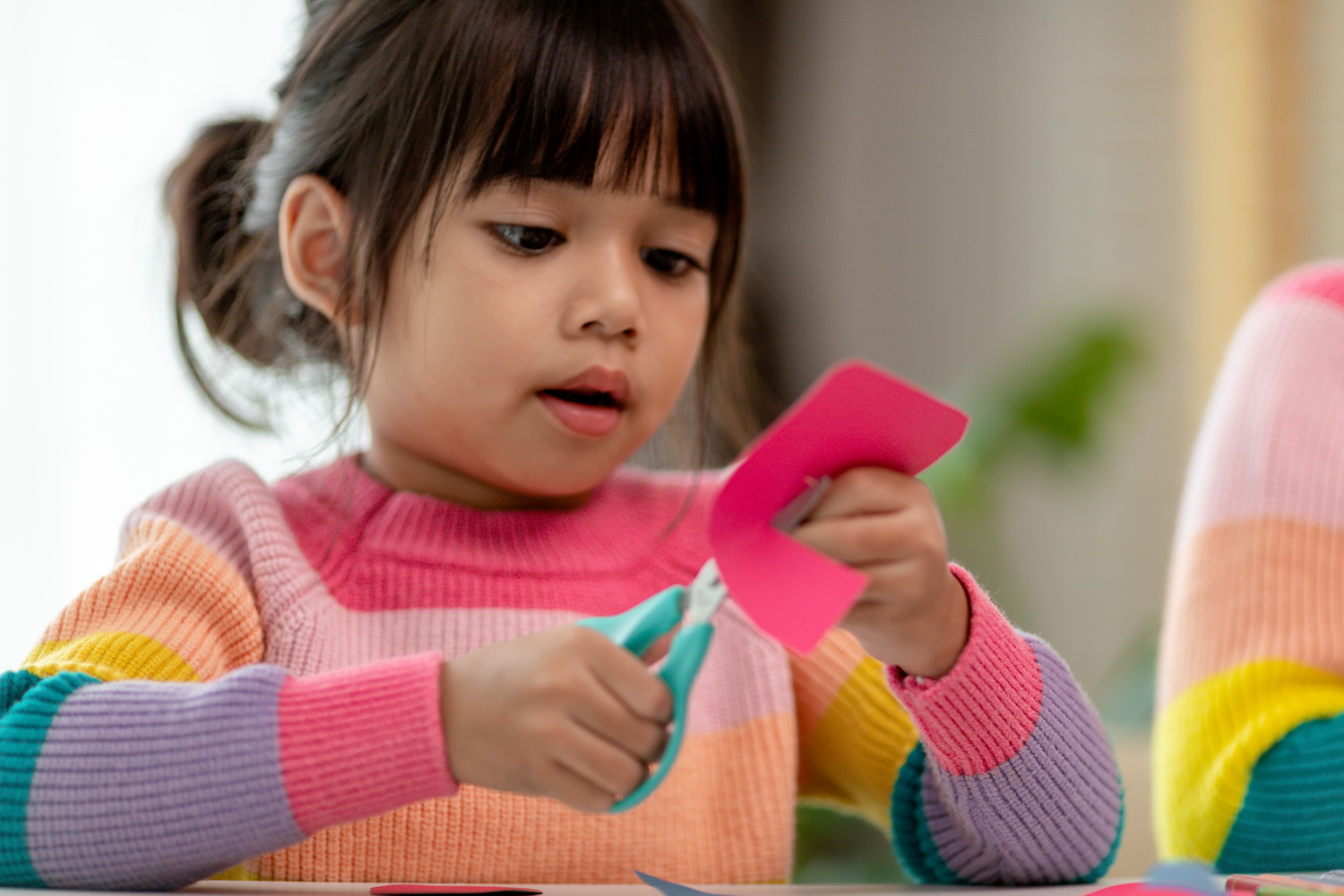

Motor skills development is crucial for children ages 4-8 as it significantly impacts their overall growth and learning. During this stage, children's fine motor skills—the ability to use small muscles for tasks like gripping a pencil—are particularly important for academic success. Normal coloring pages are a valuable tool to enhance these skills.
Engaging in activities like coloring helps to improve hand-eye coordination, dexterity, and control, all of which are foundational for later skills, such as writing and self-care tasks. As children grasp and manipulate crayons or markers, they strengthen their grip and enhance their hand strength, fostering greater independence in both educational and daily activities.
Moreover, coloring can also boost cognitive development by encouraging creativity and self-expression. It serves as a platform for children to explore colors, shapes, and patterns, enhancing their problem-solving skills and attention to detail.
Parents and teachers who prioritize motor skill development through such activities commit to laying a strong foundation for academic readiness and lifelong learning. By incorporating motor skills development into play, they promote a holistic approach to education that nurtures both cognitive and physical growth. Investing time in these simple yet impactful activities can yield significant long-term benefits for children’s development.