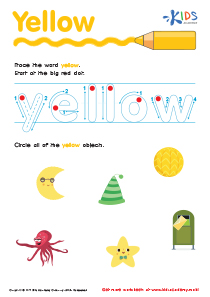
Alphabet Learning Normal English for Beginners Worksheets for Ages 4-8
3 filtered results
-
From - To
Discover our engaging "Alphabet Learning Normal English Worksheets" designed specifically for beginners aged 4-8! These worksheets provide a fun, interactive way for young learners to grasp the fundamentals of the alphabet. Each resource focuses on letter recognition, phonetics, and tracing, helping children develop essential early literacy skills. Perfect for English as a second language (ESL) learners, our worksheets promote a positive learning environment while encouraging independent practice. With vibrant visuals and diverse activities, children will stay motivated and excited to learn. Explore our collection today and set the foundation for a lifetime love of reading and writing!
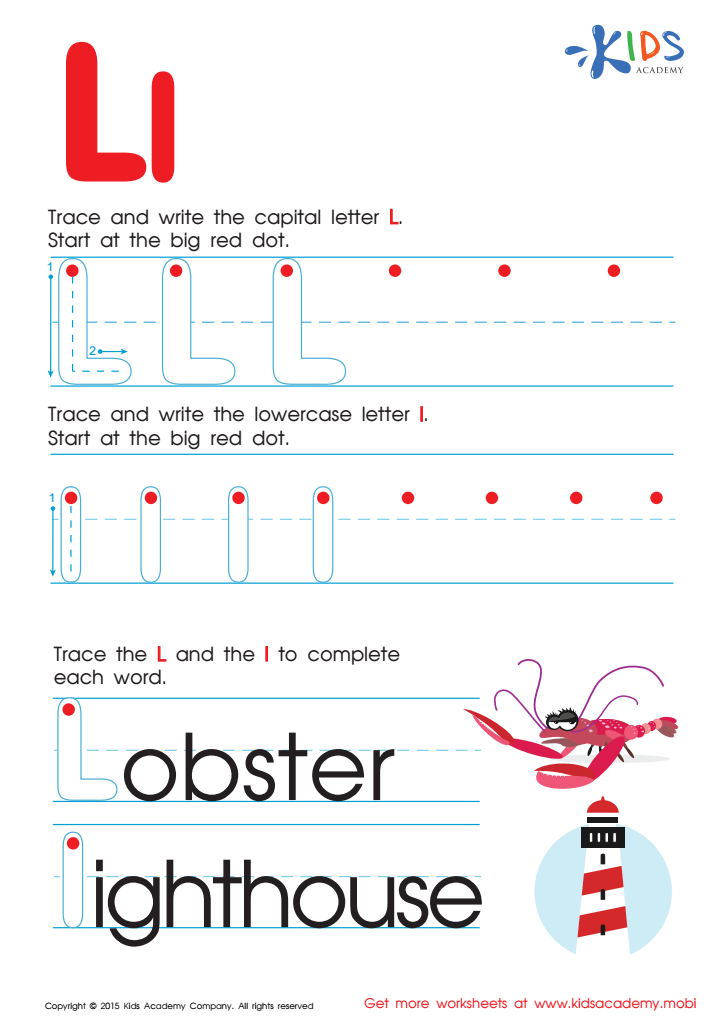
Letter L Tracing Page
 Assign to My Students
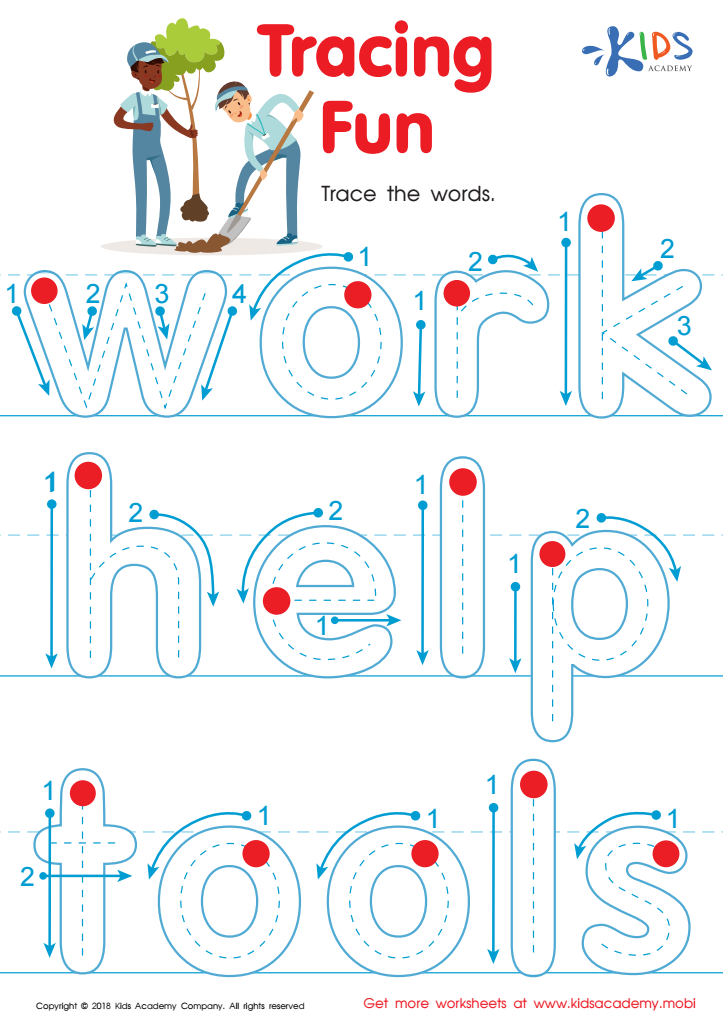
Tracing Fun Worksheet
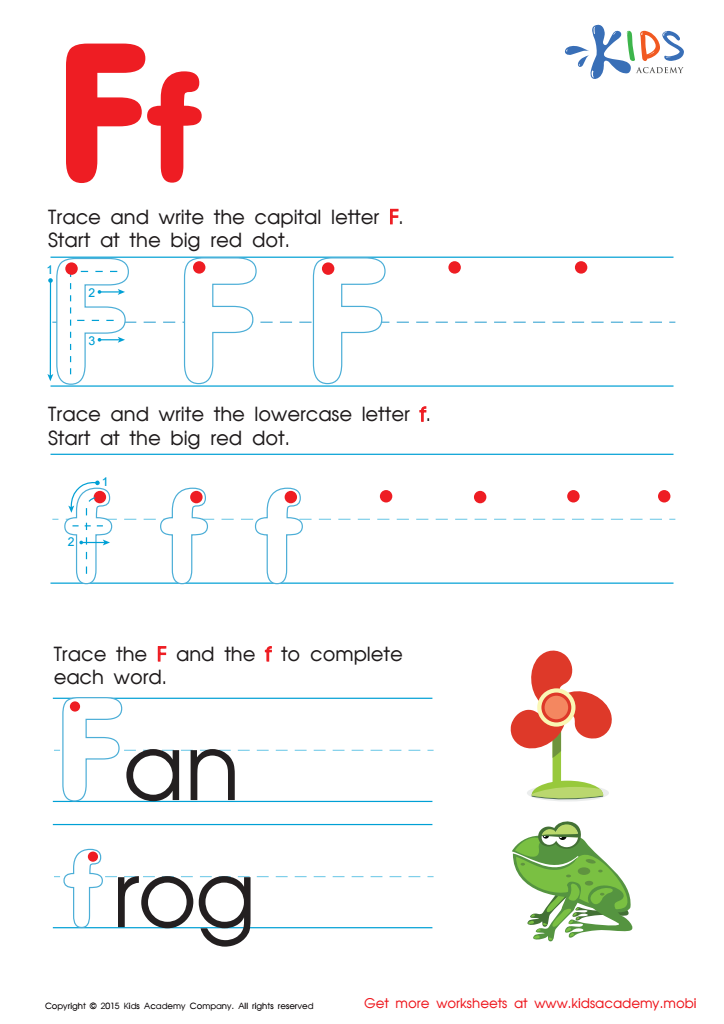
Letter F Tracing Page





Alphabet learning is a fundamental building block for young children aged 4-8, as it lays the groundwork for literacy and language development. Parents and teachers should prioritize conveying effective alphabet learning, often through normal English, because it promotes phonemic awareness, essential for reading and writing.
In these early years, children begin to recognize letters and associate them with sounds, forming a basis for vocabulary acquisition. Mastering the alphabet enhances their ability to decode words, fostering confidence and enthusiasm in literacy. Engaging with normal English introduces kids to practical language use, making it easier to connect with their surroundings and communicate effectively.
Additionally, learning the alphabet through fun and interactive methods—such as songs, games, and hands-on activities—can strengthen children's cognitive skills, critical thinking, and motor coordination. It also encourages social interaction, as children often learn better in collaborative environments where they can share ideas and experiences with their peers.
Supporting alphabet learning also instills a love for reading early on, an investment that promises lifelong academic success. Therefore, parents and teachers should embrace Alphabet Learning Normal English as an invaluable tool for nurturing young learners, paving the way for their future literacy and overall development.