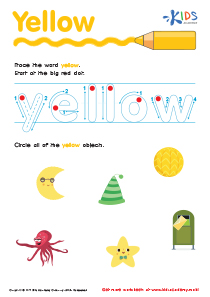
Letter Tracing Normal English for Beginners Worksheets for Ages 4-8
4 filtered results
-
From - To
Our "Letter Tracing Normal English for Beginners Worksheets" are expertly crafted for children aged 4-8. Designed to enhance fine motor skills and letter recognition, these worksheets provide a fun and educational experience. Bright and engaging, they guide young learners through the basics of letter formation, ensuring a solid foundation in the English language. Ideal for early grade teachers and parents, the activities include clear instructions and plenty of practice opportunities. Let your child discover the joy of writing while developing essential literacy skills with our carefully curated letter tracing worksheets. Perfect for building confidence and competency in early learners.
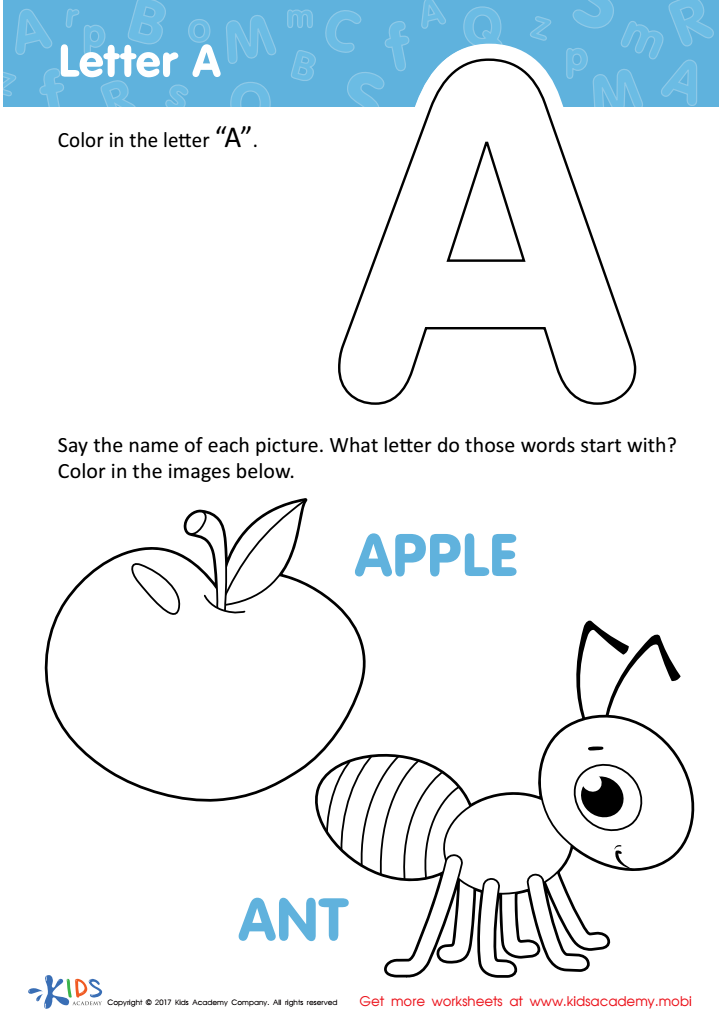
Letter A Coloring Sheet
 Assign to My Students
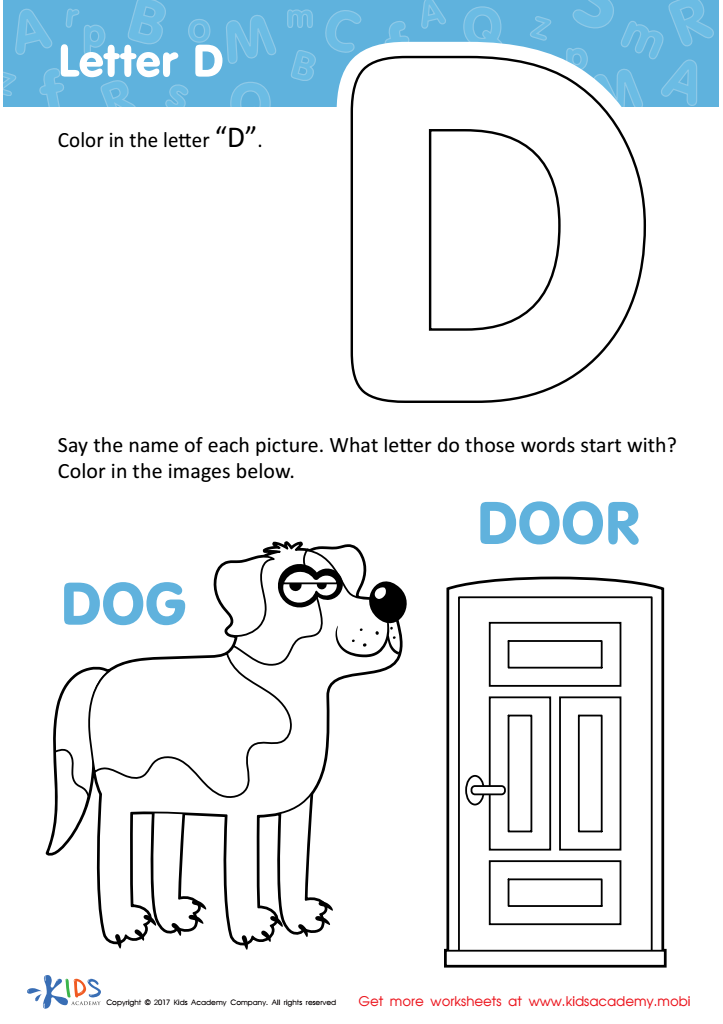
Letter D Coloring Sheet
Assign to My Students
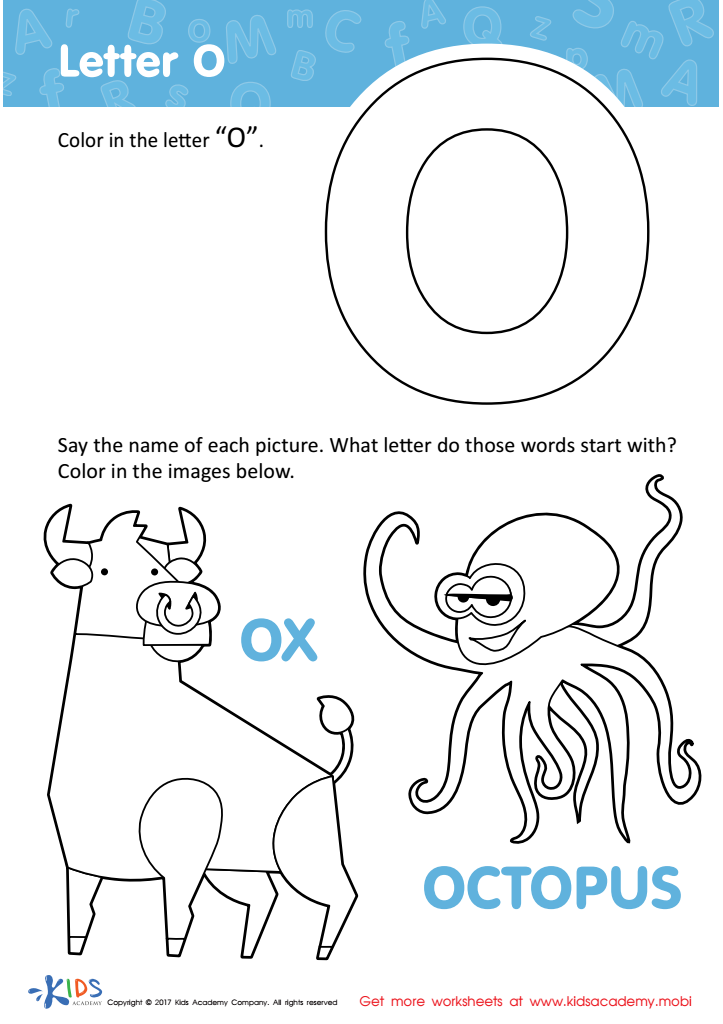
Letter O Coloring Sheet
Assign to My Students
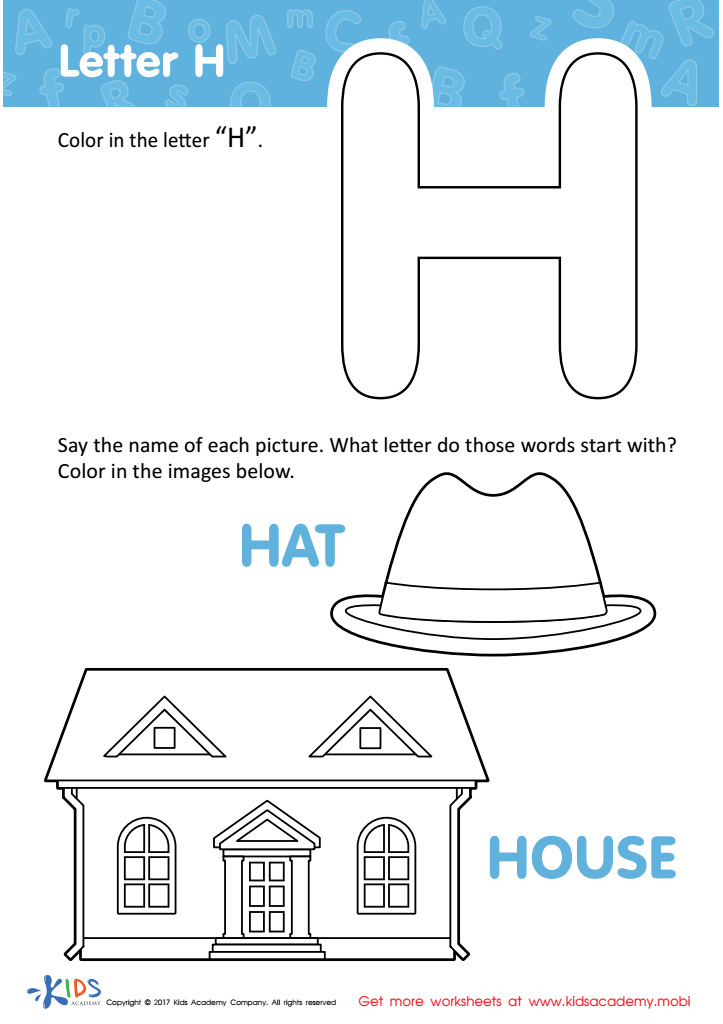
Letter H Coloring Sheet
Assign to My Students




Letter tracing is a fundamental part of early childhood education, fostering foundational skills essential for literacy development. For children ages 4-8, learning to trace letters provides multiple benefits that extend beyond just writing neatly. First, it enhances fine motor skills by teaching children how to control the muscles in their hands and fingers, which is crucial for legible handwriting. This skill also supports hand-eye coordination as children learn to follow lines and shapes with precision.
Additionally, letter tracing reinforces letter recognition and phonemic awareness. As kids repeatedly trace each letter, they become more familiar with its shape, sound, and the correct way to write it, building a strong connection between visual and auditory learning processes. This familiarity lays the groundwork for reading skills, making sight word recognition easier and thus smoothing the path towards reading fluency.
For parents and teachers, investing time in letter tracing activities helps identify early learning obstacles, such as difficulties with certain letters or grips, allowing for timely intervention. These activities are also fun and engaging, fostering a positive attitude towards learning and schoolwork. By making letter tracing a regular practice, parents and teachers are providing indispensable support in a child's educational journey, setting the stage for future academic achievement and confidence in the classroom.