Developing math skills Normal Place Value Worksheets for Ages 4-8
4 filtered results
-
From - To
Discover our engaging Normal Place Value Worksheets designed specifically for children aged 4 to 8, perfect for developing foundational math skills! These worksheets focus on the crucial concept of place value, helping young learners understand the importance of each digit's position within a number. With a variety of fun and interactive exercises, children will enhance their counting, comparing, and ordering skills, making math both enjoyable and educational. Ideal for early learners, these resources can be used at home or in the classroom, fostering a love for math while building essential skills. Explore our collection today and watch your child's confidence in mathematics grow!
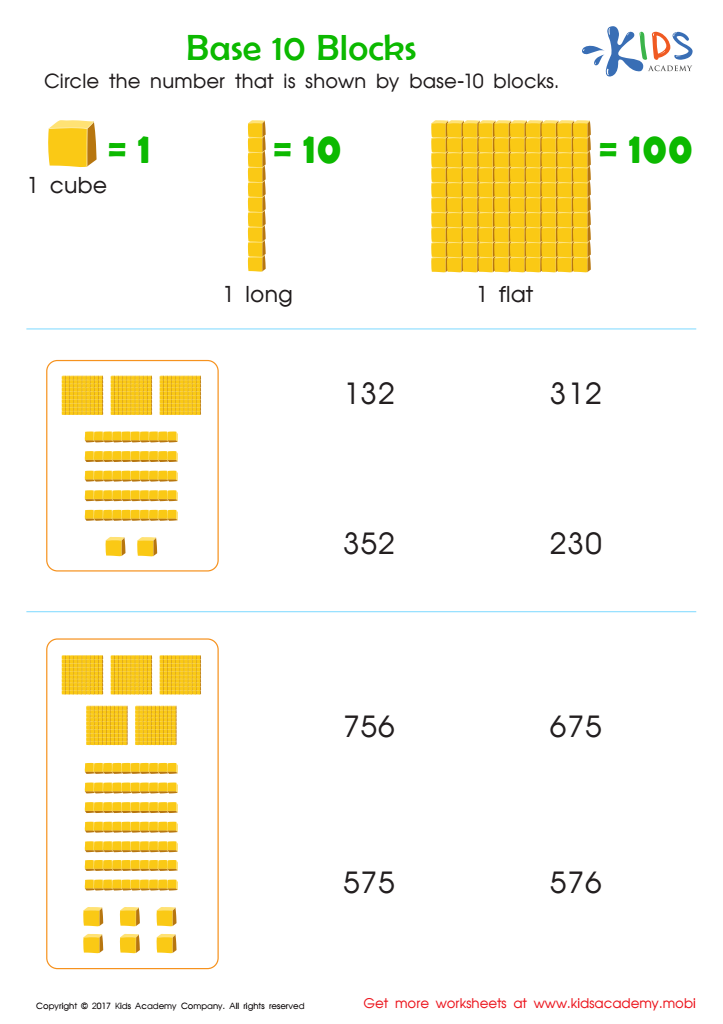
Base Ten Blocks Worksheet
 Assign to My Students
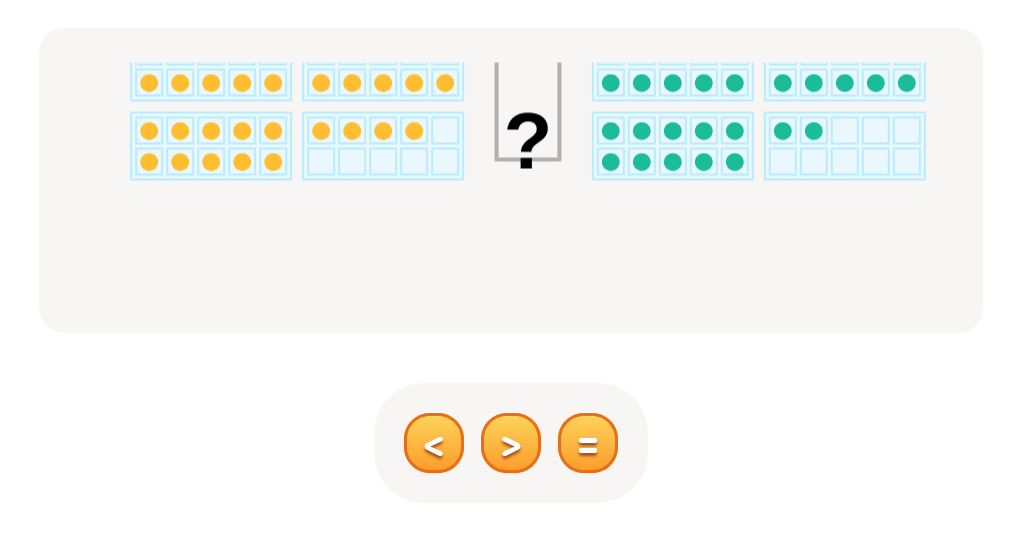

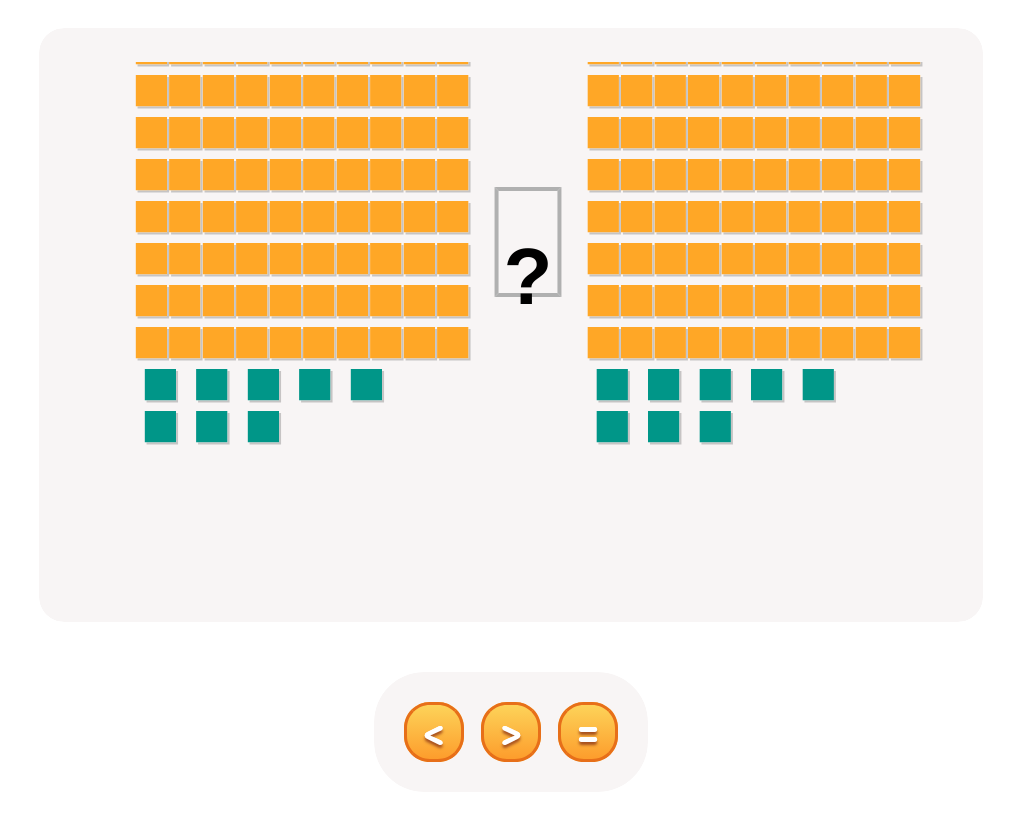
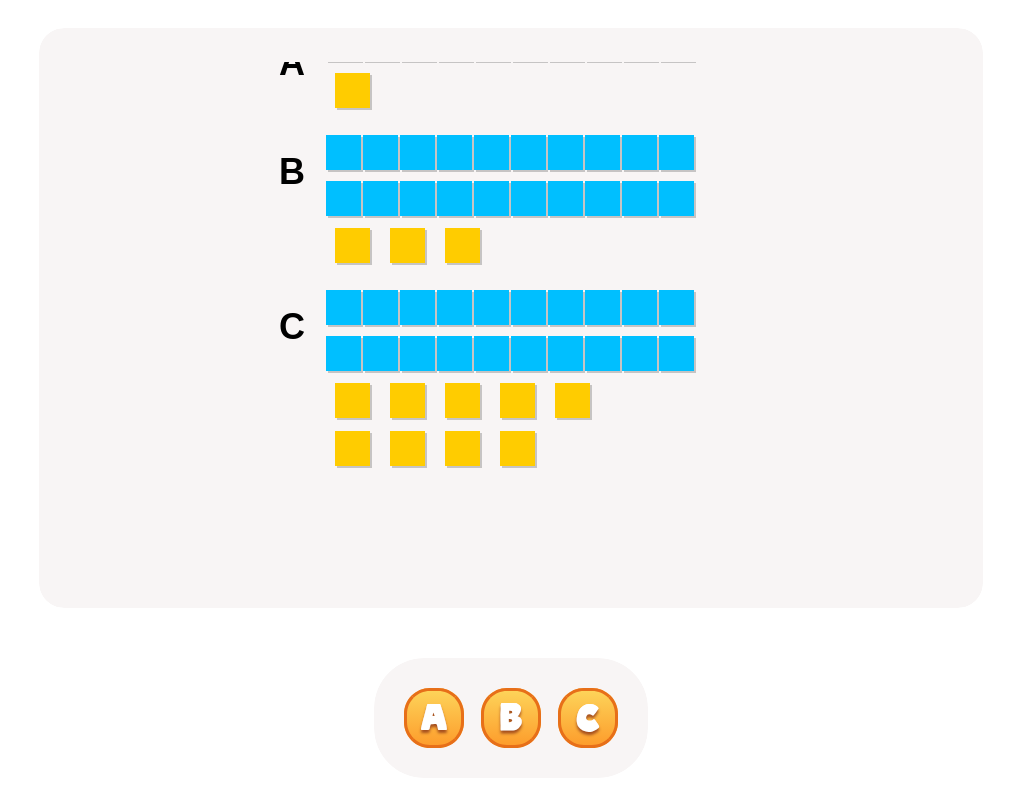
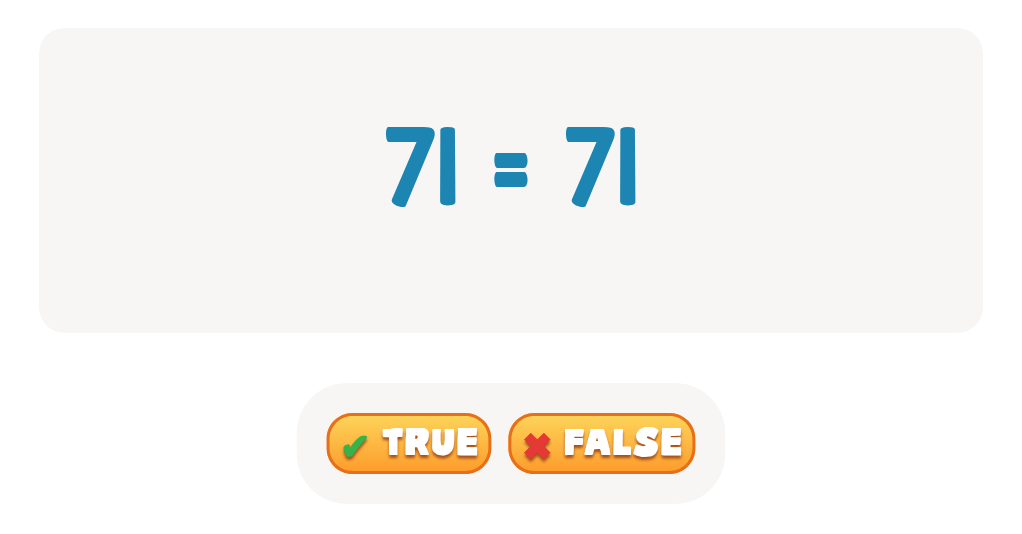
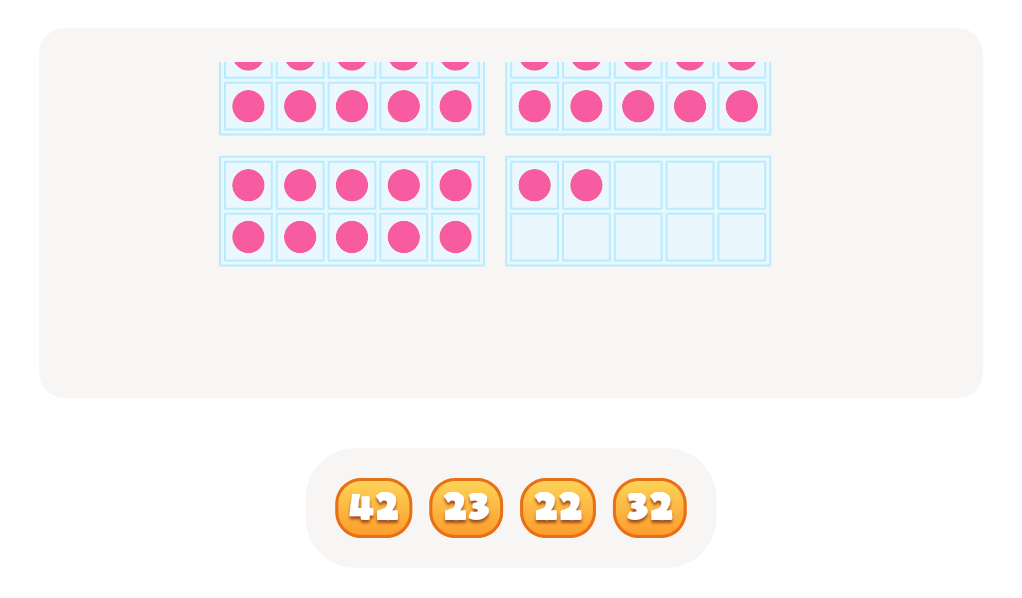
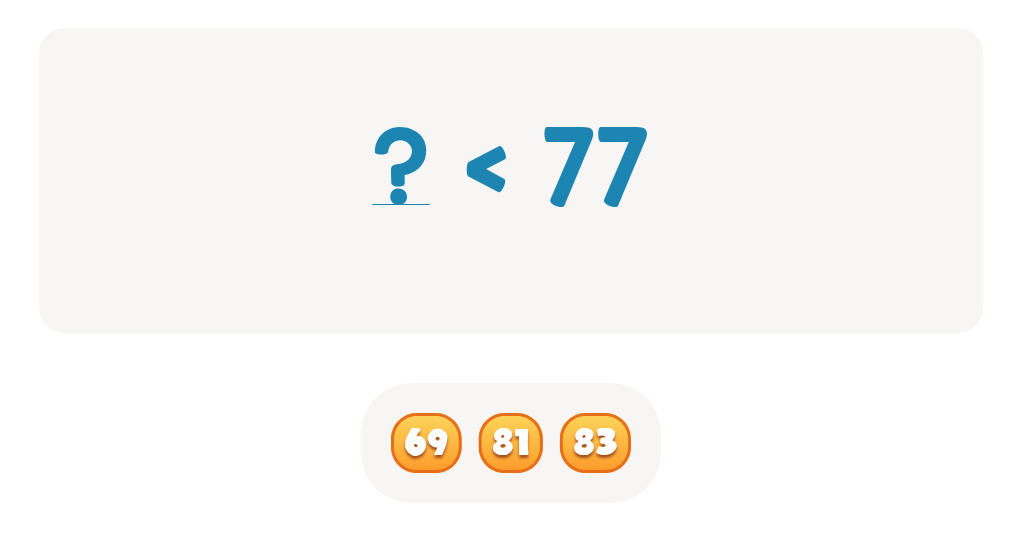
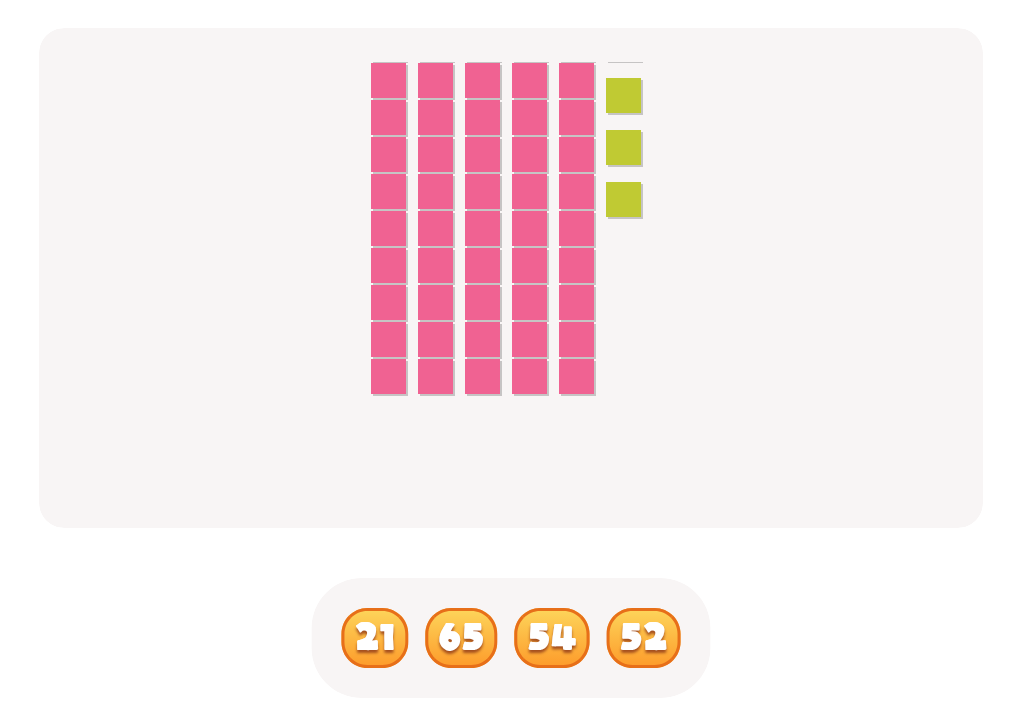
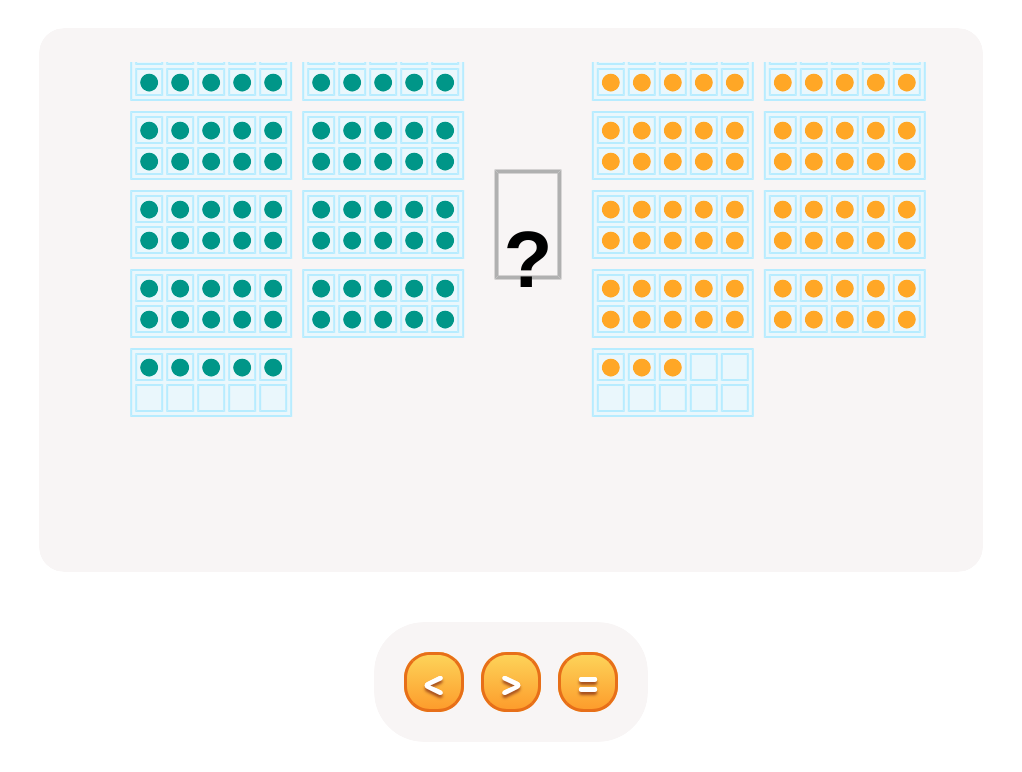
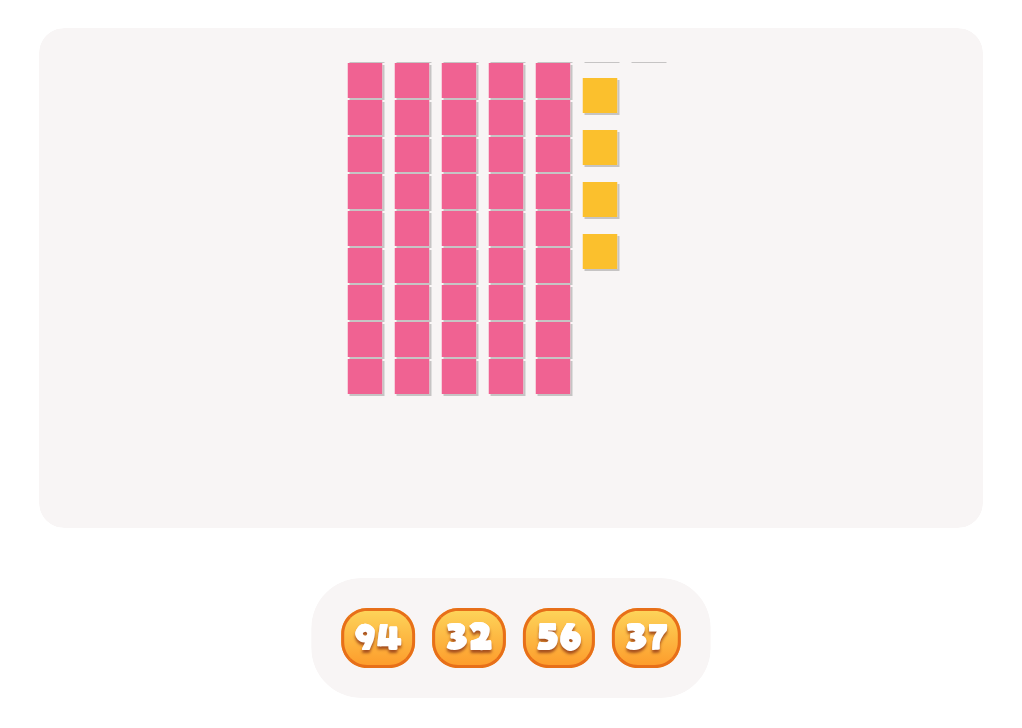
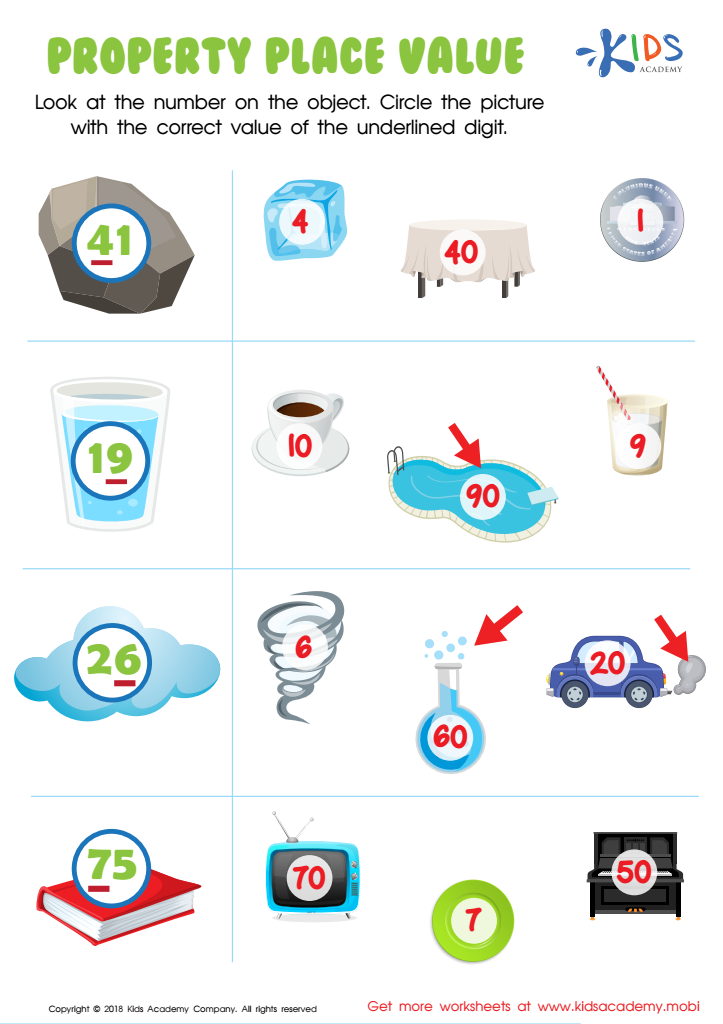
Property Place Value Worksheet
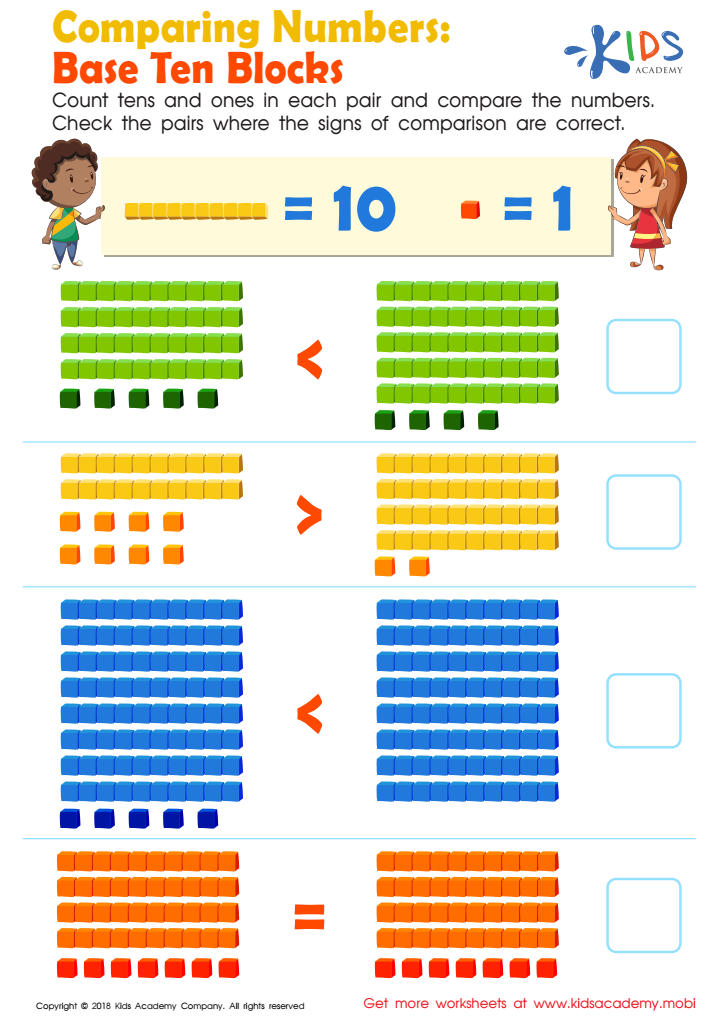
Comparing Numbers: Base Ten Blocks Worksheet
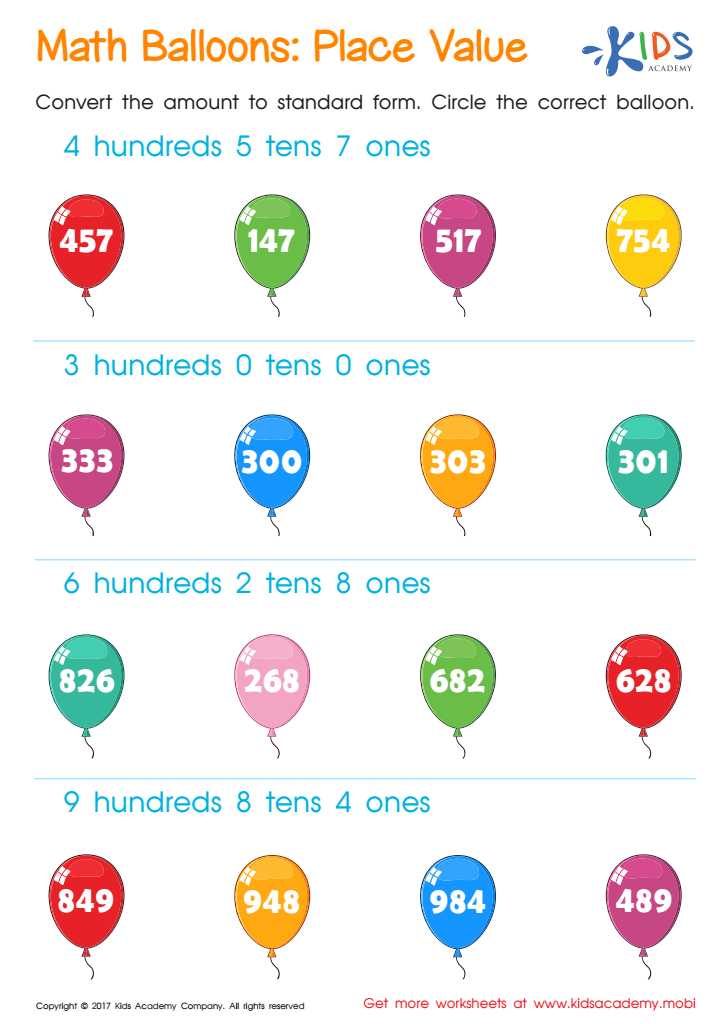
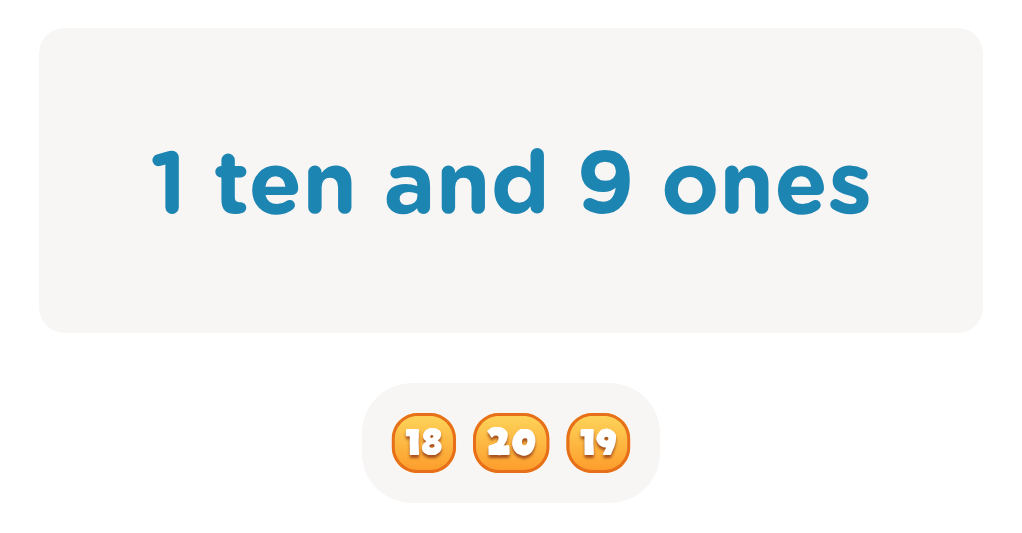
Place Value Printable Worksheet








Developing math skills, particularly in understanding place value, is crucial for children aged 4-8. This foundational math concept is essential because it forms the basis for more advanced arithmetic and number sense. When children grasp place value, they learn how digits represent different values depending on their positions (units, tens, hundreds, etc.). This knowledge is not only essential for addition and subtraction but also for multiplication and division later on.
Parents and teachers should prioritize place value because it enhances problem-solving abilities and supports logical reasoning. With a solid grasp of this concept, kids can better manage complex calculations and develop confidence when tackling numerical problems. Early mastery of place value can also alleviate math anxiety, as children feel more equipped to engage with math challenges.
Additionally, building these skills encourages a love for learning and exploration in mathematics. It can lead to greater success in school and pave the way for increased learning opportunities. Lastly, helping children to view math as a fun and interactive subject fosters lifelong skills that are relevant in everyday life, from managing money to understanding measurements in cooking or construction. Empowering children with strong place value skills is an investment in their future learning and problem-solving capabilities.