Number Recognition Normal Place Value Worksheets for Ages 4-8
8 filtered results
-
From - To
Explore our engaging Number Recognition Normal Place Value Worksheets designed for children aged 4-8. These printable worksheets are perfect for building foundational math skills, helping young learners understand place value, and enhancing number recognition. With fun, age-appropriate activities and exercises, kids will enjoy learning to differentiate between tens and ones, recognize numbers, and improve their overall math fluency. Ideal for classroom or home use, our expertly crafted worksheets support early math education and foster a love for learning. Visit Kids Academy today and give your child the tools they need for numerical confidence and success!
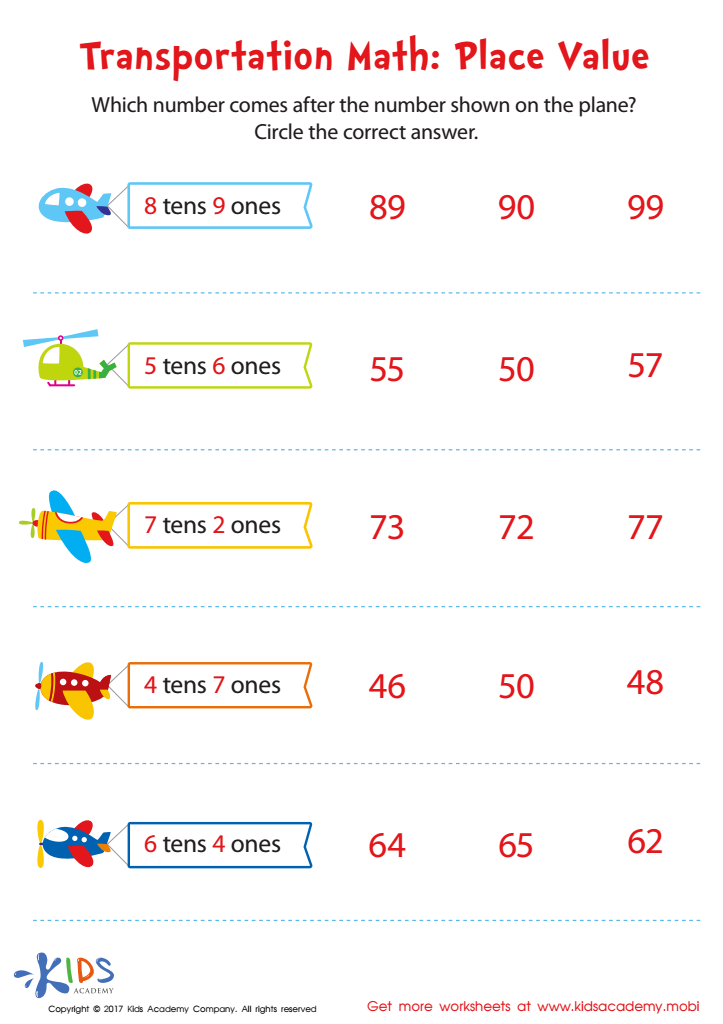
Transportation Math Printable
 Assign to My Students
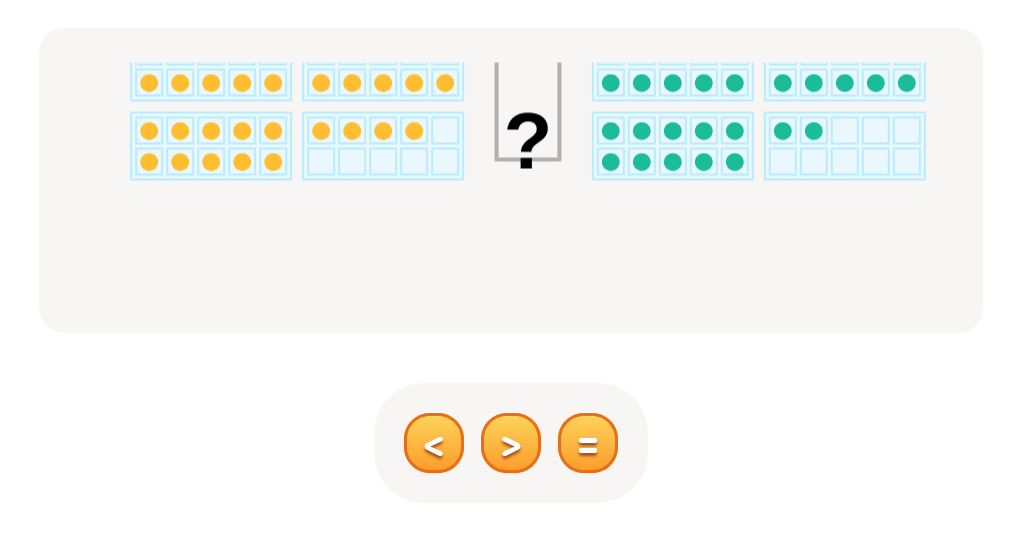

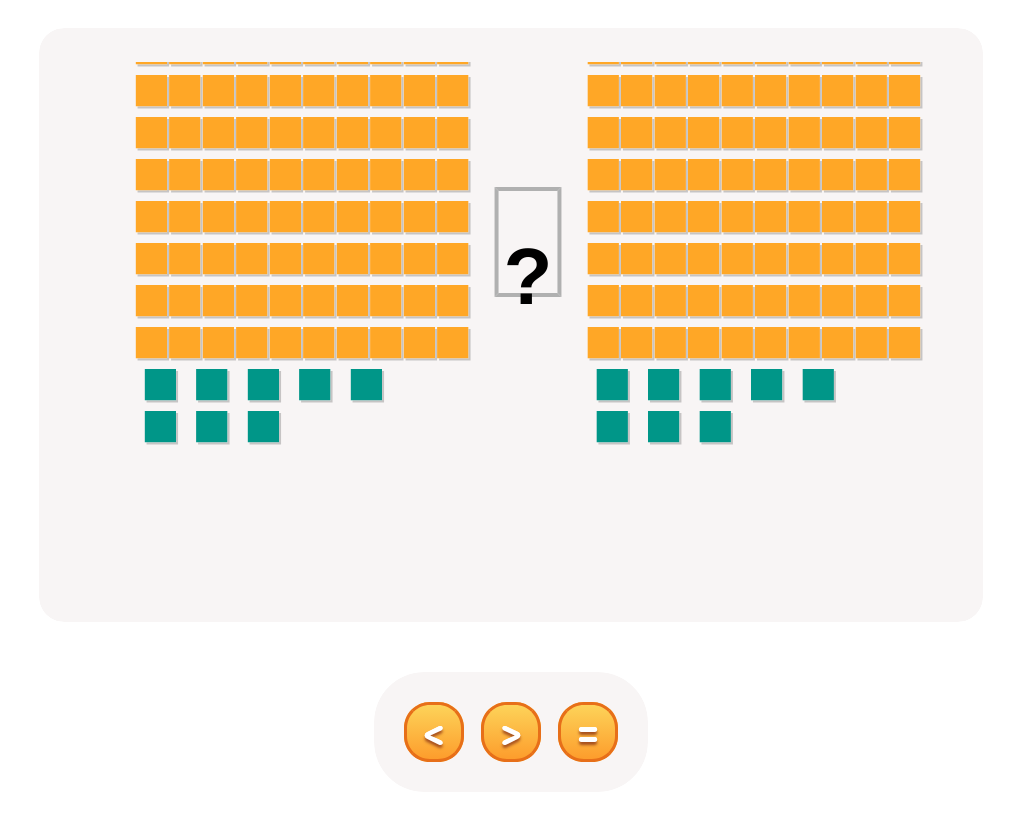
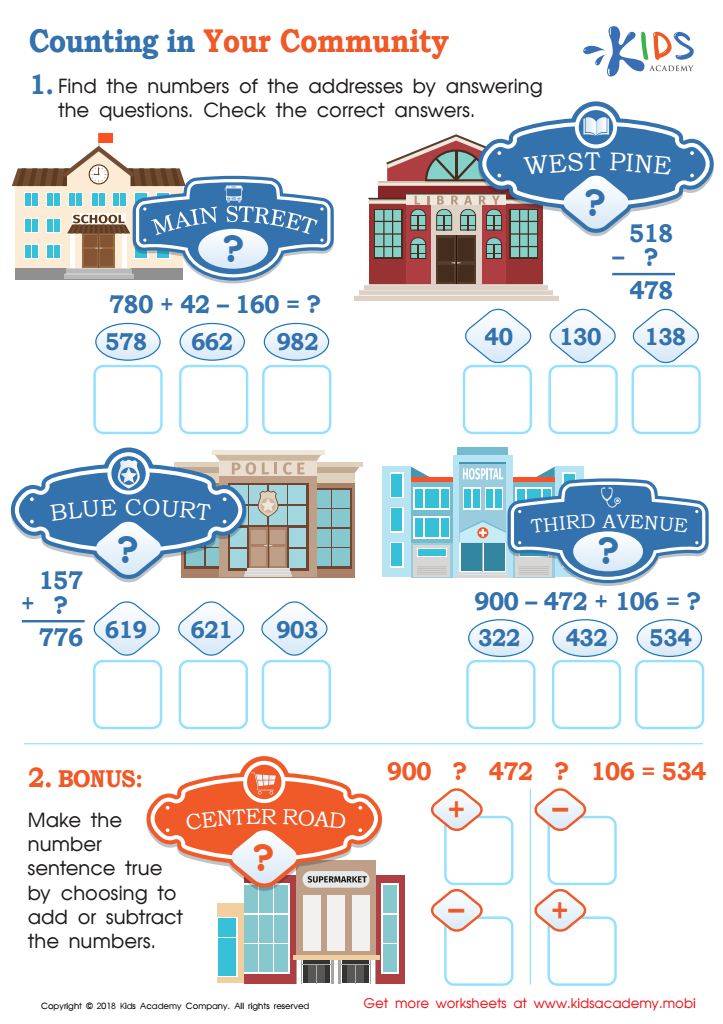
Counting in Your Community Worksheet
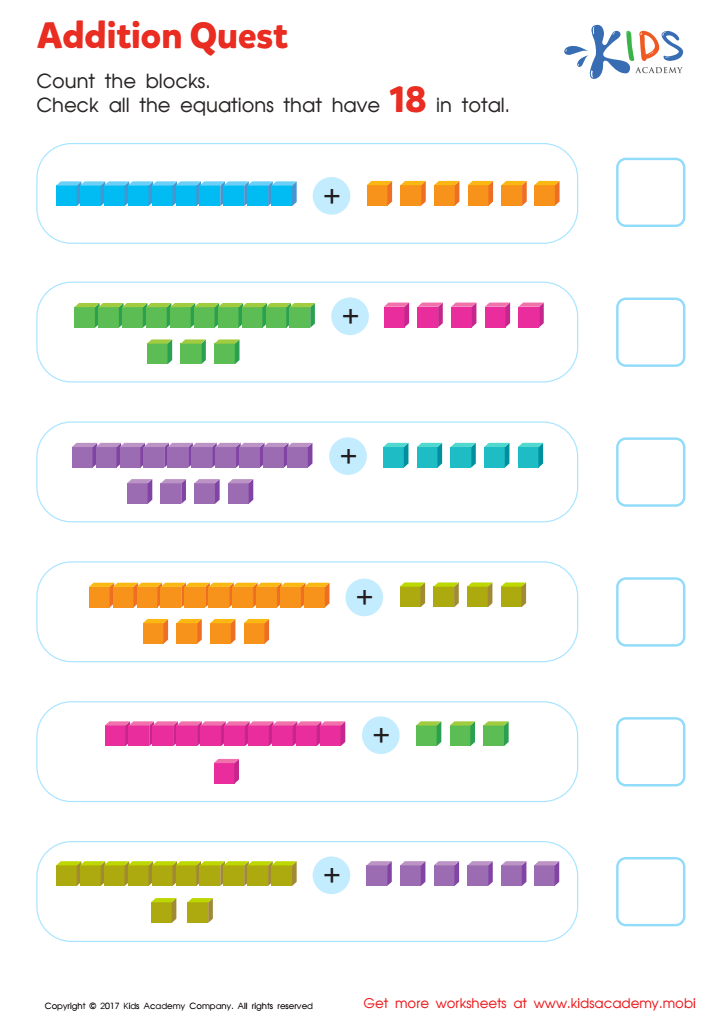
Addition Quest Worksheet: Part 2
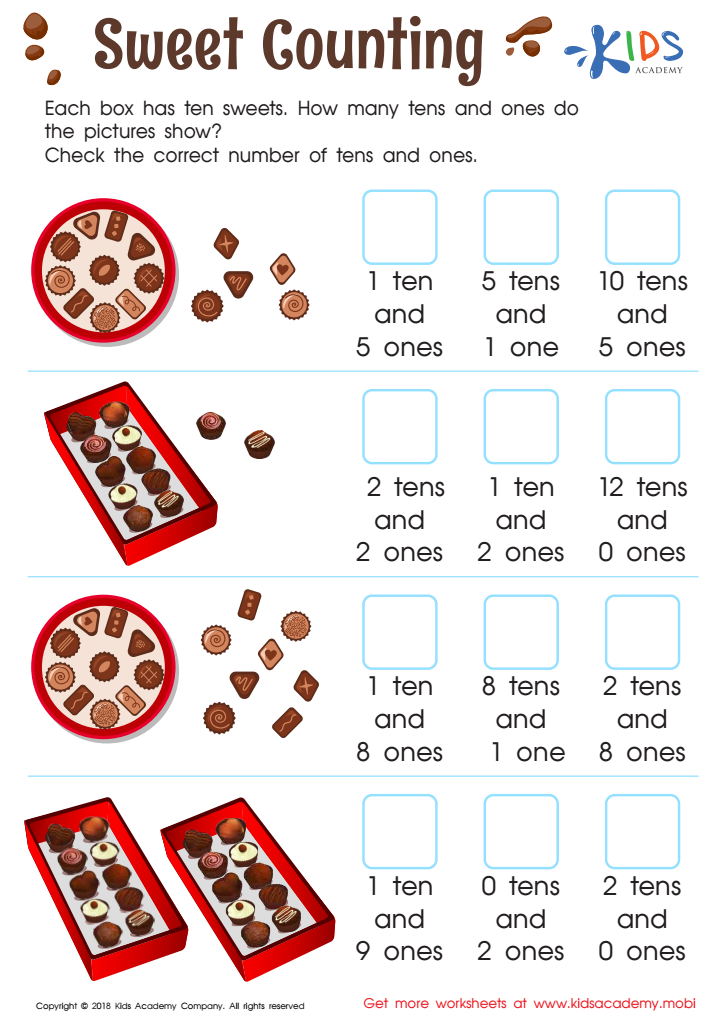
Sweet Counting - Part 2 Worksheet
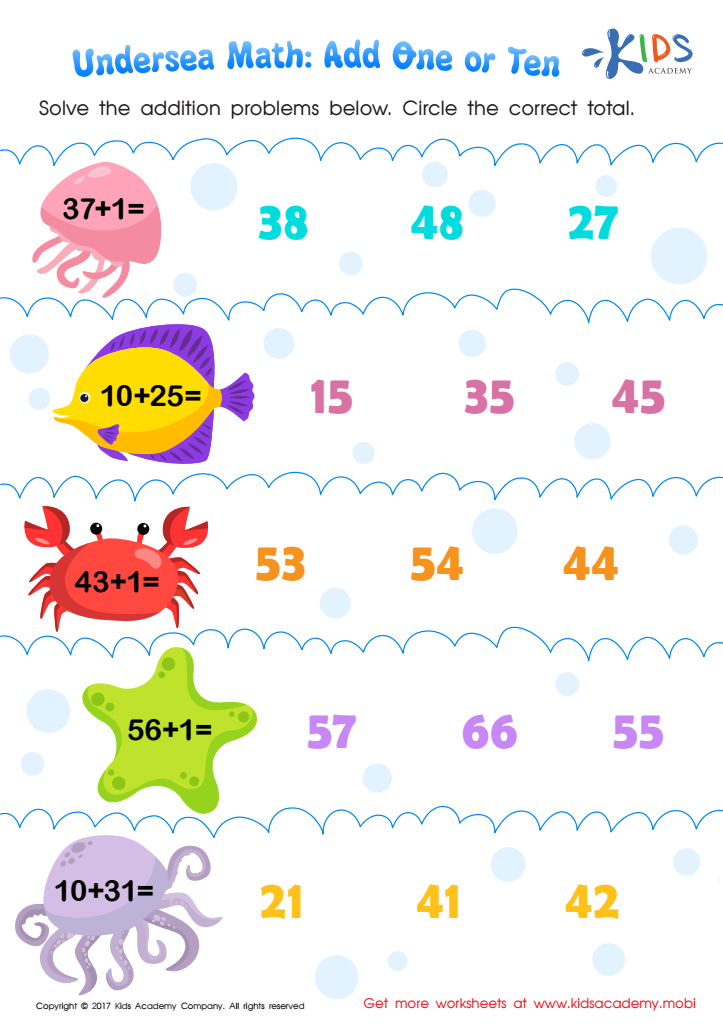
Undersea Math Worksheet
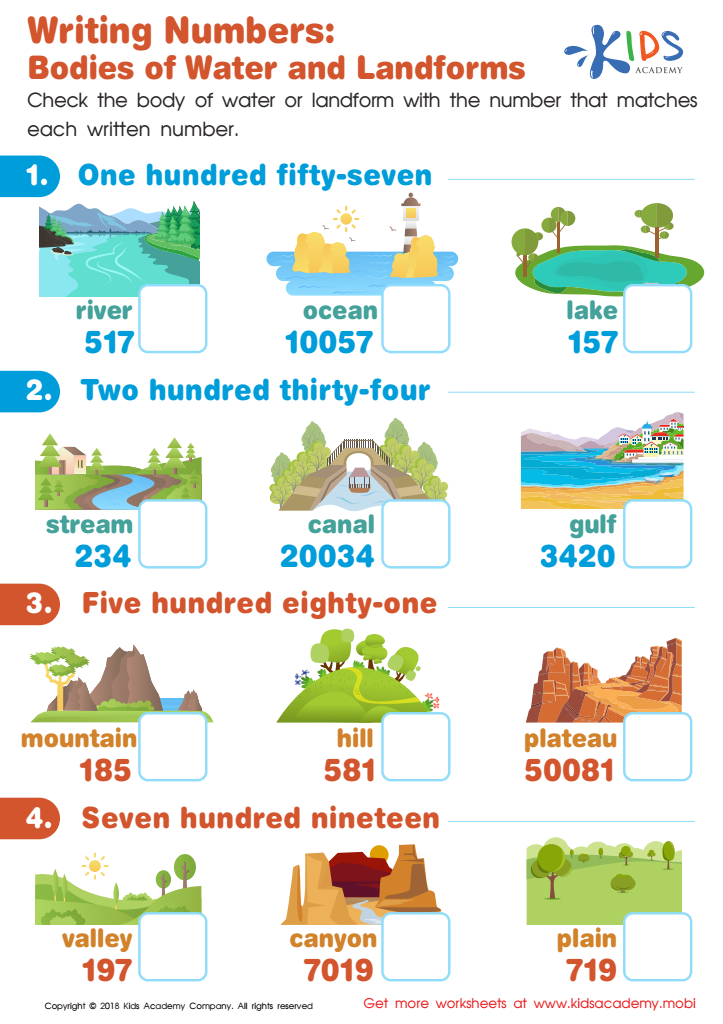
Bodies of Water and Landforms Writing Numbers Worksheet
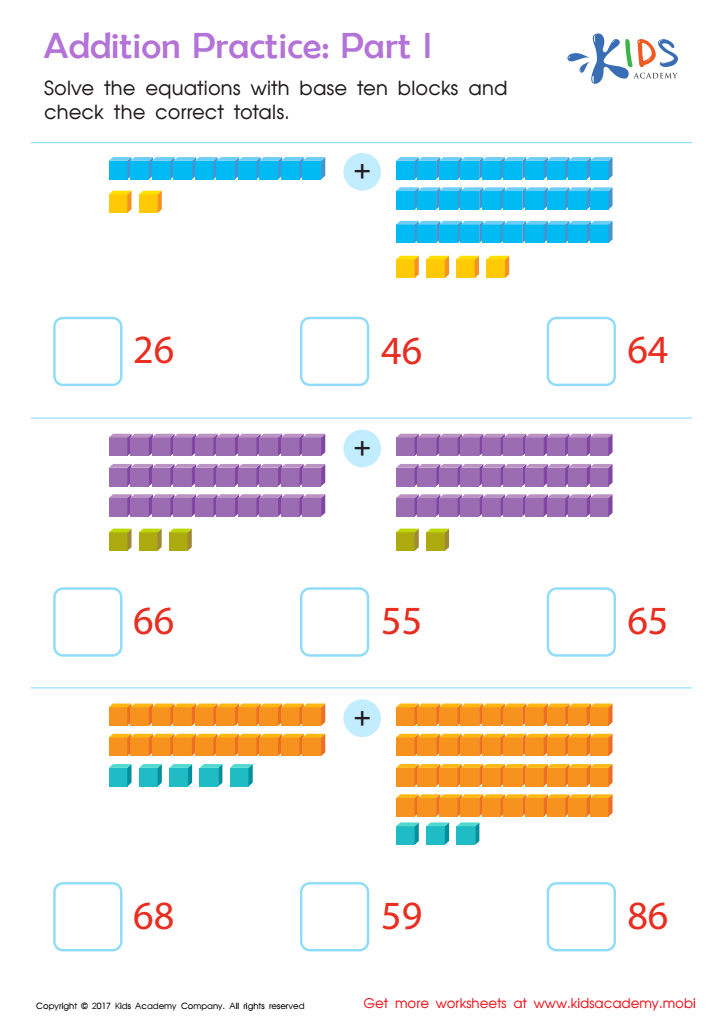
Addition Practice Sheet: Part 1
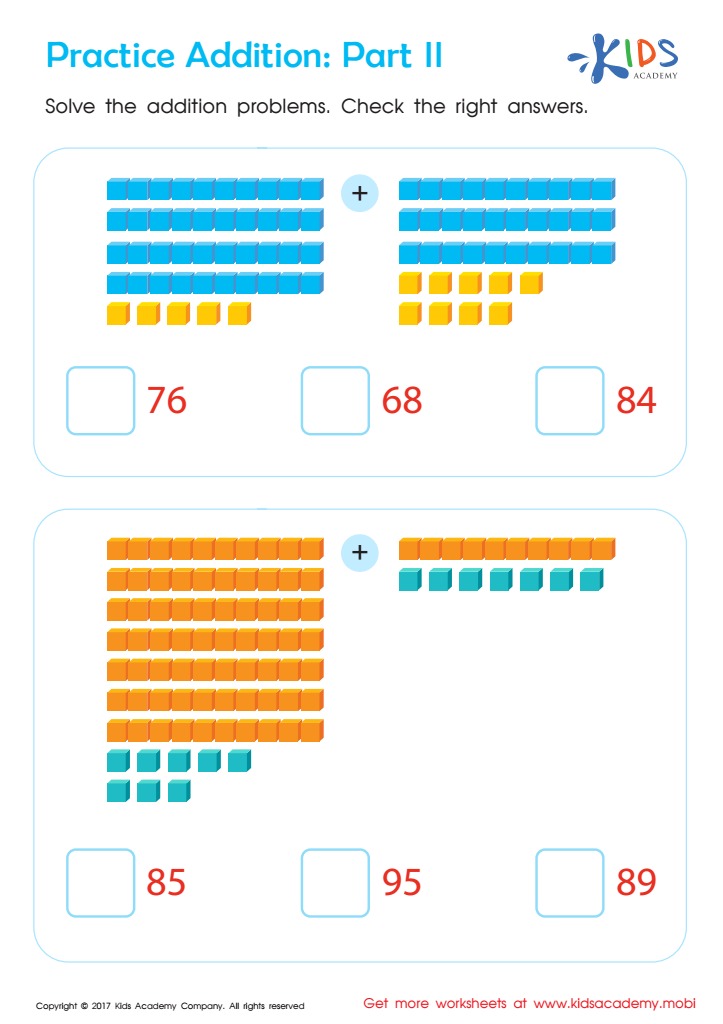
Practice Addition: Part 2 Worksheet








Number recognition and understanding place value are foundational skills in early childhood education, crucial for children's overall mathematical development. For ages 4-8, these concepts simplify future learning and build confidence in handling numbers.
Number recognition is the ability to identify and name numbers, essential for everyday activities such as telling time, counting objects, and basic arithmetic. It aids children in visualizing numerical information, making them comfortable with mathematical symbols and their associated values.
Understanding normal place value, where each digit's position signifies its particular value (units, tens, hundreds), is vital for arithmetic operations. Without grasping place value, adding or subtracting multi-digit numbers becomes confusing. For instance, in the number 56, the '5' is not merely a 5 but represents fifty due to its place in the tens position. This knowledge allows children to break down confusing calculations into simpler, understandable steps.
Mastering these skills during early years ensures a robust mathematical foundation, fostering logical thinking and problem-solving abilities. Parents and teachers play a crucial role in nurturing these proficiencies through engaging activities, games, and consistent practice, ultimately shaping confident, mathematically literate individuals ready for advanced mathematical concepts.