Reading skills development Normal Building Vocabulary Worksheets for Ages 4-8
3 filtered results
-
From - To
Discover our engaging "Building Vocabulary Worksheets" designed for ages 4-8, perfect for enhancing reading skills! These interactive resources help young learners expand their vocabulary in a fun and effective way. With themed activities, children will explore words through playful exercises, ensuring they grasp meanings and usage. Our worksheets also support essential skills such as recognition, comprehension, and contextual understanding. By integrating these worksheets into your learning routine, you’ll foster confident readers equipped with the tools they need to succeed. Ideal for homeschooling, classroom settings, or supplemental practice, these worksheets make vocabulary building enjoyable for curious minds. Start cultivating a love for reading today!
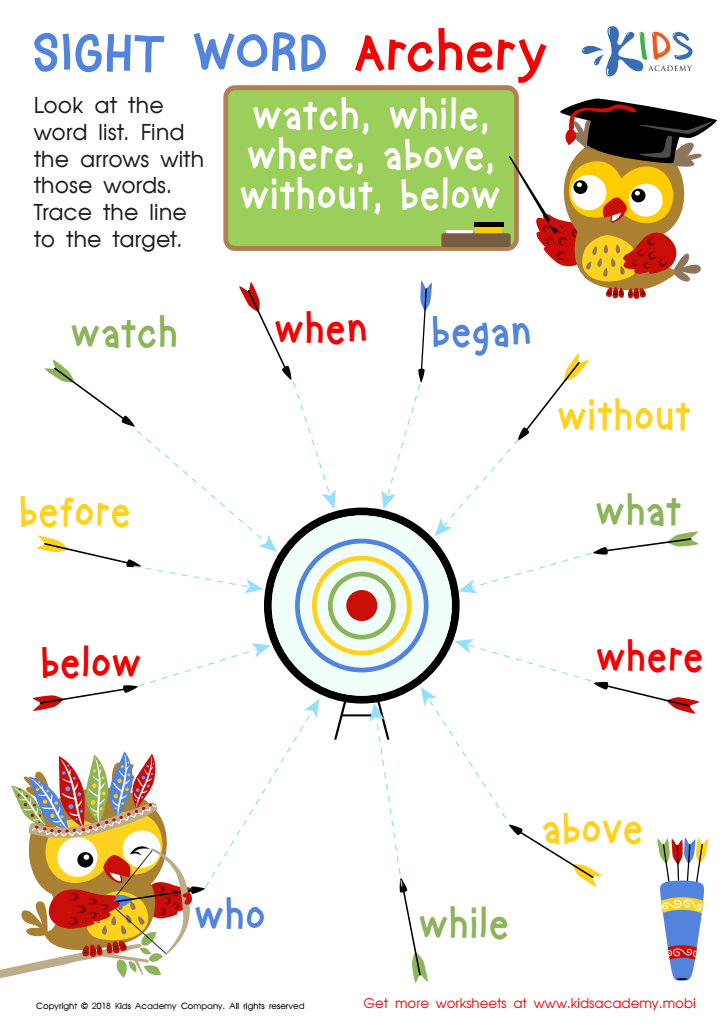
Sight Word Archery Worksheet
 Assign to My Students











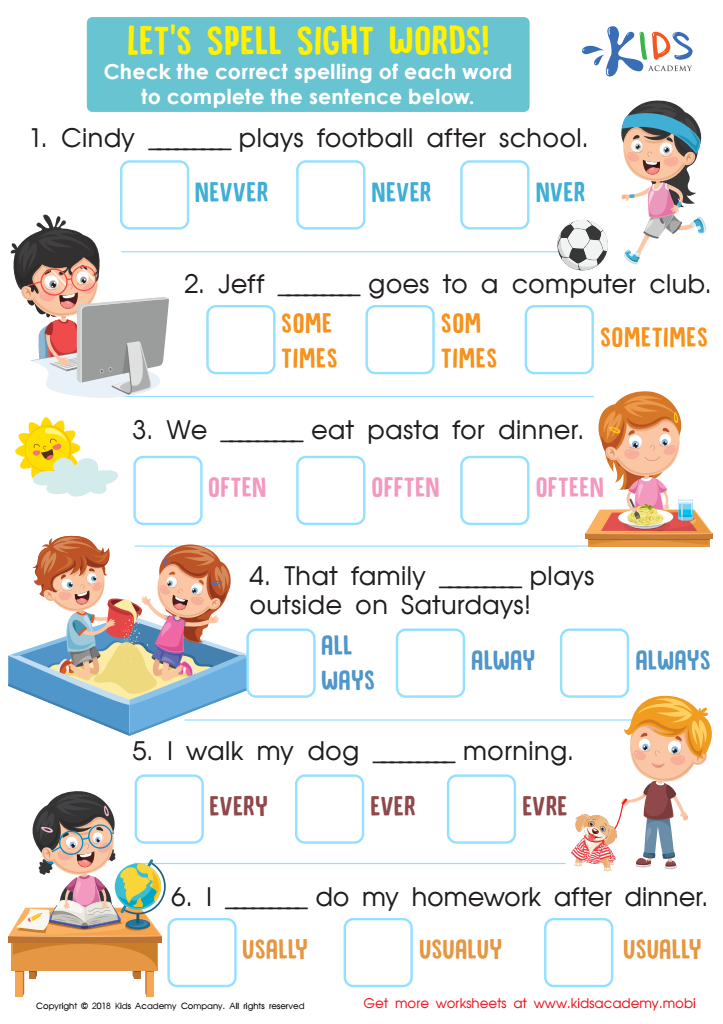
Let's Spell Sight Words Worksheet
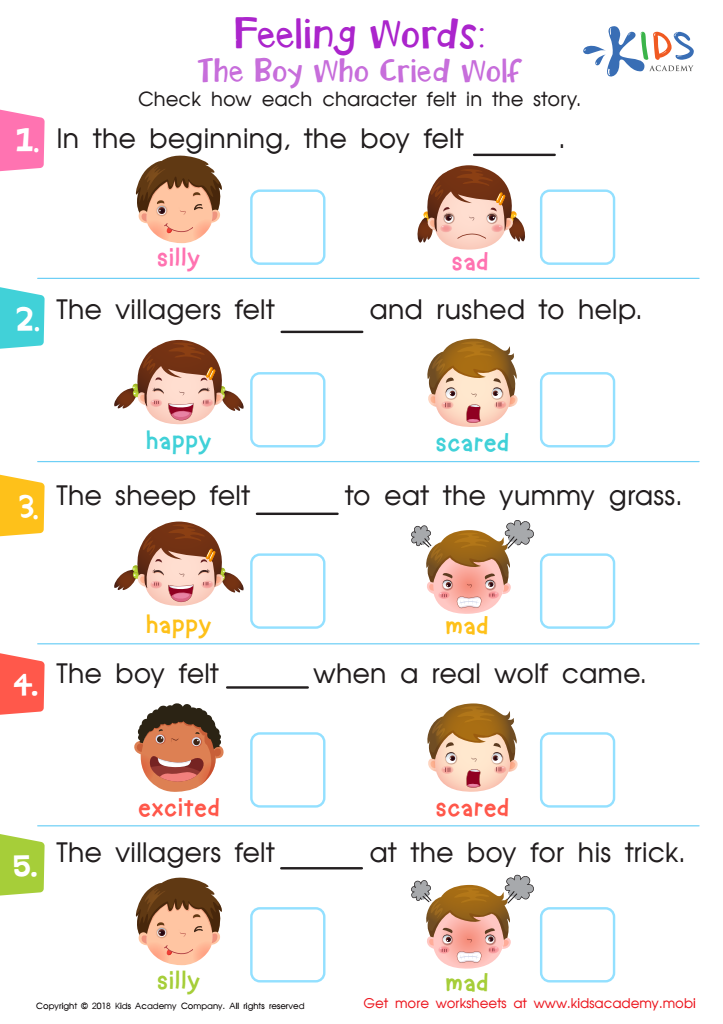
Feeling Words: The Boy Who Cried Wolf Worksheet








Reading skills and vocabulary development are crucial for children aged 4-8, as they lay the foundation for future academic success and lifelong learning. During these formative years, children are highly receptive to language, making this an ideal time for parents and teachers to focus on enhancing vocabulary and reading skills.
A strong vocabulary enables children to express themselves clearly and understand complex ideas, which is essential in all areas of study. Word exposure through reading expands their ability to communicate, enhancing their confidence in social interactions and oral presentations. Furthermore, effective reading skills improve comprehension, enabling children to understand instructions, engage with texts critically, and develop a love for reading that will serve them throughout schooling.
Engaging in regular reading activities promotes cognitive development, essential for later literacy skills. When children encounter new words, they not only learn their meanings, but also how to use them contextually, enriching their communication abilities.
Ultimately, prioritizing reading skills and vocabulary development equips children with the tools they need for academic achievement and empowers them for a future filled with opportunities. By nurturing these skills early, parents and teachers can foster a supportive learning environment that promotes education and personal growth.








