Number Recognition Normal Reading Worksheets for Ages 4-8
4 filtered results
-
From - To
Enhance your child's learning experience with our engaging Number Recognition Normal Reading Worksheets for Ages 4-8! Designed to support early literacy, these worksheets help children recognize and understand numbers through fun activities. Your little learners will explore number associations, counting, and matching through colorful illustrations and interactive tasks. Perfect for reinforcing skills at home or in the classroom, each worksheet is tailored to stimulate curiosity and boost confidence in young learners. Encourage a love for numbers and reading by integrating these easy-to-use resources into your teaching toolkit. Help your child develop essential skills with our thoughtfully crafted worksheets today!
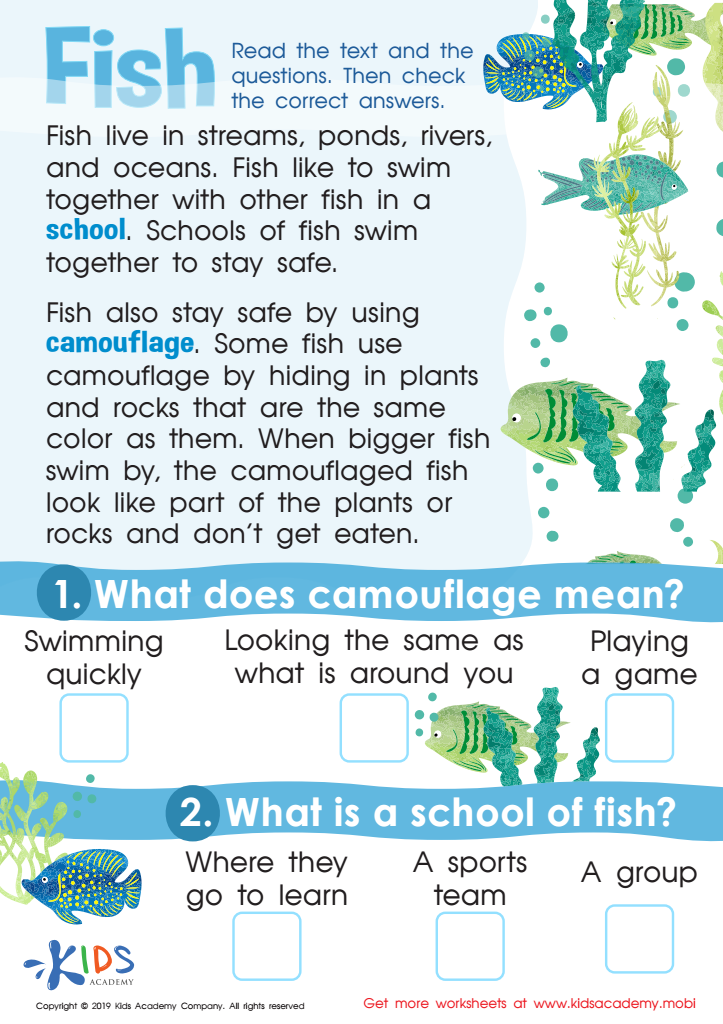
Fish Worksheet
 Assign to My Students
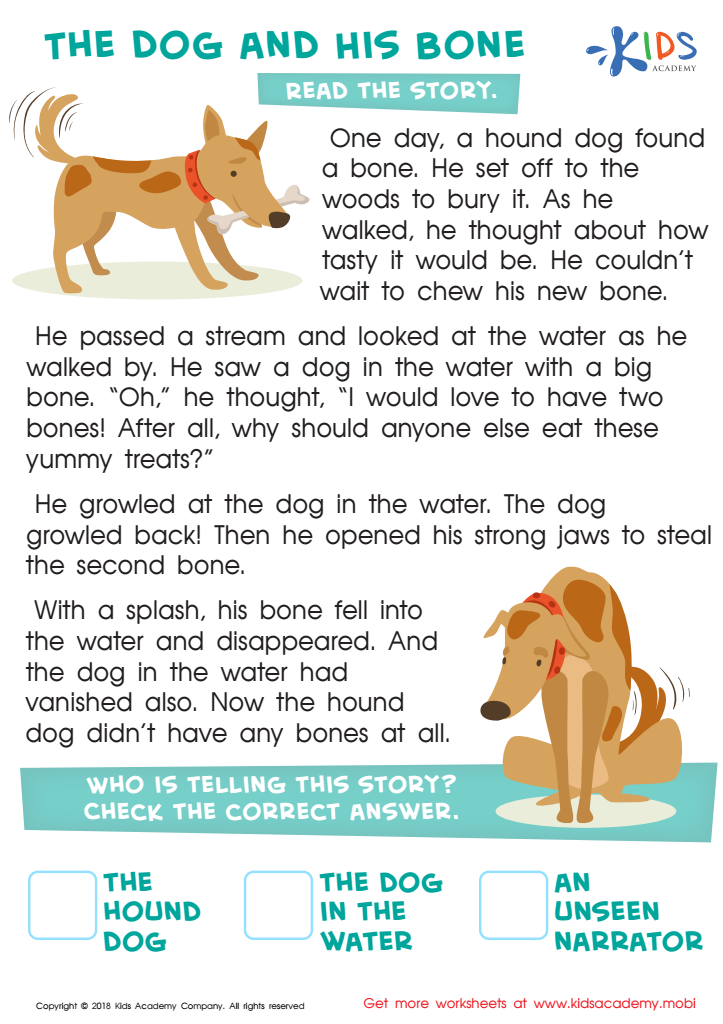
The Dog and His Bone Worksheet
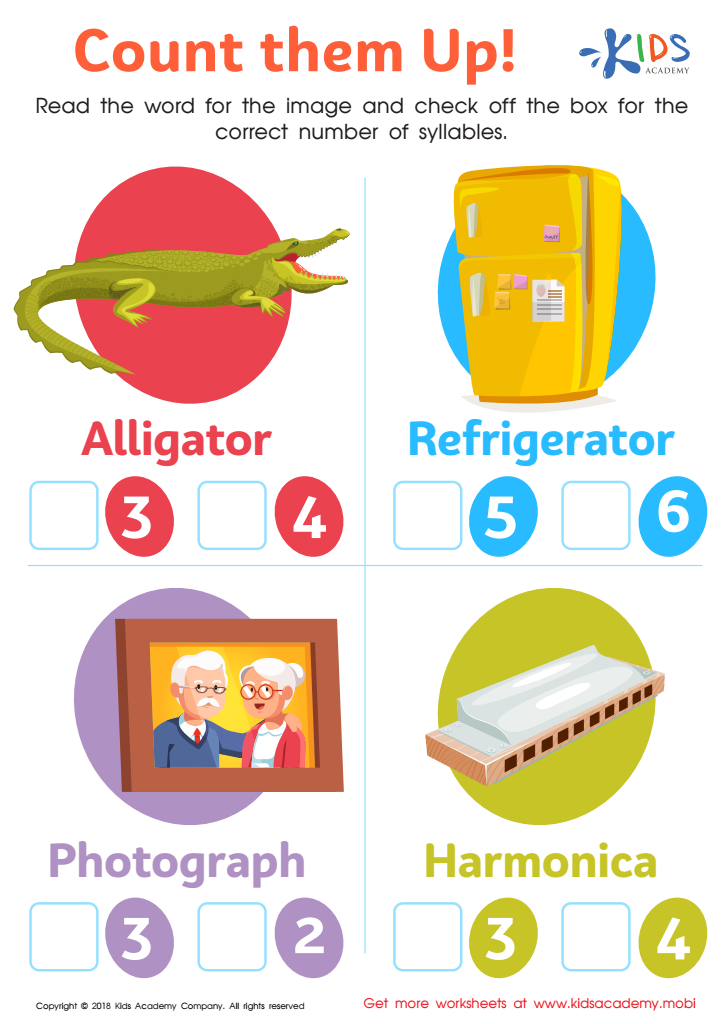
Count Them Up Worksheet
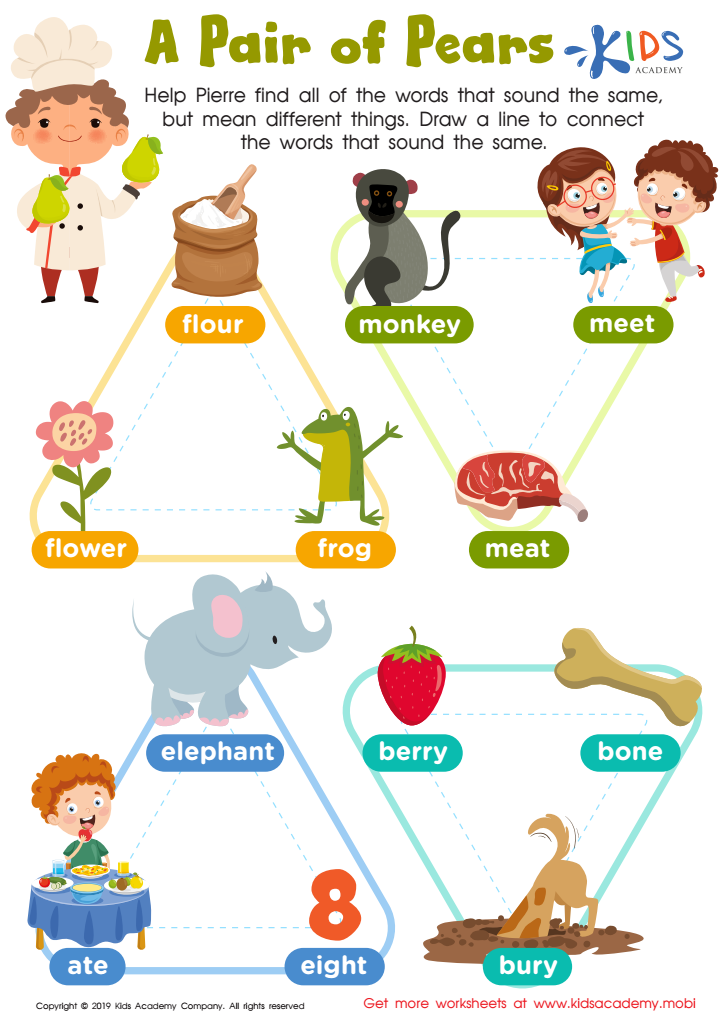
Pair Pears Worksheet





.jpg)


Number recognition is a crucial skill for young learners aged 4-8, serving as a foundational building block for future mathematical understanding. Parents and teachers must prioritize this skill for several reasons. Firstly, number recognition fosters early math abilities, enabling children to identify and understand quantities and numerical values. This comprehension lays the groundwork for more complex operations, such as addition and subtraction, which they will encounter later in their education.
Additionally, number recognition ties into various aspects of everyday life, teaching children essential skills like counting items, recognizing prices, and telling time. Engaging in activities that promote number recognition also cultivates critical thinking and problem-solving skills, varying from simple counting games to more structured learning environments.
Furthermore, supporting children in developing number recognition skills boosts their confidence and willingness to engage with math-related tasks, helping to combat the anxiety often associated with math in older grades. Lastly, early mastery can bridge educational gaps, ensuring that all children are prepared for more advanced math concepts, ultimately contributing to their academic success. For these reasons, both parents and teachers should actively promote and support number recognition activities for young learners.








