Sequencing events Normal Reading Worksheets for Ages 4-8
3 filtered results
-
From - To
Discover our engaging sequencing events reading worksheets designed specifically for children ages 4-8! These printable activities help young learners develop crucial reading and comprehension skills as they practice putting stories in the correct order. Our worksheets feature colorful illustrations and relatable stories to enhance learning and keep kids motivated. With varying levels of difficulty, they're perfect for classroom use or at-home practice. Help your students boost their logical thinking and narrative skills while having fun! Explore our collection now and provide your young readers with the tools they need to master sequencing events in entertaining and educational ways!
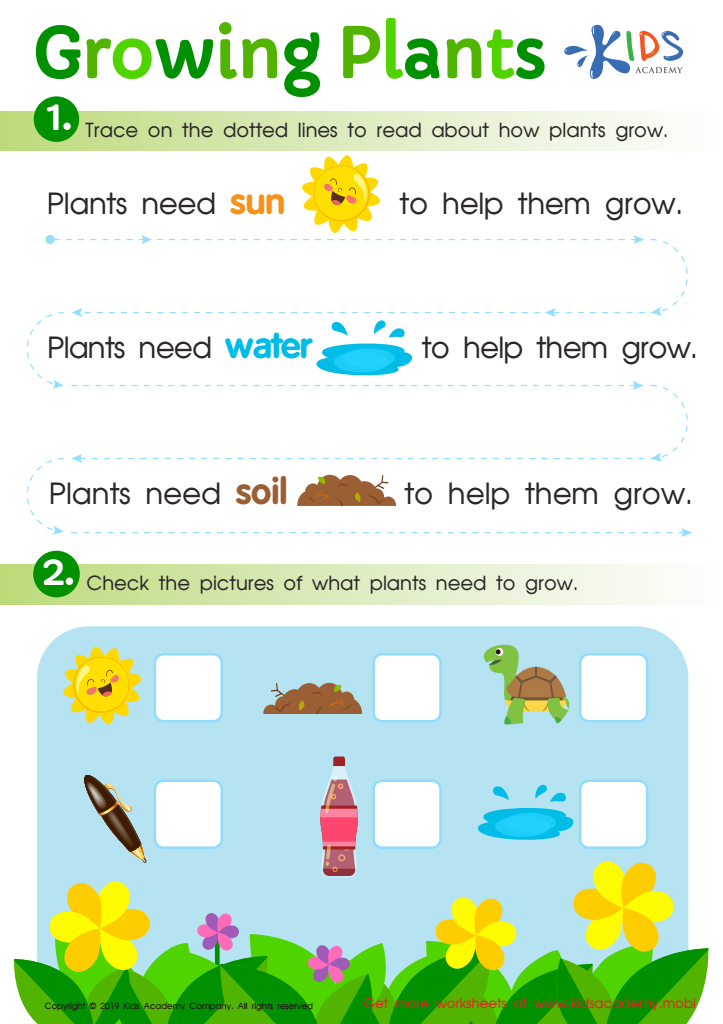
Growing Plants Worksheet
 Assign to My Students
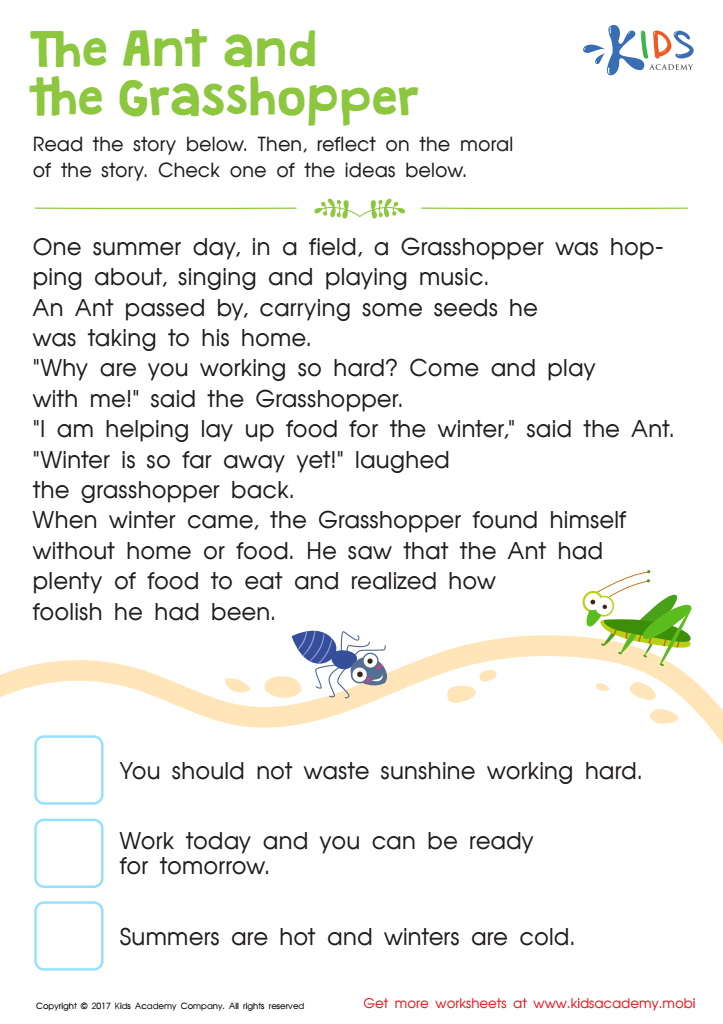
The Ant and The Grasshopper Printable
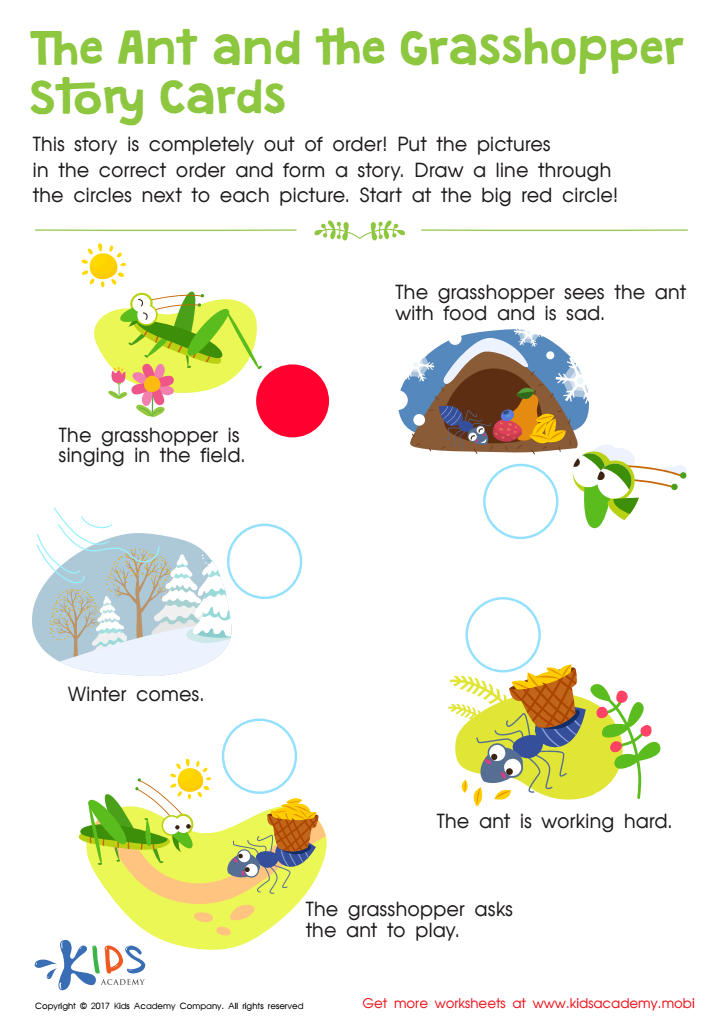
The Ant and The Grasshopper Worksheet


.jpg)
.jpg)



Sequencing events is a foundational reading comprehension skill vital for children aged 4-8. Understanding the order of events helps young readers make sense of stories, grasp cause-and-effect relationships, and improve their overall narrative comprehension. By learning to sequence events, children can enhance their ability to recall and retell stories, an essential skill for developing verbal communication and critical thinking.
For parents and teachers, investing time in sequencing activities can also foster a deeper engagement with literature. When children learn to organize events chronologically, they can more readily identify main ideas, plot points, and character motivations. This engagement not only makes reading more enjoyable but also encourages a love for literature.
Additionally, sequencing aids in the development of writing skills; as children learn to outline and arrange events coherently, they can become more effective storytellers. This skill not only benefits academic performance but also helps children express their thoughts creatively. By emphasizing sequencing, we equip young learners with the tools they need for successful reading comprehension and future academic achievement, laying a strong foundation for lifelong learning. In sum, understanding and practicing sequencing can significantly enhance literacy development in early readers.








