Fine Motor Skills Normal Reading Comprehension Worksheets for Ages 4-8
5 filtered results
-
From - To
Enhance your child's learning journey with our Fine Motor Skills Normal Reading Comprehension Worksheets tailored for ages 4-8. These engaging worksheets focus on developing essential fine motor skills while fostering reading comprehension abilities. Each activity is designed to captivate young learners, making practicing handwriting, cutting, and drawing not just educational but enjoyable. By combining fine motor tasks with reading comprehension questions, children will improve their hand-eye coordination and cognitive skills simultaneously. Perfect for home or classroom use, these worksheets provide an excellent resource for educators and parents looking to encourage early literacy and dexterity. Start nurturing your child's potential today!

Twinkle Twinkle Little Star Coloring Page
 Assign to My Students

The Dog and His Bone Worksheet
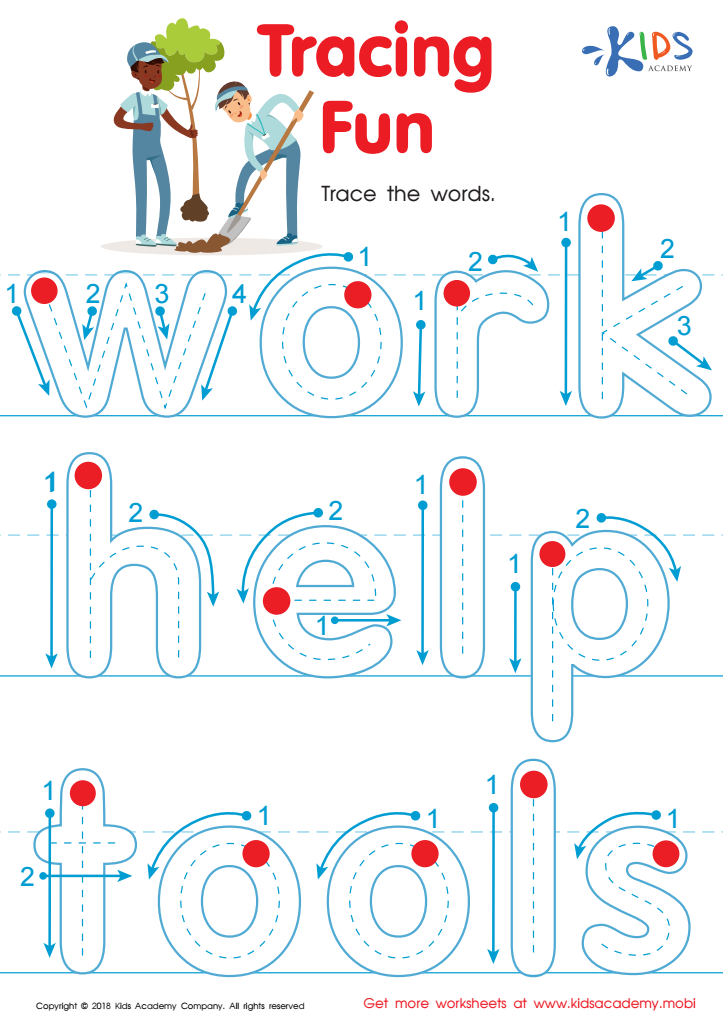
Tracing Fun Worksheet

Red Riding Hood Coloring Page
Assign to My Students
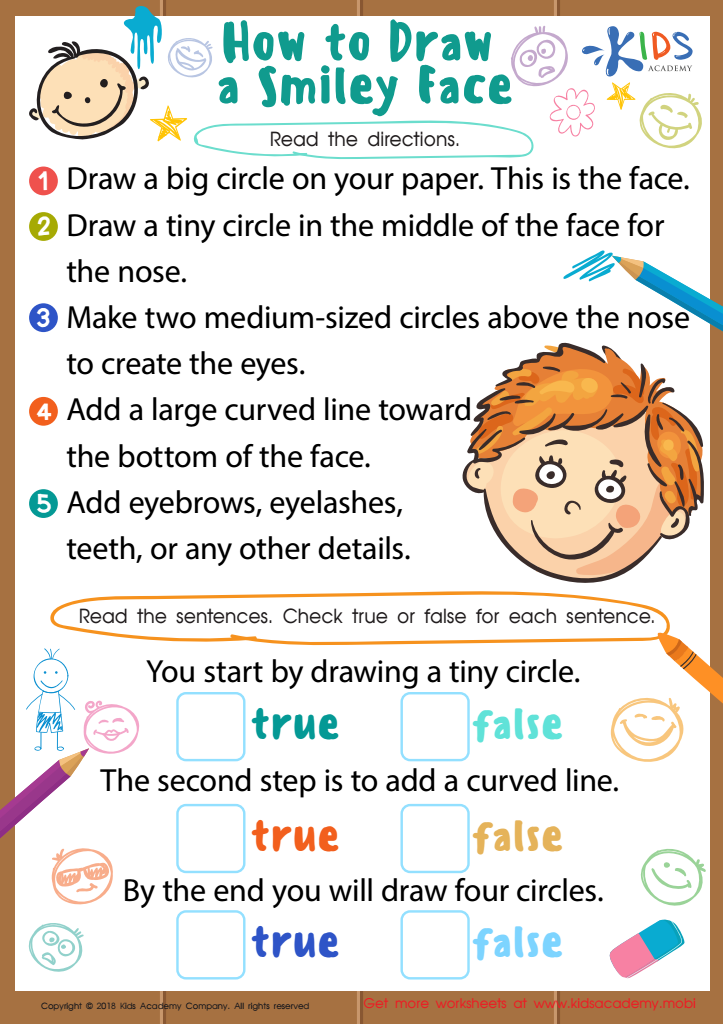
How to Draw a Smiley Face Worksheet







.jpg)
Fine motor skills play a crucial role in the development of reading comprehension in children aged 4-8. These skills, which involve the coordination of small muscles in the hands and fingers, are essential for tasks like gripping a pencil, turning pages of a book, and manipulating small objects. When children possess well-developed fine motor skills, they can better engage with written materials, making it easier for them to write, draw, and interact with texts.
Children with strong fine motor skills are also more likely to develop confidence in their writing and artistic abilities, leading to a more positive attitude toward reading and literacy in general. This nurturing of skills early on not only creates a solid foundation for future academic success but also promotes a love for learning.
Moreover, the connection between fine motor skills and cognitive development is significant. As children practice their fine motor tasks, they simultaneously enhance their ability to understand, retain, and interpret information, directly linking it to reading comprehension. By supporting and fostering fine motor skills, parents and teachers enable children to become more proficient readers. This investment in their early development will serve them well throughout their educational journeys and beyond.








