Categorizing animals Normal Science Worksheets for Ages 4-8
3 filtered results
-
From - To
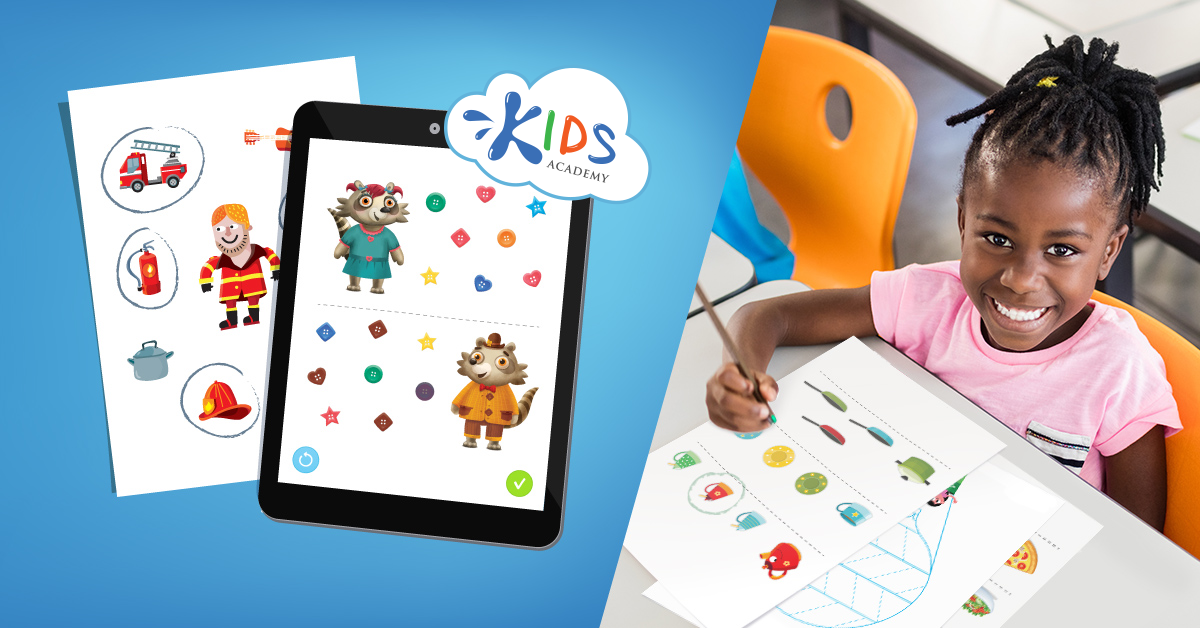
Enhance your child's learning with our "Categorizing Animals Normal Science Worksheets for Ages 4-8." These engaging activities make science fun by teaching young children how to identify and group animals based on different characteristics. Designed for kids aged 4-8, our printable worksheets foster critical thinking and observational skills. Parents and educators can use these resources to complement learning at home or in the classroom. Interactive and visually appealing, these worksheets help children understand animal species, classifications, and ecosystems, laying a strong foundation for future scientific exploration. Visit Kids Academy and download your free worksheets today!
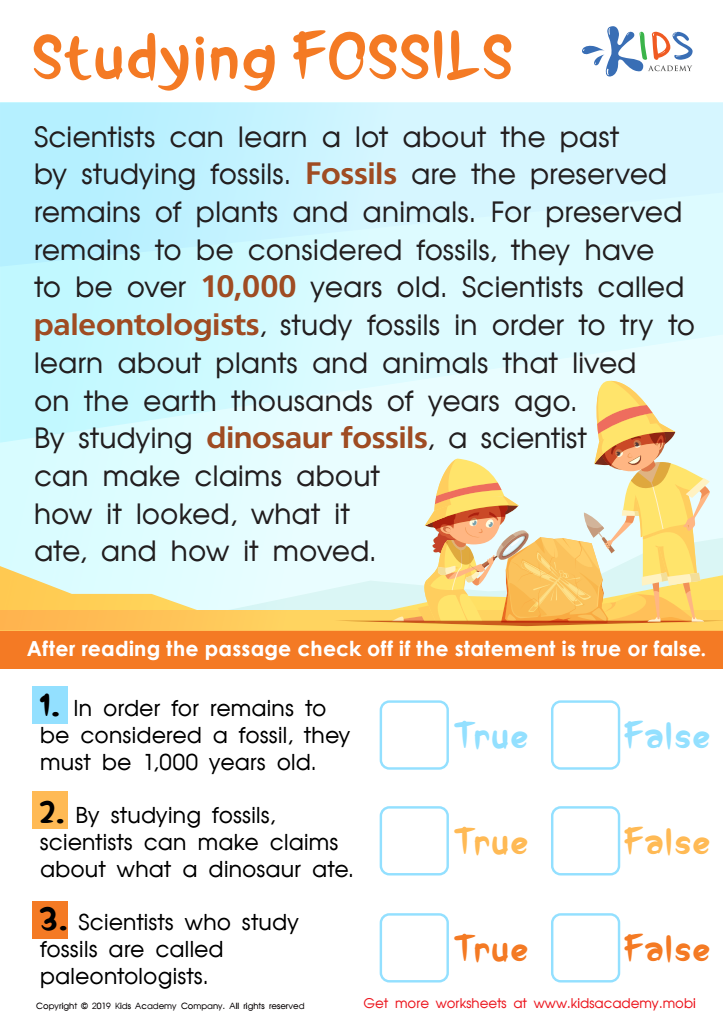
Studying Fossils Worksheet
 Assign to My Students
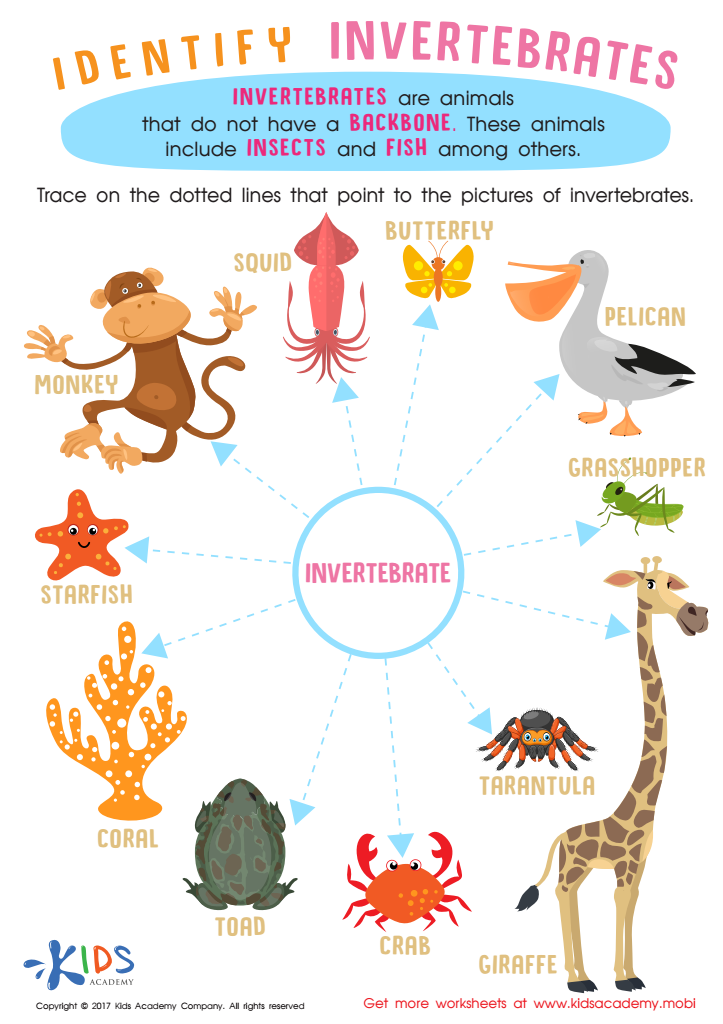
Invertebrates Worksheet for Grade 3
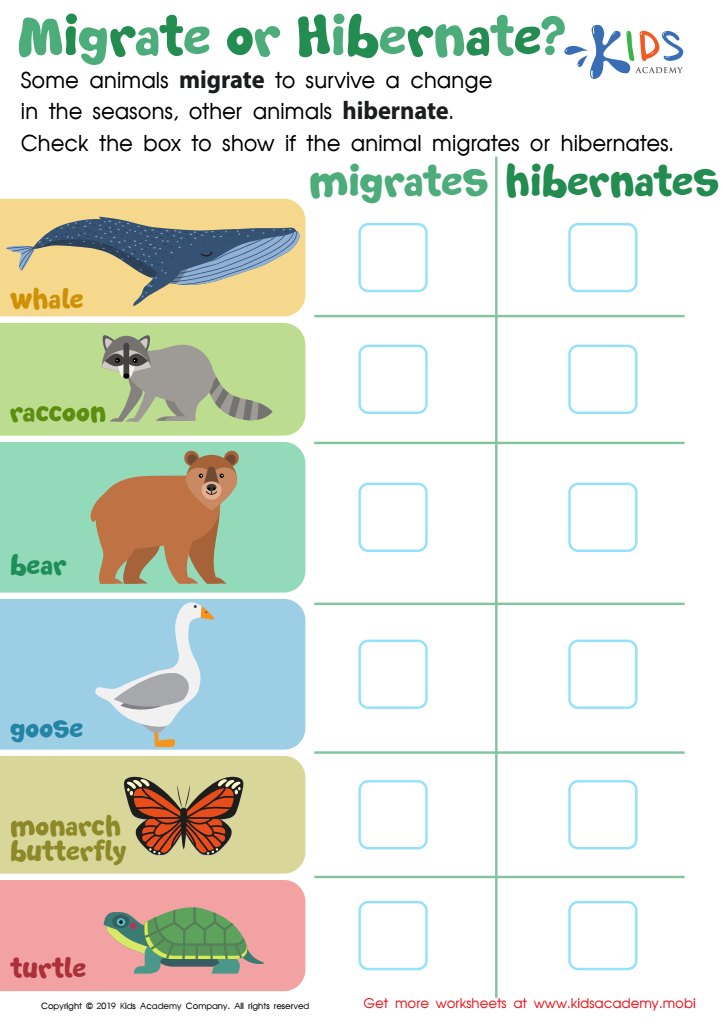
Migrate or Hibernate? Worksheet




Categorizing animals is a fundamental aspect of early childhood science education that provides numerous developmental benefits for children aged 4-8. For parents and teachers, integrating this activity into learning can significantly enhance a child's cognitive and linguistic skills. By sorting animals into categories such as mammals, birds, reptiles, and fish, children begin to discern similarities and differences, a key cognitive process called classification. This critical thinking skill is foundational for more advanced scientific thinking and problem-solving abilities.
Additionally, discussing animal traits and habitats expands children's vocabulary and language skills, facilitating better communication and comprehension. It promotes curiosity and engagement with the natural world, fostering a lifelong interest in science. Recognizing diverse animal characteristics also nurtures empathy and awareness about conservation and environmental stewardship.
In social settings, group activities around animal classification encourage teamwork and collaboration, building social skills and a sense of community. Visual aids, songs, and stories about animals can make learning enjoyable and memorable. For educators and parents, it's an opportunity to anchor scientific principles in accessible and relatable content, paving the way for future educational success. By caring about categorizing animals, adults equip children with crucial skills in observation, critical thinking, and empathy, fostering well-rounded development.







