Enhancing research skills Normal Science Worksheets for Ages 4-8
3 filtered results
-
From - To
Discover our "Enhancing Research Skills" science worksheets tailored for ages 4-8! These engaging worksheets are designed to boost children's curiosity and foundational understanding of scientific concepts. Through fun, age-appropriate activities, young learners will gain essential research skills that will serve them throughout their education. Our resources foster critical thinking, observation, and analytical skills in a playful and enjoyable manner. Perfect for early grade learners, these worksheets lay the groundwork for a lifelong passion for science and discovery. Visit us to explore how these expertly crafted worksheets can transform learning into an exciting adventure!
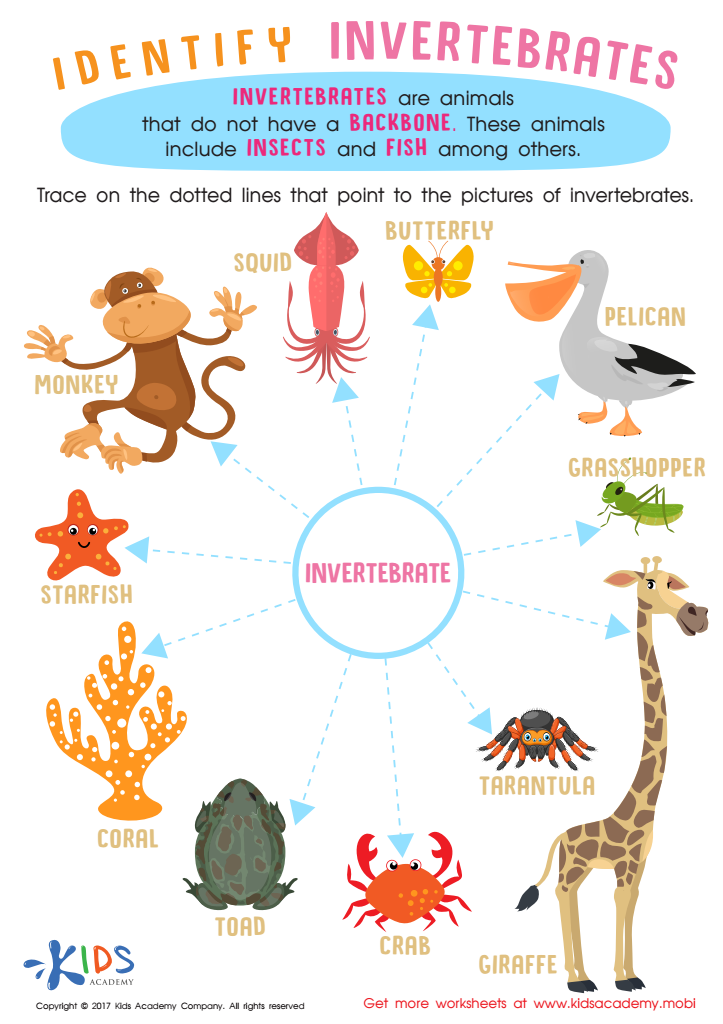
Invertebrates Worksheet for Grade 3
 Assign to My Students
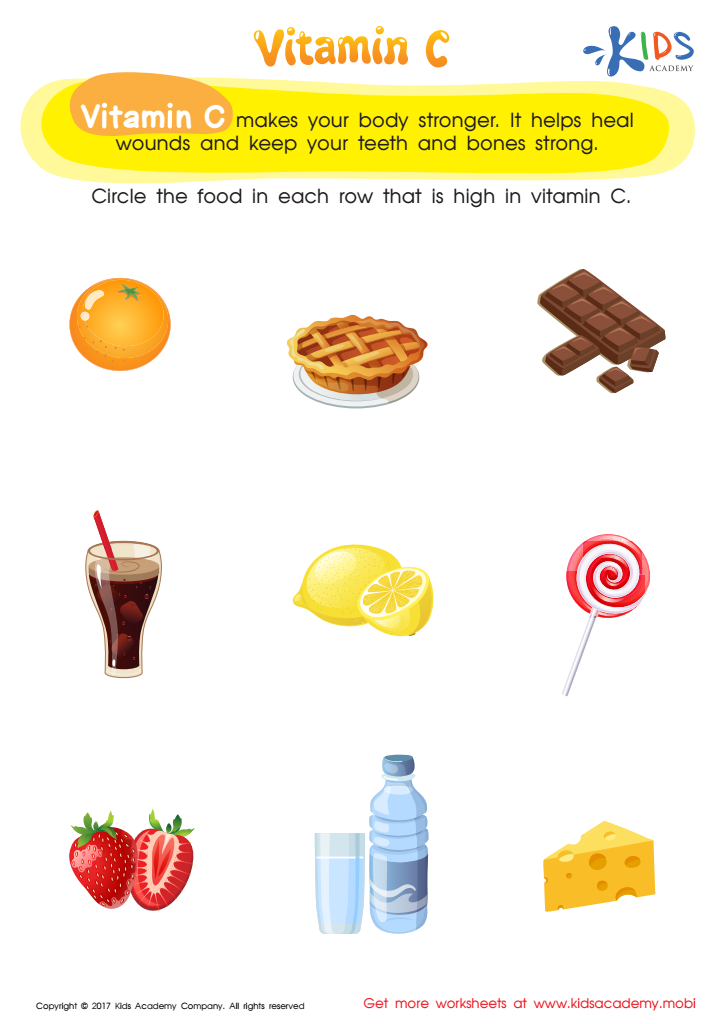
Vitamin C Worksheet
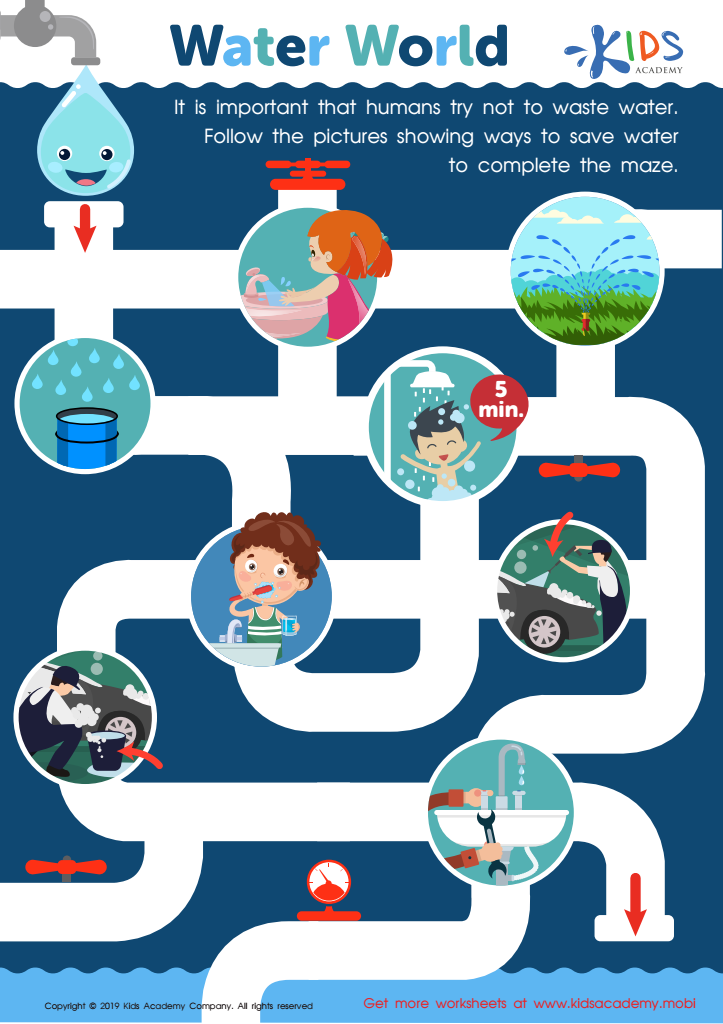
Water World Worksheet






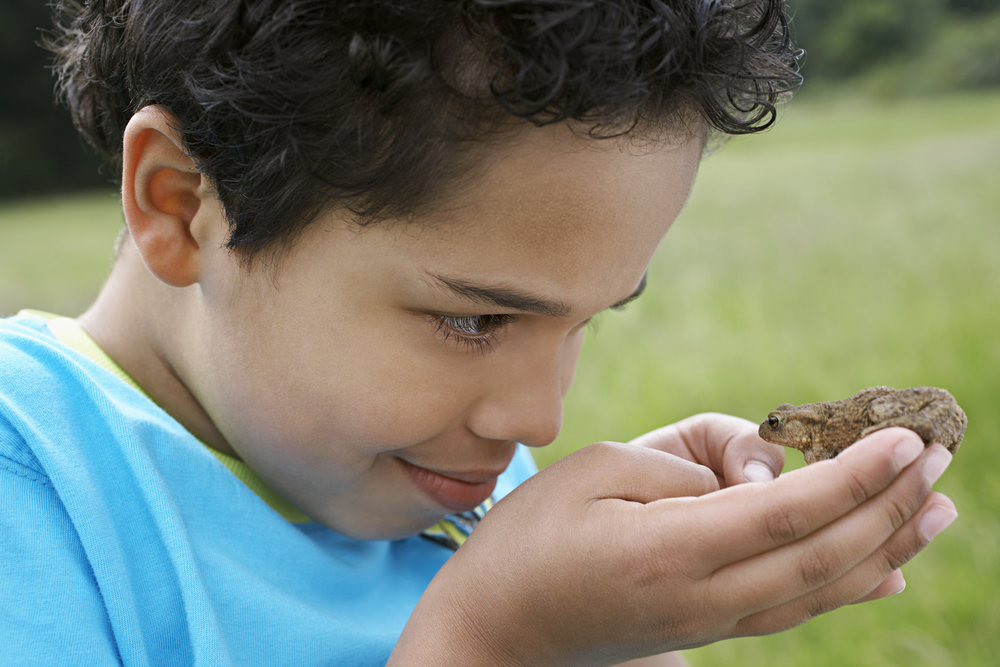

Developing research skills in children ages 4-8 is crucial for their cognitive and social development. At this stage, kids are naturally curious and absorb information rapidly. By nurturing their research skills early on, we lay a foundation for lifelong learning and critical thinking abilities.
First and foremost, these skills promote curiosity and a love of learning. Children learn to ask questions and seek out answers, fostering a mindset of exploration and discovery. This curiosity drives engagement, helping them retain information more effectively and thoroughly.
Furthermore, research skills instill a sense of independence and problem-solving. When children learn how to find information on their own, they become more self-reliant and confident. This independence is beneficial not just academically, but in everyday problem-solving and decision-making tasks.
Moreover, early exposure to research techniques helps develop critical thinking. Children learn to not just accept information at face value but understand the foundations of knowledge. This critical approach will be invaluable throughout their schooling and beyond, making them more discerning consumers of information in an age of misinformation.
In addition, cultivating research skills early helps with language development and literacy. Regularly reading, asking questions, and discussing answers enhances vocabulary, comprehension, and communication abilities—fundamental skills for any academic pursuit.
In essence, fostering research skills in young children encourages lifelong learning, independence, critical thinking, and literacy. These benefits collectively equip them to navigate their academic futures and personal lives with confidence and competence.







