Enhancing observation skills Normal Plants and Animals Worksheets for Ages 4-8
5 filtered results
-
From - To
Introduce young learners to the wonders of nature with our expertly crafted worksheets designed to enhance observation skills in children aged 4-8. These engaging activities prompt kids to explore and observe common plants and animals in their environment, fostering a deeper connection with the natural world. By closely examining details such as shapes, colors, and behaviors, children will develop critical thinking and scientific reasoning skills. With a variety of interactive tasks, these worksheets make learning exciting and hands-on. Perfect for both classroom and at-home use, our resources support early science education and nurture curious, budding naturalists. Experience knowledge growth and fun seamlessly integrated!
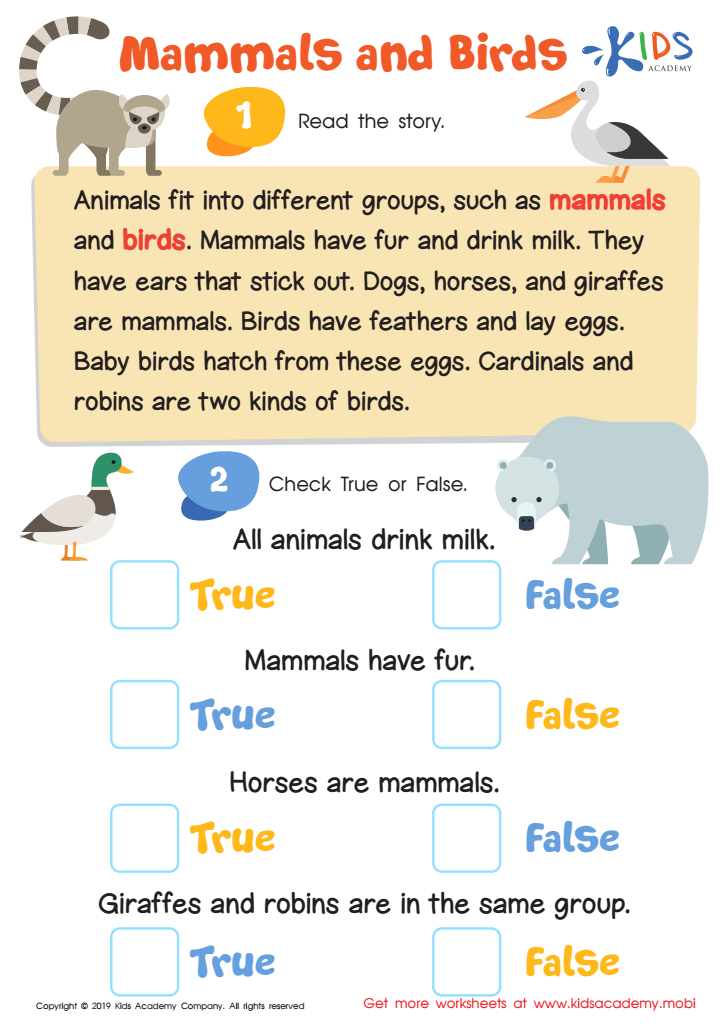
Mammals and Birds Worksheet
 Assign to My Students

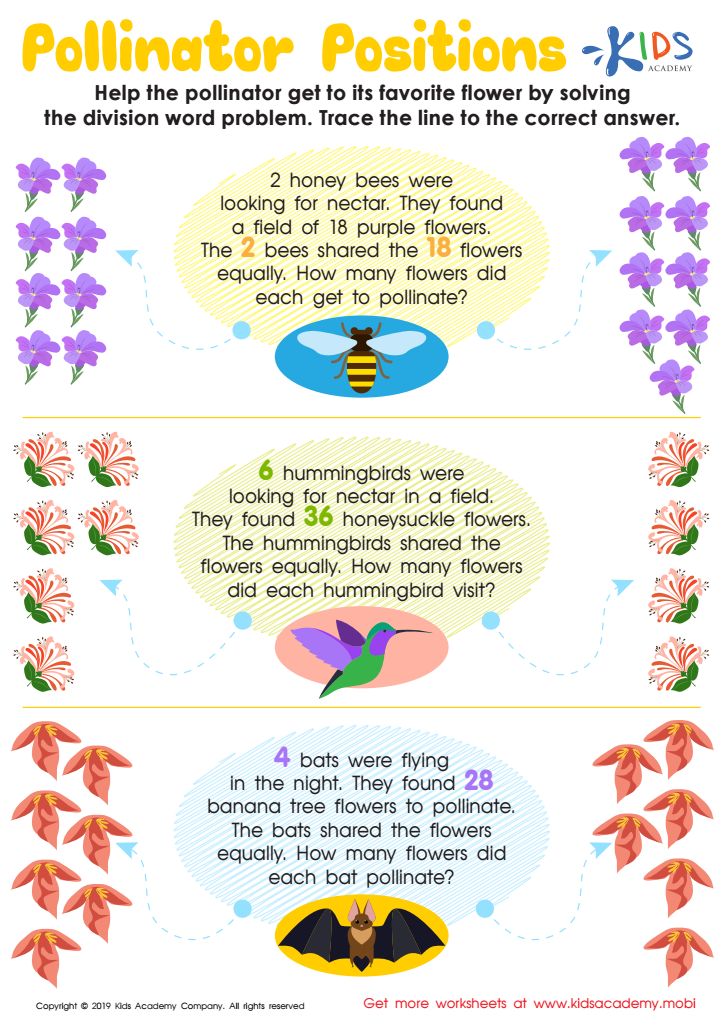
Pollinator Positions Worksheet
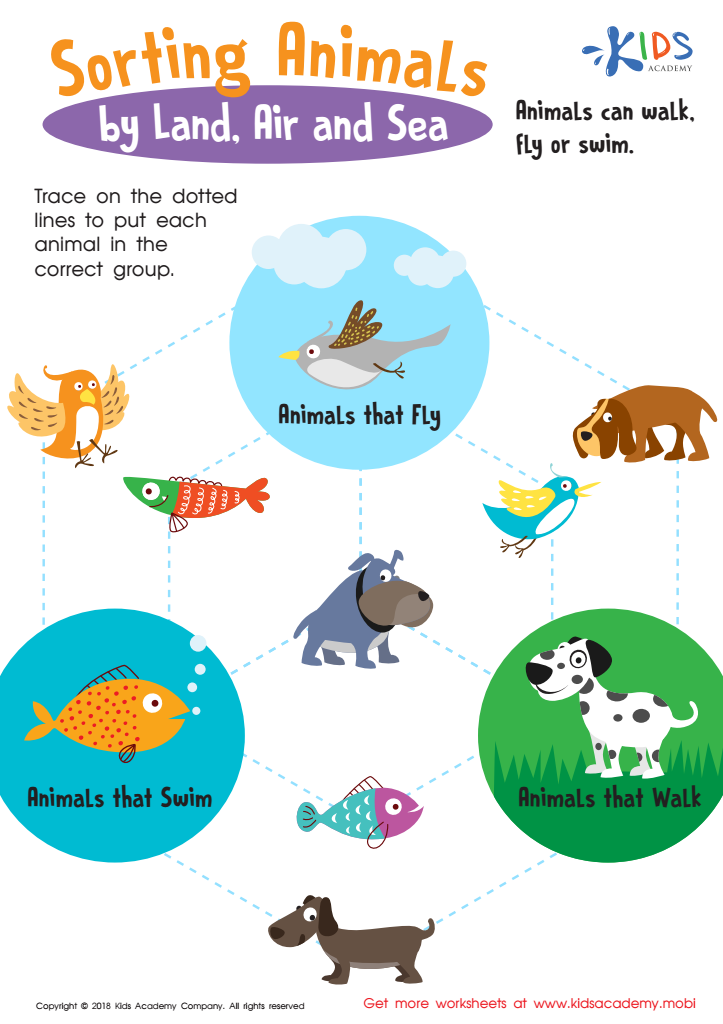
Sorting Animals by Land, Air and Sea Worksheet
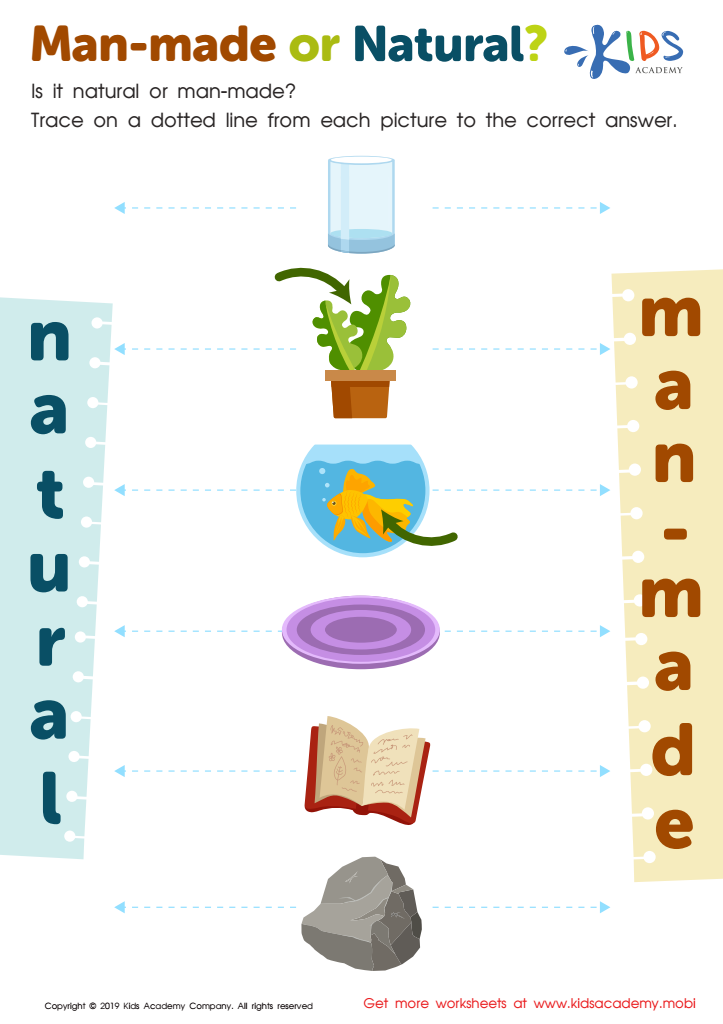
Man-Made or Natural? Worksheet
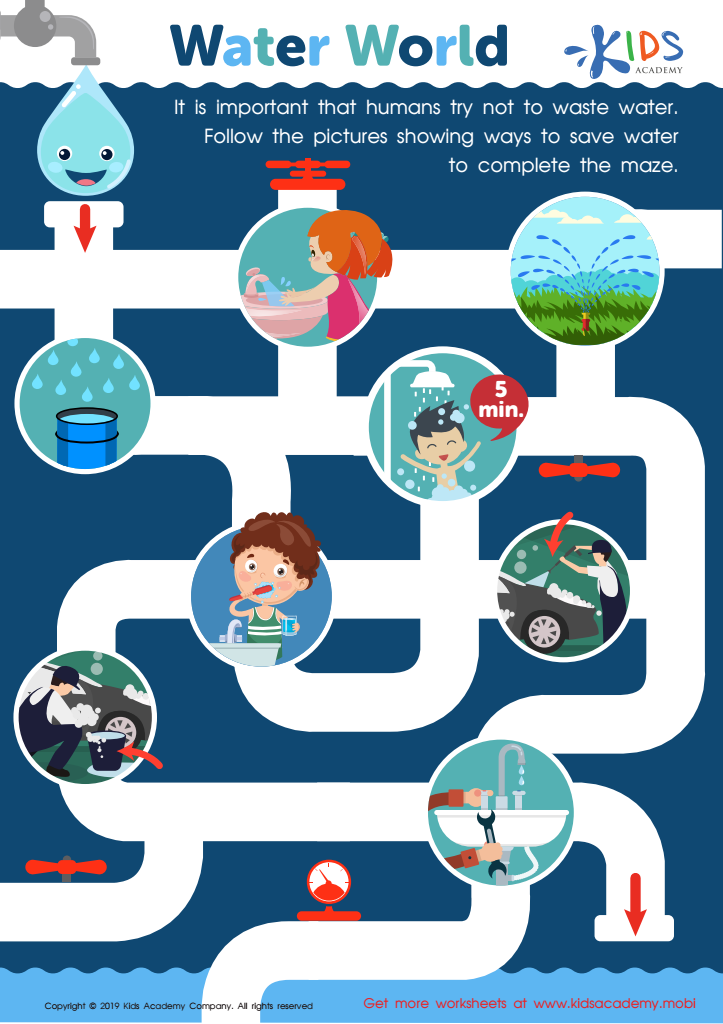
Water World Worksheet







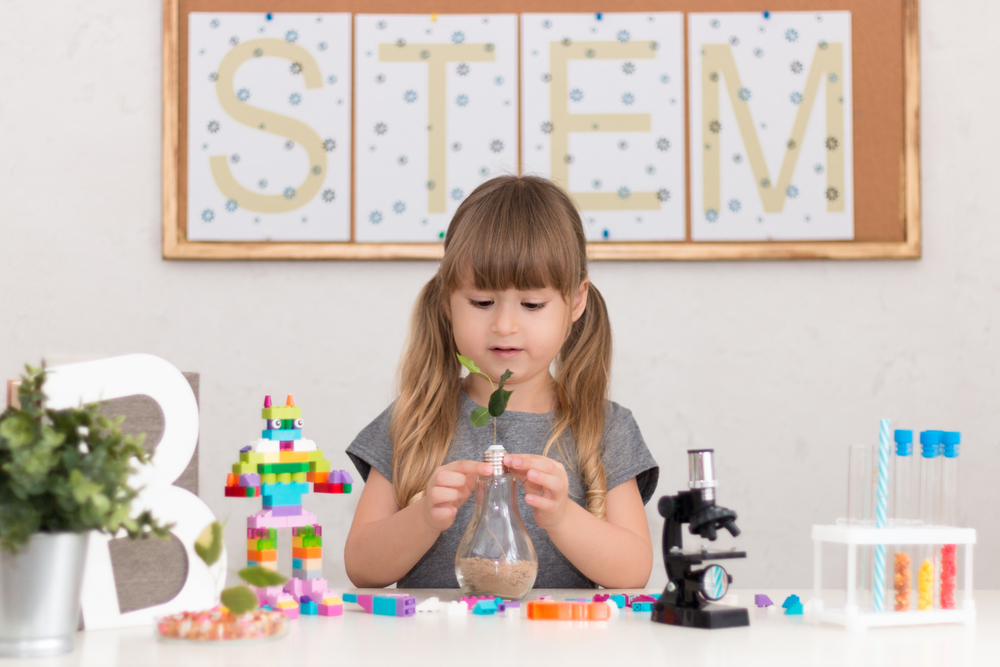
Enhancing observation skills in young children, specifically ages 4-8, when it comes to plants and animals is crucial for several developmental reasons. First, these skills lay the foundation for scientific inquiry and a curiosity-driven mindset. Observation is a primary step in the scientific process, fostering critical thinking and helping children make connections between their immediate environment and larger ecological systems.
Moreover, when parents and teachers engage children in activities that focus on the careful observation of plants and animals, they support focused attention and mindfulness. These activities encourage children to notice details, ask questions, and describe what they see, which strengthens language skills and vocabulary development. As they document their observations, whether through drawing or verbal descriptions, children practice literacy skills and communication.
Additionally, learning through direct interaction with the natural world can inspire a lifelong appreciation for nature and environmental stewardship. This early contact encourages empathy and a sense of responsibility for other living beings. It helps children understand biodiversity and the importance of each species in the ecosystem, fostering respect for life in its diverse forms.
Overall, enhancing observation skills regarding plants and animals during early childhood not only supports academic development but also nurtures emotional and social growth, ensuring children develop a holistic understanding of the world around them.