Motor skills development Normal ABC Letters Worksheets for Ages 4-9
3 filtered results
-
From - To
Enhance your child’s motor skills with our engaging "Normal ABC Letters Worksheets," specially designed for ages 4-9. These worksheets provide fun and interactive activities that promote letter recognition while developing essential fine motor skills. Your child will enjoy tracing, coloring, and practicing their handwriting as they learn the alphabet. Each worksheet is crafted to encourage creativity and strengthen hand-eye coordination, laying a strong foundation for reading and writing success. Whether used at home or in the classroom, these worksheets are an effective resource to support your child's growth and confidence in their motor skills. Start their learning journey today!

Letter H Tracing Page










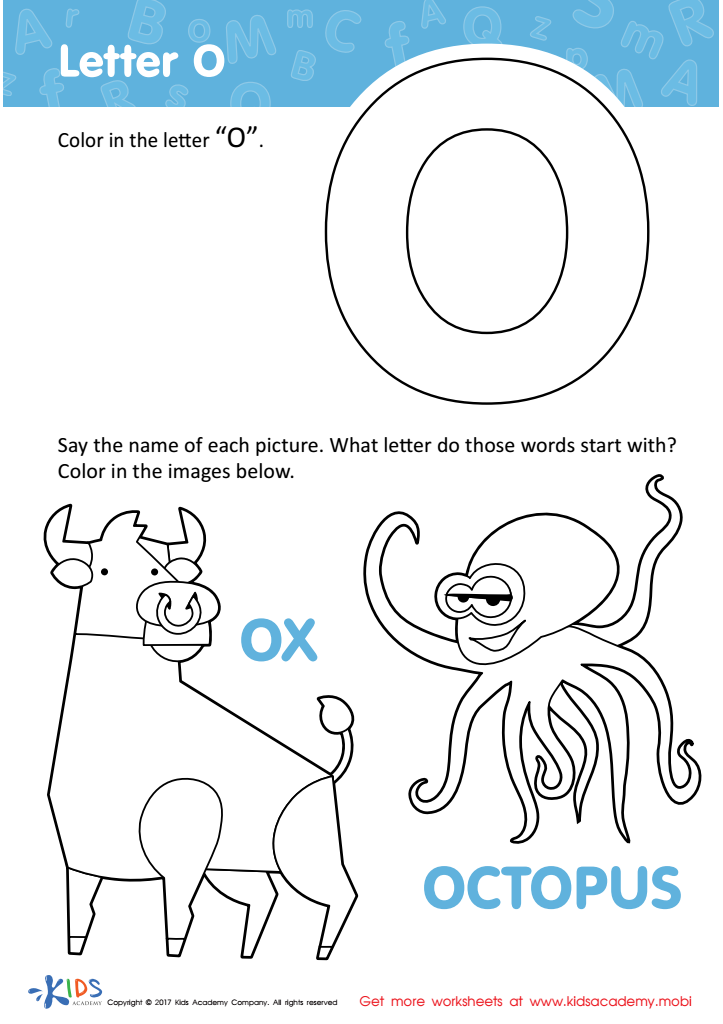
Letter O Coloring Sheet
 Assign to My Students
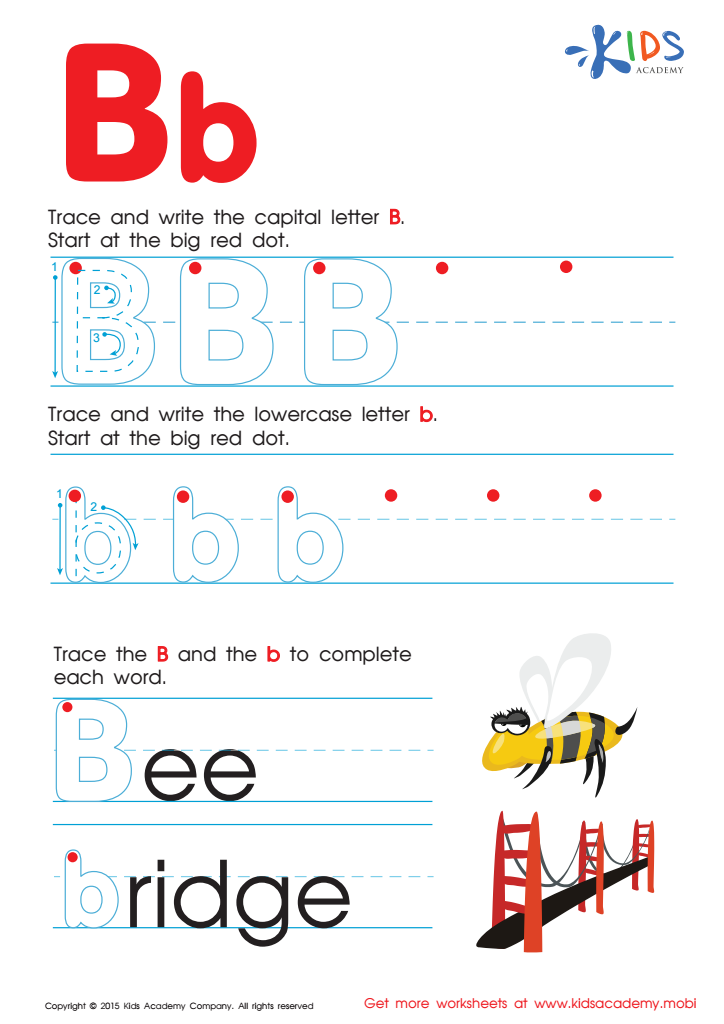
Letter B Tracing Page






Motor skills development is crucial for children aged 4 to 9 as it lays the foundation for various learning experiences and daily activities. These skills are typically categorized into two types: fine motor skills, which involve the coordination of smaller muscle movements (like writing or cutting), and gross motor skills, which include larger muscle groups responsible for actions such as running and jumping.
Parents and teachers should care about this development because mastering these skills significantly impacts a child’s ability to perform academic tasks, engage in physical activities, and socialize with peers. For instance, proficient fine motor skills are essential for writing the letters of the alphabet, which is foundational in literacy and communication.
Additionally, kids with well-developed motor skills often demonstrate better focus and confidence in the classroom, which can lead to improved academic performance and social interactions. Children who struggle with motor skill development may face challenges, resulting in frustration, low self-esteem, or anxiety in school settings.
By prioritizing motor skills activities, such as play-based learning, art projects, and movement games, adults can foster an environment that supports children's holistic development, helping them thrive both academically and socially. Thus, caregivers play a vital role in guiding this essential aspect of child development.







