Alphabet Recognition Normal Alphabet Coloring Pages Worksheets for Ages 4-9
10 filtered results
-
From - To
Discover our engaging Alphabet Recognition Normal Alphabet Coloring Pages, tailored for children ages 4-9! These fun worksheets are designed to reinforce letter recognition and enhance fine motor skills through delightful coloring activities. Each page features beautifully illustrated letters, encouraging kids to match, trace, and color while developing their understanding of the alphabet. Perfect for home or classroom use, these worksheets support early literacy in a fun and interactive way. Foster your child's creativity and learning as they explore letters, enhance word association, and build a solid foundation for reading. Start your child's alphabet adventure today with our vibrant coloring pages!
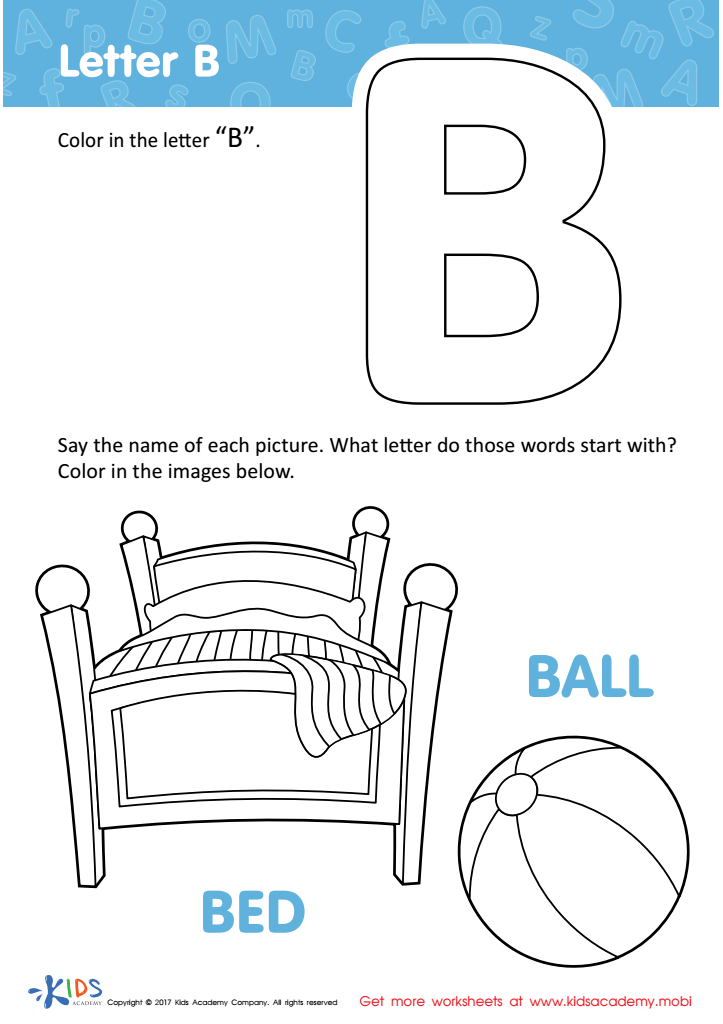
Letter B Coloring Sheet
 Assign to My Students
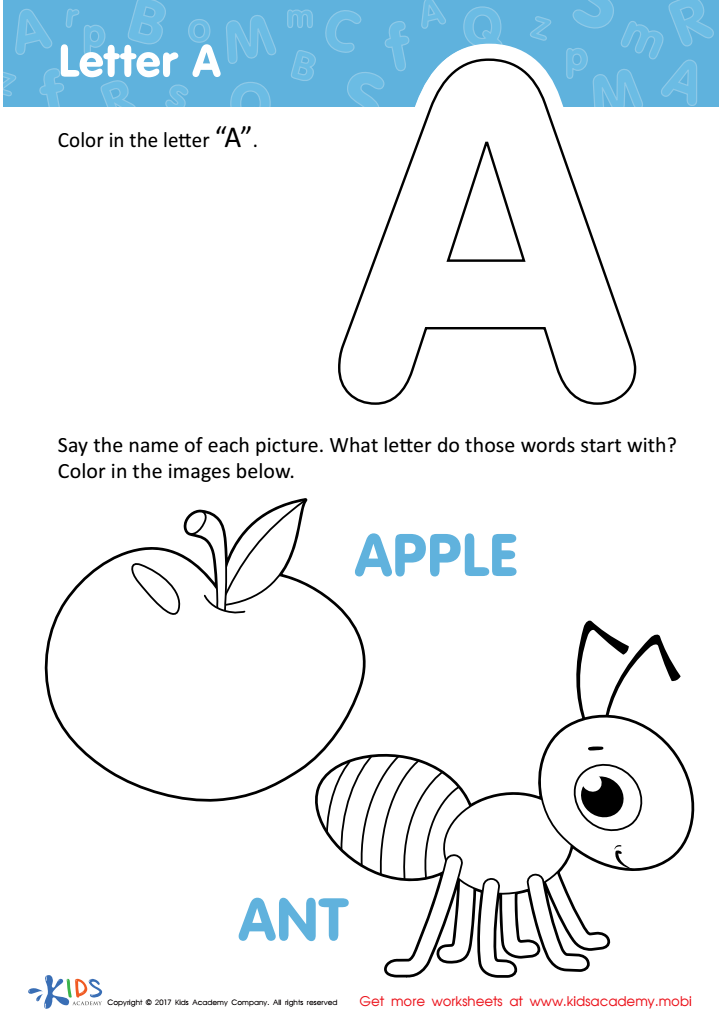
Letter A Coloring Sheet
Assign to My Students
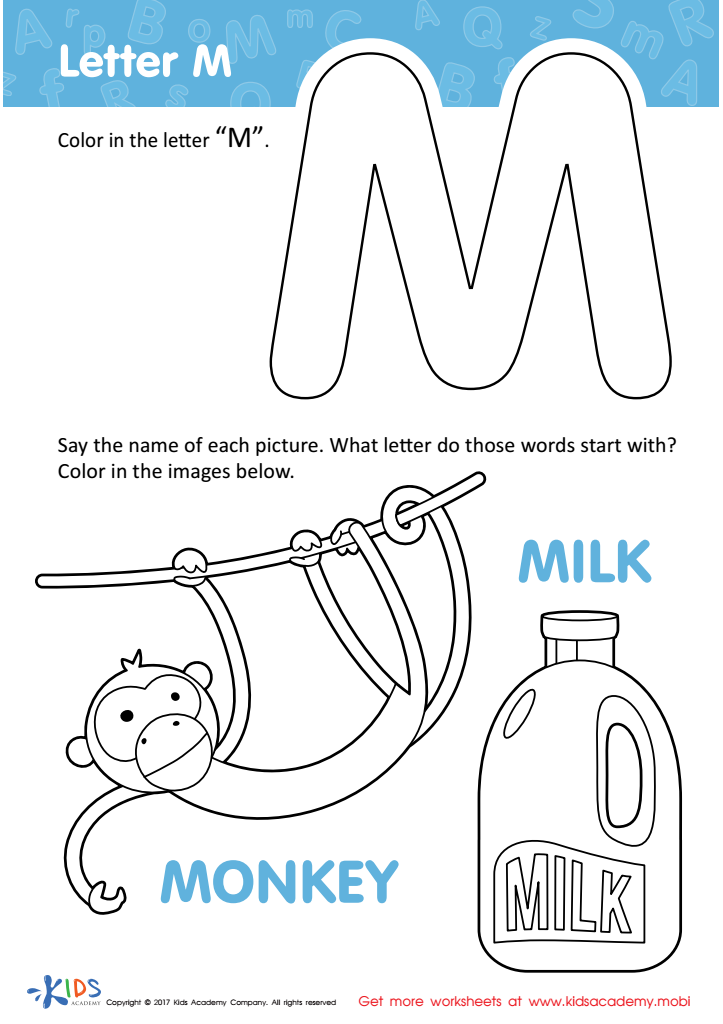
Letter M Coloring Sheet
Assign to My Students
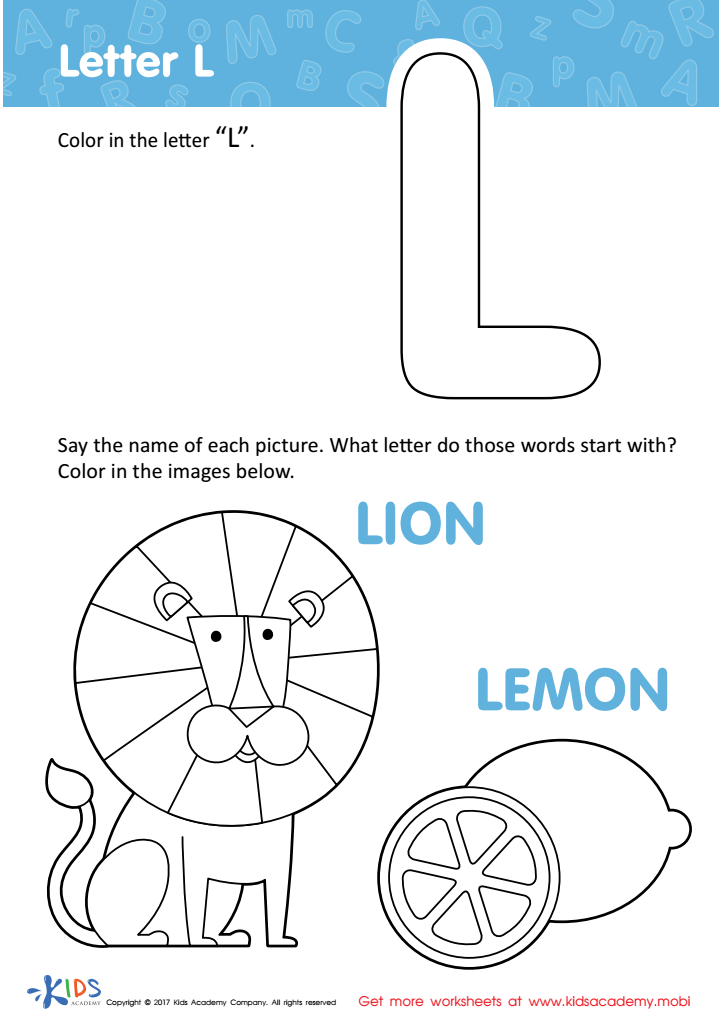
Letter L Coloring Sheet
Assign to My Students
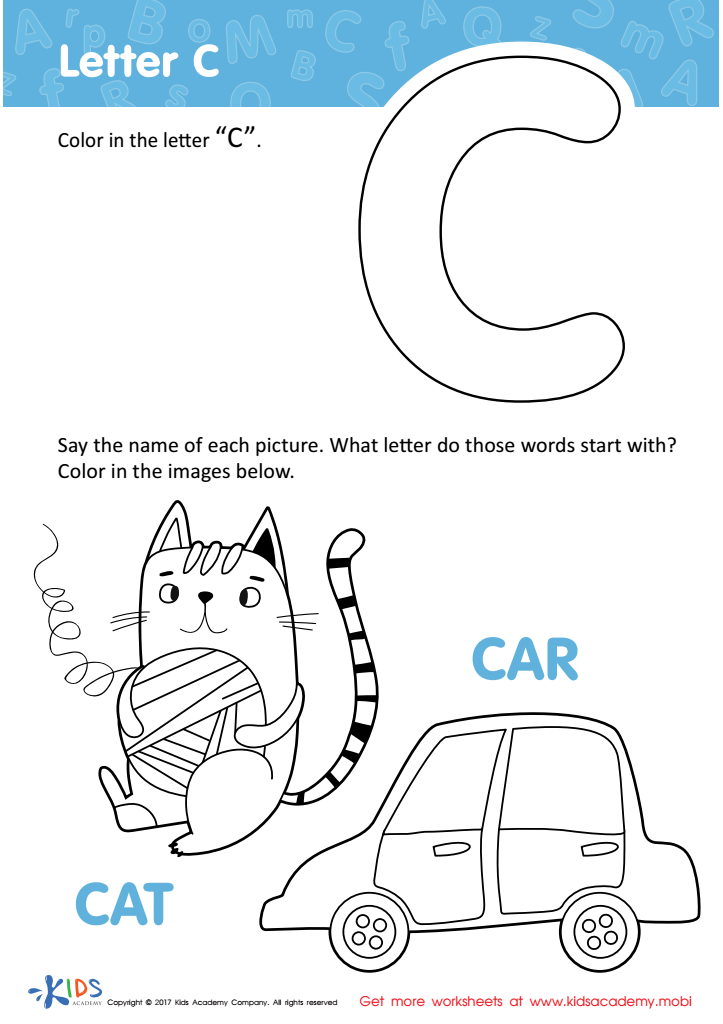
Letter C Coloring Sheet
Assign to My Students
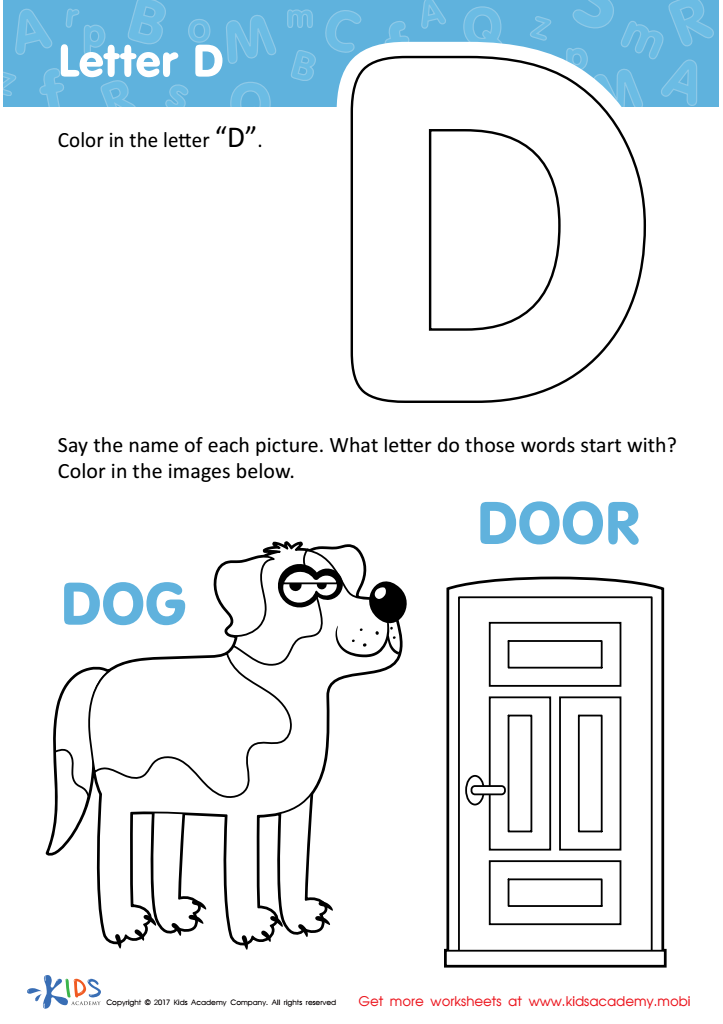
Letter D Coloring Sheet
Assign to My Students
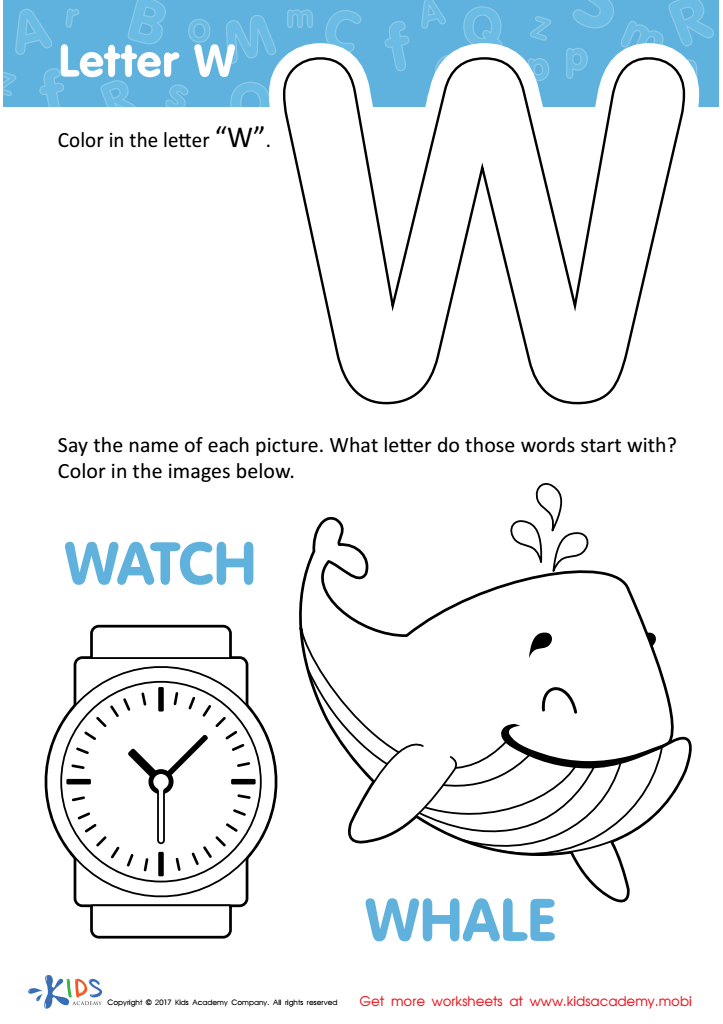
Letter W Coloring Sheet
Assign to My Students
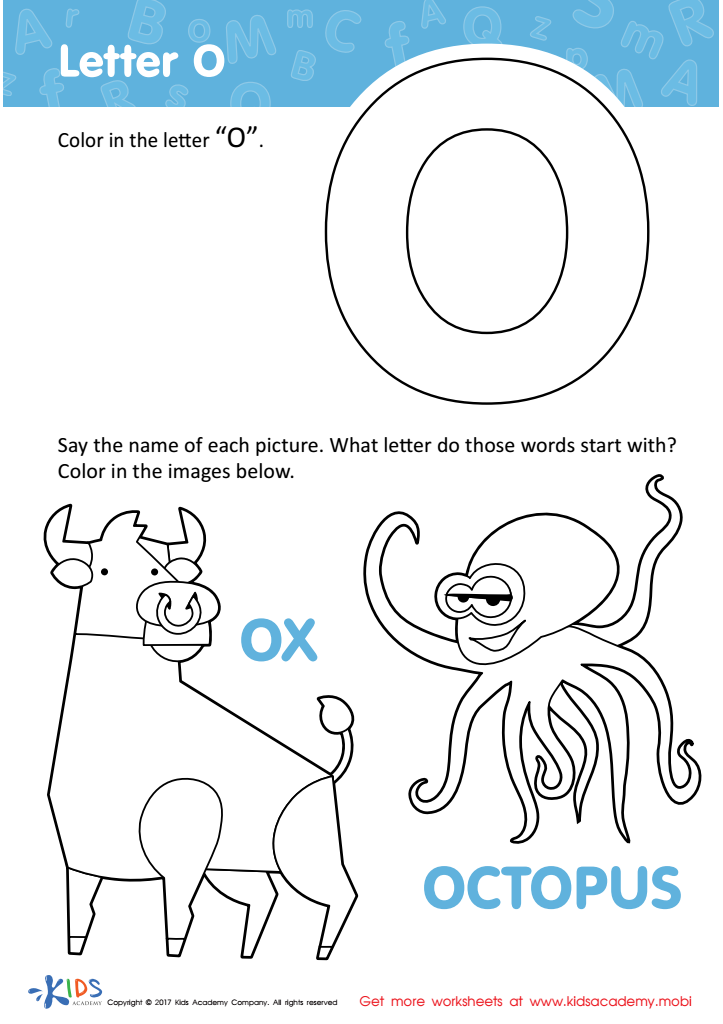
Letter O Coloring Sheet
Assign to My Students
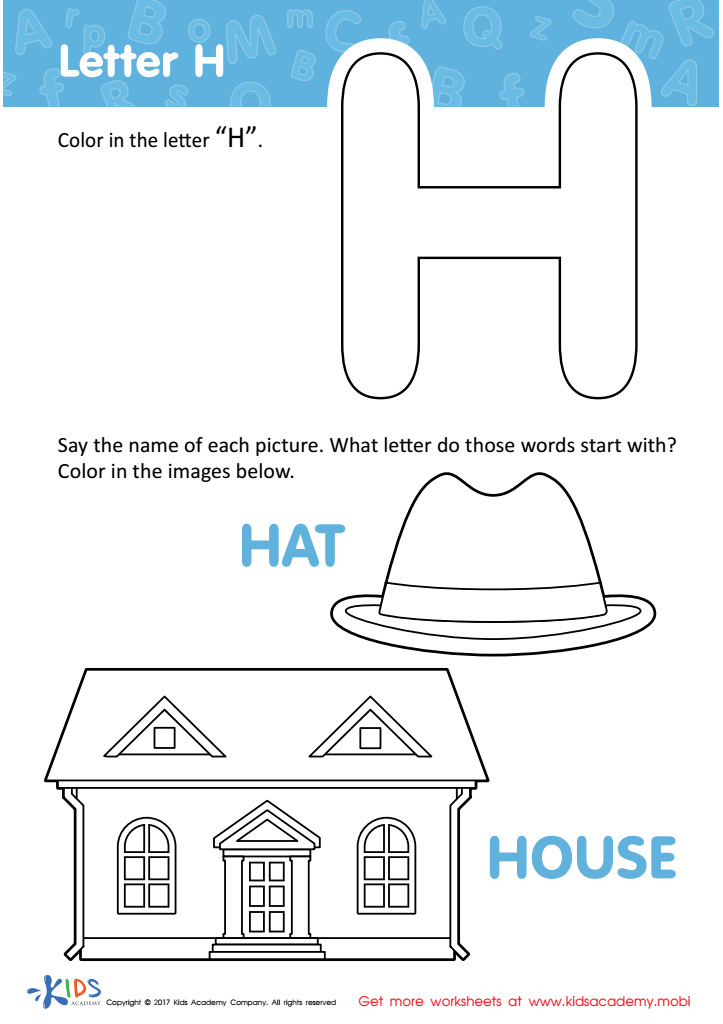
Letter H Coloring Sheet
Assign to My Students
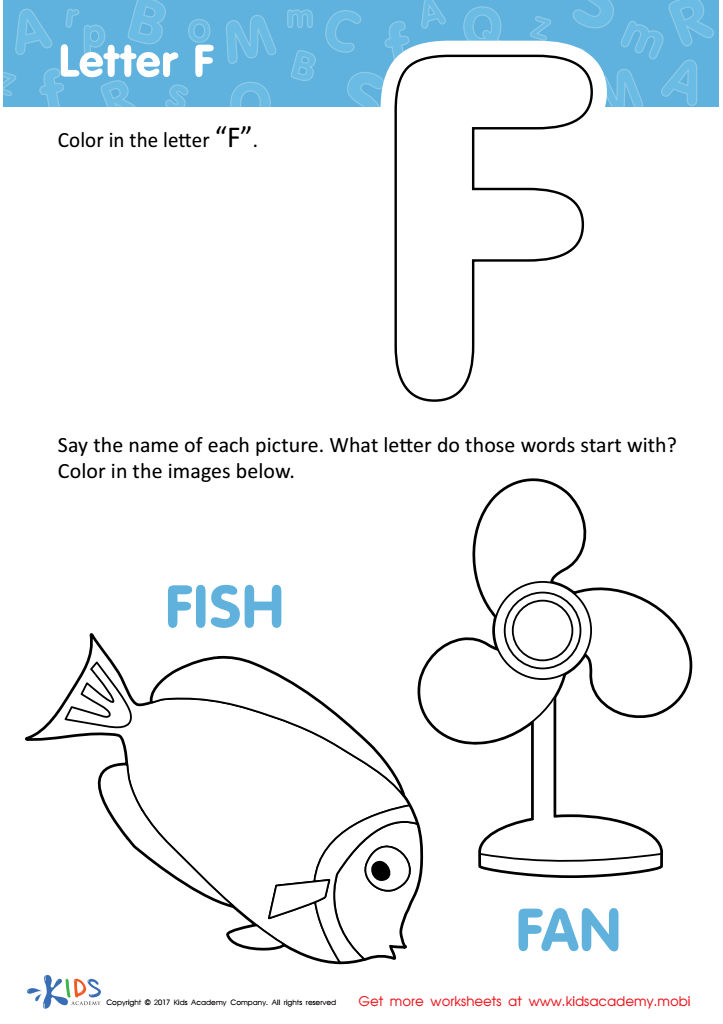
Letter F Coloring Sheet
Assign to My Students





Alphabet recognition is a foundational skill for early literacy, making it essential for parents and teachers to engage children ages 4-9 with resources like Alphabet Recognition Normal Alphabet Coloring Pages. These coloring pages not only make learning fun but also combine artistic expression with educational objectives.
Firstly, coloring helps reinforce letter shapes and sounds, aiding memory retention. As children color each letter, they engage in a hands-on learning experience, allowing them to visualize and internalize the alphabet. This physical interaction with letters fosters better recognition in reading and writing tasks.
Moreover, these coloring pages encourage fine motor skills development. Holding crayons and coloring within the lines enhances hand-eye coordination, preparing children for writing activities.
Using coloring pages also promotes creativity and independent learning, giving children the autonomy to explore colors and designs as they become more familiar with letters. This intrinsic motivation can enhance interest in other learning areas.
Parents and teachers should recognize the dual benefit of these resources—cultivating both literacy skills and fine motor abilities. By incorporating fun and interactive materials like Alphabet Recognition Normal Alphabet Coloring Pages into learning, adults can nurture confident, curious, and capable young learners who are well-prepared for future academic success.







