Alphabet sequencing Normal Letter Recognition Worksheets for Ages 4-9
3 filtered results
-
From - To
Discover our engaging Alphabet Sequencing Normal Letter Recognition Worksheets designed for children ages 4-9. These worksheets provide a fun and interactive way for young learners to master letter recognition and sequencing skills. Through colorful activities and creative exercises, kids will enhance their understanding of the alphabet's order while developing essential pre-reading skills. Perfect for at-home learning or classroom use, these printable resources cater to various learning styles, ensuring every child can thrive. Foster literacy and confidence in your little ones as they embark on their reading journey with our expertly crafted worksheets. Explore the joy of learning with Kids Academy today!
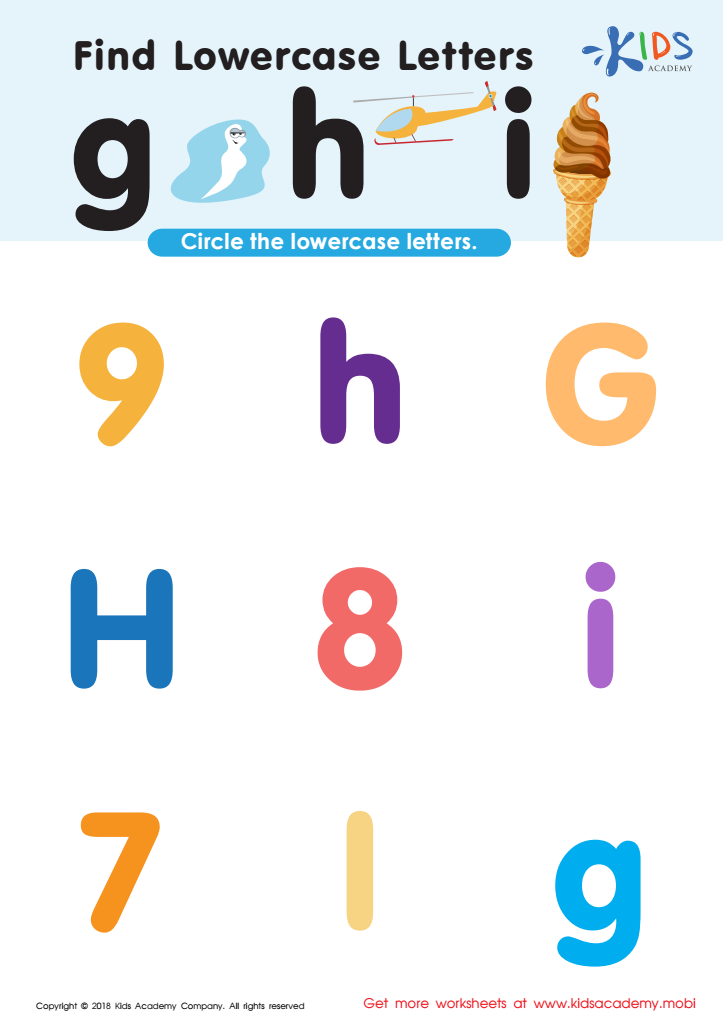
Find Lowercase Letters g h i Worksheet
 Assign to My Students
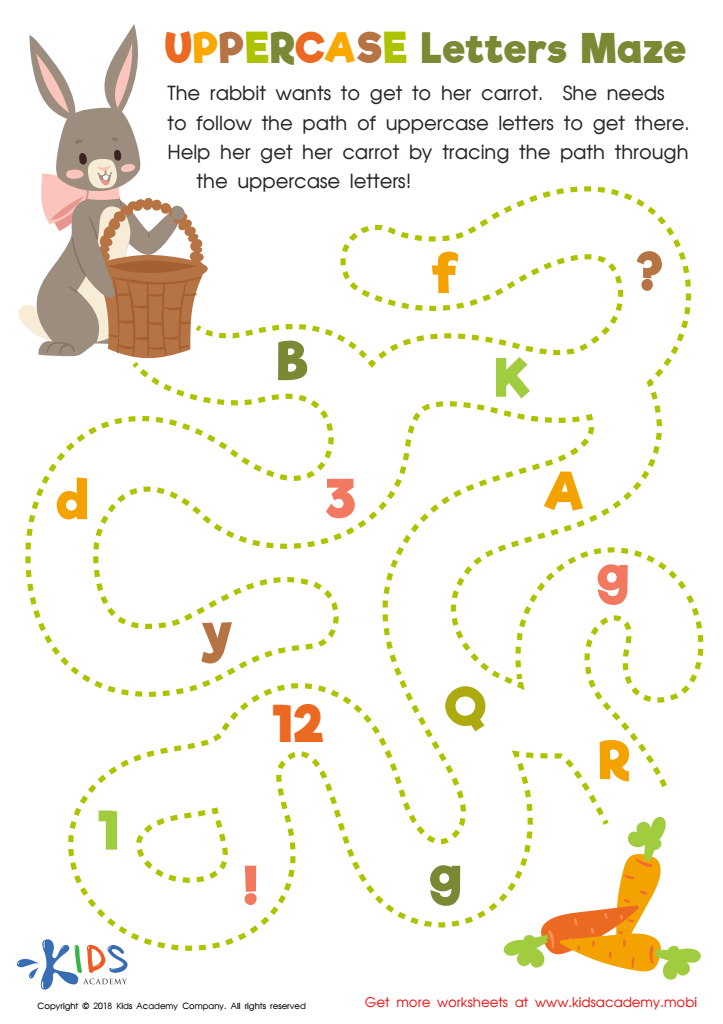
Uppercase Letters Maze Worksheet
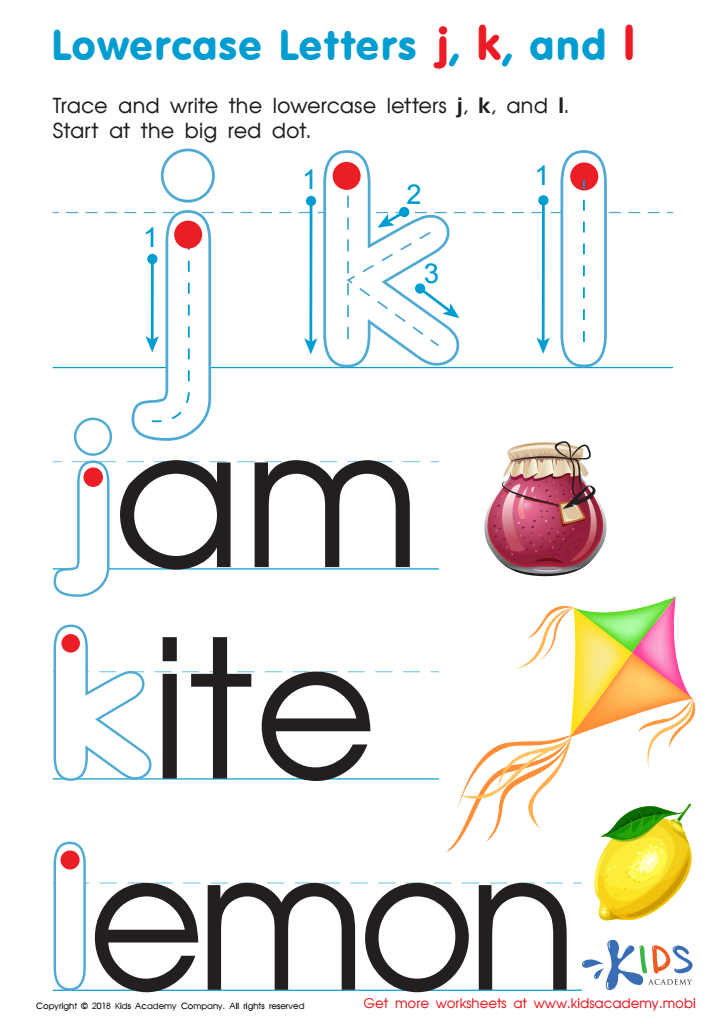
Lowercase Letters j k l Worksheet








Alphabet sequencing and normal letter recognition are critical components of early literacy development for children aged 4 to 9. Parents and teachers should prioritize these skills because they form the foundation for reading and writing, which are essential for academic success and lifelong learning.
Firstly, recognizing the sequence of letters helps children understand the structure of written language, enabling them to decode words more efficiently. When they can recognize letters within the correct order, it supports their reading fluency and comprehension, crucial for understanding content across subjects as they progress in school.
Moreover, these skills encourage phonemic awareness, which is the ability to hear and manipulate sounds in words. This awareness is directly linked to children’s abilities to spell and read unfamiliar words, fostering independence in their literacy journey.
Additionally, early letter recognition builds confidence in young learners. Mastery in identifying letters gives children the motivation to engage with texts, fostering a love for reading that paves the way for future academic exploration.
In summary, prioritizing alphabet sequencing and letter recognition empowers children to become proficient readers and writers, equipping them with skills necessary for personal expression and communication throughout their lives.








