Alphabet understanding Normal Letter Recognition Worksheets for Ages 4-9
5 filtered results
-
From - To
Discover our engaging "Alphabet Understanding Normal Letter Recognition Worksheets" designed for children ages 4-9! These worksheets help little learners grasp the foundational skills of letter recognition, setting the stage for reading success. Each worksheet features fun activities that promote visual discrimination and letter familiarity, making learning enjoyable and effective. From tracing letters to identifying them among various images, our resources cater to different learning styles. Ideal for home or classroom use, these worksheets are perfect for enhancing literacy skills and boosting confidence in young learners. Explore our collection and watch your child's alphabet knowledge flourish today!
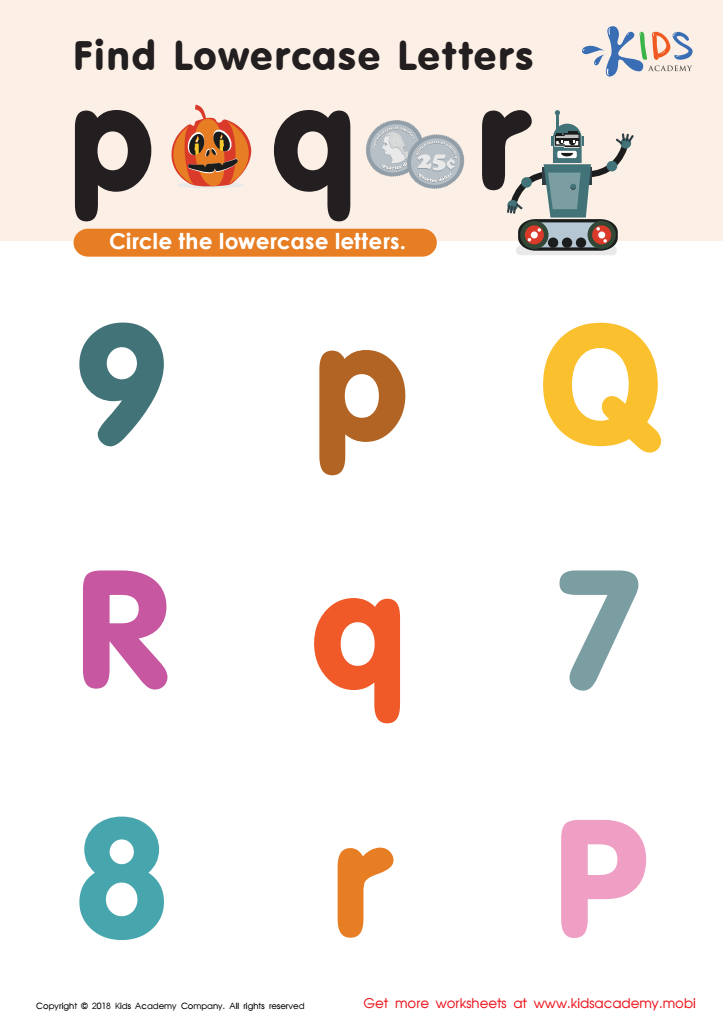
Find lowercase Letters p q r Worksheet
 Assign to My Students
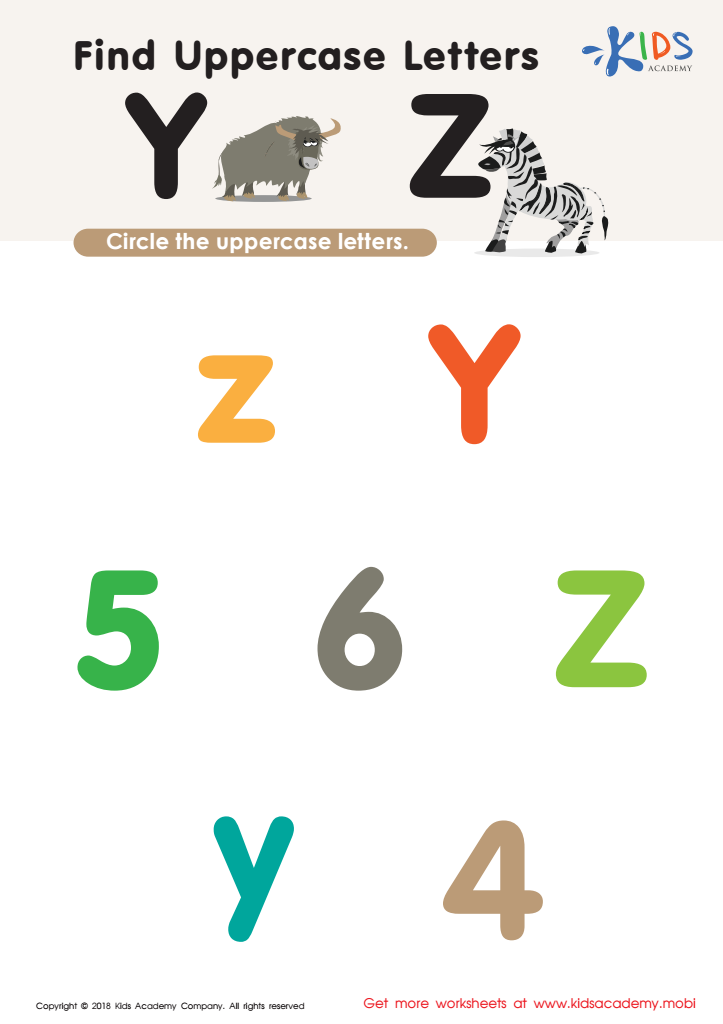
Find Uppercase Letters Y Z Worksheet
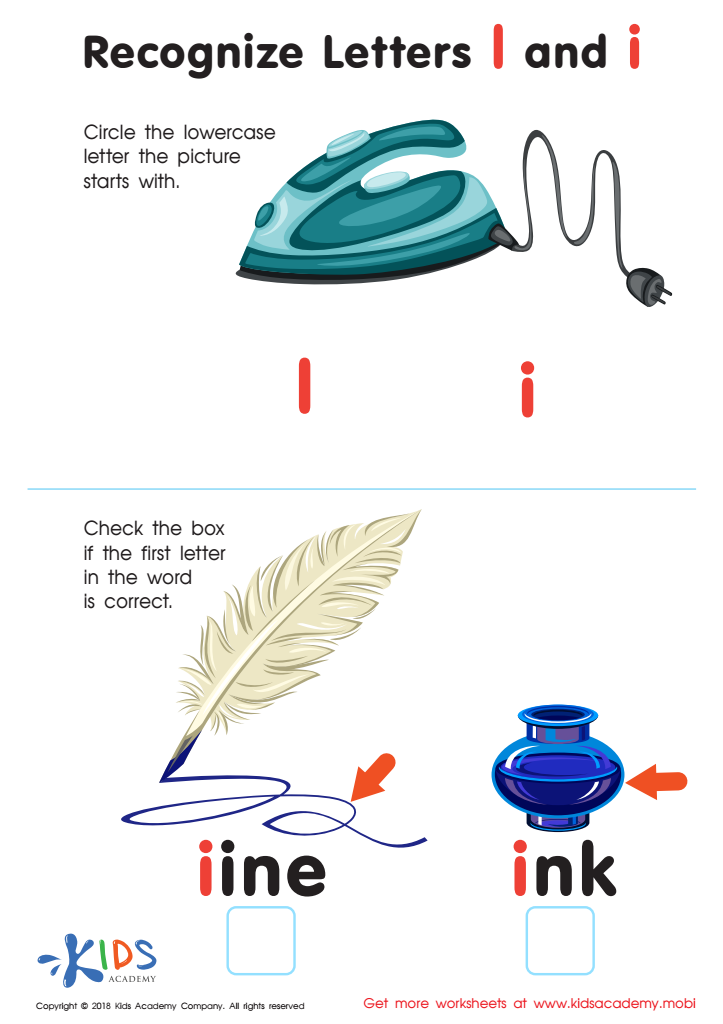
Recognize Letters l and i Worksheet
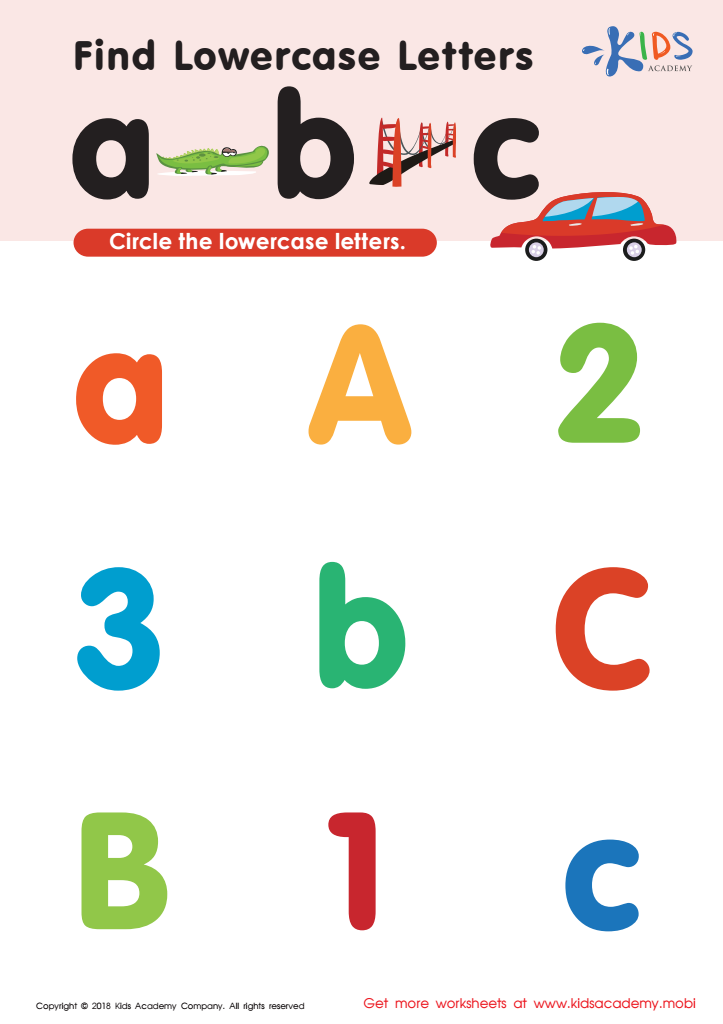
Find lowercase letters a b c Worksheet
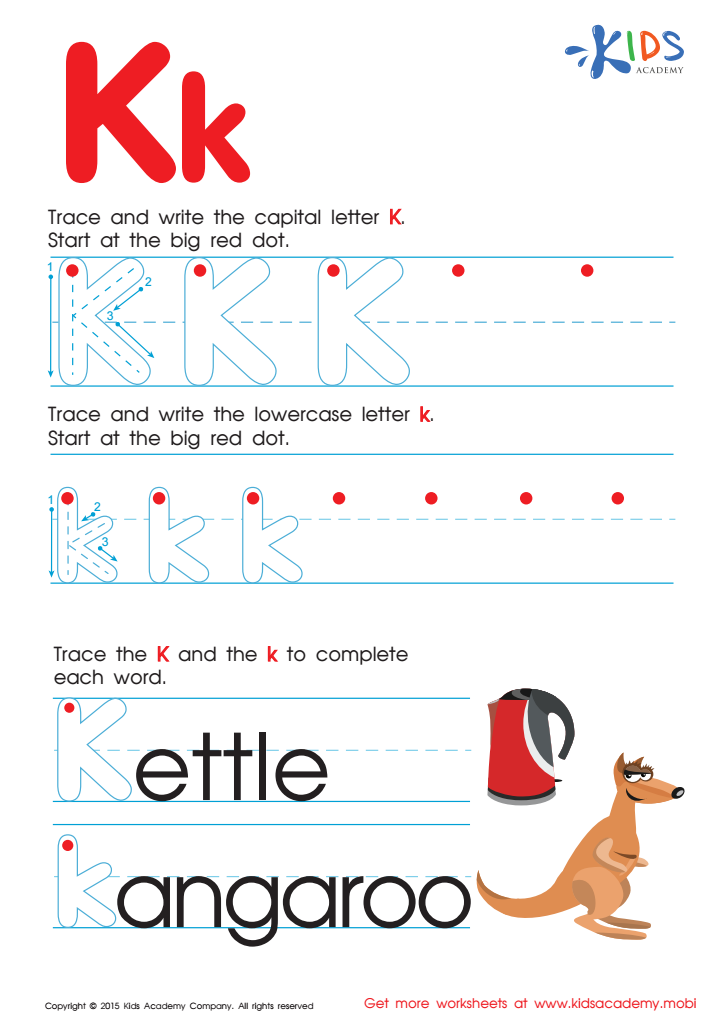
Letter K Tracing Page








Understanding the alphabet and normal letter recognition is crucial for children aged 4-9 as it lays the foundation for reading and writing skills. At this age, children are like sponge—eager to absorb information, making it an ideal time to instill essential literacy skills. When children recognize letters proficiently, they can decode words, making reading less daunting and more enjoyable. Strong letter recognition aids phonemic awareness, which is the ability to hear and manipulate sounds in spoken words, a vital skill for reading fluency.
Furthermore, letter recognition helps with vocabulary development; kids can identify and understand new words that expand their language and comprehension abilities. When parents and teachers prioritize this understanding, children gain confidence in their reading abilities, leading to a positive attitude towards learning.
Moreover, these early skills can impact a child's academic trajectory, influencing literacy development that affects overall educational success. Encouraging activities—like reading together, playing letter recognition games, or engaging in writing exercises—foster a supportive environment that enhances learning. Ultimately, investing time in alphabet understanding ensures that children build strong foundational literacy skills essential for lifelong learning and academic achievement.








