Letter Tracing Normal Letter Recognition Worksheets for Ages 4-9
4 filtered results
-
From - To
Enhance your child's literacy journey with our "Letter Tracing Normal Letter Recognition Worksheets for Ages 4-9." These expertly designed worksheets focus on letter tracing to build essential writing skills while reinforcing letter recognition. Ideal for children ages 4-9, each sheet offers engaging and fun activities that make learning the alphabet an enjoyable experience. Perfect for early learners, these worksheets support fine motor development and ensure a solid foundation in identifying and forming uppercase and lowercase letters. Transform your young learner’s education with interactive tracing exercises that blend play with meaningful practice. Download today and watch their confidence grow!
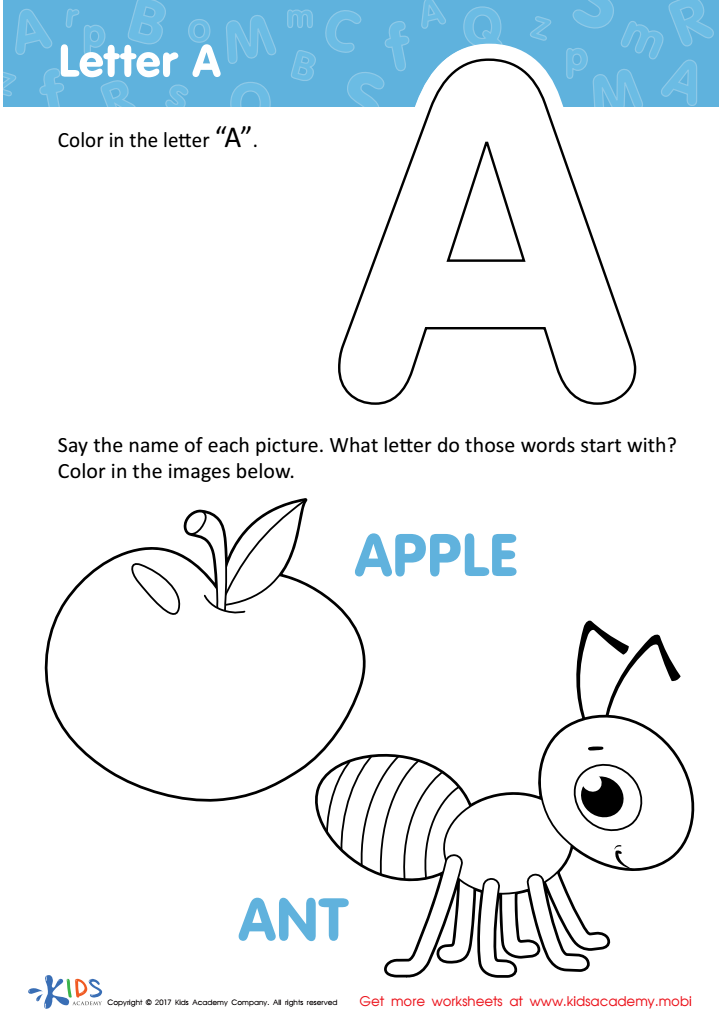
Letter A Coloring Sheet
 Assign to My Students
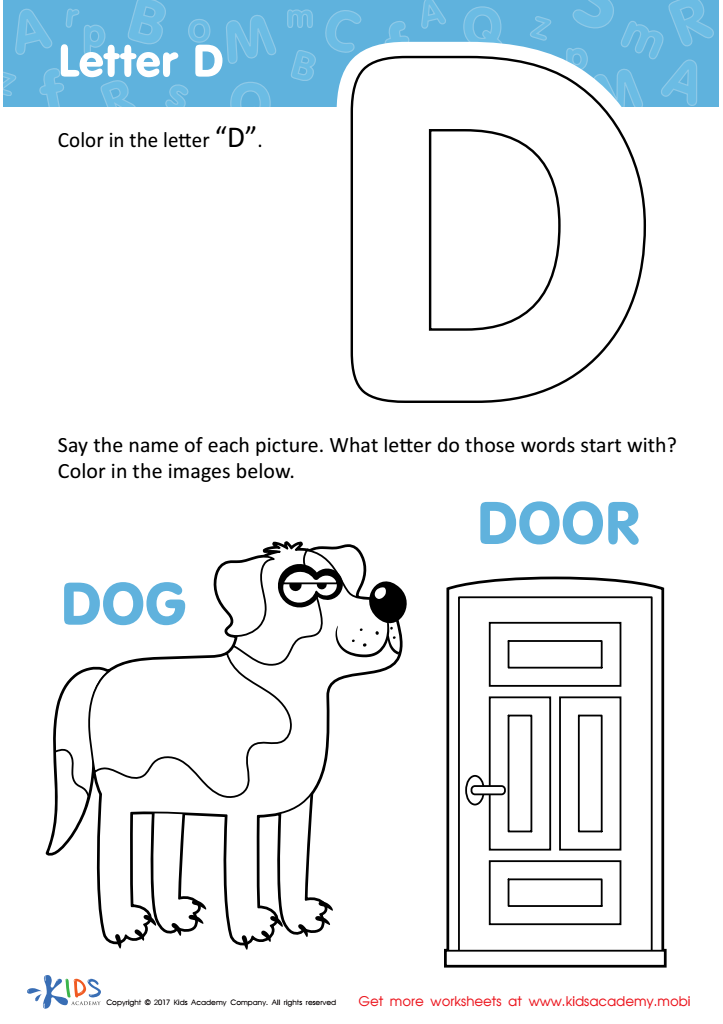
Letter D Coloring Sheet
Assign to My Students
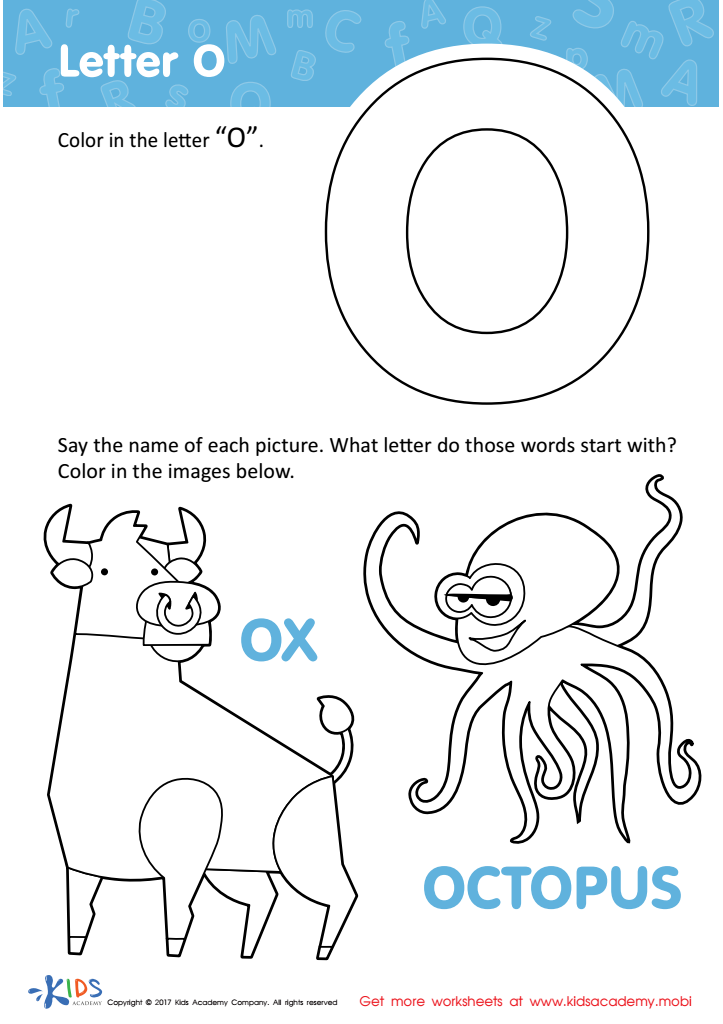
Letter O Coloring Sheet
Assign to My Students
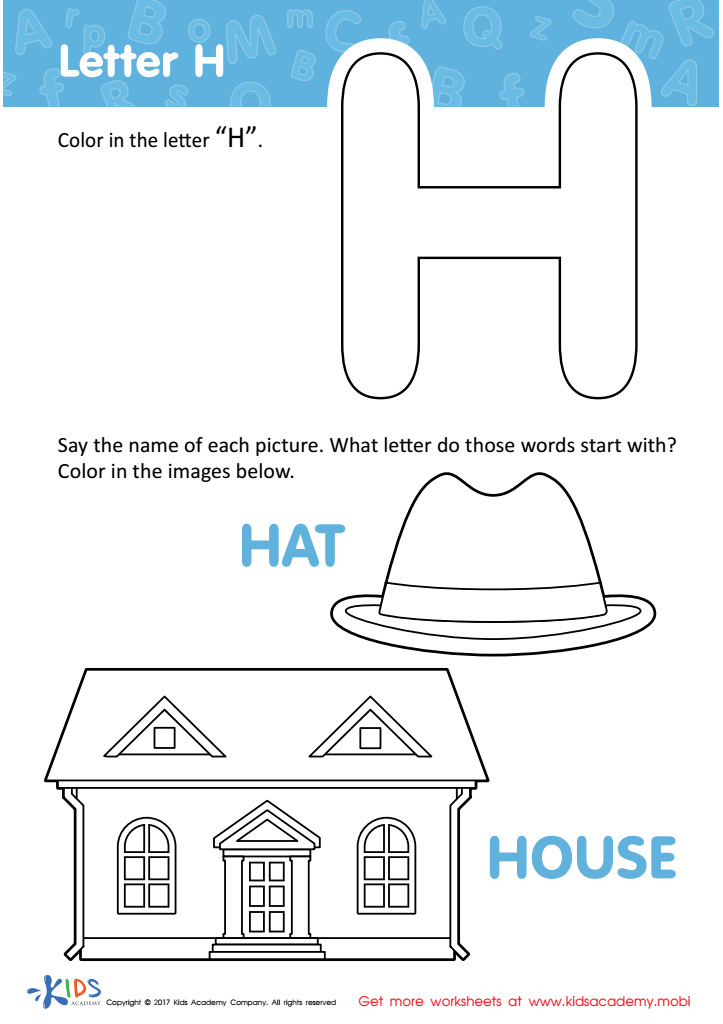
Letter H Coloring Sheet
Assign to My Students








Letter tracing and normal letter recognition are essential activities for children aged 4-9 as they lay the foundation for literacy skills. First, letter tracing helps develop fine motor skills crucial for writing. By guiding small hands to form letters, children improve their hand-eye coordination and strengthen the muscles needed for precise movements.
Second, letter recognition is vital for reading development. When children can readily identify letters, they're better able to decode words, facilitating smoother and faster reading comprehension. Early mastery of letter recognition ensures that children can focus on understanding the meaning of words rather than struggling to identify each letter.
Moreover, engaging in these activities enhances cognitive development. The repetition involved in tracing letters and recognizing them reinforces memory and attention to detail, critical components of learning. Such practices also improve visual-spatial skills, as children learn to differentiate between shapes and orientations of letters.
Lastly, introducing these exercises at an early age boosts confidence and fosters a positive attitude toward learning. When children recognize and write letters successfully, they experience a sense of achievement that motivates ongoing education.
In summary, letter tracing and recognition are critical for developing fine motor skills, reading abilities, cognitive growth, and self-esteem, providing a robust platform for future academic success.








