Motor skills development Normal Letter Recognition Worksheets for Ages 4-9
3 filtered results
-
From - To
Enhance your child's motor skills and letter recognition with our engaging Normal Letter Recognition Worksheets, designed specifically for ages 4-9. These worksheets combine fun activities that promote fine motor development while helping young learners recognize and identify letters from the alphabet. Each worksheet features stimulating exercises, such as tracing, coloring, and hands-on letter activities, designed to keep kids engaged and entertained. Our carefully crafted materials not only support cognitive growth but also build hand-eye coordination and dexterity essential for early writing skills. Explore our collection today to nurture your child's learning journey and set a strong foundation for literacy!

Letter H Tracing Page
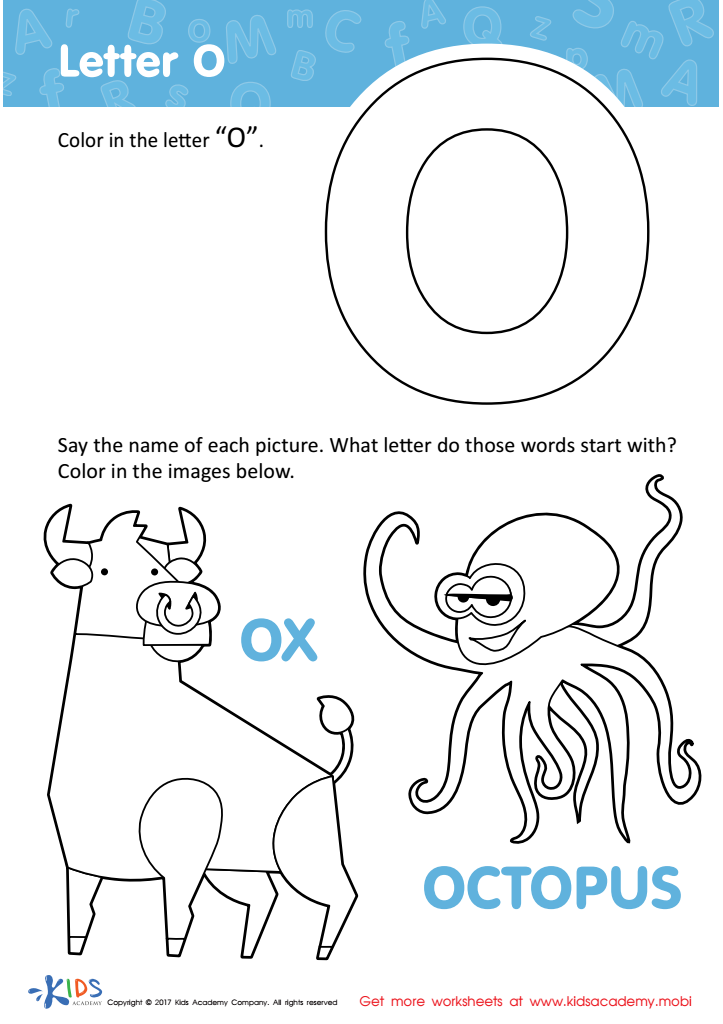
Letter O Coloring Sheet
 Assign to My Students

Letter B Tracing Page








Motor skills development, particularly normal letter recognition in children aged 4-9, is crucial for several reasons. Firstly, mastery of fine motor skills lays the foundation for writing. Children who develop these skills early can hold and manipulate writing tools more effectively, leading to better handwriting and a stronger ability to express themselves on paper.
Furthermore, letter recognition is essential for literacy. Recognizing letters is the precursor to reading, and early proficiency can significantly enhance a child’s ability to decode words independently. When children can easily identify letters, they find it easier to develop reading fluency and comprehension, which are critical for academic success across subjects.
Additionally, the early years are a vital period for cognitive and social-emotional development. Activities that promote motor skills, such as crafting, playing games, and engaging in outdoor play, not only improve physical coordination but also encourage teamwork, patience, and problem-solving skills.
Ultimately, a focus on motor skills development and letter recognition pays dividends over time, setting children up for success in school and beyond. Parents and teachers should advocate for engaging, playful learning environments that incorporate these crucial developmental aspects, ensuring children have strong foundations to thrive.








