Writing practice Normal Letter Recognition Worksheets for Ages 4-9
6 filtered results
-
From - To
Enhance your child's writing skills with our "Writing Practice Normal Letter Recognition Worksheets" specially designed for ages 4-9. These engaging worksheets from Kids Academy provide a fun and interactive way for young learners to master letter recognition and writing. Perfect for early grade children, each sheet offers ample practice in tracing and writing both uppercase and lowercase letters, ensuring a solid foundation in literacy. Boost your child's confidence and fine motor skills with these expertly crafted activities that make learning enjoyable. Perfect for home or classroom use, fostering a love for reading and writing from a young age.
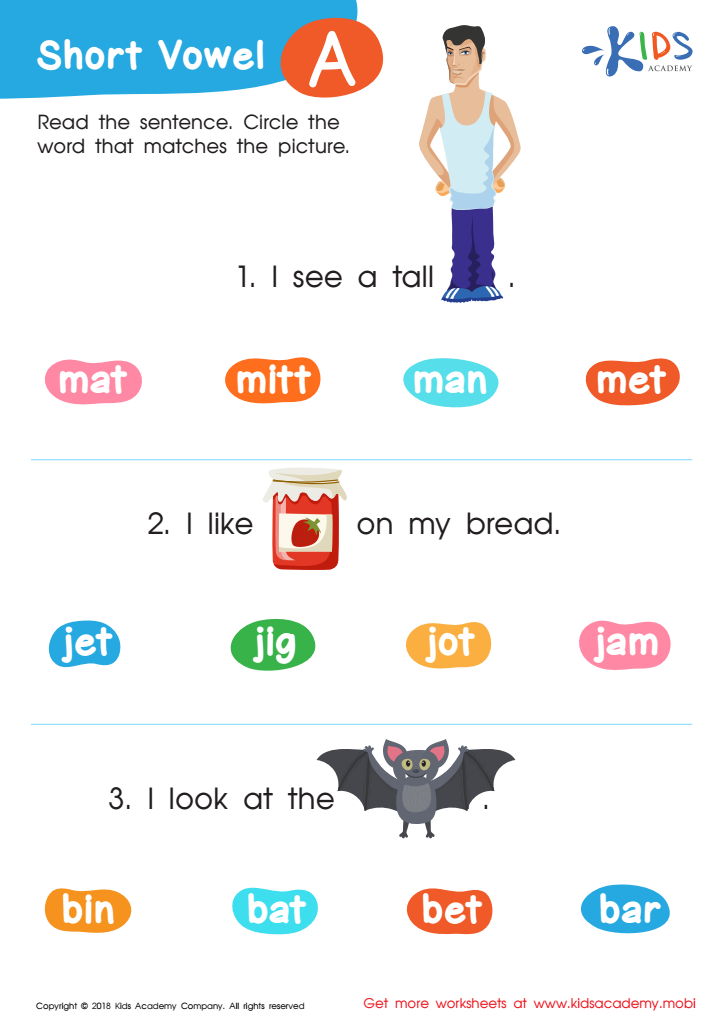
Short Vowel /a/ Worksheet
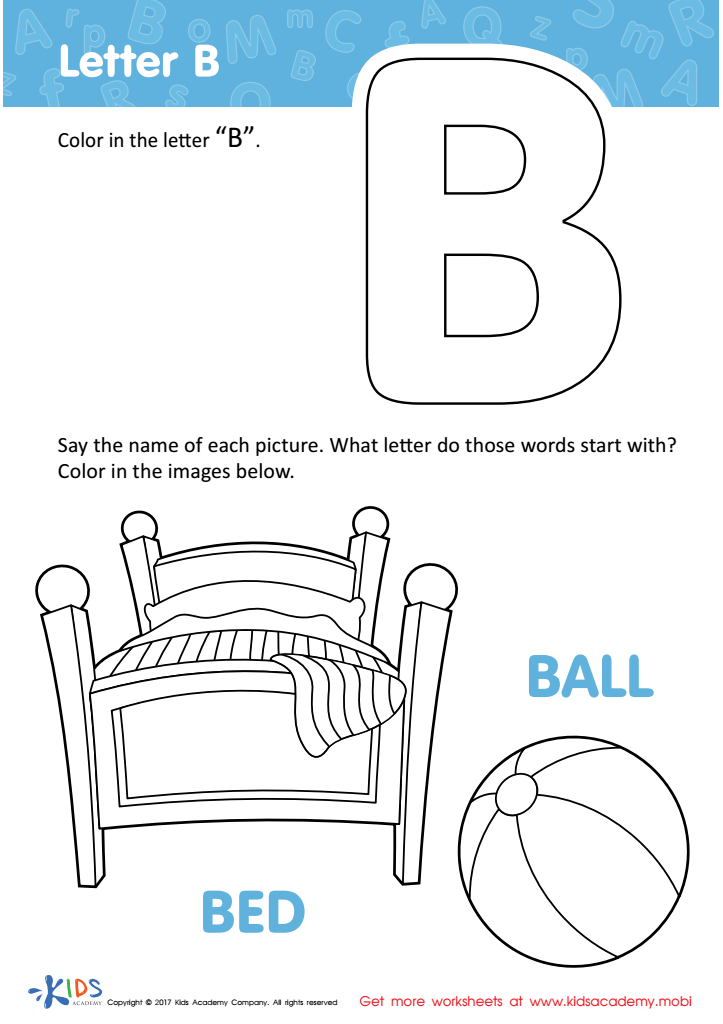
Letter B Coloring Sheet
 Assign to My Students
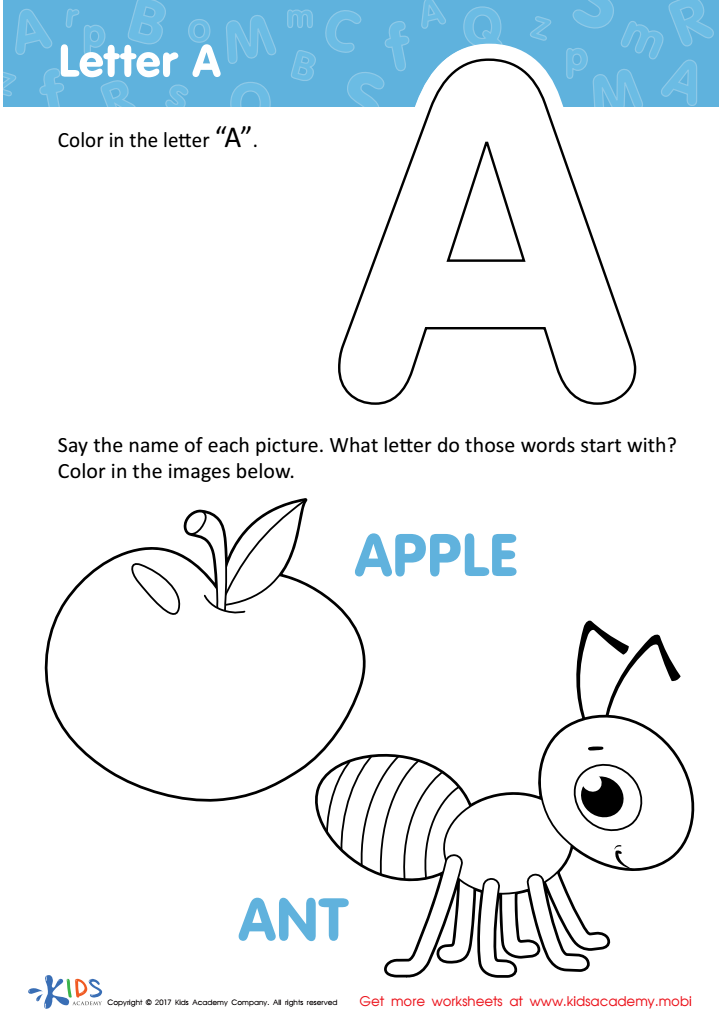
Letter A Coloring Sheet
Assign to My Students

Letter H Tracing Page
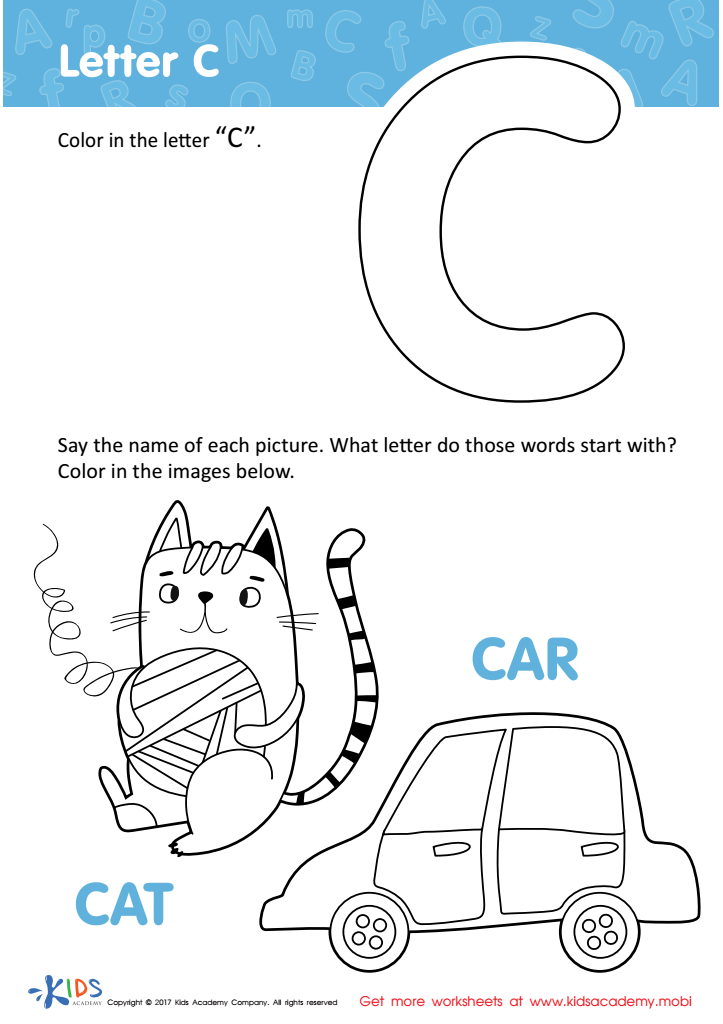
Letter C Coloring Sheet
Assign to My Students
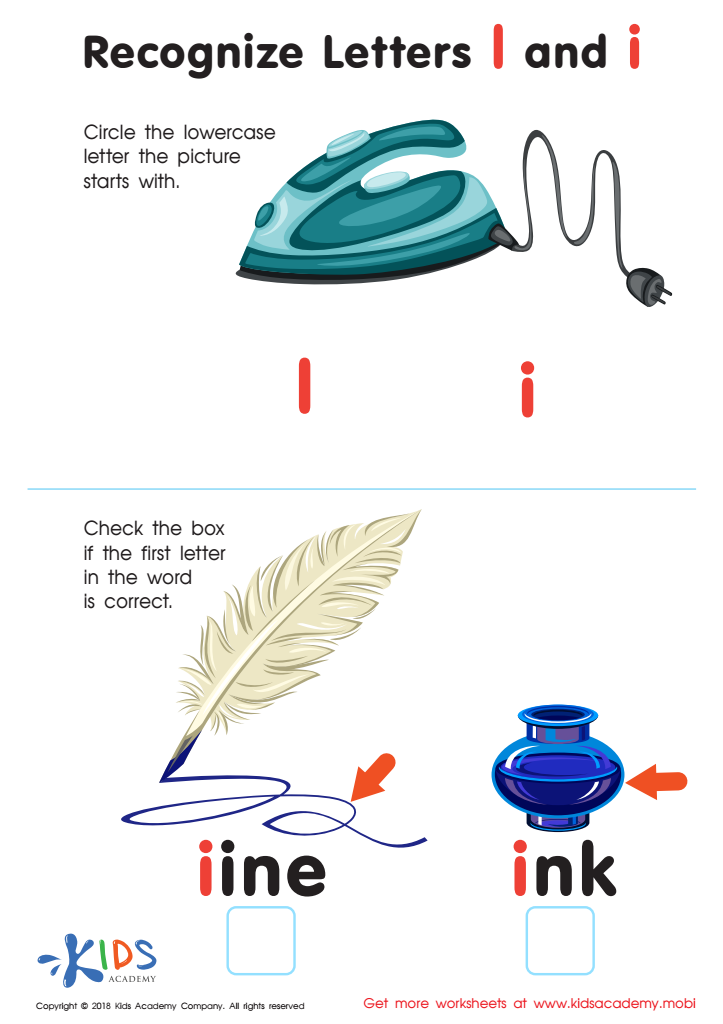
Recognize Letters l and i Worksheet








Writing practice and normal letter recognition are foundational skills that should concern every parent and teacher for children ages 4-9. Developing these skills early on is critical for several key reasons. Firstly, writing practice enhances fine motor skills, which are essential for tasks beyond writing, such as tying shoelaces or buttoning clothes. This practice helps improve hand-eye coordination and encourages the balance between visual and motor skills.
Normal letter recognition serves as a gateway to literacy. Recognizing letters correctly and effortlessly ensures that children can progress to word formation and sentence structure with confidence. Early proficiency in these areas greatly facilitates reading, a crucial skill that underpins almost every educational subject from mathematics to history.
Moreover, consistent writing practice and letter recognition improve cognitive development. They stimulate brain areas responsible for critical thinking, problem-solving, and memory. These activities also boost a child's ability to organize thoughts clearly, an essential skill for effective communication both orally and in writing.
Finally, engaging in these foundational activities at an early age fosters a lifelong love of learning. Children who gain confidence in their writing and reading abilities are more likely to excel academically and engage more enthusiastically with educational materials. Thus, caring about writing practice and letter recognition ensures a holistic development that forms the bedrock of a child's academic and personal success.








