Phonics recognition Normal Letter Sounds Worksheets for Ages 4-9
5 filtered results
-
From - To
Empower your child’s reading journey with our Phonics Recognition Normal Letter Sounds Worksheets, tailored for ages 4-9. These expertly designed worksheets focus on enhancing letter-sound recognition, pivotal for early readers. Engaging activities help children smoothly associate letters with sounds, fostering essential phonetic skills. Each worksheet offers age-appropriate challenges that make learning enjoyable, aiding in the development of critical reading and spelling abilities. Perfect for at-home practice or classroom use, these worksheets lay a strong foundation for confident, fluent reading. Unlock your child’s literacy potential today with our effective, fun phonics worksheets. Explore and download now!
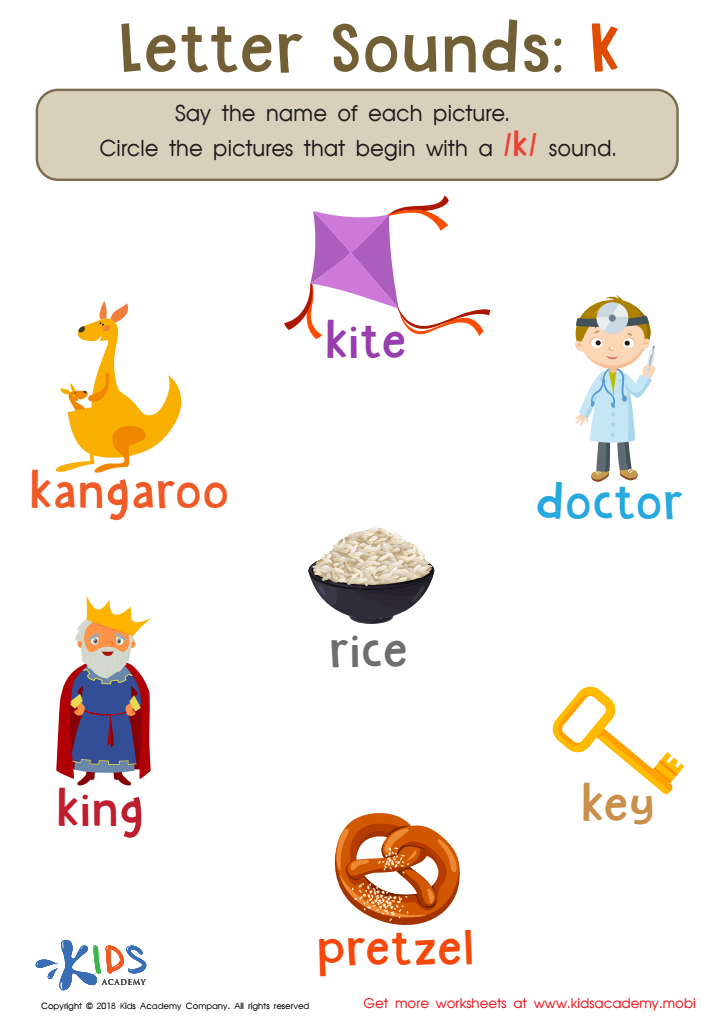
Letter K Sounds Worksheet
 Assign to My Students
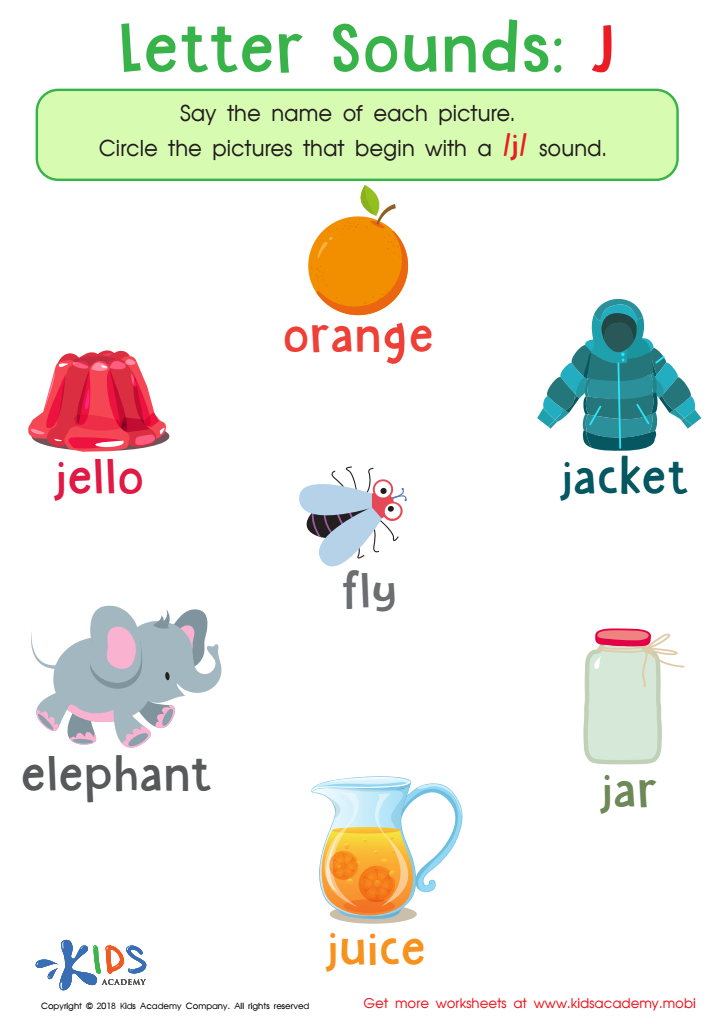
Letter Sounds: J Printable Worksheet
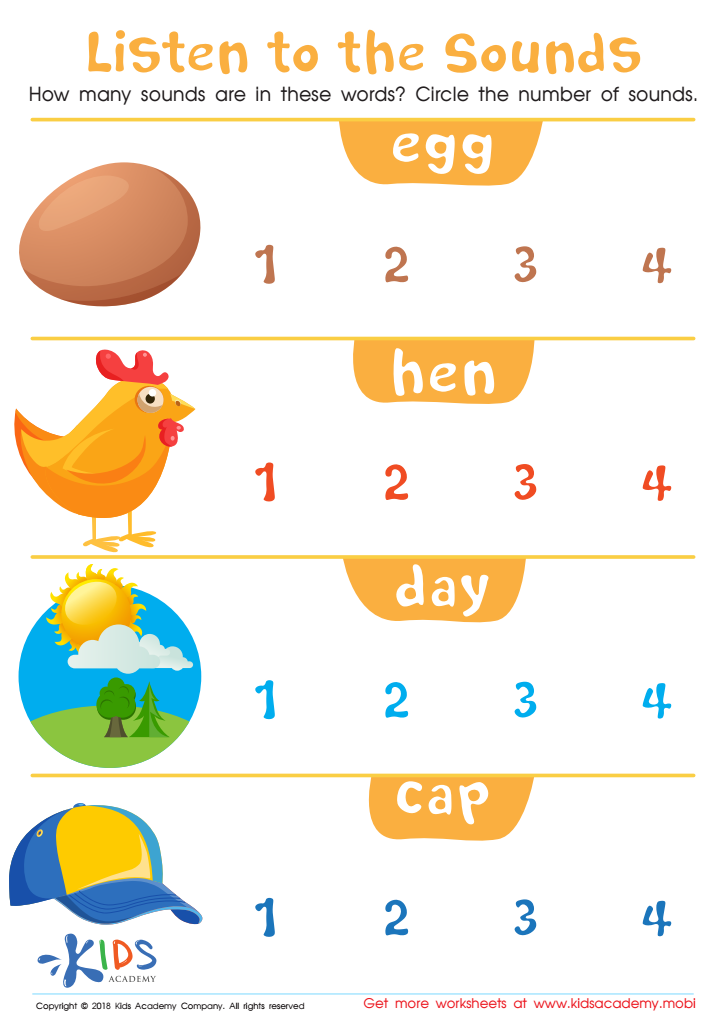
Listen to the Sounds Worksheet
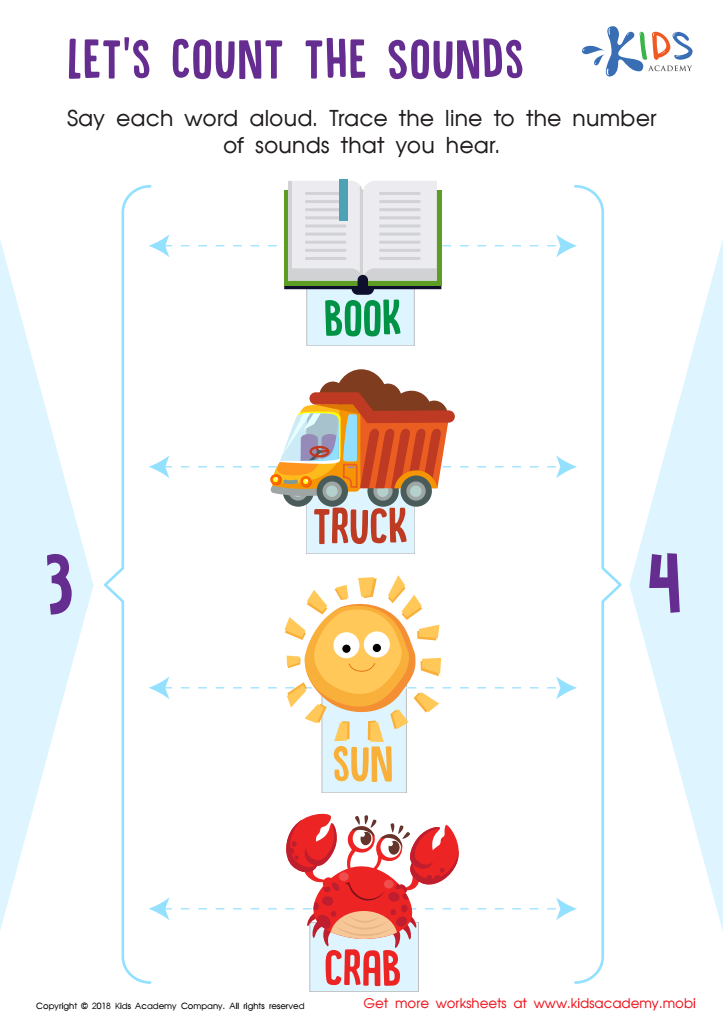
Let's Count the Sounds Worksheet
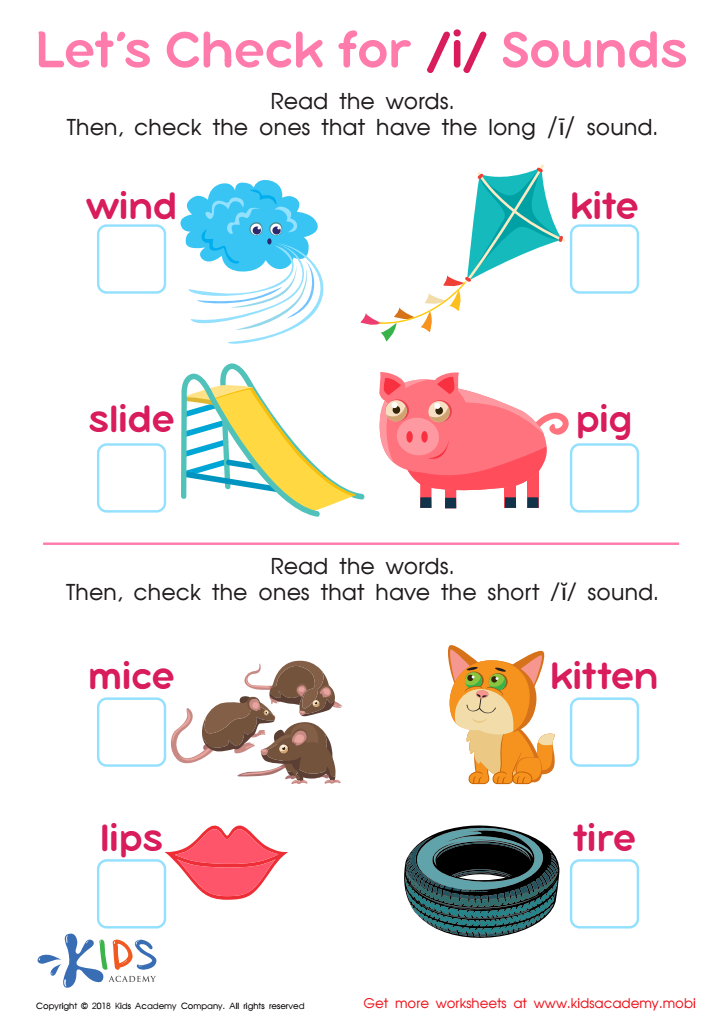
Let's Check for «i» Sounds Worksheet








Phonics recognition of normal letter sounds is crucial for children aged 4-9 as it lays the foundation for several essential literacy skills. At this developmental stage, children are in the process of learning how to read and write. By understanding the relationship between letters and their sounds, children can decode new words, which is a vital aspect of reading fluency. Fluency, in turn, enhances comprehension, allowing children to not only recognize words but also understand their meanings in context.
For parents and teachers, investing in phonics education equips children with strategies to approach unfamiliar words independently. This autonomy boosts their confidence and fosters a positive attitude toward reading. Additionally, strong phonics skills contribute to accurate spelling, since children learn to map sounds to their corresponding letters consistently. This accuracy lays the groundwork for effective written communication.
Early proficiency in phonics can also mitigate future academic struggles. Children with a strong early foundation are less likely to face reading difficulties, which can affect other areas of learning and overall academic performance. Therefore, prioritizing phonics recognition ensures that children develop the critical skills needed for long-term academic success and a lifelong love of reading.






