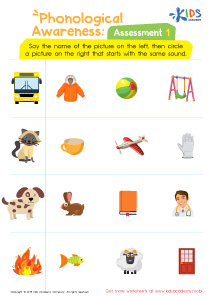
Reading comprehension Normal Phonics Coloring Pages Worksheets for Ages 4-9
3 filtered results
Difficulty Level
Grade
Age
-
From - To
Subject
Activity
Standards
Introduce your young learners to the exciting world of reading with our "Reading Comprehension Normal Phonics Coloring Pages Worksheets" for ages 4-9! These engaging worksheets combine phonics practice with colorful illustrations, making learning enjoyable and effective. Designed to boost reading comprehension skills, our worksheets help children identify letters, sounds, and words while expressing their creativity through coloring. Each page focuses on simple yet essential reading concepts, ensuring that kids develop a strong foundation in literacy. Perfect for classroom activities or at-home learning, these resources are tailored to inspire a love for reading from an early age. Start your child’s reading journey today!
Favorites
With answer key
Interactive
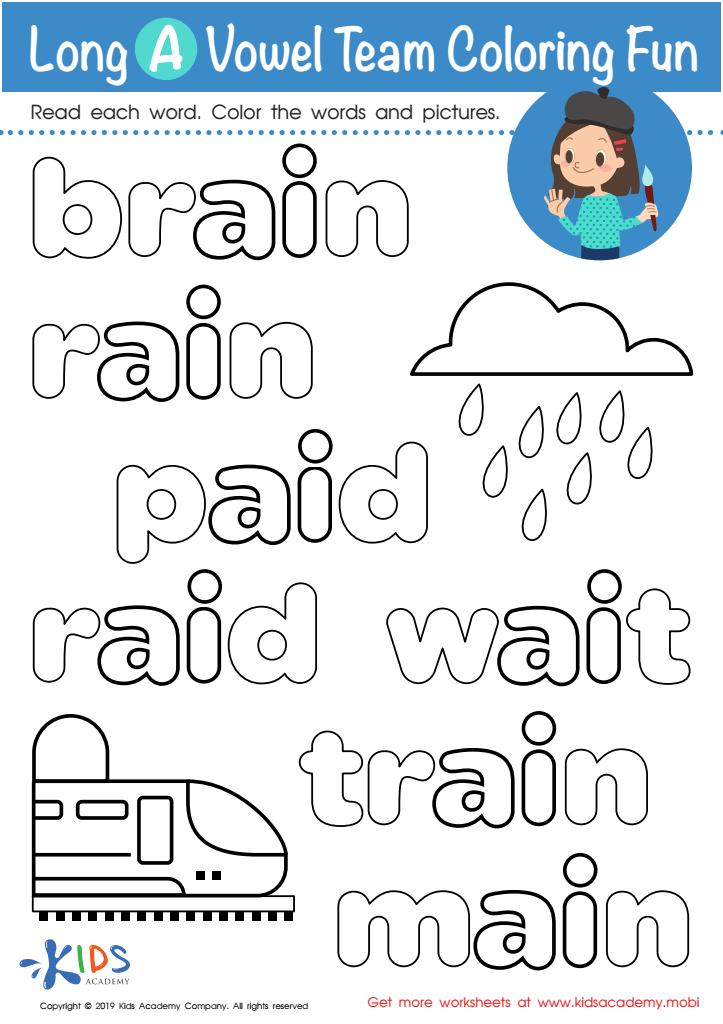
Long A Vowel Team Coloring Fun Worksheet
Divide your class into teams, give each a printout, then have them read aloud words with a long "A" sound (e.g. brain, paid). As they listen, let them reinforce this lesson by coloring in the words and pictures. Make phonics fun and interactive with this great coloring page!
Download (PDF)
 Assign to My Students
Assign to My Students
Long A Vowel Team Coloring Fun Worksheet
Worksheet
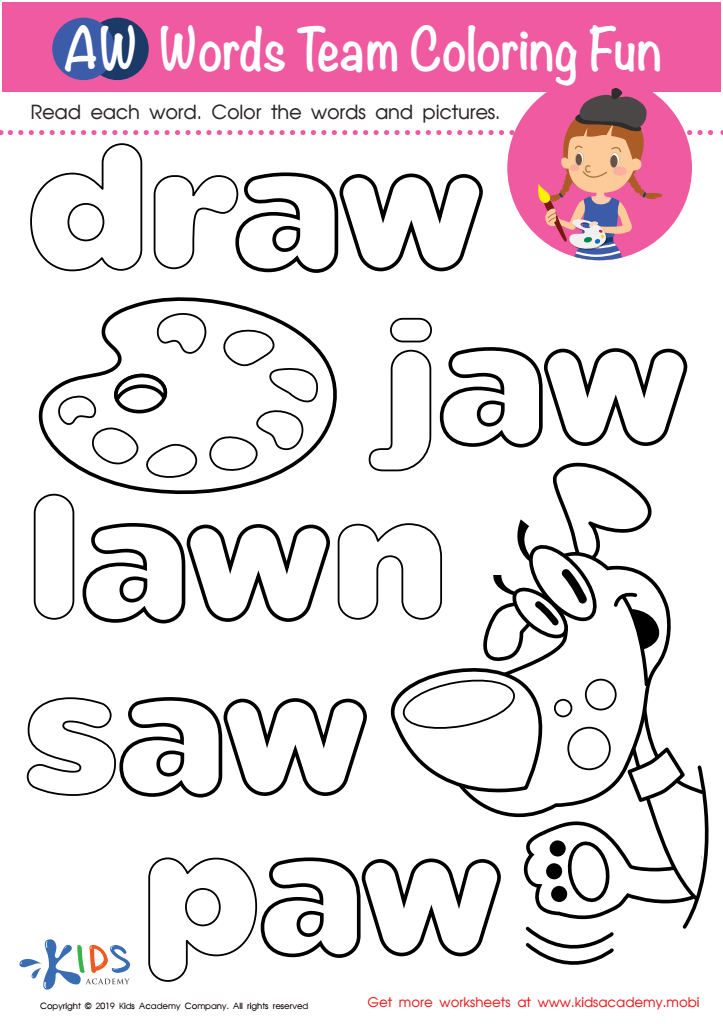
AW Words Team Coloring Fun Worksheet
Coloring words they can read is a blast for little learners! This worksheet offers emerging readers the chance to practice and gain confidence in reading words from the -aw family, while also improving fine-motor and creativity skills. Without knowing it, they'll learn about phonetic teams along the way!
Download (PDF)
Assign to My Students
Assign to My Students
AW Words Team Coloring Fun Worksheet
Worksheet
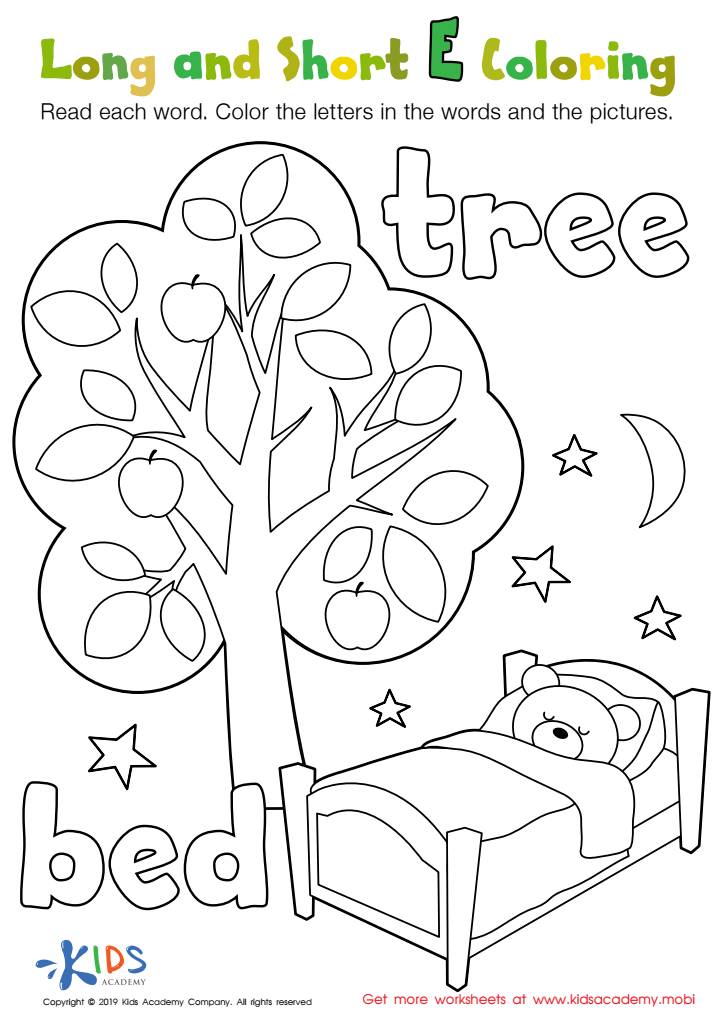
Long and Short E Worksheet
This fun printout makes learning phonics enjoyable for Grade 3 students. Get them to read the words “tree” and “bed” to recognize the different sounds of the letter “E”. After hearing the words they can color the words and the pictures to understand differences between long and short vowels.
Download (PDF)
Assign to My Students
Assign to My Students
Long and Short E Worksheet
Worksheet
Join Kids Academy for Free
Who is primarily going to use this learning content?


Parents and teachers should prioritize reading comprehension and phonics through creative tools like coloring pages for children aged 4-9 because they blend learning with fun. Early literacy skills, such as phonics and comprehension, form the foundation for lifelong learning. When children engage with colorful and entertaining materials, they are more likely to be motivated and interested in reading activities.
Coloring pages that incorporate phonics allow young learners to associate letters and sounds with visual elements, enhancing their memory retention. This multisensory approach to learning not only helps in recognizing words but also encourages creativity and fine motor skills development as children color and interact with illustrations.
Additionally, focusing on reading comprehension at this age helps children understand the meaning behind the texts they encounter. It fosters critical thinking and encourages discussions about stories, which builds language skills and vocabulary.
Moreover, early intervention in reading skills can address any learning difficulties before they lead to more significant challenges later on. By utilizing resources like phonics coloring pages, parents and teachers can create a fun and effective learning environment that nurtures a love for reading while developing essential skills needed for academic success. Engagement in these activities lays a strong foundation for future literacy.