Hand-eye Coordination Normal Tracing Lines and Curves Worksheets for Ages 4-9
4 filtered results
-
From - To
Boost your child's hand-eye coordination with our engaging tracing lines and curves worksheets designed for ages 4-9. These worksheets provide a fun and interactive way for young learners to develop essential writing skills while enhancing their fine motor abilities. Each activity focuses on tracing various lines and curves, promoting control and precision in movements. Perfect for home or classroom use, our printable resources ensure that children practice with enthusiasm. Encourage creativity and skill development as your child progresses through these colorful, stimulating exercises. Watch confidence grow as they master the art of tracing! Start your child's learning journey today!
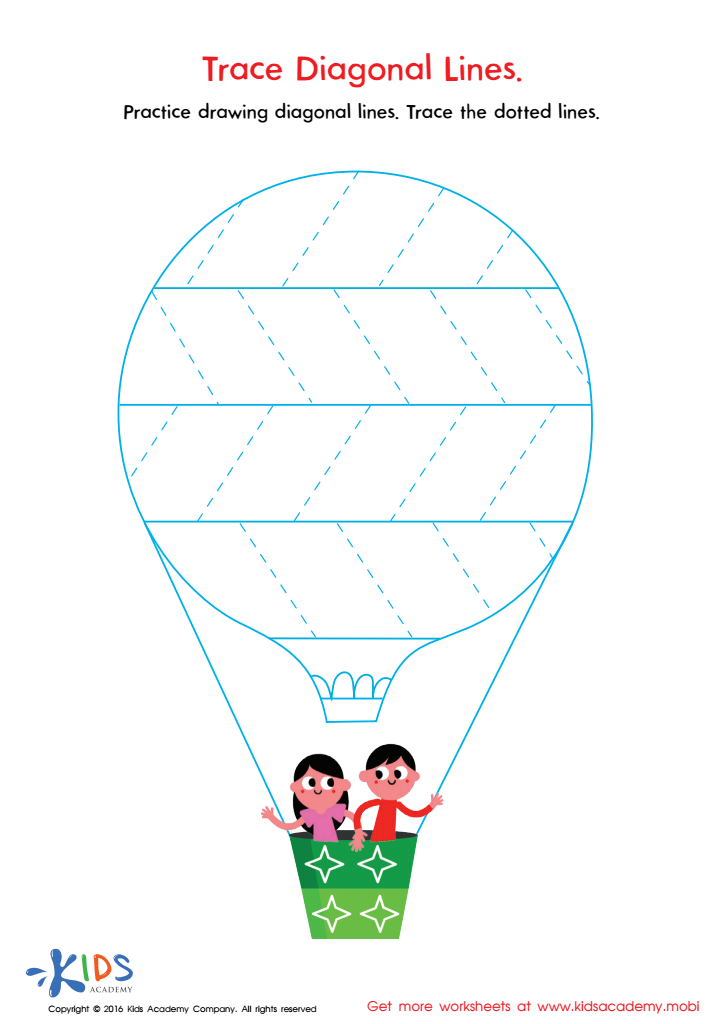
Trace Diagonal Lines Worksheet
 Assign to My Students
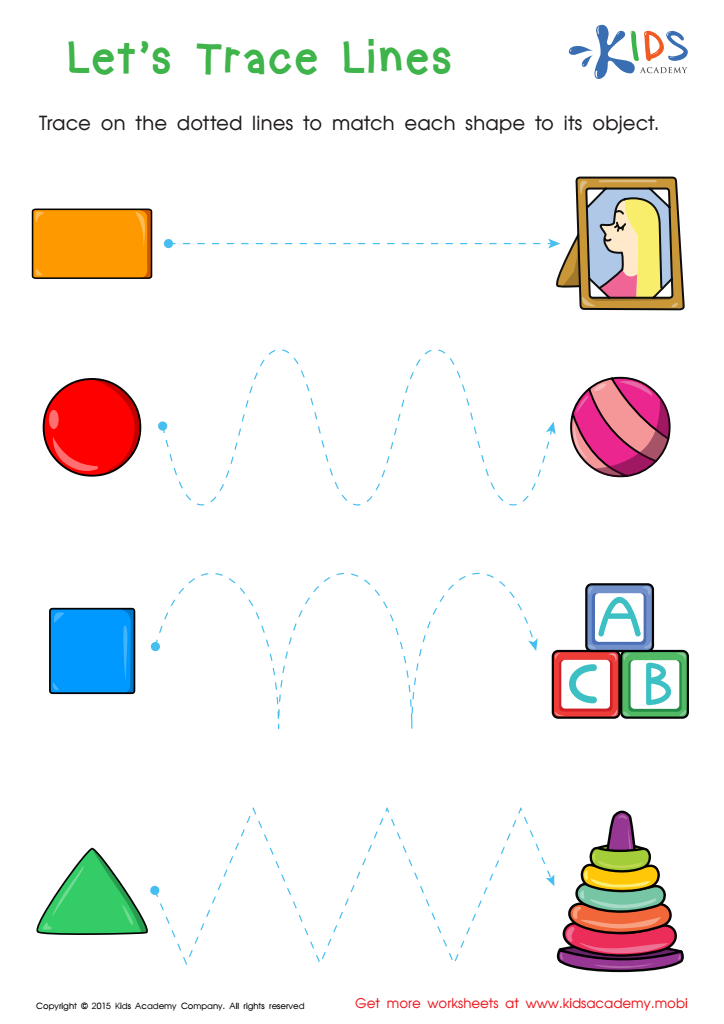
First Words: Let's Trace Lines Worksheet
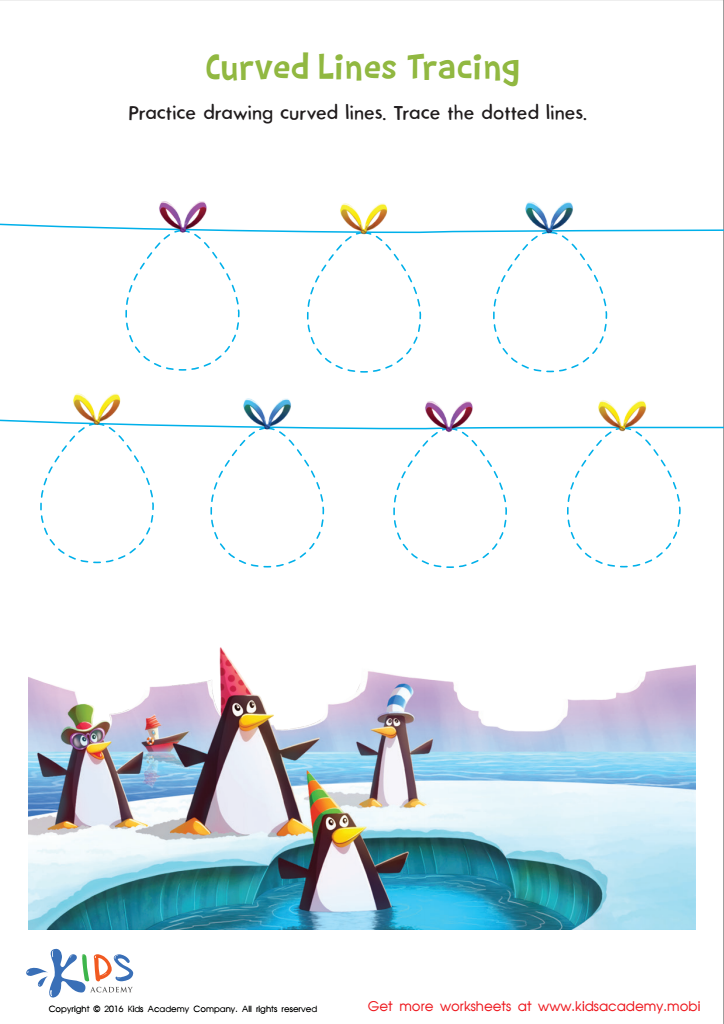
Curved Lines Tracing Worksheet
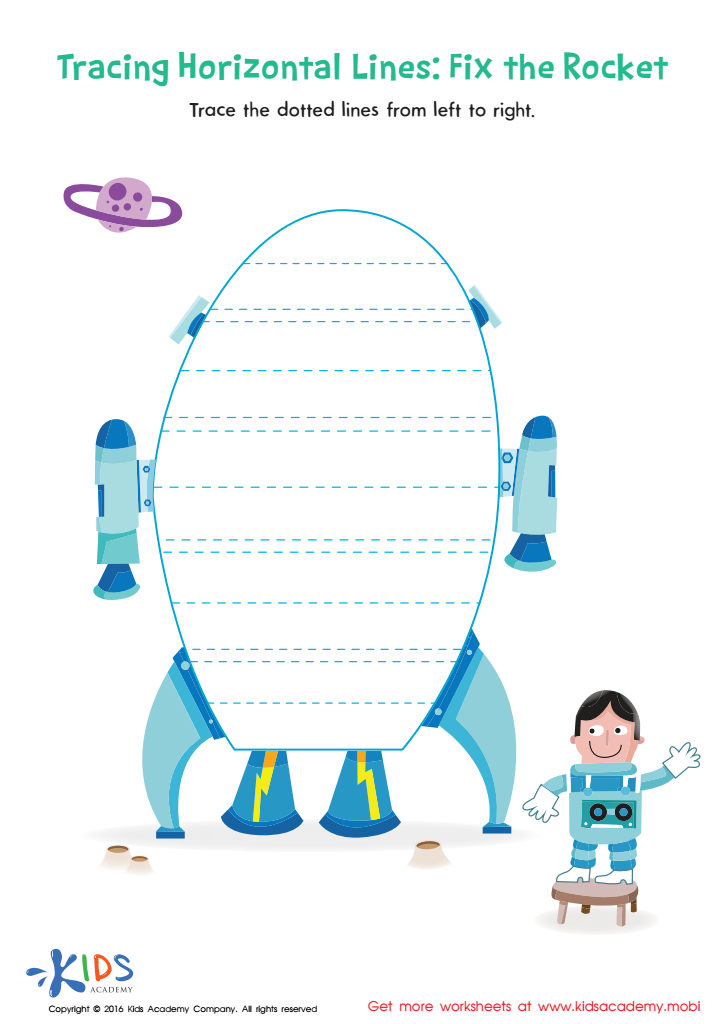
Tracing Horizontal Lines Worksheet




Hand-eye coordination is a crucial developmental skill that significantly impacts a child's overall learning and motor development, particularly for children aged 4-9. Tracing lines and curves is an essential activity for this age group as it helps enhance their fine motor skills, which are critical for tasks like writing, drawing, and later, more complex skills such as using tools and instruments.
When children practice tracing, they learn control over their hand movements while simultaneously focusing their vision on the task. This simultaneous coordination translates into better writing skills, improved accuracy in drawing, and greater proficiency in everyday tasks. Moreover, developing hand-eye coordination can boost self-confidence as children experience a sense of accomplishment when they master these skills.
In addition to the physical benefits, tracing activities encourage cognitive development by improving concentration, visual perception, and spatial awareness. It also provides an opportunity for parents and teachers to engage with children, fostering social interactions and communication skills.
Investing time in activities that promote hand-eye coordination, such as tracing lines and curves, is vital for laying the foundation for future educational success and lifelong skills. Therefore, it's important for parents and teachers to prioritize these activities in early childhood education.







