Fine motor skills development Normal Upper & Lowercase Letters Worksheets for Ages 4-9
3 filtered results
-
From - To
Enhance your child's fine motor skills with our engaging Upper and Lowercase Letters Worksheets, specially designed for ages 4 to 9. These worksheets provide a fun and effective way for young learners to practice letter formation, improve handwriting, and develop essential dexterity. Each activity encourages children to carefully trace, color, and write letters, fostering concentration and hand-eye coordination. Perfect for home or classroom use, these resources cater to diverse learning styles and abilities. Help your child build a strong foundation in literacy while simultaneously honing their fine motor skills. Explore our collection today for a playful learning experience!

I Stands High Worksheet
 Assign to My Students








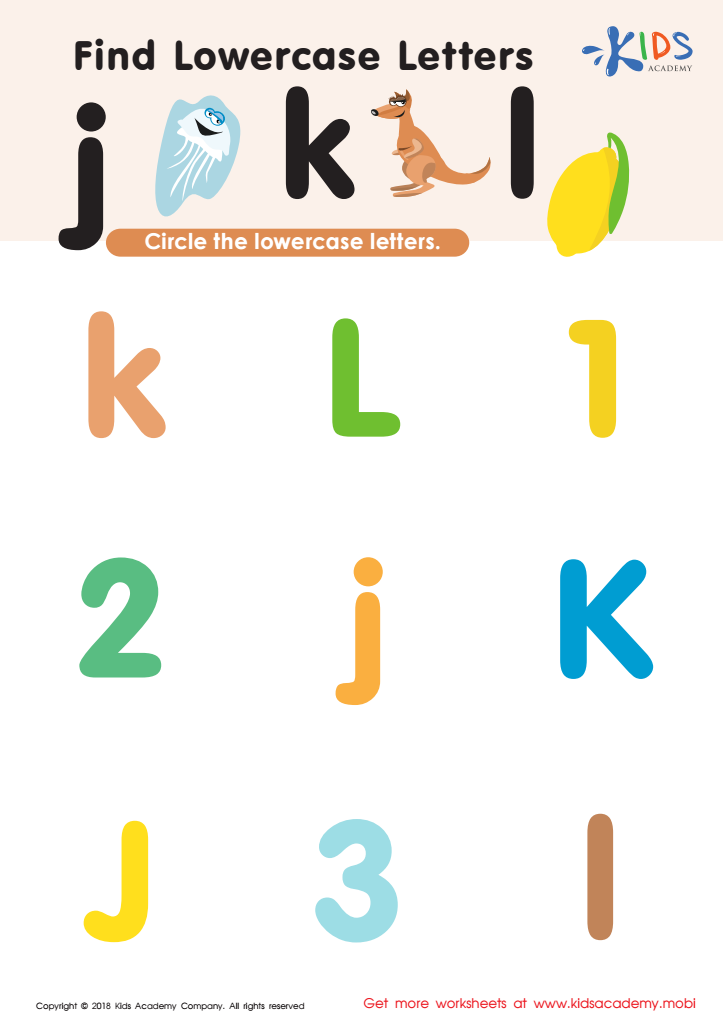
Find Lowercase Letters j k l Worksheet
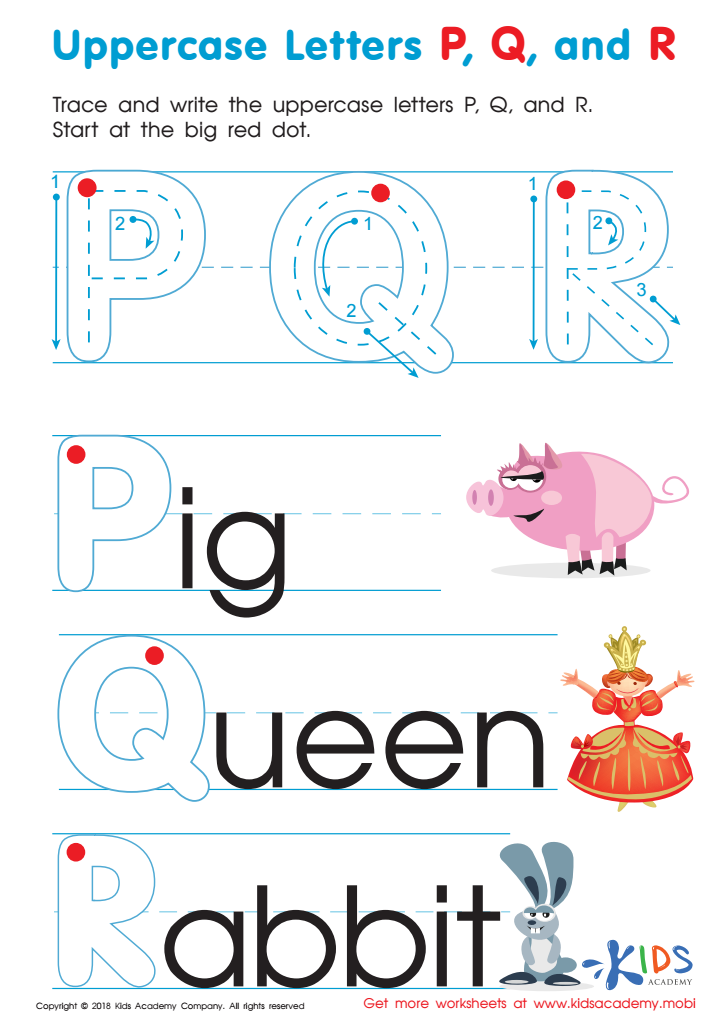
Uppercase Letters P, Q, and R Worksheet






Fine motor skills development, particularly in the context of writing normal upper and lowercase letters, is crucial for children aged 4-9 due to its profound impact on their learning and development. These skills involve the coordination of small muscles in the hands and fingers that are essential for tasks like gripping a pencil, which lays the groundwork for effective handwriting.
Parents and teachers should be concerned about this development because strong fine motor skills enhance not only writing abilities but also overall academic performance. As children learn to write letters correctly, they gain confidence in their communication skills, which fosters a love of learning. This era of handwriting practice also cultivates patience, concentration, and perseverance—qualities that are vital for future educational pursuits.
Additionally, fine motor skills are linked to cognitive development; they help children learn to control their movements, thus improving their ability to focus during lectures and discussions. Delays in fine motor development may lead to challenges in completing tasks efficiently, which can impact self-esteem and creativity. Therefore, fostering fine motor skills as children learn upper and lowercase letters is essential, enabling them to navigate academic and everyday challenges with ease and confidence.







